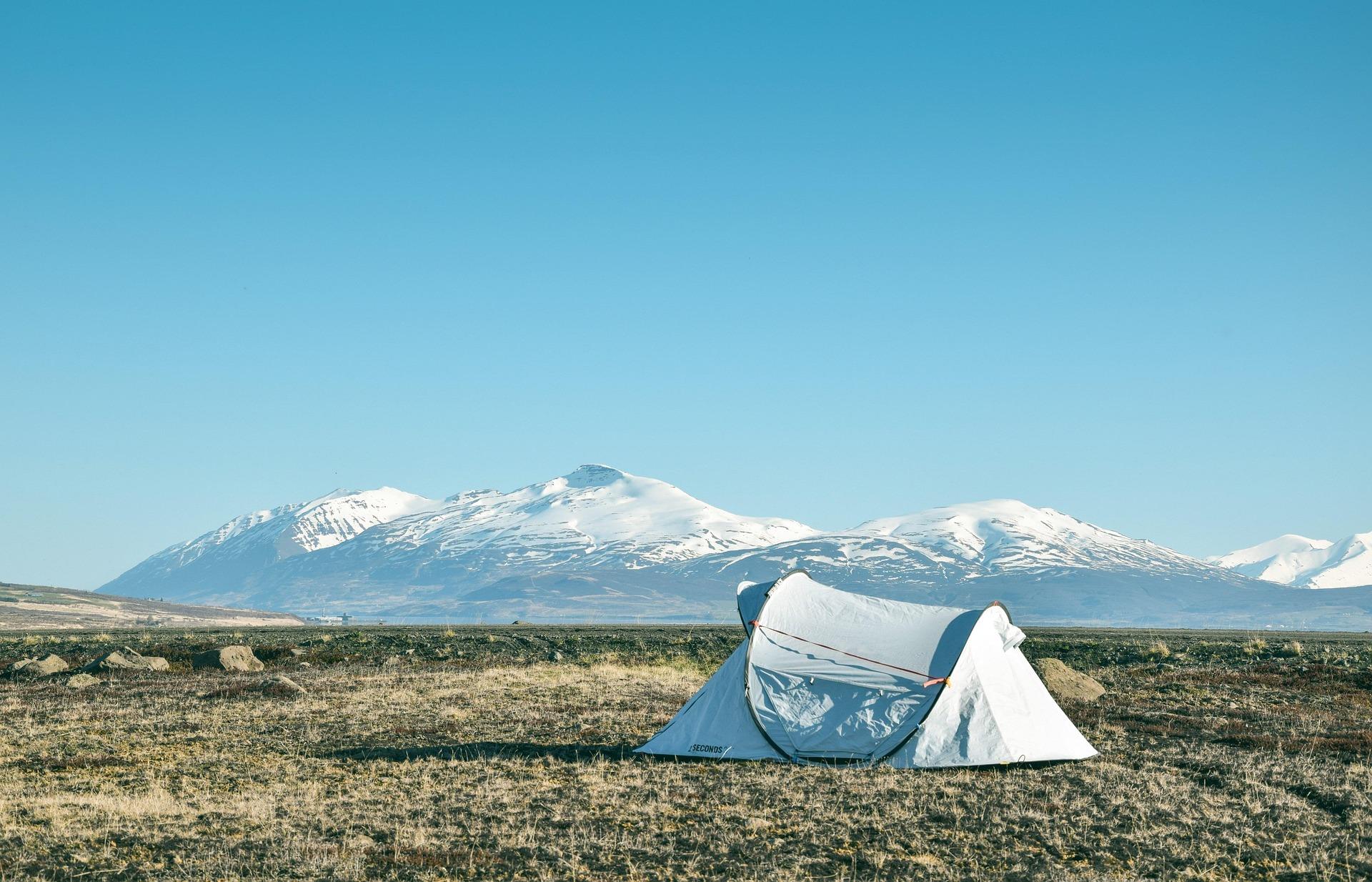
How to Check the Ground Before Camping
Choosing suitable ground is one of the first things Scouts should think about when arriving at a campsite.
The ground affects how comfortable the tent will be, how well tent pegs hold and whether rainwater is likely to become a problem. A few minutes spent checking the area before pitching can prevent plenty of problems later.
Look for Reasonably Level Ground
The ideal campsite doesn’t need to be perfectly flat, but it should be reasonably level.
Avoid obvious slopes where possible. Sleeping on a slope can be uncomfortable, and equipment may gradually move towards the lower end of the tent.
Look for a natural area of level ground rather than trying to create one.
Check for Dips
Small dips in the ground might not look important when the weather is dry.
After rain, they can become puddles.
Before pitching, look across the area and imagine what would happen if several hours of rain fell. Avoid obvious hollows and depressions where water could collect.
Think About Drainage
Water naturally flows downhill.
Avoid pitching in places where water is likely to run towards or underneath the tent.
A gentle slope can sometimes provide better drainage than completely flat ground, but avoid steep or uneven areas.
The aim is to find ground that is both reasonably comfortable and naturally well drained.
Look for Stones and Roots
Small stones, sticks and roots can make sleeping uncomfortable and may put unnecessary pressure on the tent floor.
Remove loose objects that are safe and appropriate to move.
Don’t dig up roots or significantly disturb the ground simply to make a tent site more comfortable.
If the area is unsuitable, find another spot.
Check for Mud
Muddy ground can cause several problems.
It can make pitching difficult, reduce the holding power of pegs and leave the tent dirty.
If the ground is already saturated, consider whether another location would be more suitable.
Remember that conditions can become worse after further rainfall.
Test the Pegging Ground
You don’t need to hammer a peg into every possible location before deciding where to pitch.
Instead, look at the soil and consider whether it appears capable of holding the tent pegs securely.
Very loose, sandy or saturated ground may require different pegging methods or equipment.
Very hard or rocky ground can make standard pegging difficult.
Watch for Rocks Beneath the Surface
Ground can look soft while hiding stones or other obstructions underneath.
If a peg meets strong resistance, don’t simply hit it harder.
The peg could bend or break.
Move to another suitable position if necessary.
Look for Animal Holes
Keep an eye out for holes, burrows and other signs of animal activity.
A hole can create a trip hazard and uneven ground can make pitching difficult.
Don’t interfere with wildlife or attempt to block holes.
Simply choose another location if the area isn’t suitable.
Check for Insects
Look around the proposed campsite for obvious signs of nests or colonies.
Be particularly cautious around areas where stinging insects may be active.
Don’t disturb nests or attempt to remove them.
If there is an obvious hazard, choose a different location and inform the appropriate person.
Think About Recent Weather
Ground conditions can change significantly after rain.
An area that was perfectly suitable yesterday may be muddy or saturated today.
Similarly, prolonged dry weather can make ground extremely hard and difficult to peg.
Always assess the conditions you actually find rather than relying on what the site normally looks like.
Don’t Camp in Natural Drainage Channels
A shallow channel or dip may look like a convenient flat area.
It can also become a route for water during heavy rain.
Avoid pitching tents in places where water naturally collects or flows.
This is particularly important when camping in areas where heavy rainfall is possible.
Avoid Unstable Ground
Watch for areas where the ground appears to be crumbling, eroding or unstable.
Stay away from the edges of steep slopes, cliffs, banks and other areas where ground could give way.
If you’re unsure about an area, choose safer ground rather than trying to make it work.
Consider the Whole Tent Area
Don’t just check the small patch where the sleeping area will be.
Look at the complete footprint of the tent.
Include the entrance, porch and guy lines when deciding whether the area is suitable.
There needs to be enough space for the whole tent to stand correctly without creating hazards.
Don’t Improve the Site Too Much
Camping should have as little unnecessary impact on the environment as possible.
Avoid digging trenches around tents, cutting vegetation or moving large rocks unless specifically permitted and necessary for the activity.
Choose a suitable campsite rather than trying to turn an unsuitable one into a suitable one.
Younger Scouts
Younger Scouts can learn ground assessment through simple observation.
Ask them to compare two possible tent locations.
Which one is flatter?
Which one looks wetter?
Where would rain collect?
Which area has fewer obstacles?
This turns campsite selection into a practical outdoor skill.
Older Scouts
Older Scouts can carry out a more detailed ground assessment before pitching.
Ask them to explain how the ground might behave in different weather conditions and whether their chosen area is suitable for the whole tent.
This encourages Scouts to make decisions based on evidence rather than simply choosing the most convenient-looking space.
Leader Notes
Encourage Scouts to inspect the ground before unpacking the tent.
A useful habit is to walk around the proposed area rather than looking at it from one position.
The aim isn’t to find a perfect patch of ground. It’s to recognise obvious problems and choose the safest practical option.
Safety
Always assess the ground before pitching.
Avoid obvious drainage channels, hollows, flood-prone areas and unstable ground.
Take care around steep slopes, eroding banks and cliff edges.
Do not disturb animal burrows, nests or other signs of wildlife.
Be aware that rain can rapidly change ground conditions.
Do not force tent pegs into hard or rocky ground if doing so could cause them to break.
Keep the complete tent footprint and guy lines in mind when assessing the site.
Follow the rules and instructions of the campsite or landowner.
Learning Outcomes
Scouts learning to check the ground before camping can develop their ability to:
Final Thought for Scouts
The ground beneath your tent is easy to ignore once you’ve arrived at camp.
But it affects almost everything that happens afterwards.
Look down before you pitch.
A few minutes of careful observation can mean a safer, drier and much more comfortable night.
🔒Ready to test your survival skills?
Join Survival Guides UK for free, complete challenges, earn badges and increase your Survival Level.
JOIN FREE →
CRAIG BURR
FOUNDER · SURVIVAL GUIDES UK
I'm Craig, the person behind Survival Guides UK. I created SGUK because I wanted somewhere people could learn real outdoor skills in a practical, straightforward way — from lighting a fire and tying knots to navigation, campcraft and everything in between.
You can read more about the story behind SGUK here as well as our approach here.