Choosing a Campsite in Windy Weather
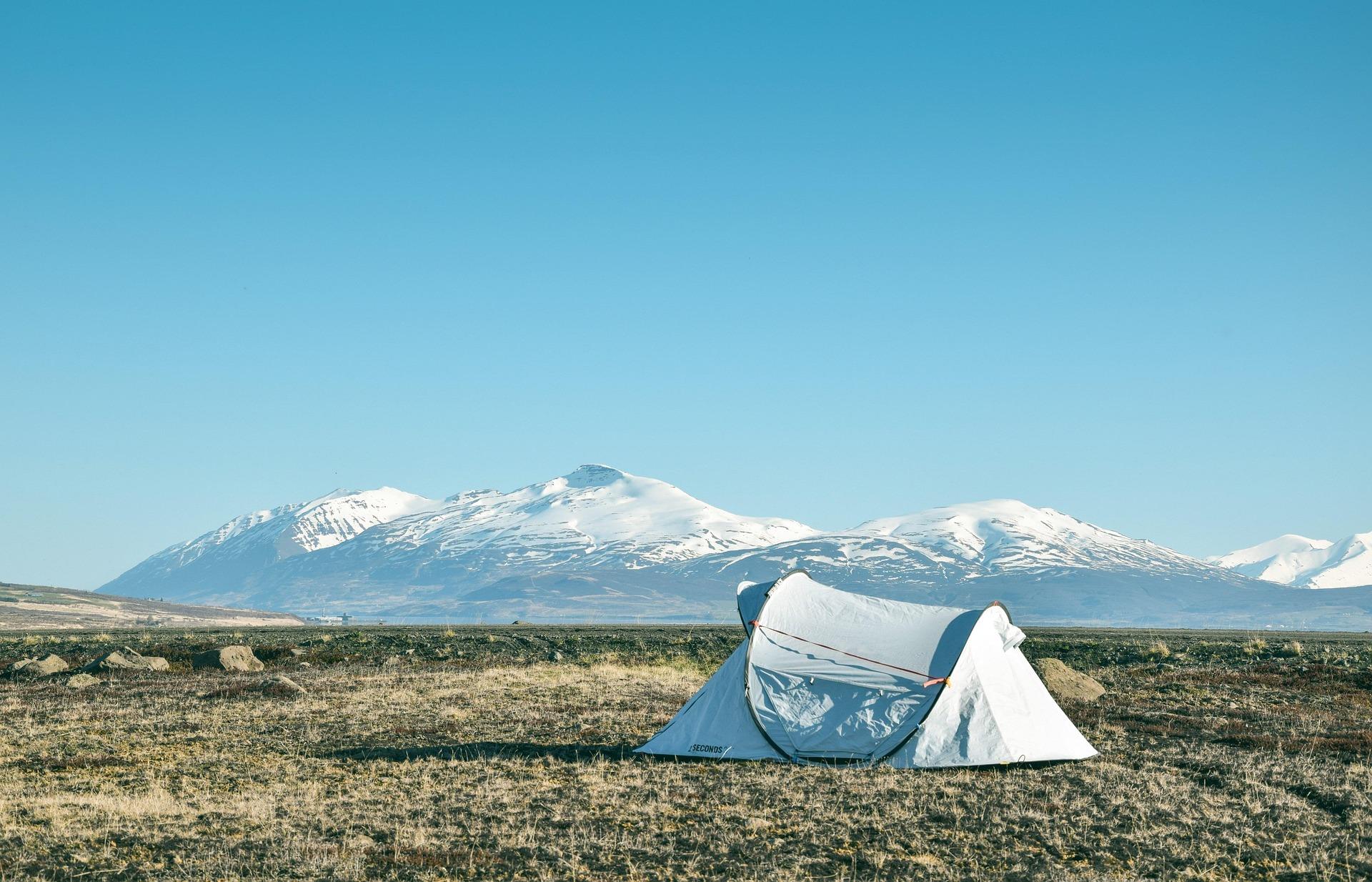
Wind can change the way a campsite needs to be planned.
A location that seems ideal in calm conditions may become uncomfortable or unsuitable when the wind increases. Choosing a sensible site and thinking about how the wind will affect tents and equipment can make camping safer and more manageable.
Look for Natural Shelter
When choosing a campsite, consider whether the area provides some natural protection from the wind.
Existing landscape features, such as suitable sheltered areas, can sometimes reduce exposure.
However, don’t choose a location simply because it is surrounded by trees. Overhead branches and unstable trees can create a more serious hazard.
Check the Wind Direction
Before pitching, try to work out which direction the wind is coming from.
Look at trees, grass, flags or other suitable indicators around the site.
Think about how the wind might affect the tent and where the entrance should face.
Don’t Camp Under Dangerous Trees
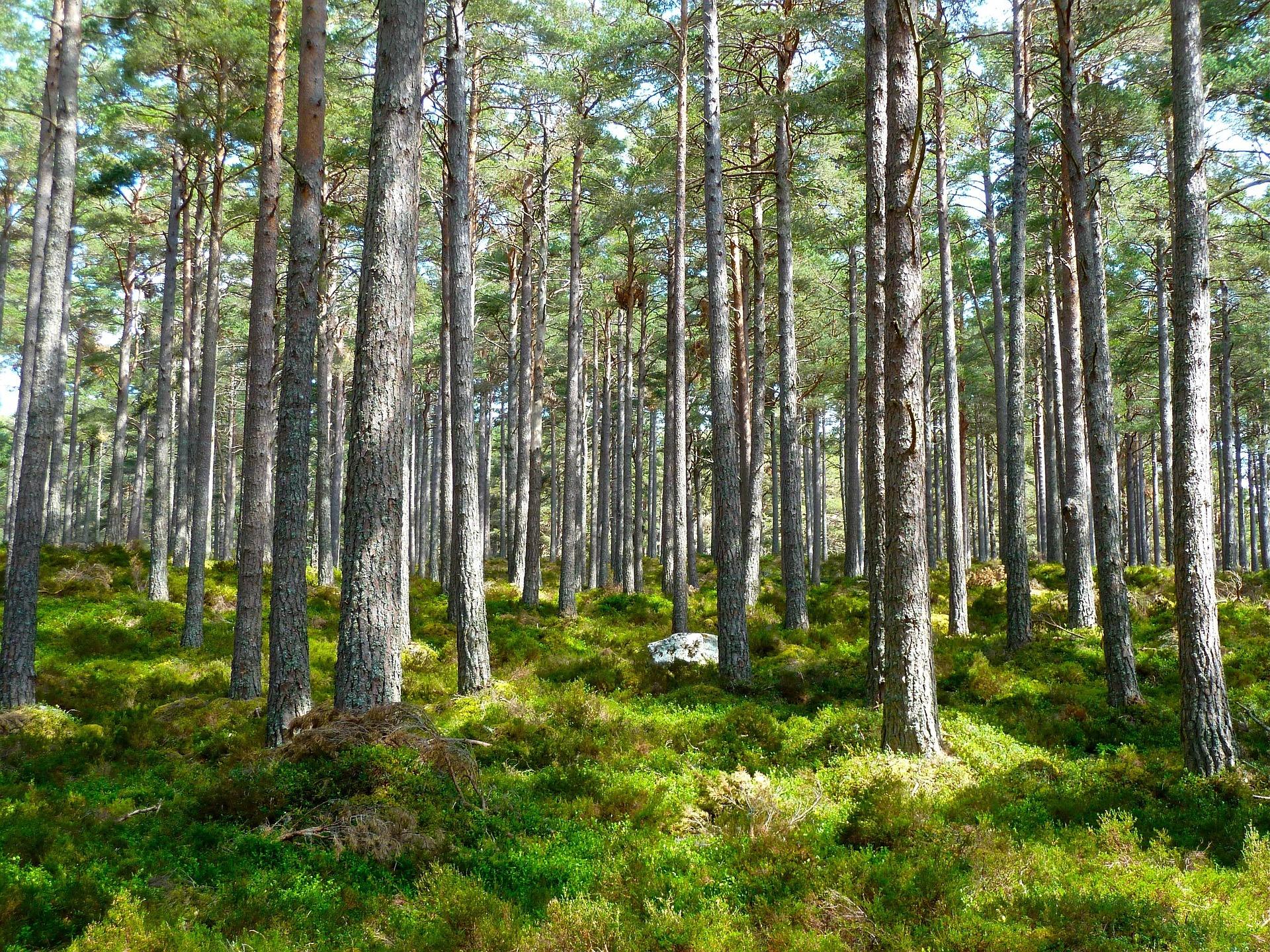
Trees can provide shelter from wind, but they also require careful consideration.
Avoid camping beneath dead, damaged or unstable trees and branches.
Strong winds can cause branches to fall, even if they appeared secure when you first arrived.
A slightly more exposed site may be preferable to an unsafe location beneath a hazardous tree.
Consider the Whole Campsite
Don’t just think about your own tent.
Look at cooking areas, activity spaces, toilet routes and other parts of the campsite.
Wind can carry smoke, sparks, loose equipment and rubbish.
Think about how the wind will affect the whole area.
Pitch the Tent Correctly
Once you’ve selected a suitable site, follow the tent manufacturer’s instructions.
Make sure the tent is properly pegged and that the appropriate guy lines are being used.
Don’t assume that a tent is secure simply because it is standing.
Give the pegs and attachment points a proper check.
Use Guy Lines Properly
Guy lines can provide additional stability in windy conditions.
Position them correctly and make sure they are reasonably tensioned.
Don’t pull them excessively tight.
Over-tensioning can put unnecessary strain on tent fabric, seams and attachment points.
Check the Pegs
Wind places additional force on tent pegs.
Make sure they are suitable for the ground and are properly secured.
If the ground is soft or wet, check the pegs regularly because they may gradually loosen.
Keep Loose Equipment Secure
Wind doesn’t only affect tents.
Maps, clothing, food containers, rubbish and other lightweight items can quickly become difficult to control.
Keep equipment inside tents, bags or suitable containers when it isn’t being used.
Don’t leave lightweight objects lying around the campsite.
Watch Cooking Equipment
Wind can affect cooking equipment and flames.
Follow the manufacturer’s instructions for any stove being used and use it only in an appropriate, controlled location.
Never assume that putting a stove inside a normal tent or enclosed shelter makes it safer.
Keep Tent Entrances Sensible
Think about where the tent entrance faces.
An entrance directly into strong wind can make entering and leaving more difficult and may allow rain to blow inside.
The best orientation depends on the tent design and the conditions.
Check the Forecast
Weather forecasts are useful when planning a campsite, but conditions can change.
Strong winds may develop after you’ve pitched.
Make sure Scouts understand that campsite safety doesn’t end when the tent is standing.
If conditions change significantly, reassess the situation.
What If the Wind Gets Stronger?
If the wind increases, check the tent and campsite rather than simply ignoring it.
Look at the pegs.
Check guy lines.
Look for loose equipment.
Check nearby trees.
Consider whether the current location remains appropriate.
If conditions become unsafe, follow the activity’s emergency procedures and move to a suitable safe location.
Younger Scouts
Younger Scouts can learn to recognise how wind affects a campsite.
Ask them to look for things that might move in stronger wind.
What happens to a tent?
What happens to a loose plastic bag?
What happens to a guy line?
This helps them understand why equipment needs to be secured.
Older Scouts
Older Scouts can take part in assessing a campsite before pitching.
Ask them to consider wind direction, exposure, tent orientation, guy lines and nearby hazards.
Encourage them to explain their decisions rather than simply following instructions.
Leader Notes
Wind is a useful subject for developing judgement.
Rather than simply telling Scouts where to pitch, ask them to identify potential problems.
However, don’t allow a learning exercise to become a safety experiment.
If conditions are deteriorating, the leader should make the final decision about whether the campsite remains suitable.
Safety
Always consider wind conditions when selecting and pitching a campsite.
Do not camp beneath dead, damaged or unstable trees or branches.
Secure tents and equipment according to the manufacturer’s instructions.
Use appropriate pegs and guy lines for the conditions.
Check tents and pegs regularly when wind increases.
Secure loose equipment so it cannot become a hazard.
Take particular care with cooking equipment and flames in windy conditions.
Do not use a normal tent as a cooking shelter.
If weather conditions become unsafe, stop the activity and follow the appropriate emergency procedures.
Learning Outcomes
Scouts learning about camping in windy conditions can develop their ability to:
Final Thought for Scouts
Wind doesn’t have to stop a camping trip, but it should never be ignored.
Look at the weather, understand your surroundings and secure your equipment properly.
A good campsite is one that remains sensible when conditions change.
🔒Ready to test your survival skills?
Join Survival Guides UK for free, complete challenges, earn badges and increase your Survival Level.
JOIN FREE →
CRAIG BURR
FOUNDER · SURVIVAL GUIDES UK
I'm Craig, the person behind Survival Guides UK. I created SGUK because I wanted somewhere people could learn real outdoor skills in a practical, straightforward way — from lighting a fire and tying knots to navigation, campcraft and everything in between.
You can read more about the story behind SGUK here as well as our approach here.