How to Keep Your Sleeping Bag Dry
A sleeping bag is one of the most important pieces of camping equipment you have. Keeping it dry helps you stay warm, comfortable and ready for the next night.
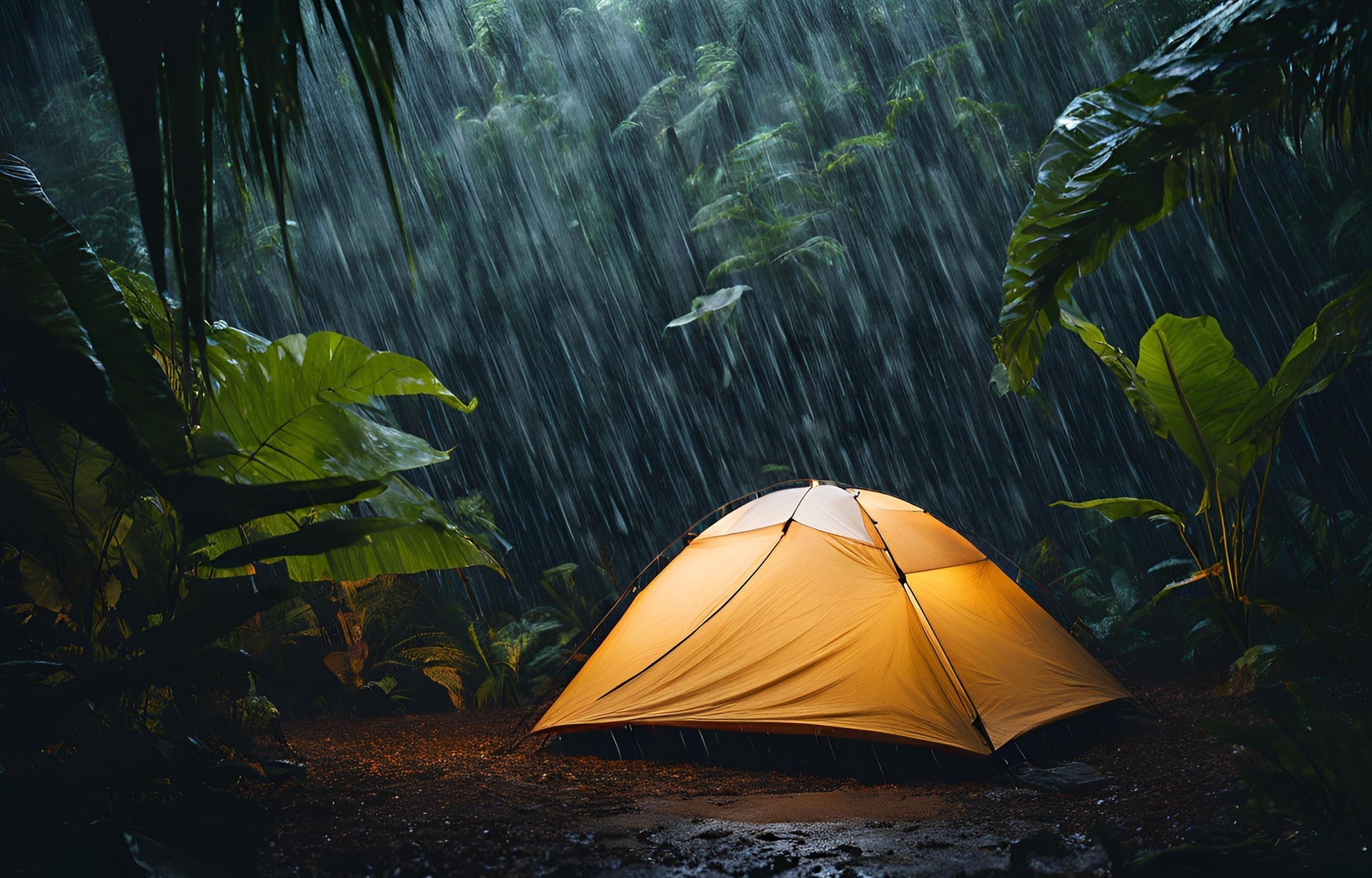
Rain isn’t the only source of moisture. Condensation, wet clothing, damp tent floors and careless packing can all cause problems.
A few simple habits can make a big difference.
Keep the Sleeping Bag Packed Away Until Needed
Don’t unpack your sleeping bag as soon as you arrive at camp.
Keep it protected in its bag or waterproof storage until the tent is ready and you have somewhere dry to put it.
This reduces the chance of it getting wet while you’re setting up.
Keep Wet Clothing Out of the Sleeping Bag
A sleeping bag shouldn’t be used as a place to store wet clothes.
Wet jackets, trousers and boots can introduce moisture into the sleeping area and make the sleeping bag damp.
Keep wet clothing in a suitable place and change into dry sleeping layers when appropriate.
Keep the Tent Dry Inside
The sleeping bag is only as dry as the environment around it.
Try not to bring unnecessary water into the tent.
Remove muddy footwear before entering the sleeping area and keep wet equipment organised.
Good tent ventilation can also help reduce condensation.
Watch the Tent Floor
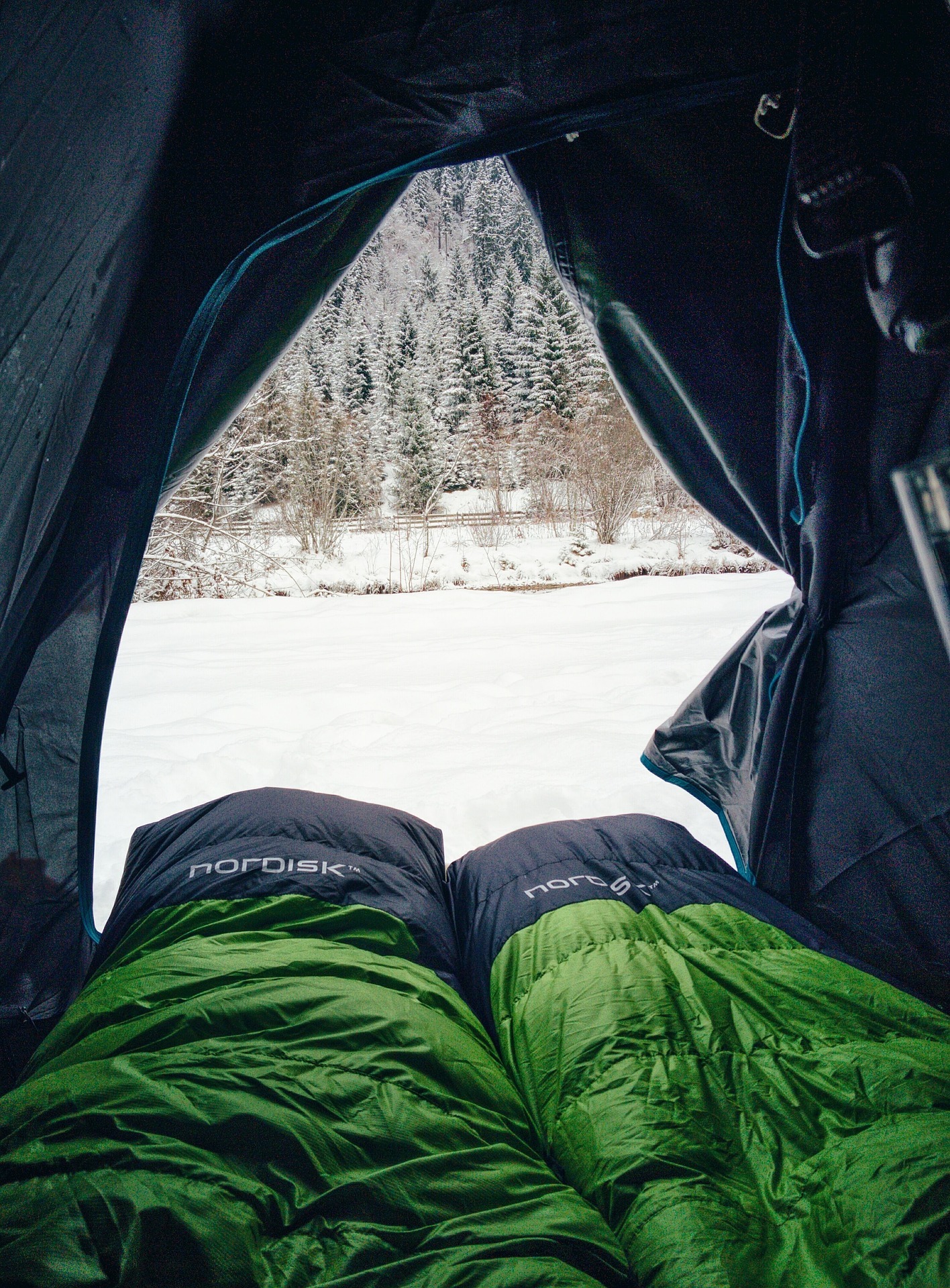
Check that the sleeping bag isn’t pressed against a wet tent wall or floor.
Moisture can collect on the inside of a tent, particularly in cold or damp conditions.
Keep your sleeping bag positioned away from areas where water is likely to collect.
Protect It During the Day
If you’re leaving camp during the day, don’t leave your sleeping bag exposed unnecessarily.
If rain is expected, make sure it is packed away somewhere waterproof and secure.
If you’re staying in the tent, keep the sleeping bag protected while it isn’t being used.
Use a Suitable Waterproof Bag
A waterproof liner or suitable dry bag can provide additional protection when carrying a sleeping bag.
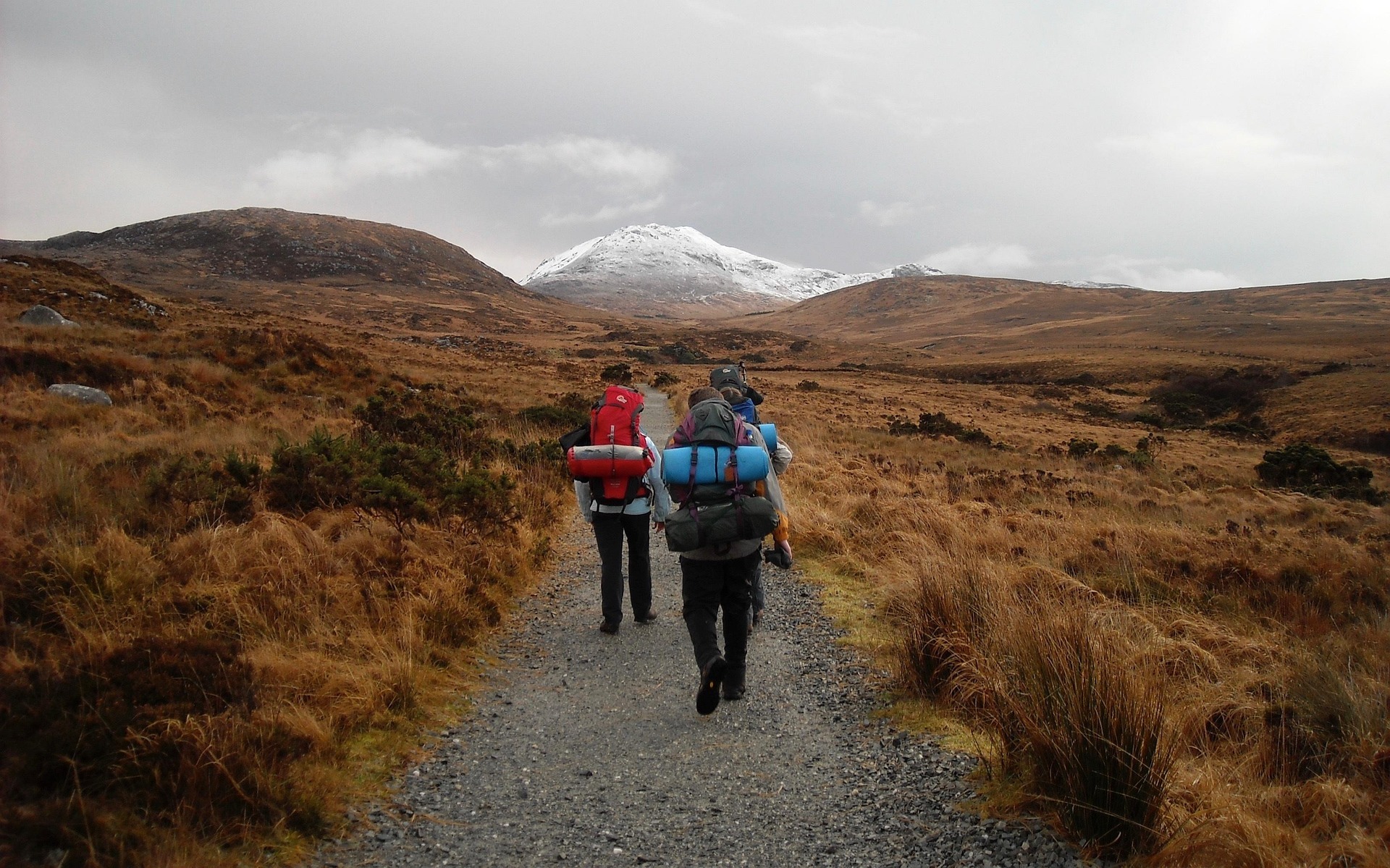
This is particularly useful when hiking in wet weather.
Make sure the bag is appropriate for the sleeping bag and doesn’t create unnecessary compression or damage.
Don’t Put a Wet Sleeping Bag Away
If your sleeping bag becomes damp, don’t simply pack it away and leave it for later.
A damp sleeping bag can develop unpleasant smells and may be damaged if stored wet for long periods.
Dry it properly as soon as practical.
Dry It Carefully
Follow the manufacturer’s care instructions.
Different sleeping bags use different fillings and materials, so don’t assume every bag should be treated in exactly the same way.
When drying outdoors, choose suitable weather and avoid leaving equipment exposed to unexpected rain.
Don’t Dry It Directly Over a Fire
A campfire might seem like a quick way to dry wet equipment, but it can damage fabrics and create a serious fire risk.
Keep sleeping bags and other camping equipment well away from flames and sparks.
Younger Scouts
Younger Scouts can learn a simple routine:
Keep it packed. Keep it dry. Keep wet clothes separate. Dry it properly after camp.
This is enough to establish good habits without making sleeping-bag care complicated.
Older Scouts
Older Scouts can learn to think about moisture from several sources.
Ask them where water could come from during a wet camp and what they could do to protect their sleeping bag.
This can include rain, condensation, wet clothing, damp ground and wet equipment.
Leader Notes
Encourage Scouts to treat their sleeping bag as something that needs protecting rather than just another item of kit.
Keeping a sleeping bag dry is mostly about good habits rather than complicated equipment.
Safety
Follow the manufacturer’s instructions for using, cleaning and drying the sleeping bag.
Keep sleeping bags away from open flames, stoves and other sources of heat.
Do not deliberately dry a sleeping bag directly over a fire or stove.
Don’t store a sleeping bag wet for prolonged periods.
If a sleeping bag becomes significantly wet and the person using it is becoming cold, deal with the situation promptly and follow appropriate cold-weather procedures.
Learning Outcomes
Scouts can learn to:
Final Thought for Scouts
A dry sleeping bag is much more useful than a wet one.
Protect it before it gets wet rather than trying to rescue it afterwards.
Good camping habits start with looking after the equipment that keeps you comfortable.
🔒Ready to test your survival skills?
Join Survival Guides UK for free, complete challenges, earn badges and increase your Survival Level.
JOIN FREE →
CRAIG BURR
FOUNDER · SURVIVAL GUIDES UK
I'm Craig, the person behind Survival Guides UK. I created SGUK because I wanted somewhere people could learn real outdoor skills in a practical, straightforward way — from lighting a fire and tying knots to navigation, campcraft and everything in between.
You can read more about the story behind SGUK here as well as our approach here.