What to Pack for Wet Weather Camping
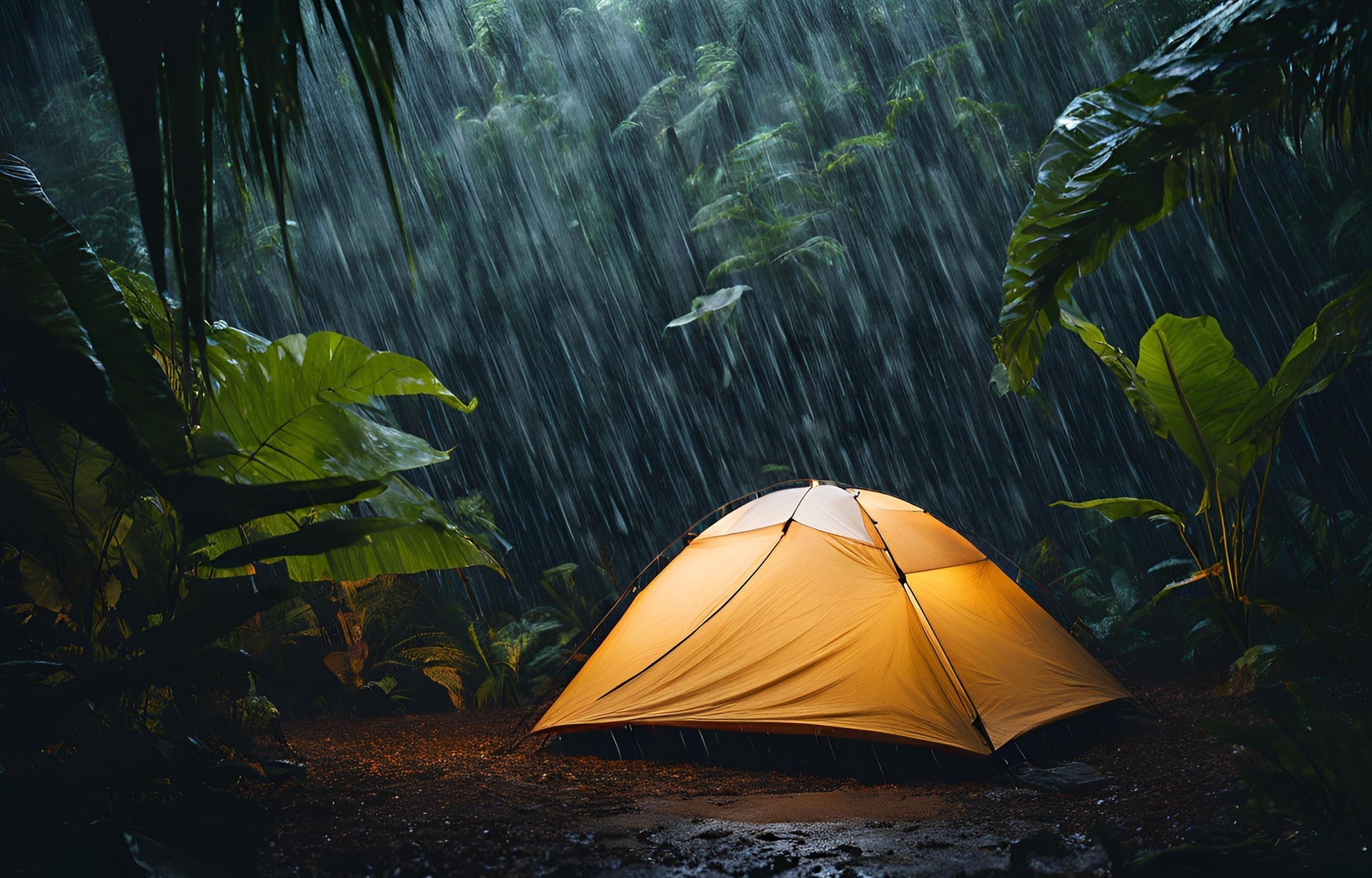
Camping in wet weather is much easier when you prepare for it before leaving home.
In the UK, rain can arrive with little warning, so Scouts should learn to pack in a way that protects essential equipment and keeps spare clothing dry.
The goal isn’t to pack everything you own. It’s to make sure the equipment you do take is suitable, accessible and protected from moisture.
Start With the Weather
Check the expected conditions before packing.
Think about rain, temperature, wind and how long you’ll be outdoors.
A short day activity may need very different equipment from a weekend camp.
Don’t rely entirely on the forecast, though. Weather can change, so have suitable protection available for the conditions you could reasonably encounter.
Protect Your Spare Clothes
One of the most important things to keep dry is your spare clothing.
Place spare socks, warm layers and other essential clothing inside a waterproof bag or suitable dry bag.
Keeping them protected means you’ll still have dry clothing available if what you’re wearing becomes wet.
Pack Waterproof Clothing
A suitable waterproof jacket is essential for many wet-weather activities.
Depending on the activity and conditions, waterproof trousers may also be useful.
Waterproof clothing should be appropriate for the activity rather than simply being carried in case it rains.
Keep it somewhere accessible so you can put it on before you’re completely soaked.
Protect Your Sleeping Bag
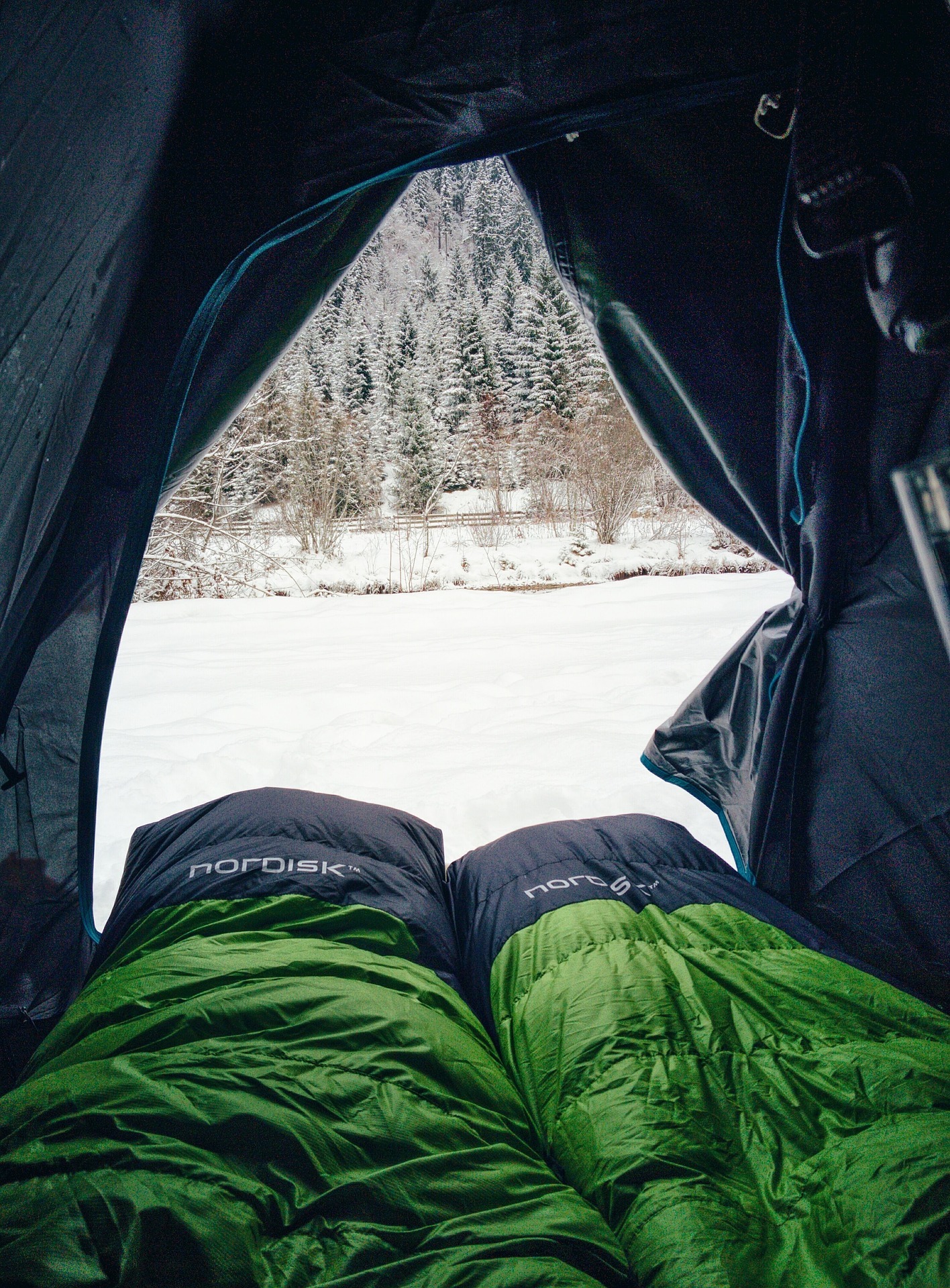
For overnight activities, your sleeping bag needs particular protection.
Keep it in a suitable waterproof liner or dry bag when carrying it.
Don’t leave it exposed while setting up camp.
Once inside the tent, keep it away from wet clothing and areas where condensation or rainwater could make it damp.
Keep Your Rucksack Dry
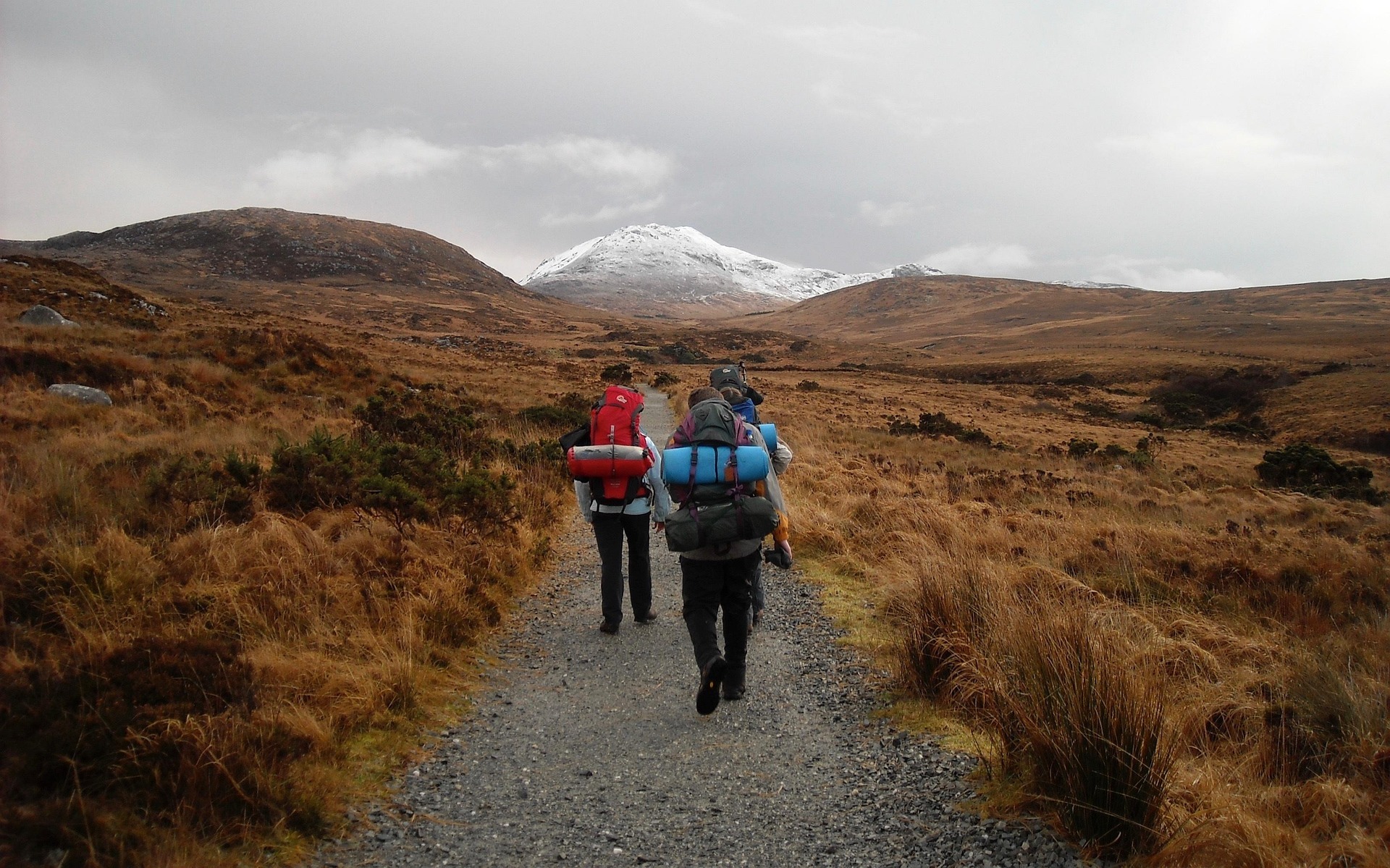
Even if your rucksack has some water resistance, prolonged rain can eventually get inside.
A suitable rain cover can provide additional protection.
Important equipment can also be stored in waterproof bags inside the rucksack.
Think about what would be difficult to replace or what you would need if conditions became worse.
Pack Small Essentials Carefully
Small items can be surprisingly important in wet weather.
Keep things such as maps, spare socks, gloves and other essentials protected from rain.
Don’t put everything into one large bag.
Separating equipment into sensible waterproof storage makes it easier to find what you need without exposing the rest of your kit to the weather.
Protect Your Map
Maps can quickly become damaged by rain.
Use a suitable map case or waterproof map holder when appropriate.
If you’re carrying a paper map, keep it protected until you need it.
Navigation equipment should remain usable throughout the activity.
Carry Spare Socks
Wet feet can become uncomfortable very quickly.
A spare pair of socks takes up relatively little space and can be extremely useful on a wet hike.
Keep them properly protected so they are actually dry when you need them.
Think About Footwear
Make sure your footwear is appropriate for the terrain and expected conditions.
Waterproof footwear can help, but no footwear should be treated as completely immune to water.
Consider spare socks and how you’ll manage wet footwear at camp.
Protect Firelighting Equipment
If your activity includes planned firelighting, make sure the equipment is kept dry and handled appropriately.
Matches and other firelighting materials can become unreliable when wet.
Store them securely and follow the rules and procedures for the activity.
Firelighting should only be carried out where it is permitted and under appropriate supervision.
Pack a Simple Wet-Weather System
A useful approach is to divide your kit into three groups:
What you need immediately.
What needs to stay dry.
What can safely get wet.
For example, your waterproof jacket needs to be accessible, while spare clothes and your sleeping bag need strong protection from moisture.
This makes your packing more organised and practical.
Don’t Overpack
Wet-weather camping doesn’t mean taking huge amounts of extra equipment.
Instead, concentrate on protecting the equipment that matters.
A well-packed rucksack with waterproof storage is often more useful than carrying lots of unnecessary items.
Make Wet Equipment Easy to Separate
Think about what happens when something does become wet.
Have somewhere suitable to put wet clothing or equipment without soaking your dry kit.
Separate bags can make this much easier.
Younger Scouts
Younger Scouts can use a simple packing check.
Ask:
What keeps me dry?
What must stay dry?
What will I need if my clothes get wet?
This helps them understand why waterproof storage matters rather than simply giving them a list to copy.
Older Scouts
Older Scouts can plan their own wet-weather packing system.
Ask them to decide which equipment needs the greatest protection and where they will store it.
This is particularly useful preparation for longer hikes and camps.
Leader Notes
A useful exercise is to give Scouts a normal camping kit and ask:
“What would happen if it rained for six hours?”
Let them identify which items need additional protection.
This can lead naturally into discussions about waterproof bags, clothing, sleeping equipment and campsite organisation.
Safety
Make sure clothing and equipment are appropriate for the expected conditions and activity.
Keep essential spare clothing and sleeping equipment protected from rain.
Do not rely solely on a rucksack’s water resistance to protect critical equipment.
Ensure Scouts have appropriate waterproof clothing for the activity.
Take action if someone becomes excessively cold or wet.
Keep firelighting equipment dry and only use it in accordance with the activity plan, site rules and appropriate supervision.
Do not dry clothing or equipment directly over fires or stoves.
Reassess the activity if weather conditions become significantly worse than expected.
Learning Outcomes
Scouts can learn to:
Final Thought for Scouts
You can’t control the weather, but you can control how prepared you are for it.
Pack for the conditions you might face, not just the conditions you hope for.
Keeping a few important items dry can make a wet camping trip much more comfortable.
🔒Ready to test your survival skills?
Join Survival Guides UK for free, complete challenges, earn badges and increase your Survival Level.
JOIN FREE →
CRAIG BURR
FOUNDER · SURVIVAL GUIDES UK
I'm Craig, the person behind Survival Guides UK. I created SGUK because I wanted somewhere people could learn real outdoor skills in a practical, straightforward way — from lighting a fire and tying knots to navigation, campcraft and everything in between.
You can read more about the story behind SGUK here as well as our approach here.