How to Dry Wet Camping Equipment
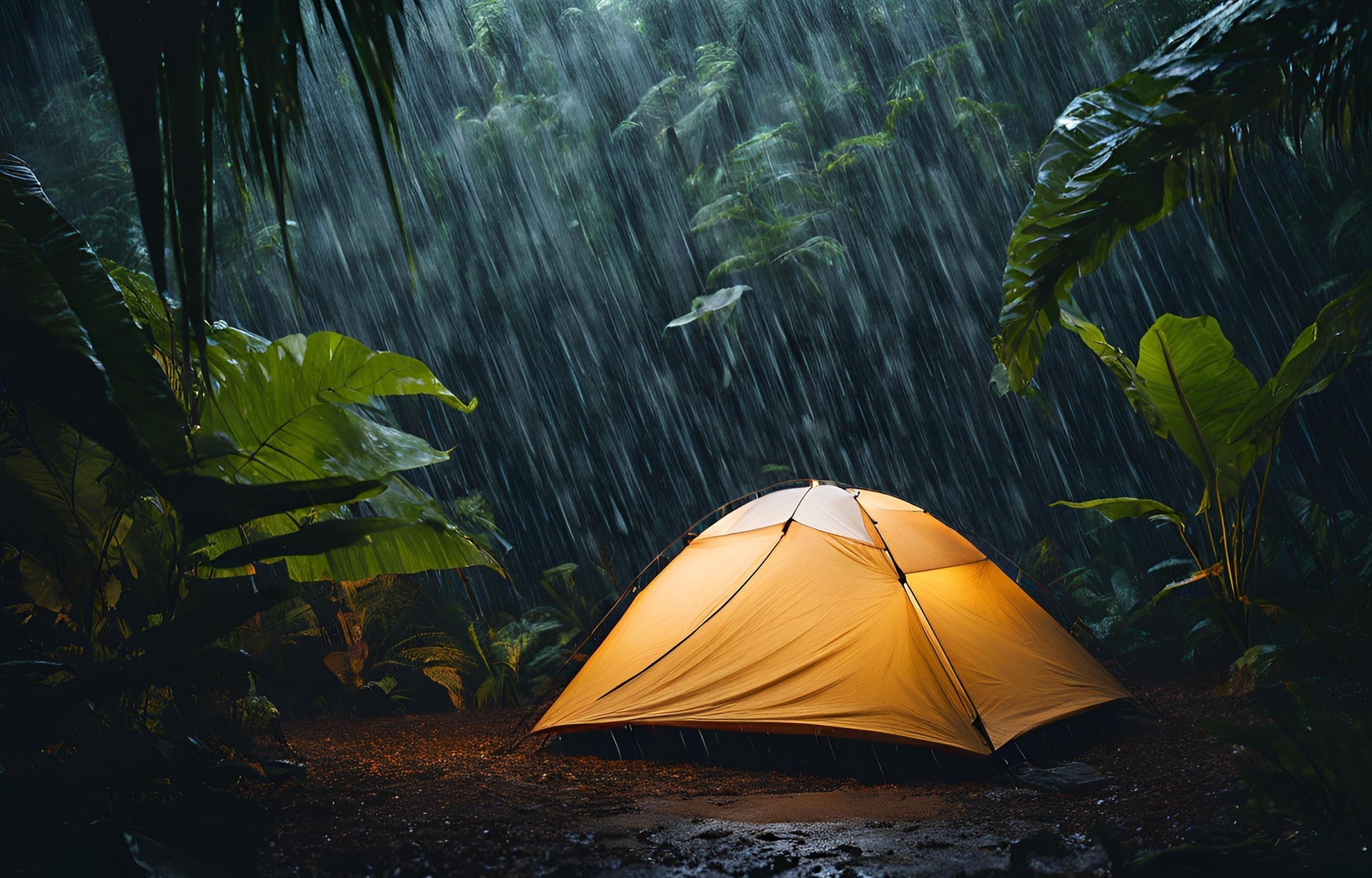
Wet camping equipment is almost unavoidable on some outdoor trips, particularly in the UK. Tents, clothing, rucksacks and other kit can quickly become damp after rain.
The important thing is knowing how to deal with wet equipment properly so that it dries without being damaged.
Deal With Wet Equipment Promptly
Don’t leave wet equipment packed away longer than necessary.
If you’re still at camp, give wet items an opportunity to drain and dry when conditions allow.
If you’ve finished your trip, unpack everything when you get home rather than leaving wet kit inside a bag.
Dry Your Tent Before Storage
A wet tent should not normally be packed away for long-term storage.
If possible, allow the tent to dry completely before putting it away.
Hang or spread it somewhere suitable and give the fabric, seams and floor time to dry.
If the weather is poor, you may need to dry it indoors in a suitable space.
Don’t Use Excessive Heat
Avoid trying to speed up drying by placing camping equipment directly beside heaters, fires or stoves.
Excessive heat can damage synthetic fabrics, coatings, adhesives and other components.
Natural airflow is usually a much safer approach.
Give Equipment Room to Dry
Don’t pile wet clothing or equipment into one heap.
Spread items out where possible so air can reach them.
This is particularly important for tents, waterproof clothing and sleeping equipment.
Dry Sleeping Bags Carefully
Sleeping bags need particular care.
Follow the manufacturer’s instructions for drying and cleaning.
Don’t assume that placing a sleeping bag directly beside a heat source is safe.
If the sleeping bag has become significantly wet, give it plenty of time to dry properly before storing it.
Dry Waterproof Clothing
Waterproof jackets and trousers should be dried according to the manufacturer’s care instructions.
Hang them somewhere with good airflow and allow them to dry naturally.
Avoid high temperatures that could damage waterproof coatings or materials.
Look After Wet Boots
Remove excess mud and allow boots to dry naturally.
Don’t place them directly beside a fire, radiator or other strong heat source.
Excessive heat can cause some footwear materials to crack, shrink or lose their shape.
Empty Your Rucksack
A rucksack can hide dampness inside pockets, compartments and seams.
Empty it completely after a wet trip.
Check the main compartment, side pockets and any waterproof covers.
Allow the rucksack to dry thoroughly before storing it.
Check Small Items Too
Don’t forget smaller pieces of equipment.
Maps, gloves, hats, ropes, bags and other accessories can all retain moisture.
Check everything before putting your camping equipment away.
Dry Metal Equipment
Metal items such as tent pegs and cooking equipment should be cleaned and dried appropriately before storage.
This helps reduce corrosion and keeps equipment ready for its next use.
Make sure cooking equipment is cleaned according to the manufacturer’s instructions.
Check for Dirt and Mud
Wet equipment often collects mud.
Clean equipment where necessary before storing it.
Removing dirt now can prevent problems later and makes your equipment easier to inspect before the next trip.
Dry Equipment Before Packing It Away
There’s a difference between packing wet equipment temporarily and storing wet equipment.
Sometimes weather conditions mean a tent has to be packed wet at the end of a camp.
That’s fine if there’s no practical alternative.
The important thing is to unpack it and dry it properly as soon as possible afterwards.
If You Have to Pack a Wet Tent
Shake off excess water where practical.
Pack the tent carefully rather than dragging it through mud.
When you get home, remove it from its storage bag and dry it as soon as you can.
Don’t leave it compressed in a damp bag for days.
Avoid Drying Equipment on Fires
Campfires and stoves aren’t drying systems.
Placing equipment close to flames creates a risk of burning, melting or otherwise damaging it.
Keep camping equipment at a safe distance from heat sources.
Check Equipment After Drying
Once everything is dry, inspect it.
Look for damage that might have been hidden by mud or moisture.
Check tent fabric, zips, poles, guy lines, pegs and other components before packing everything away.
Younger Scouts
Younger Scouts can learn that wet kit needs attention.
Give them simple jobs such as hanging waterproof clothing, emptying a rucksack or checking that their equipment isn’t being stored wet.
Older Scouts
Older Scouts can take more responsibility for post-camp equipment care.
Encourage them to inspect, clean, dry and store their own equipment.
This helps develop good habits for longer expeditions and independent camping.
Leader Notes
Make drying equipment part of the normal end-of-camp routine.
A few extra minutes spent dealing with wet equipment can prevent mould, unpleasant smells, corrosion and damaged materials.
It also means the equipment is ready for its next use.
Safety
Follow manufacturer instructions when cleaning or drying equipment.
Keep camping equipment away from open flames, stoves and excessive heat.
Don’t attempt to dry synthetic materials directly over a fire.
Take particular care with fuel, gas and cooking equipment and ensure these are handled and stored according to the manufacturer’s instructions.
Do not store equipment while it is still significantly wet.
If equipment has become damaged during an activity, repair or replace it before it is used again where appropriate.
Learning Outcomes
Scouts can learn to:
Final Thought for Scouts
Getting wet on a camping trip isn’t necessarily a problem.
Leaving wet equipment packed away is.
Look after your kit when you get home and it will be much more likely to look after you on your next adventure.
🔒Ready to test your survival skills?
Join Survival Guides UK for free, complete challenges, earn badges and increase your Survival Level.
JOIN FREE →
CRAIG BURR
FOUNDER · SURVIVAL GUIDES UK
I'm Craig, the person behind Survival Guides UK. I created SGUK because I wanted somewhere people could learn real outdoor skills in a practical, straightforward way — from lighting a fire and tying knots to navigation, campcraft and everything in between.
You can read more about the story behind SGUK here as well as our approach here.