How to Collect Water Without Contaminating It
Collecting water is only useful if you can keep it as clean as possible during the process.
Water from a natural source can become contaminated by dirty hands, equipment, soil, vegetation or unsuitable containers. Good collection habits reduce these risks and make later treatment more effective.
Start With a Clean Container
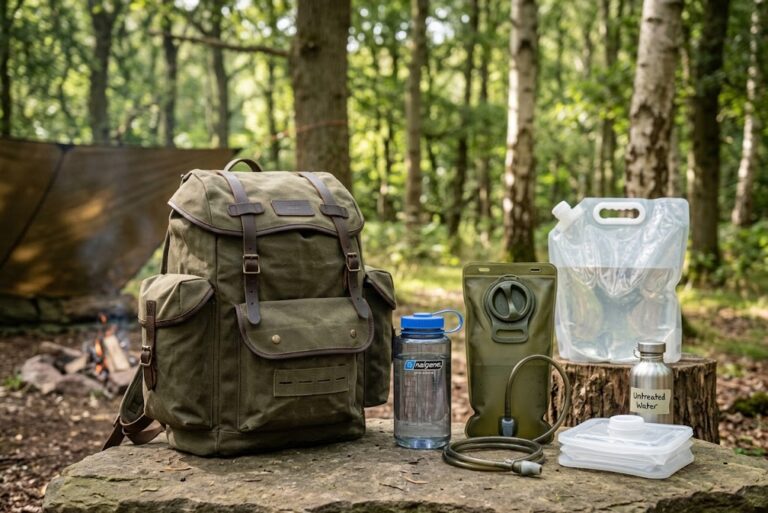
Use a container that is clean and suitable for holding water.
Before collecting water, check that it hasn’t previously been used for fuel, chemicals, cleaning products or other hazardous substances.
Don’t use an unknown container simply because it is available.
Wash Your Hands
Clean hands help prevent unnecessary contamination.
If washing facilities are available, wash your hands before handling the collection container or its opening.
Avoid touching the inside of the container or its lid.
Keep the Opening Clean
Try not to place the mouth of the container directly onto the ground, mud or rocks.
Don’t touch the inside of the container with your fingers.
Keep the lid somewhere clean while the container is being filled.
Don’t Stir Up the Source
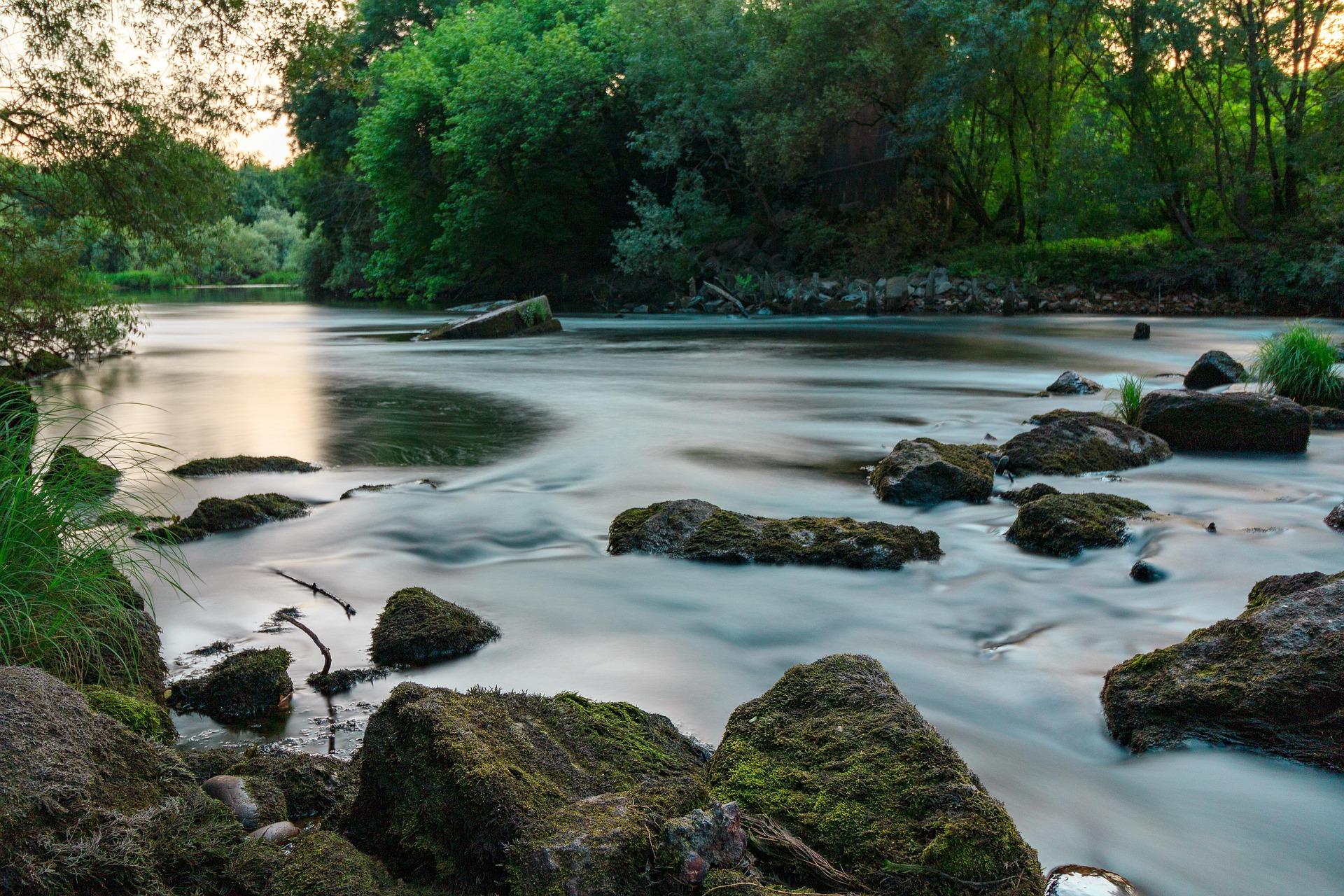
If collecting from a stream or other natural source, avoid disturbing the bottom.
Walking through the water immediately before collecting can stir up mud and sediment.
Approach carefully and collect from a suitable location without unnecessarily disturbing the source.
Avoid Floating Debris
Leaves, insects and other material can enter open water.
Choose the cleanest practical collection point and keep the container opening clear while filling it.
Visible debris doesn’t necessarily make water unsafe, but keeping it out makes subsequent treatment easier.
Keep Your Equipment Clean
Water collection equipment should be kept separate from dirty equipment where possible.
Don’t place a clean container on muddy ground and then use it to collect drinking water.
If using a tarp, bottle or other collection equipment, keep it as clean as reasonably possible.
Don’t Collect From Polluted Sources
Don’t collect water from a source that appears contaminated.
Warning signs might include:
Move away from obviously contaminated sources and follow your activity procedures.
Keep Untreated Water Separate
If you have several containers, clearly distinguish between untreated and treated water.
Don’t pour untreated water into a container holding treated drinking water.
This simple separation can prevent cross-contamination.
Keep the Container Covered
Once you’ve collected the water, put the lid back on.
A covered container helps keep out dirt, insects and other contaminants.
Don’t leave drinking water uncovered around camp.
Don’t Dip Dirty Items Into Drinking Water
Avoid putting cups, hands or other equipment directly into a container of collected water.
Pour the water out when possible.
This helps prevent contamination of the remaining supply.
Treat Water After Collection
Good collection practices don’t make natural water safe to drink by themselves.
Microorganisms and other contaminants may still be present even when the water looks perfectly clean.
If water is intended for drinking, follow the appropriate purification method for the situation.
Younger Scouts
Younger Scouts can learn three simple rules:
Clean container.
Clean hands.
Keep the water covered.
These habits are easy to remember and form the foundation of good water hygiene.
Older Scouts
Older Scouts can investigate how different collection methods affect water quality.
For example, they can compare water collected carefully from a source with water collected after disturbing the surrounding ground.
The exercise can demonstrate why good collection technique matters.
Leader Notes
Make sure Scouts understand that preventing contamination and purifying water are separate steps.
Good collection practices reduce contamination but don’t remove microorganisms that may already be present.
For group activities, consider how collection containers will be cleaned, transported, labelled and stored.
Safety
Never collect drinking water from a visibly polluted or contaminated source.
Don’t use containers that have held hazardous substances.
Avoid entering rivers or streams simply to collect water.
Keep untreated and treated water separate.
Follow the appropriate procedures for water treatment and purification before drinking.
Learning Outcomes
Scouts can learn to:
Final Thought for Scouts
Collecting water carefully is part of keeping water safe.
Clean equipment, clean hands and careful handling won’t make unsafe water safe—but they can prevent you from making a potentially usable water source dirtier.
🔒Ready to test your survival skills?
Join Survival Guides UK for free, complete challenges, earn badges and increase your Survival Level.
JOIN FREE →
CRAIG BURR
FOUNDER · SURVIVAL GUIDES UK
I'm Craig, the person behind Survival Guides UK. I created SGUK because I wanted somewhere people could learn real outdoor skills in a practical, straightforward way — from lighting a fire and tying knots to navigation, campcraft and everything in between.
You can read more about the story behind SGUK here as well as our approach here.