How to Judge Whether a Water Source Is Safe
Finding water outdoors does not automatically mean finding safe drinking water.
A stream can look clean but still contain harmful microorganisms. A lake can appear inviting while being affected by contamination that cannot be seen. Even a water source that you have used before can change after heavy rain, flooding, animal activity or human use.
Before collecting water, you should therefore assess the source itself.
The aim is not to prove that water is completely safe by looking at it. That is impossible. Instead, you are looking for warning signs that tell you whether a source is a sensible option, requires treatment or should be avoided.
What You’ll Learn
By the end of this lesson, you will understand:
- What to look for when assessing an outdoor water source
- Why clear water is not necessarily safe
- How the surrounding environment can provide clues
- How weather can affect water quality
- What signs should make you avoid a source
- Why treatment remains important even when a source looks clean
Equipment
For a practical assessment, you may use:
- A clean water container
- A map
- A water filter
- Water purification equipment
- A torch for examining a source in low light
You do not need specialist equipment to carry out the initial visual assessment.
Prerequisites
You should understand the basics of finding and collecting water outdoors.
You should also understand that water purification reduces risk but cannot necessarily make every contaminated source safe.
Start With the Surroundings
Before looking closely at the water, look around the source.
Ask yourself:
What is upstream?
What is happening around the water?
What could be entering the water?
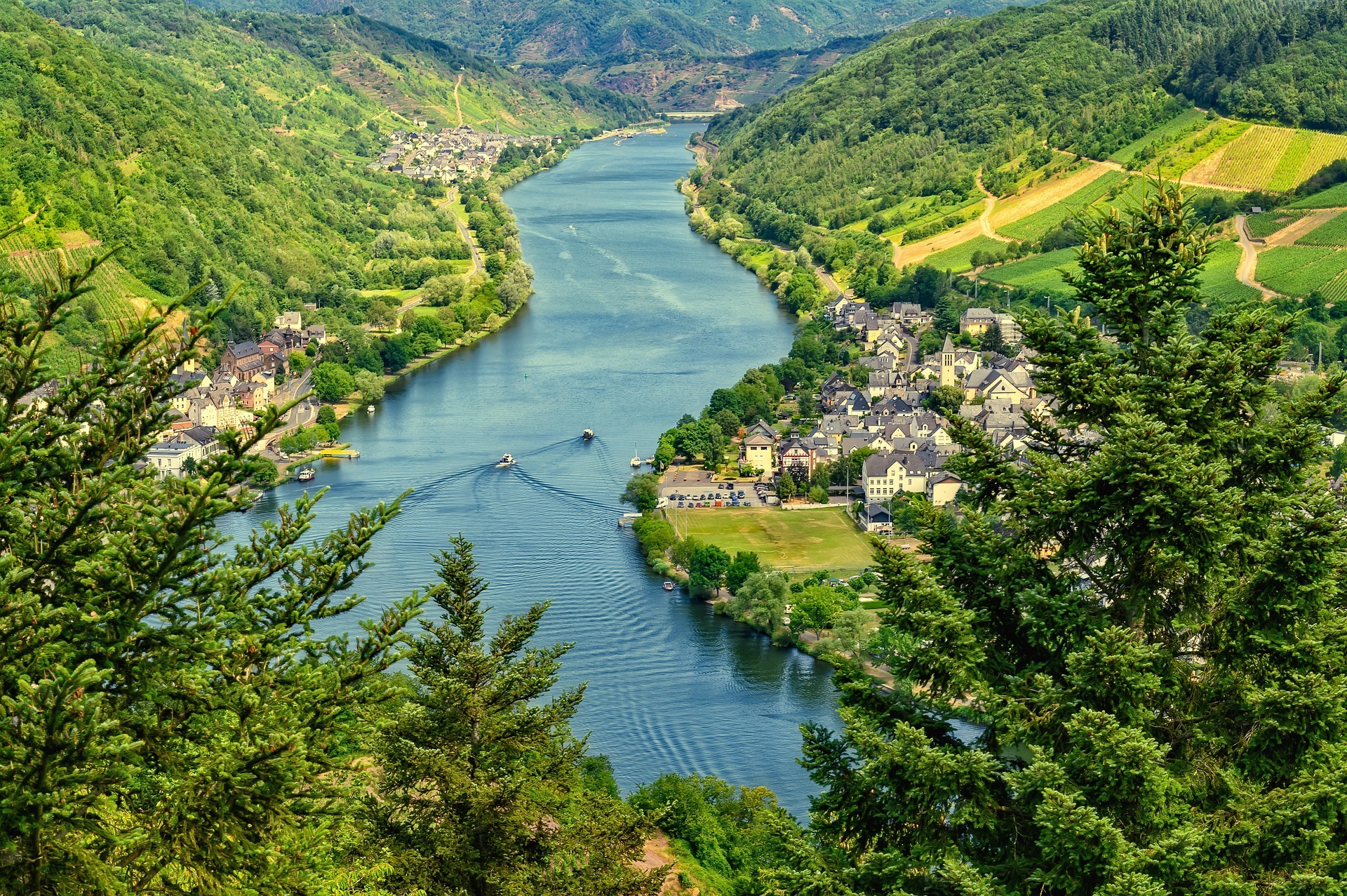
A stream flowing through an apparently remote area may still receive water from a much larger catchment.
Look for roads, farms, campsites, buildings, drains, industrial areas and other potential sources of contamination.
The surroundings can tell you more about the risks than the appearance of the water itself.
Look for Obvious Contamination
Do not collect water if you can see obvious signs of contamination.
Warning signs can include:
- An oily film
- Unusual colours
- Strong or unusual smells
- Floating rubbish
- Dead animals
- Large amounts of animal waste
- Sewage or wastewater
- Chemical containers or other signs of pollution
If you see something that suggests chemical contamination, do not assume that boiling, filtering or purification tablets will solve the problem.
Different treatment methods deal with different contaminants.
If another source is available, choose it instead.
Consider Animal Activity
Animals can contaminate water.
Look for evidence of livestock or large numbers of wild animals regularly using the area around the source.
This might include:
- Footprints
- Droppings
- Trampled vegetation
- Grazing animals
- Animal tracks leading directly to the water
- Areas where animals regularly enter or drink
Animal activity does not automatically mean that a water source is unusable, but it is an important reason to treat the water before drinking it.
Consider Human Activity
People can also introduce contamination.
Be particularly cautious around water sources close to:
- Popular campsites
- Busy walking routes
- Roads
- Picnic areas
- Toilets
- Agricultural areas
- Settlements
- Industrial or commercial sites
A remote-looking section of a river does not necessarily mean the water has come from a remote area.
Water can travel considerable distances.
Look at the Water Itself
Now examine the water.
Look for:
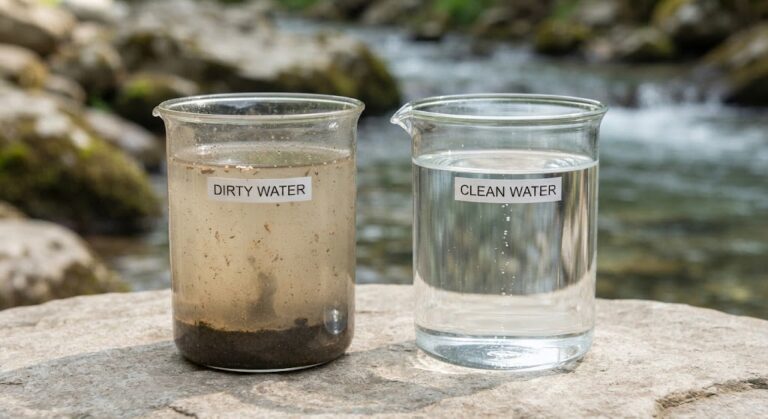
- Cloudiness
- Suspended particles
- Unusual colour
- Surface films
- Foam
- Floating debris
- Unusual odours
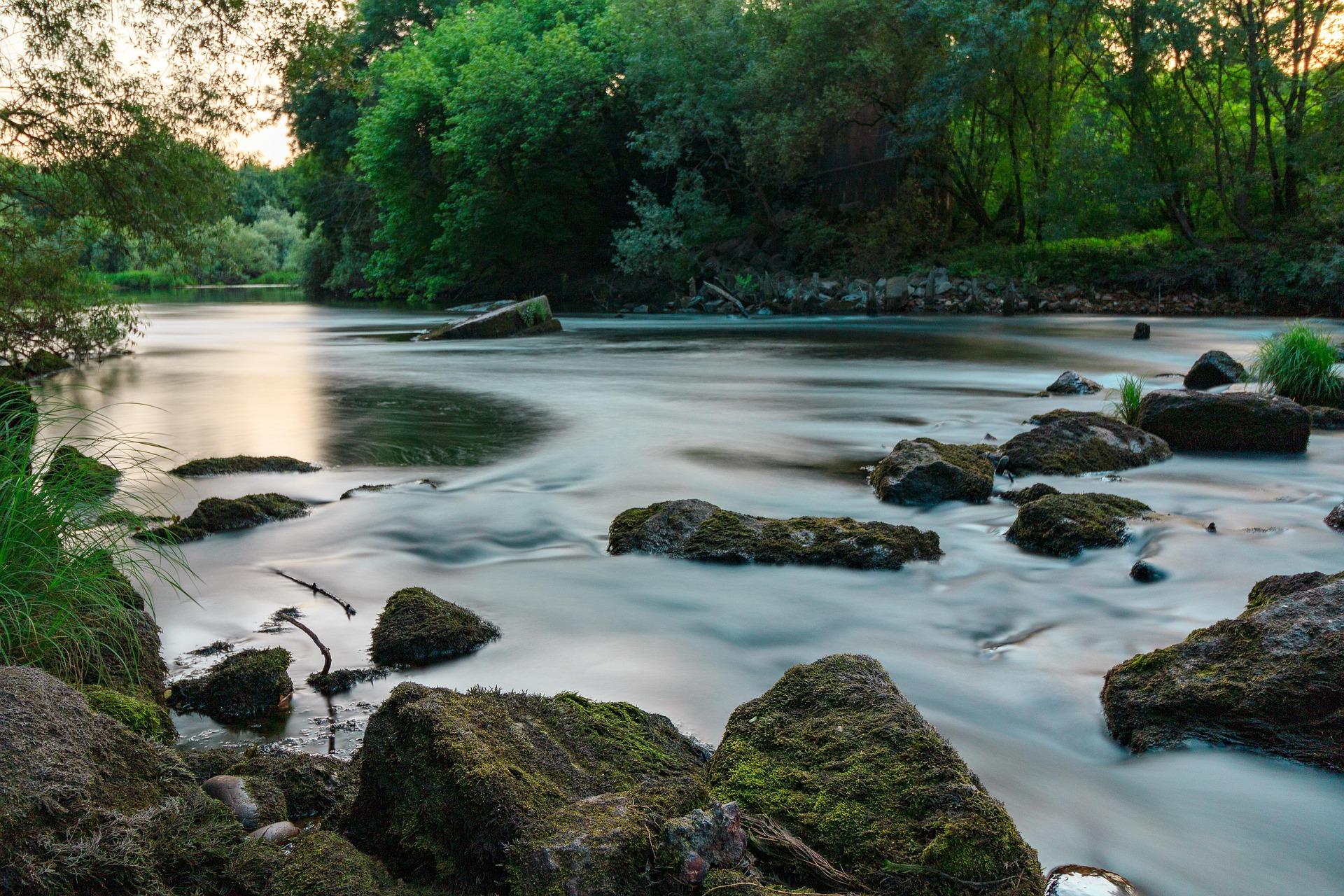
Clear water is preferable to obviously muddy or polluted water, but remember:
Clear does not mean safe.
Many microorganisms cannot be seen with the naked eye.
A perfectly clear stream can still contain microorganisms capable of causing illness.
Think About the Flow
Flowing water can sometimes be preferable to stagnant water, but flow alone does not determine safety.
A fast-flowing stream may still be contaminated upstream.
Likewise, a slow-moving section of a river is not necessarily contaminated simply because the water is moving slowly.
Use the flow of the water as one piece of information, not as your entire assessment.
Consider Recent Weather
Weather can dramatically change a water source.
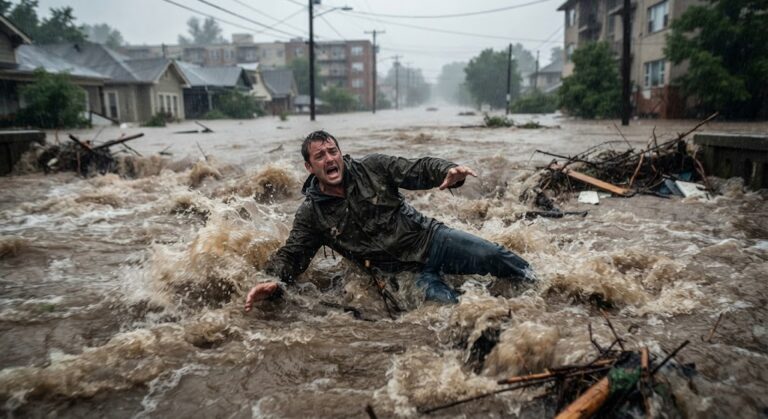
Heavy rainfall can wash material from surrounding land into streams and rivers.
Flooding can also introduce contaminants from areas that would normally be separated from the water.
After heavy rain, a normally clear stream may become muddy and carry additional material downstream.
This means a water source that appeared suitable yesterday may be considerably different today.
When assessing water, think about what has happened recently, not just what you can see right now.
Check the Water Level
Changes in water level can provide useful information.
Very low water levels can mean that a source is becoming stagnant or that there is less clean water available.
Very high levels can indicate recent rainfall, flooding or increased runoff.
Neither condition automatically makes water unsafe, but both should make you pay closer attention to the surrounding circumstances.
Compare Different Sources
If you have several possible water sources, do not automatically choose the first one you find.
Compare them.
For example:
Source A
- Clear
- Fast flowing
- Upstream of obvious human activity
- No visible contamination
Source B
- Cloudy
- Slow moving
- Near livestock
- Recent heavy rain
Source A may present fewer obvious risks.
However, even the better-looking source should still be treated appropriately before drinking.
The purpose of comparing sources is to reduce the risk before treatment, not to replace treatment.
Don’t Trust Your Senses Alone
One of the biggest mistakes people make is assuming that their senses can identify safe drinking water.
You can see dirt.
You can smell some pollutants.
You can sometimes see an oily film.
But you cannot see bacteria, viruses or many parasites.
You also cannot reliably taste whether water is microbiologically safe.
Never deliberately taste questionable water to decide whether it is safe.
When Should You Walk Away?
Sometimes the correct decision is simply:
Don’t collect it.
Look for another source if you see obvious signs of contamination or if you have good reason to believe the water may contain harmful pollutants that your available treatment cannot address.
This is especially important when you have another viable source available.
Remember:
The best water to treat is water that was reasonably clean to begin with.
What About a Water Source You Know?
Familiarity should not replace assessment.
A stream that you have safely used before can change.
The surrounding land may have changed. Heavy rain may have occurred. Animals may have accessed the water. Pollution may have entered the catchment.
Every time you collect water, consider the current conditions.
Practical Assessment Exercise
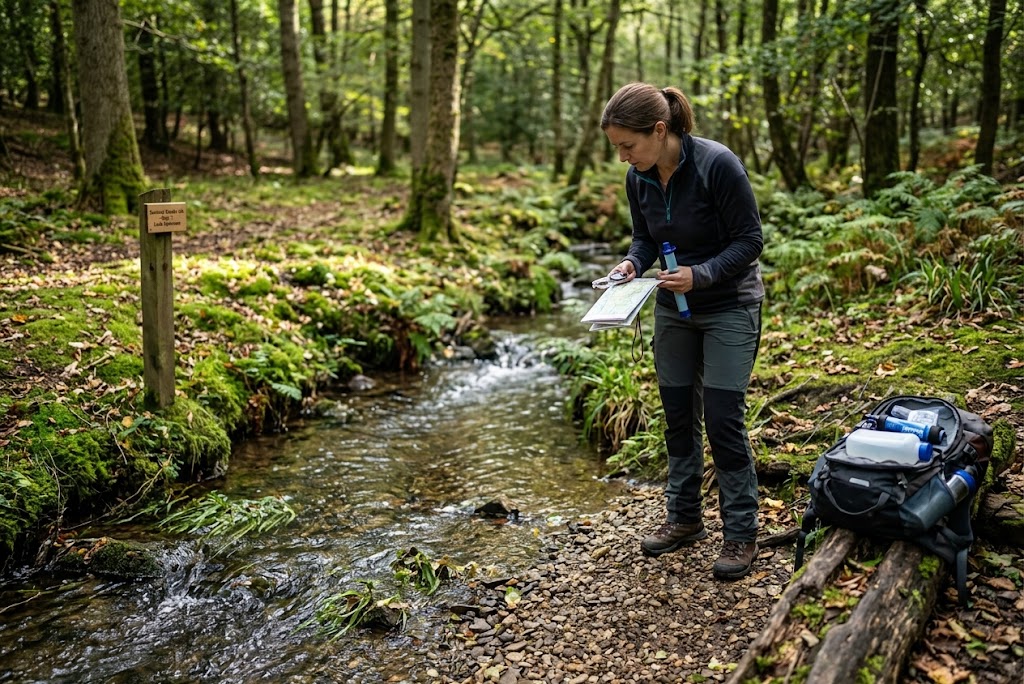
Next time you are outdoors, choose a water source without collecting or drinking from it.
Stand back and assess it systematically.
1. Look upstream
What could be entering the water?
2. Look around the source
Are there animals, people, roads, farms or other potential contamination sources?
3. Look at the water
Is it clear? Cloudy? Unusual in colour? Is there anything floating on it?
4. Consider the weather
Has there been heavy rain or flooding recently?
5. Compare alternatives
Is there another source nearby that appears less exposed to contamination?
6. Decide
Would you:
- Avoid the source?
- Collect and treat the water?
- Look for another source?
Then explain why you made that decision.
The aim is to develop the habit of assessing water rather than automatically collecting from the nearest source.
Final Tip
Don’t ask, “Does this water look safe?”
Ask:
“What could have contaminated this water, and how will I reduce the risk?”
That change in thinking is an important step towards becoming confident at managing water outdoors.
🔒Ready to test your survival skills?
Join Survival Guides UK for free, complete challenges, earn badges and increase your Survival Level.
JOIN FREE →
CRAIG BURR
FOUNDER · SURVIVAL GUIDES UK
I'm Craig, the person behind Survival Guides UK. I created SGUK because I wanted somewhere people could learn real outdoor skills in a practical, straightforward way — from lighting a fire and tying knots to navigation, campcraft and everything in between.
You can read more about the story behind SGUK here as well as our approach here.