What to Do If Someone Gets Hypothermia
⚠️ SAFETY FIRST
Hypothermia is a medical emergency.
If you think someone has hypothermia, call 999 or 112 for emergency help and begin appropriate first aid while you wait. Hypothermia occurs when the body’s core temperature falls below 35°C and can become life-threatening.
What Should You Do If Someone Gets Hypothermia?
Hypothermia is one of the most important cold-weather emergencies for anyone spending time outdoors to understand.
It can happen during:
Importantly, hypothermia doesn’t require freezing temperatures.
Someone can become dangerously cold when the weather is wet, windy or relatively mild, particularly if they are wearing wet clothing or have been exposed to the elements for a long time. (nhs.uk)
The good news is that recognising the warning signs early can make a huge difference.
What Is Hypothermia?
Hypothermia happens when the body loses heat faster than it can replace it.
A normal body temperature is around 37°C.
Hypothermia occurs when the body’s temperature falls below 35°C.
The body initially tries to protect itself by shivering.
As hypothermia becomes more serious, however, the person can become confused, drowsy and increasingly unresponsive.
This is why confusion in someone who is cold should never be ignored.
What Are the Signs of Hypothermia?
Look out for:
Someone with severe hypothermia may eventually stop shivering and become unconscious.
🚨 IMPORTANT
Don’t assume that someone is okay just because they’ve stopped shivering.
Shivering is one of the body’s attempts to generate heat. As hypothermia becomes more severe, the person’s condition can deteriorate and they may become less responsive.
1. Make Sure It’s Safe to Help
Before approaching the person, consider the environment.
Are you:
Don’t become a second casualty.
If the area isn’t safe, move to a safer location or call for help.
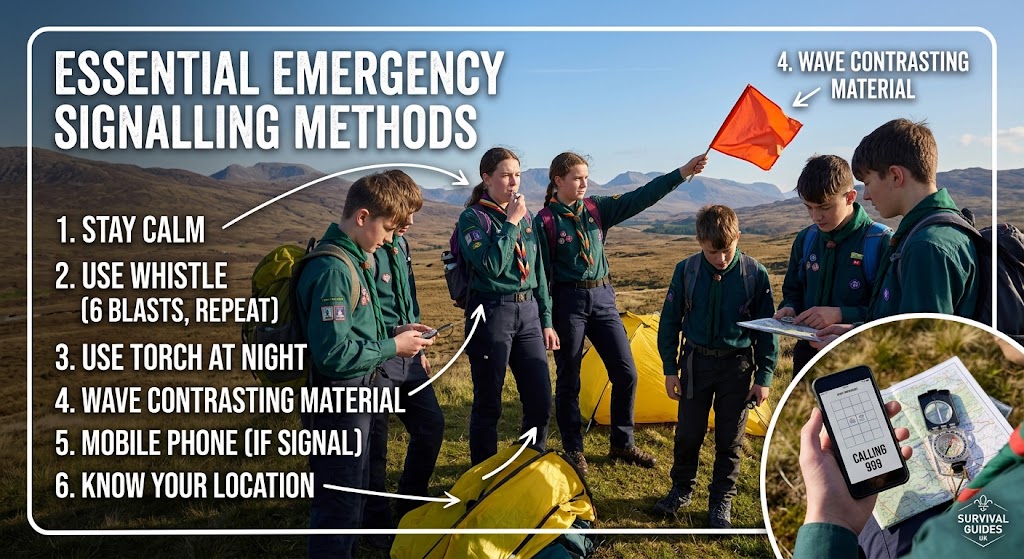
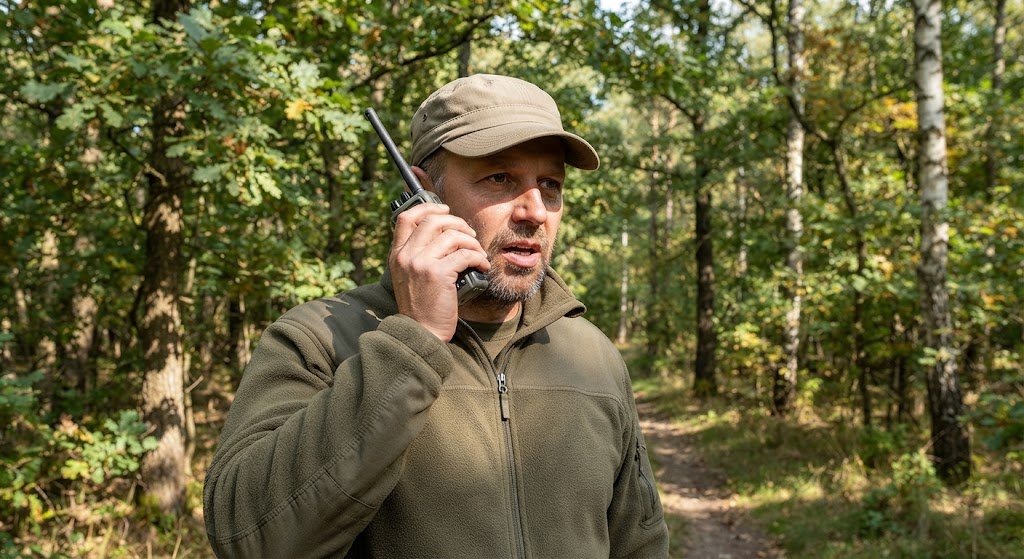
2. Call 999 or 112
If you suspect hypothermia, get emergency medical help.
Tell the emergency operator:
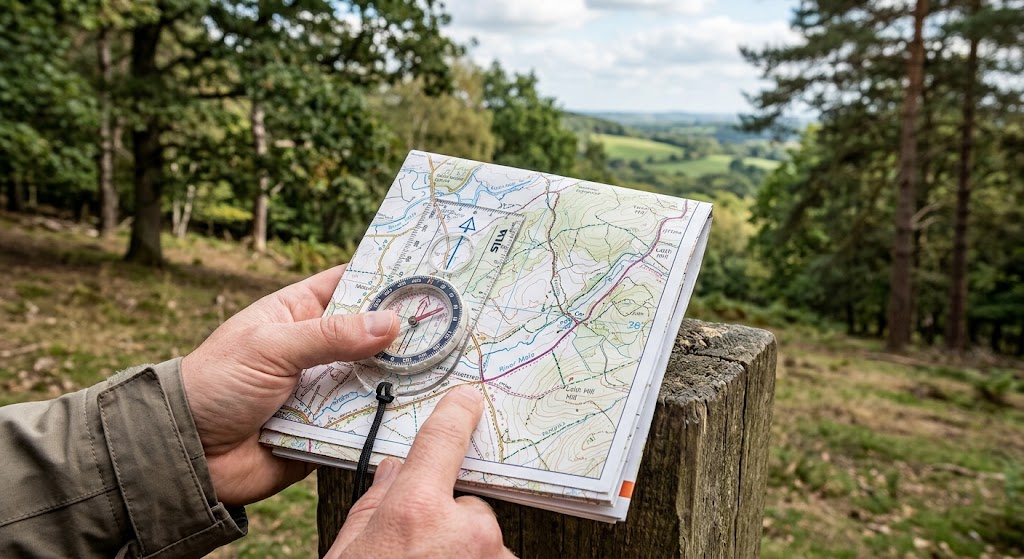
If you’re outdoors, give as precise a location as possible.
A grid reference, accurate GPS location or clear landmark can help emergency services find you.
Hypothermia requires hospital treatment, particularly when symptoms are significant.
3. Move Them Somewhere Sheltered
Get the person out of the cold if you can do so safely.
This might mean moving them into:
The goal is to stop further heat loss.
If you’re on a hike, getting out of wind and rain can make a major difference.
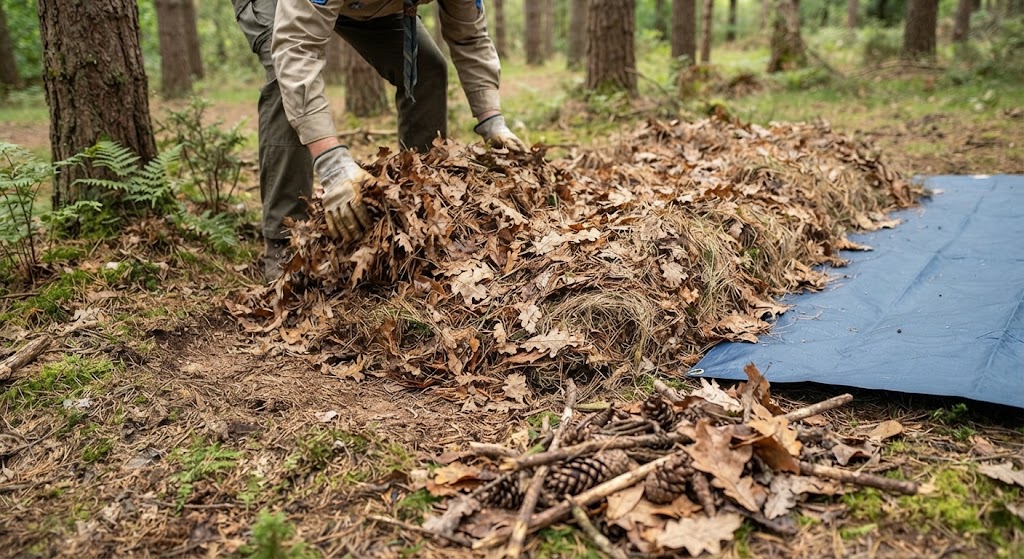
4. Remove Wet Clothing
Wet clothing can rapidly increase heat loss.
If possible, carefully remove wet clothing and replace it with dry clothing.
Wrap the person in:
Cover their head as well. The NHS specifically recommends removing wet clothing and wrapping the person in dry insulation while waiting for medical help.
🏕️ OUTDOOR TIP
If you’re going outdoors in cold or wet conditions, spare dry clothing can be a life-saving piece of equipment.
A dry base layer, socks and hat can be far more valuable than they initially appear.
5. Keep Them Warm — But Gently
The aim is to prevent further heat loss and gradually warm the person.
Use dry insulation and shelter.
You can also use body heat appropriately in some circumstances, but avoid aggressive attempts to rapidly heat someone.
Do not use:
These can cause problems and may make the situation worse.
6. Don’t Rub Their Arms or Legs
You may instinctively want to massage someone’s hands or legs because they’re cold.
Don’t.
The NHS advises against rubbing the arms, legs, hands or feet of someone with hypothermia.
Focus instead on:
Shelter.
Dry clothing.
Insulation.
Gentle warming.
Medical help.
7. Give a Warm Drink — Only If They’re Fully Awake
If the person is fully awake and able to swallow safely, the NHS advises that you can give them a warm, non-alcoholic drink and some sugary food.
Good options might include:
But don’t force anything into the mouth of someone who is confused, drowsy or unconscious.
☕ IMPORTANT
Warm drinks are not a substitute for medical treatment.
Only give a drink if the person is fully awake and able to swallow safely.
Never give alcohol.
8. Keep Talking to Them
The NHS recommends keeping someone with hypothermia awake by talking to them while waiting for help.
Talk calmly.
Ask simple questions.
For example:
“Can you tell me your name?”
“Are you feeling okay?”
“Can you hear me?”
This also gives you a way to monitor whether their level of responsiveness is changing.
9. Stay With Them
Don’t leave someone with suspected hypothermia alone.
Continue monitoring:
If their condition deteriorates, update emergency services.
What If They Become Unconscious?
If the person becomes unresponsive, check whether they are breathing normally.
If they are unresponsive but breathing normally, place them in the recovery position if it is safe to do so and continue monitoring them.
If they are not breathing normally, call 999 or 112 and begin CPR, following the emergency operator’s instructions.
What NOT to Do
❌ Don’t give them alcohol
Alcohol can make the situation worse.
❌ Don’t put them in a hot bath
Sudden or excessive heating isn’t recommended.
❌ Don’t rub their limbs
This can cause harm.
❌ Don’t use intense direct heat
Avoid heat lamps and very hot water bottles or similar methods.
❌ Don’t make them walk around to “warm up”
If they’re significantly affected by cold, they need shelter and appropriate warming, not additional exertion.
❌ Don’t leave them alone
Stay with them and monitor their condition.
Hypothermia on a Hike
Hypothermia can develop surprisingly quickly during outdoor activities.
Imagine a Scout group hiking in autumn.
It starts raining.
One Scout has forgotten their waterproof jacket.
They become increasingly cold and wet.
At first, they’re simply uncomfortable.
Then they start shivering.
Later, they become quiet and begin struggling to speak clearly.
This is the point where a leader should be taking the situation seriously.
Don’t wait until someone collapses.
Recognising the early signs allows you to act before the condition becomes more severe.
Wet Clothing Can Be Dangerous
Water conducts heat away from the body much more efficiently than air.
That’s why getting wet can make someone dangerously cold even when the air temperature doesn’t seem particularly low.
This is particularly important in the UK, where outdoor activities can involve:
A waterproof layer and spare dry clothing can therefore be important parts of a Scout’s outdoor kit.
🌧️ REMEMBER
Cold + wet + wind + time = increasing risk of hypothermia.
If someone is becoming cold, deal with the problem early rather than waiting for them to become seriously ill.
What About Children and Young People?
Young people can become cold during outdoor activities without necessarily telling an adult.
They might be:
Leaders should therefore watch the group rather than relying entirely on people to report that they’re cold.
Look for changes in behaviour.
Someone who was energetic ten minutes ago but is now unusually quiet, slow or confused may need attention.
A Simple Hypothermia Reminder
For Scouts, you could teach:
S — Shelter
Get out of wind, rain and cold.
D — Dry
Remove wet clothing and replace it with dry layers.
W — Warm
Insulate and gently warm the person.
C — Call
Get emergency medical help.
M — Monitor
Stay with them and watch their condition.
Prevention Is Better Than Treatment
The best way to deal with hypothermia is to prevent it.
Before an outdoor activity, think about:
Clothing
Use appropriate layers and waterproof outer clothing.
Spare clothes
Carry dry socks and spare layers where appropriate.
Shelter
Know where you can get out of the weather.
Food
Adequate food provides energy for activity.
Weather
Check the forecast and understand how conditions may change.
Activity level
Don’t underestimate the effect of cold, wet and windy conditions.
Group monitoring
Keep an eye on people who are becoming cold or tired.
The Importance of Layering
A good outdoor clothing system generally consists of layers that can be adjusted as conditions change.
For example:
Base layer — helps manage moisture.
Insulating layer — helps retain warmth.
Outer layer — protects against wind and rain.
The exact clothing required depends on the activity and conditions.
The important lesson for Scouts is:
Don’t wait until you’re freezing before deciding you need another layer.
Hypothermia and Cold Water
Cold water can cause rapid heat loss.
If someone has fallen into cold water, getting them out safely is the first priority.
Once they’re out:
Cold-water incidents can involve other serious risks as well, so emergency medical assessment may be necessary even when the person initially appears okay.
A Good Scout Leader’s Approach
When someone is becoming dangerously cold:
Stop the activity.
Get them sheltered.
Get them dry.
Keep them insulated.
Call for medical help when appropriate.
Monitor them.
Don’t let the desire to complete the hike or activity override the person’s safety.
Turning back because someone is becoming dangerously cold isn’t failure.
It’s good leadership.
⚜️ SCOUT LEADER TIP
Build cold-weather decisions into the activity before you leave.
Ask:
Where can we shelter?
What if someone gets wet?
What spare clothing do we have?
When would we turn back?
How would we get emergency help?
Final Thoughts
Hypothermia can become serious quickly, particularly when someone is wet, exposed to wind or unable to get warm.
If you suspect someone has hypothermia:
Get them somewhere sheltered.
Remove wet clothing.
Wrap them in dry insulation.
Call 999 or 112.
Keep them awake and monitored if possible.
Give a warm non-alcoholic drink only if they’re fully awake and able to swallow safely.
And remember what not to do:
No alcohol.
No hot bath.
No intense direct heat.
No rubbing their limbs.
🥶 THE BIG IDEA
Don’t wait for someone to become severely cold before acting.
Shelter them.
Get them dry.
Insulate them.
Get help.
Keep watching them.
🔗 Useful Further Reading
- NHS: Hypothermia — symptoms, emergency advice and what to do while waiting for help.
- St John Ambulance: First Aid Advice — further UK first-aid guidance.
- NHS: First Aid — general emergency first-aid guidance.
🔒Ready to test your survival skills?
Join Survival Guides UK for free, complete challenges, earn badges and increase your Survival Level.
JOIN FREE →
CRAIG BURR
FOUNDER · SURVIVAL GUIDES UK
I'm Craig, the person behind Survival Guides UK. I created SGUK because I wanted somewhere people could learn real outdoor skills in a practical, straightforward way — from lighting a fire and tying knots to navigation, campcraft and everything in between.
You can read more about the story behind SGUK here as well as our approach here.