25 Outdoor Skills Worth Learning
There are hundreds of different skills you can learn outdoors but you don’t need to master all of them to become much more capable outside. In fact, learning a handful of practical skills and gradually building on them is often far more useful than trying to learn everything at once.
Some skills are immediately useful on a walk or camping trip, while others are simply enjoyable to practise. The list below covers a mixture of navigation, campcraft, bushcraft and general outdoor skills, giving you plenty of places to start.
1. Map Reading
Being able to read a map changes the way you see the landscape around you. Instead of simply following a marked route, you can understand what the contours, paths, rivers, woods and other features are telling you about the ground ahead.
Start by learning the basic symbols and scale, then practise matching what you see on the map with what you can see around you. Once that becomes familiar, you’ll find maps much easier to use when planning and following routes.
2. Using a Compass
A compass is one of the simplest pieces of navigation equipment you can carry, but it becomes much more useful once you understand how to use it properly. Learn how to take a bearing, follow a bearing, orientate a map and take a back bearing, then practise these skills somewhere familiar before relying on them somewhere difficult.
You don’t need to be heading into remote mountains to benefit from compass skills. Even on a local walk, they give you another way of checking where you are and which direction you should be travelling.
3. Understanding Contours
Contour lines can look confusing at first, but they provide a remarkably useful picture of the shape of the land. Once you understand them, you can identify hills, valleys, ridges, slopes and steep ground before you reach them.
This is particularly useful when planning a route because a line on a map doesn’t tell you how hard a section will feel. Contours can.
4. Fire Lighting
Learning to light a fire teaches several skills at once: choosing suitable fuel, preparing tinder and kindling, protecting a flame from the weather and gradually building it into a useful fire.
Start with safe, controlled practice and learn how different materials behave rather than simply trying to produce the biggest flame possible. A good fire is one you can build deliberately and manage properly.
5. Cooking Outdoors
Cooking outside is more than putting a pan over a flame. You’ll learn how to manage heat, choose suitable fuel, prepare food with limited equipment and keep your cooking area organised.
Try simple meals first. Once you’re comfortable cooking something successfully, start experimenting with different methods such as a stove, grill or campfire where appropriate.
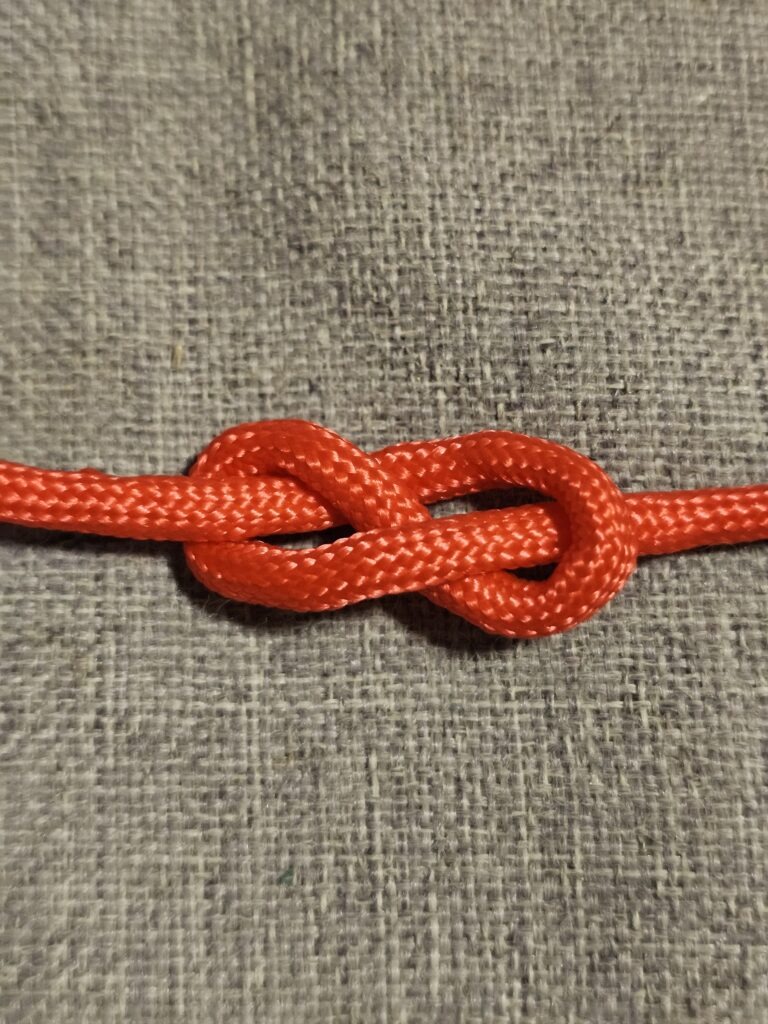
6. Tying Knots
A small collection of useful knots can solve an impressive number of outdoor problems. Learn a few properly rather than trying to memorise dozens without understanding what they are for.
Knots such as the bowline, clove hitch, round turn and two half hitches and taut-line hitch all have practical uses around camp, but the real skill is knowing which knot suits the job.
7. Making Cordage
Making cordage from natural fibres gives you a completely different appreciation for rope. Plants such as nettles contain long fibres that can be separated, prepared and twisted together to make useful cord.
It takes patience to produce good cordage, but that’s part of the appeal. You’re turning a raw material into something functional using a process that requires very little equipment.
8. Building a Shelter
Knowing how to create a basic shelter is a useful way to understand warmth, weather protection and site selection. Even if you normally carry a tent, practising with tarps or natural materials helps you think about wind direction, drainage, insulation and the space you actually need.
Start with simple shelters and concentrate on making them dry, stable and comfortable rather than complicated.
9. Packing a Rucksack
A well-packed rucksack can make a surprisingly big difference to a day outdoors. Heavy items should generally be positioned sensibly, frequently used equipment needs to be accessible and things that need to stay dry should be protected.
There is also a skill in deciding what not to carry. The aim isn’t to remove everything until your bag is empty, but to carry what you genuinely need without filling it with unnecessary weight.
10. Reading the Weather
You don’t need to become a meteorologist to become better at reading the weather. Learn to recognise changing cloud, approaching rain, increasing wind and changes in temperature, and combine what you observe with a proper forecast before setting out.
The ability to notice that conditions are changing while you’re already outside is particularly valuable because it gives you time to change your plans before the weather becomes a problem.
11. Water Finding and Treatment
Knowing where water might be found outdoors and understanding how it needs to be treated before drinking are useful skills, particularly on longer trips.
Learn about likely water sources, contamination and the different ways water can be made safer. The important lesson is that clear-looking water isn’t necessarily safe to drink.
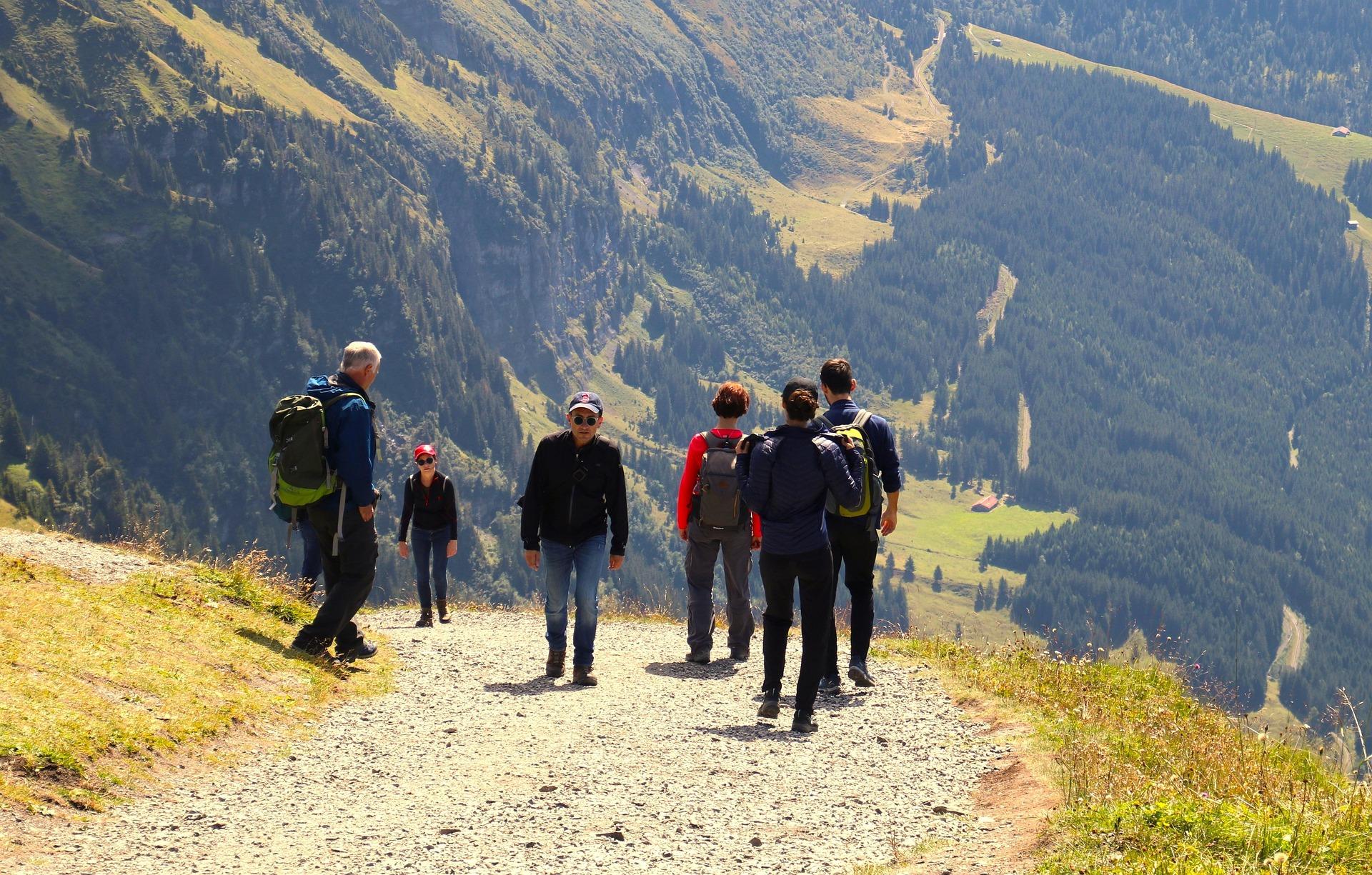
12. Walking at a Steady Pace
Walking efficiently is a skill in its own right. Starting too quickly can leave you exhausted later, while constantly stopping and starting can make a walk feel harder than it needs to.
Practise finding a pace you can maintain comfortably over different terrain. As you become more experienced, you’ll get better at judging how quickly you can travel without unnecessarily using up your energy.
13. Route Planning
A good route isn’t simply the shortest line between two points. Think about the terrain, distance, elevation, weather, daylight, water, escape routes and how long different sections are likely to take.
Planning a route before you leave also makes it easier to recognise when something isn’t going according to plan once you’re outside.
14. Estimating Distance
Being able to make a rough estimate of distance is useful when navigating and planning walks. You can use pacing, timing, map scale and known distances to develop a better feel for how far you’ve travelled.
You won’t always get it exactly right, but regular practice makes your estimates considerably more useful.
15. Taking a Bearing
Taking a bearing gives you a precise direction to travel towards a chosen point. It becomes particularly useful when there are few obvious landmarks or when visibility is poor.
Practise taking bearings between obvious features first, then try using them as part of short navigation exercises.
16. Finding Direction Without a Compass
There are times when you may not have a compass available. Understanding how the Sun, shadows and stars can provide broad directional clues is therefore worth learning.
These methods aren’t a replacement for proper navigation equipment, but they are interesting skills that help you understand how natural navigation works.
17. First Aid
Outdoor first aid is worth learning even if you normally stay close to civilisation. Small injuries such as cuts, blisters, burns and sprains can quickly become more inconvenient when you’re away from home.
A proper first-aid course is the best way to develop this skill because you can practise techniques rather than simply reading about them.
18. Reading the Landscape
The landscape contains clues about what has happened and what is likely to happen next. Learn to notice changes in vegetation, animal tracks, water movement, exposed ground, paths and other features.
The more attention you pay, the more information you begin to pick up without consciously looking for it.
19. Identifying Trees and Plants
Being able to recognise common trees and plants makes almost any walk more interesting. Start with species you’re likely to encounter regularly and learn to use several features rather than relying on one leaf or one visual characteristic.
Identification also helps you understand the environment you’re walking through rather than seeing it simply as background scenery.
20. Reading Animal Signs
You don’t need to see an animal to know it has been there. Tracks, droppings, feeding signs, fur, feathers and disturbed vegetation can all provide clues.
Learning to distinguish fresh signs from older ones makes this even more interesting and encourages you to slow down and look closely at the ground around you.
21. Using a Knife Safely
A knife can be a useful outdoor tool for tasks such as preparing wood, making feather sticks and working with cordage, but using one well requires control rather than force.
Learn the correct grip and cutting techniques, understand where the blade could travel if it slips and always work within the rules that apply to the land and activity you’re taking part in.
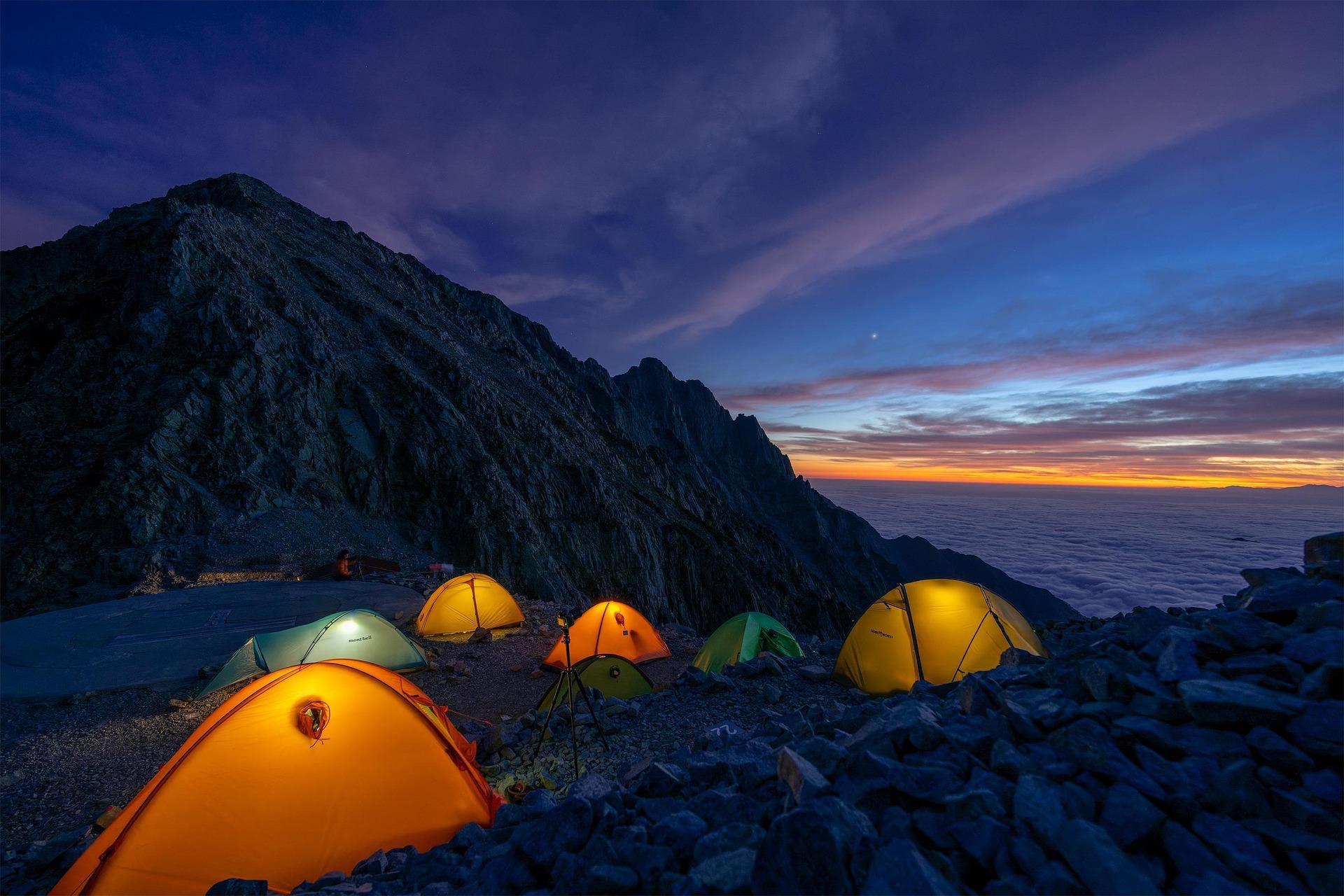
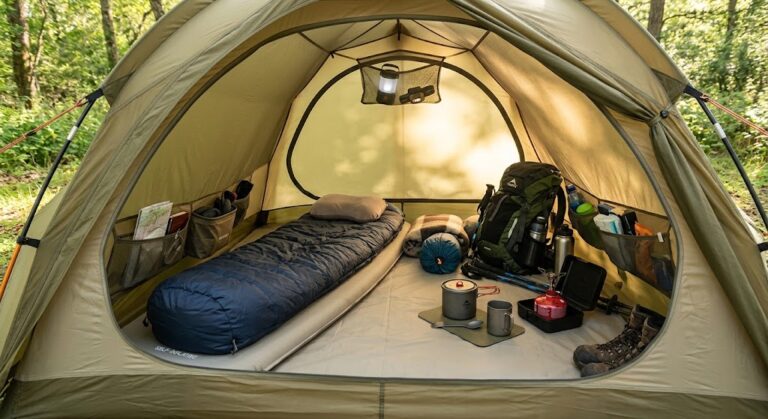
22. Campcraft
Campcraft covers the collection of small skills that make time outdoors easier and more comfortable. Setting up camp efficiently, organising equipment, managing wet gear, choosing where to put things and keeping a cooking area tidy all fall into this category.
These aren’t glamorous skills, but they make a noticeable difference once you’re spending several hours or days outside.
23. Leave No Trace Skills
Knowing how to enjoy the outdoors without unnecessarily damaging it is just as important as knowing how to navigate through it.
Learn how to deal with rubbish, minimise disturbance, respect wildlife, choose suitable places to stop and leave natural areas looking much as you found them. Good outdoor skills aren’t just about what you can do; they’re also about knowing when to leave something alone.
24. Staying Calm When Things Go Wrong
Outdoor problems rarely become easier when you panic. If you’ve taken a wrong turn, lost an item, damaged some equipment or realised that your plans need to change, stopping for a moment and thinking clearly can prevent a small problem becoming a much bigger one.
Practise getting into the habit of stopping, looking at what has actually happened and deciding what your options are before acting.
25. Knowing When to Turn Around
One of the most useful outdoor skills is knowing when continuing isn’t the sensible option.
Weather can deteriorate, daylight can disappear faster than expected, someone in the group can struggle or a route can take longer than planned. Turning around isn’t necessarily a failure. Sometimes it is simply the decision that gets everyone home safely.
The more experience you gain outdoors, the better you’ll become at recognising when a plan needs to change.
Start With a Few Skills
You don’t need to work through all 25 at once. Pick two or three that interest you and practise them regularly. Once you’re comfortable with those, add another couple.
Try to practise skills in realistic situations rather than only learning them from a page. Read about map reading, then take a map outside. Learn a knot, then use it to solve an actual problem. Practise fire lighting until you understand how tinder, kindling and fuel work together.
Outdoor skills become useful when they move from something you know about to something you can actually do.
Keep Building Your Outdoor Skills
There is always another skill to learn outdoors. Once you’ve become comfortable with the basics, you’ll start noticing connections between them. Navigation helps with route planning, weather affects shelter and clothing, fire lighting connects with wood selection, and campcraft brings many smaller skills together.
That’s what makes outdoor skills so enjoyable. You never really finish learning them; you simply become more capable each time you go outside.
🔒Ready to test your survival skills?
Join Survival Guides UK for free, complete challenges, earn badges and increase your Survival Level.
JOIN FREE →
CRAIG BURR
FOUNDER · SURVIVAL GUIDES UK
I'm Craig, the person behind Survival Guides UK. I created SGUK because I wanted somewhere people could learn real outdoor skills in a practical, straightforward way — from lighting a fire and tying knots to navigation, campcraft and everything in between.
You can read more about the story behind SGUK here as well as our approach here.