10 Fire Safety Rules Every Child Should Know
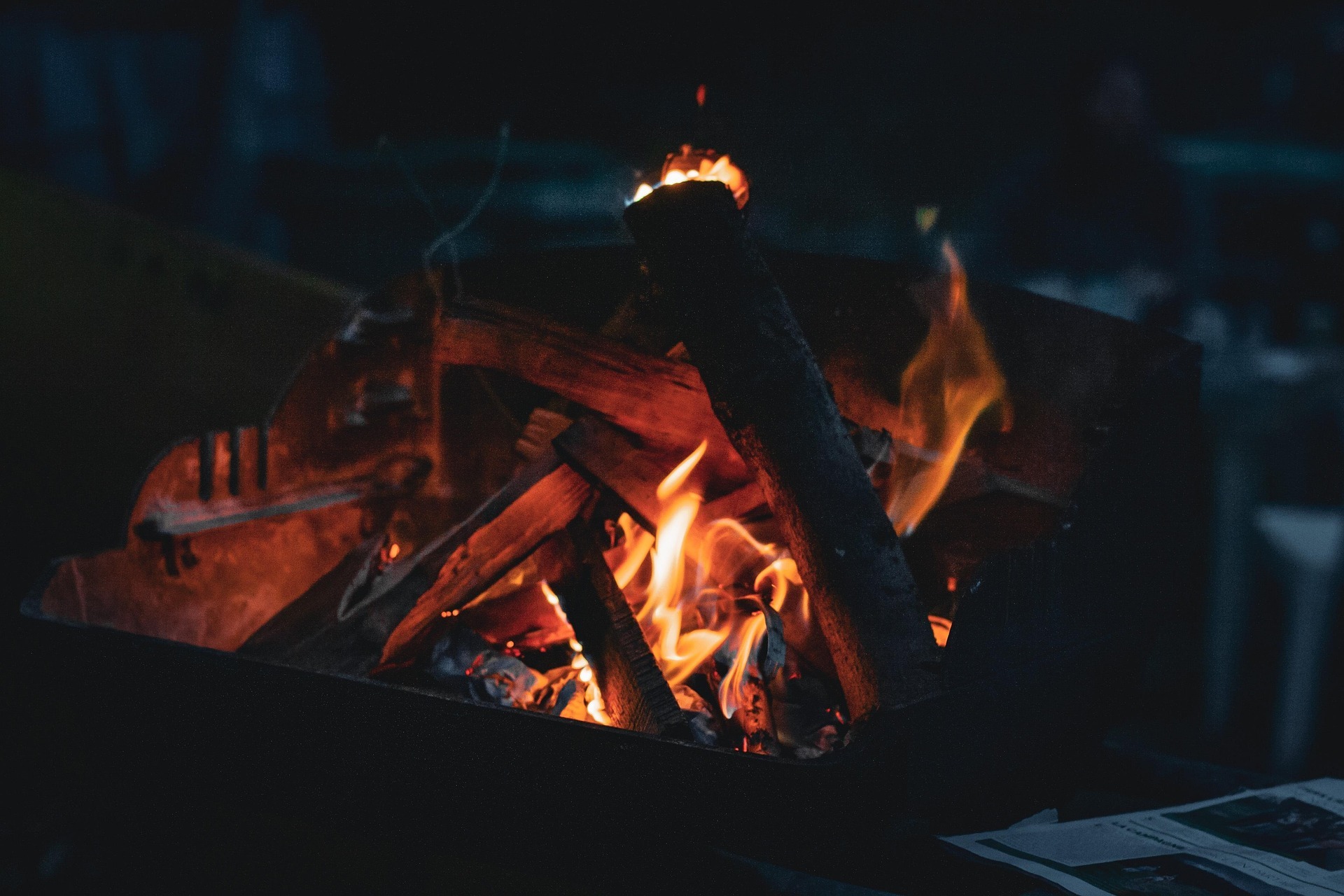
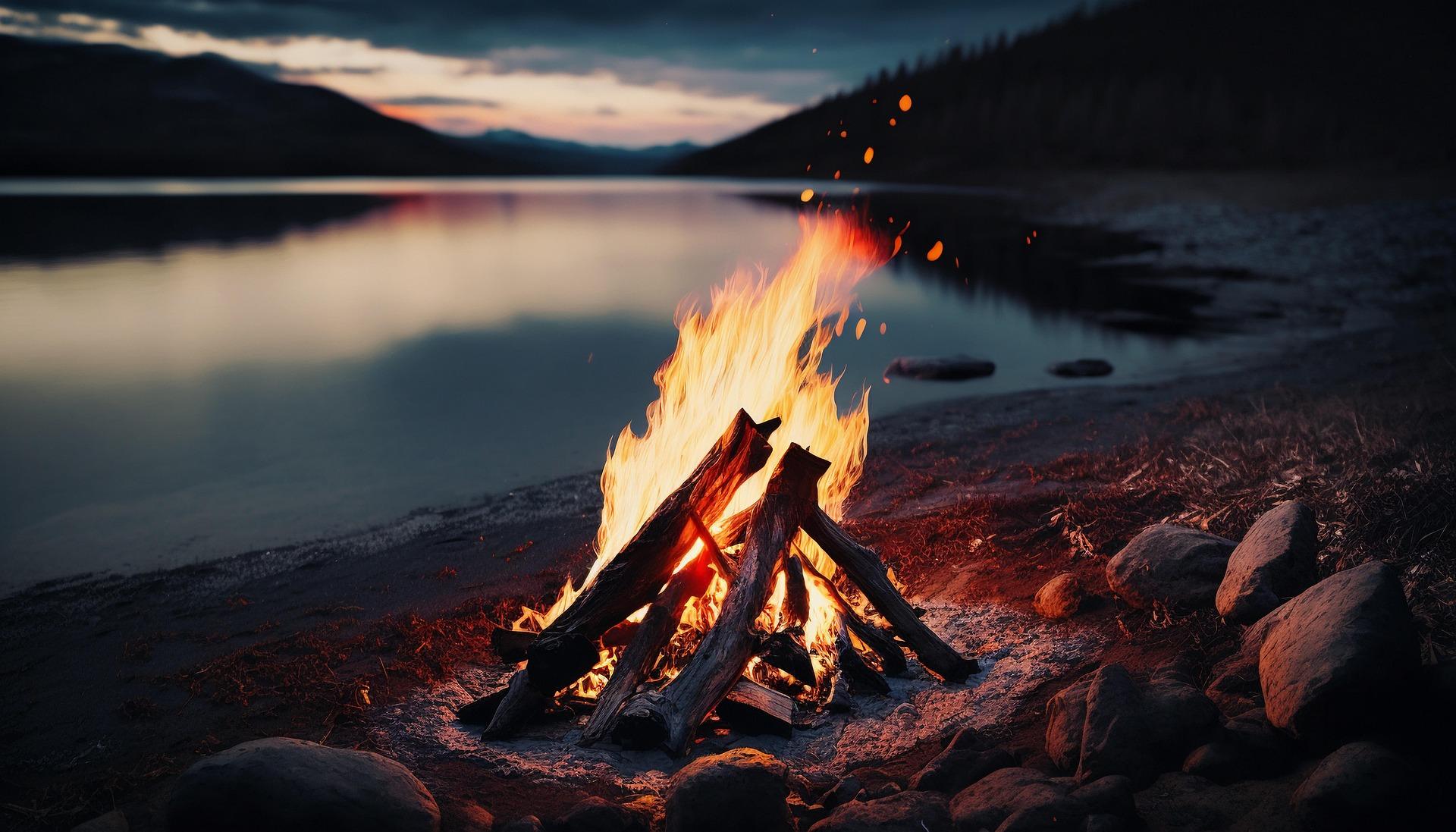
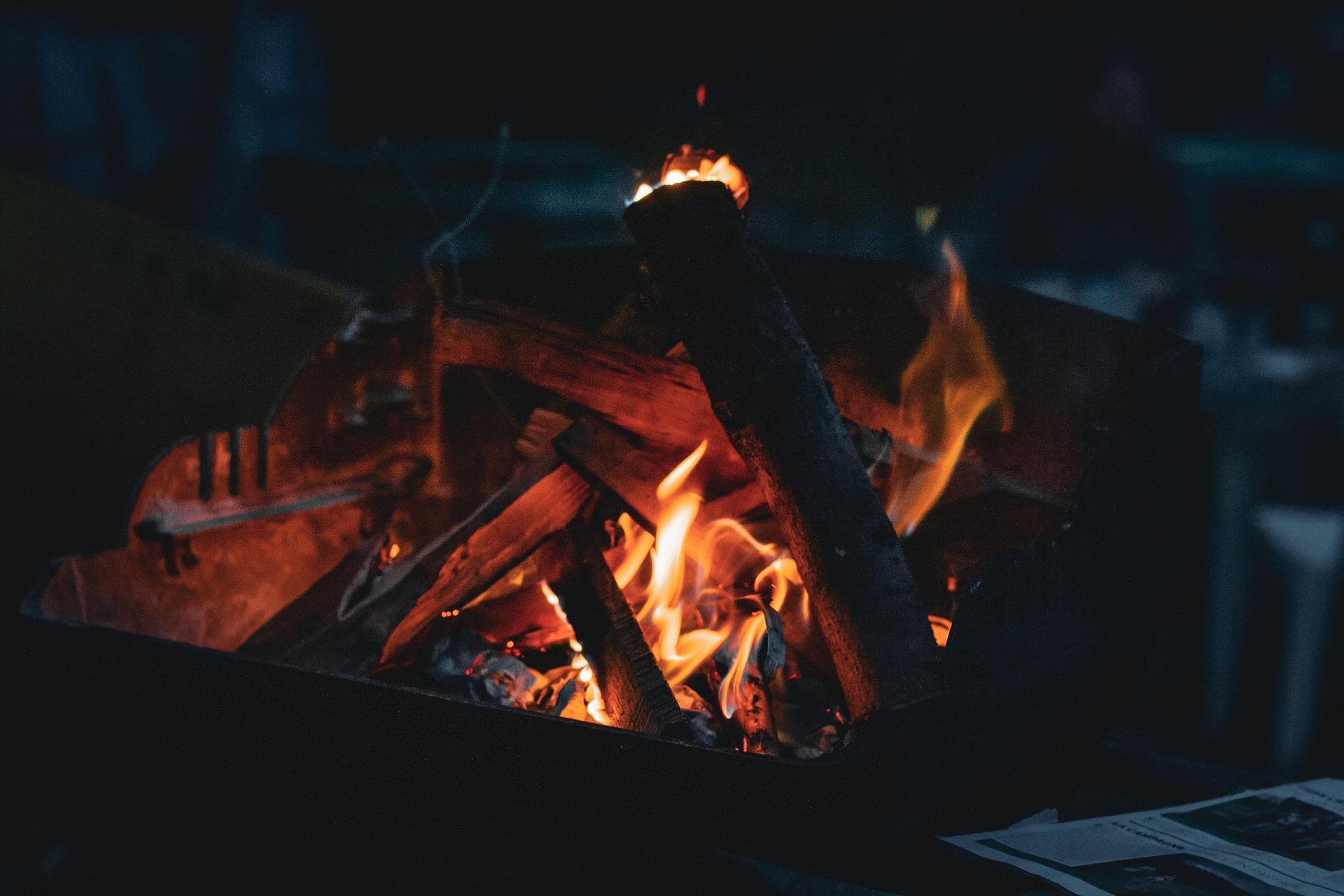
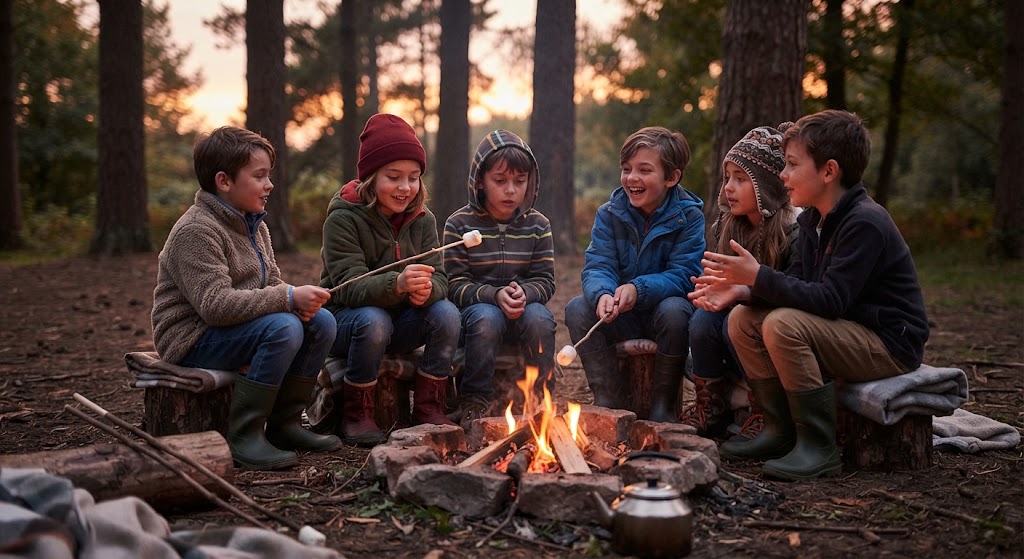
Fire can be one of the most enjoyable parts of being outdoors. Sitting around a campfire, cooking outside or learning how to light a fire are all useful experiences, but fire needs to be treated with respect from the very beginning.
Children don’t need to be frightened of fire, or told to keep away, but they do need to understand that it can cause serious burns and can spread much faster than expected. These ten rules provide a simple starting point for learning how to behave safely around fires.
1. Never Light a Fire Without Permission
The first rule is simple: never light a fire unless a responsible adult has said that it is safe to do so.
That includes campfires, fire bowls, stoves and other outdoor fires. There may also be rules about where fires are allowed, so being outside doesn’t automatically mean you can start one.
If you’re not sure, ask before doing anything.
2. Keep a Safe Distance From the Fire
You don’t need to stand right next to a fire to enjoy it.
Stay far enough away that you can’t accidentally touch the flames or hot equipment. Be particularly careful when walking around a fire because it’s easy to forget how close you are while talking to someone or carrying something.
A sensible adult should decide where children can safely sit and where people should walk.
3. Never Play With Fire
Fire isn’t a toy, even when it looks small.
Don’t poke the flames, throw objects into the fire, wave burning sticks around or try to make the flames bigger. Don’t run around a fire or play games close to it.
A fire can change very quickly, and something that seems harmless can result in a serious burn or cause burning material to escape the fire.
4. Keep Flammable Things Away
Things such as paper, clothing, dry grass and some camping equipment can catch fire surprisingly easily.
Keep bags, coats and other belongings well away from the fire and don’t place anything near the flames just to see what happens.
Pay particular attention to loose clothing. A sleeve, scarf or other item that gets too close to a flame can catch fire before you have time to react.
5. Never Leave a Fire Unattended
A fire should always have someone responsible for watching it.
Don’t assume a small fire is safe to leave for a few minutes. Embers can remain extremely hot after the flames have gone down, and wind can carry sparks into nearby material.
If the responsible adult needs to leave, the fire should be dealt with properly first.
6. Don’t Add Anything to a Fire Without Asking
If you’re helping around a campfire, let the responsible adult decide what goes into it.
Don’t throw leaves, rubbish, aerosols, bottles or other unknown objects into the flames. Some materials can produce dangerous fumes, explode or cause burning material to be thrown out of the fire.
Even ordinary-looking wood should only be added when an adult has said it is safe.
7. Know What to Do if Your Clothes Catch Fire
If your clothing catches fire, stop, drop and roll.
Stop moving rather than running. Drop carefully to the ground, cover your face if possible and roll over and over to help smother the flames.
Children should practise remembering these three words so they can recall them quickly if they ever need them.
Get an adult immediately afterwards, even if the flames appear to have gone out.
8. Never Touch Hot Ashes or Equipment
A fire can look as though it has gone out while still being hot enough to cause a serious burn.
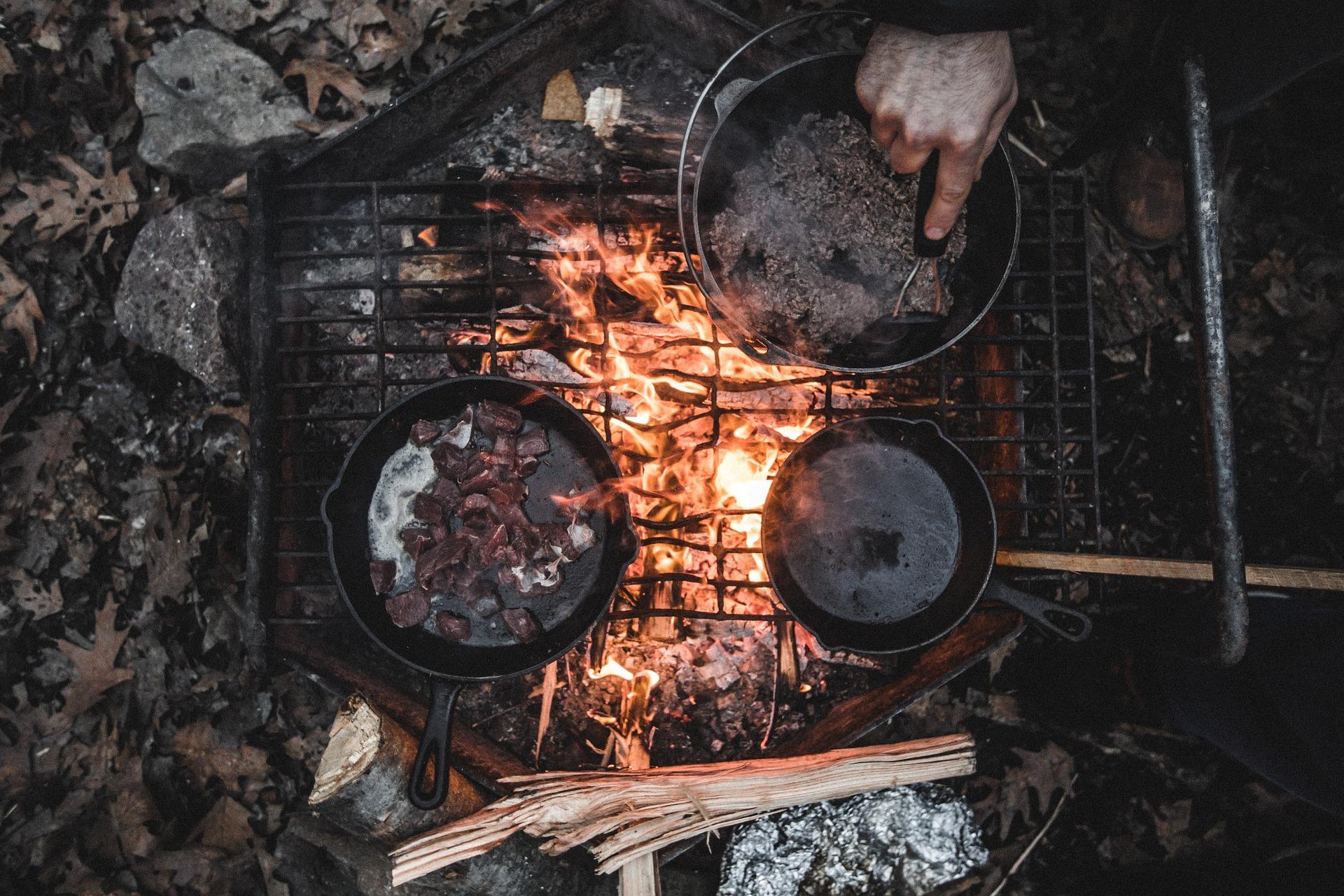
Never touch ashes, coals, stones, grills, pans or other equipment around a fire unless a responsible adult has confirmed that they are safe.
The same applies to things that have been sitting near a fire. Heat can remain in objects long after the flames disappear.
9. Know Where the Fire Safety Equipment Is
Before using a fire, find out what is available if something goes wrong.
Depending on the situation, this could include water, sand, a fire bucket, fire blanket or suitable extinguisher. Children should know where to find the appropriate equipment and which adult is responsible for dealing with the fire.
They should not try to tackle a growing fire themselves. The important thing is to raise the alarm and get away from danger.
10. Tell an Adult If Something Goes Wrong
If you knock something over, see sparks leaving the fire, notice that the fire is spreading or accidentally burn yourself, tell an adult immediately.
Don’t hide a mistake because you’re worried about getting into trouble. An adult needs to know what has happened so they can deal with it before it becomes a bigger problem.
The same rule applies if another child is doing something dangerous around the fire. Speak up rather than joining in.
What Children Should Remember
You don’t need to memorise lots of complicated fire-safety instructions. These simple rules cover the most important habits:
Ask before using fire.
Keep your distance.
Don’t play with it.
Keep flammable things away.
Never leave it unattended.
Tell an adult if something goes wrong.
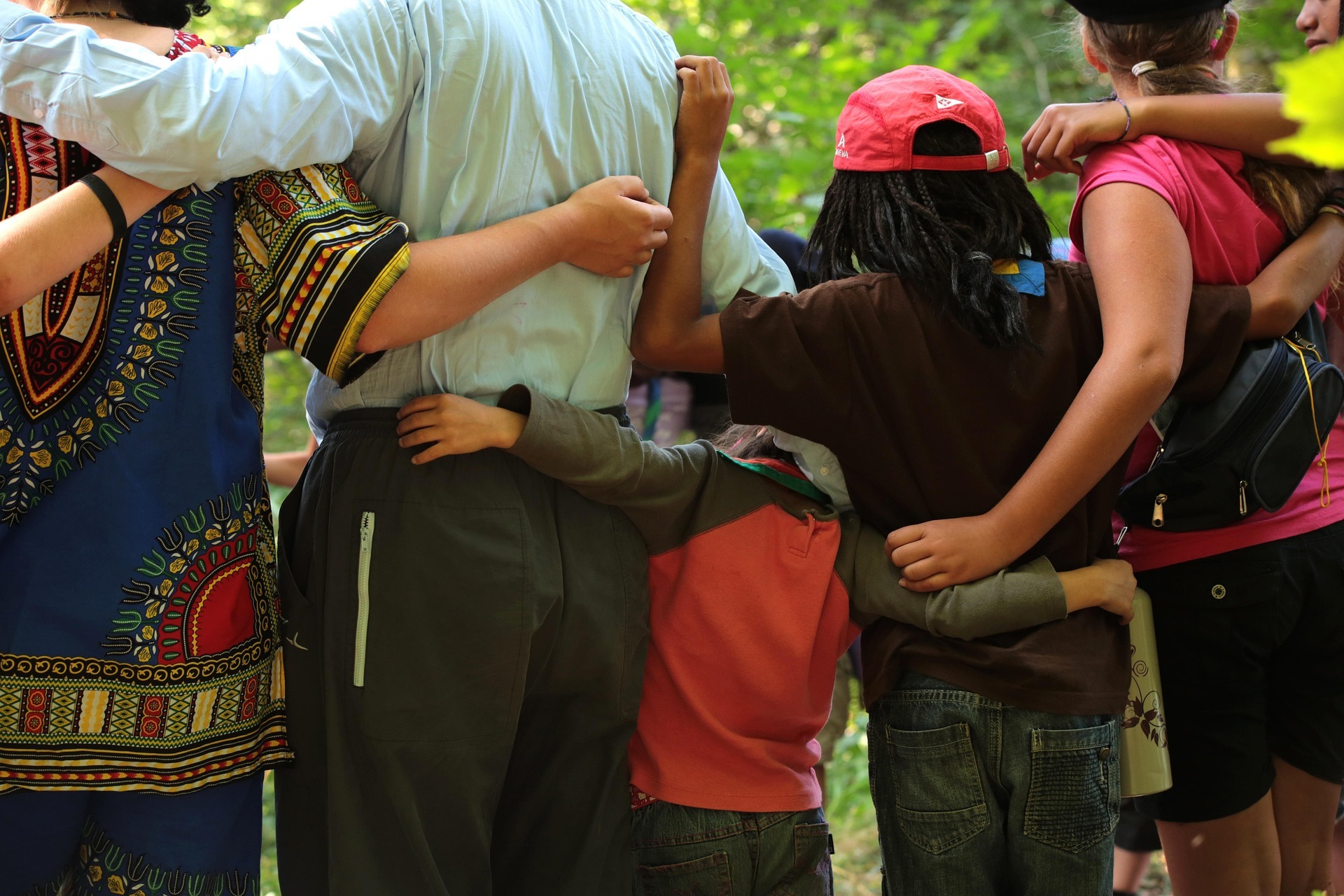
Children can learn to use and respect fire without being frightened of it. With proper supervision and clear boundaries, fire can become an excellent way to learn practical outdoor skills while understanding why safety always comes first.
A Final Fire Safety Tip
The safest child around a fire isn’t the one who is scared of it. It’s the one who understands what fire can do, knows the rules and isn’t afraid to ask an adult for help.
Teach the rules before the fire is lit, not after something has gone wrong. That gives children a clear idea of what is expected and lets them concentrate on learning and enjoying the activity safely.
🔒Ready to test your survival skills?
Join Survival Guides UK for free, complete challenges, earn badges and increase your Survival Level.
JOIN FREE →
CRAIG BURR
FOUNDER · SURVIVAL GUIDES UK
I'm Craig, the person behind Survival Guides UK. I created SGUK because I wanted somewhere people could learn real outdoor skills in a practical, straightforward way — from lighting a fire and tying knots to navigation, campcraft and everything in between.
You can read more about the story behind SGUK here as well as our approach here.