Types of Fire Lay: A Scout Guide to Different Fire Designs
There are several different ways to arrange wood when building a fire, and each arrangement is known as a fire lay. The design you choose can affect how easily a fire lights, how quickly it develops, how much heat it produces and how long it continues to burn.
For Scouts, learning different fire lays is about more than memorising a collection of names. Understanding how each design works helps Scouts make better decisions when planning a campfire or practising fire-lighting skills.
The best fire lay depends on the purpose of the fire, the available fuel, the weather and the location.
What Is a Fire Lay?
A fire lay is the arrangement of tinder, kindling and fuel around the point where a fire will be lit.
Different fire lays arrange these materials in different ways to encourage airflow and allow the fire to develop from a small flame into a larger fire.
A good fire lay should give the initial flame enough access to oxygen while allowing the heat to spread to progressively larger pieces of fuel.
This is why simply placing a pile of wood on top of tinder isn’t usually the best approach.
The arrangement matters.
Why Are There Different Fire Lays?
No single fire lay is ideal for every situation.
A small, quick fire for a practical activity may need a different arrangement from a larger campfire intended to burn for longer.
Wind, damp conditions, the size and shape of the available wood and the purpose of the fire can all affect the choice.
Learning several designs allows Scouts to understand these differences and choose an appropriate approach rather than using the same fire lay every time.
The Teepee Fire Lay
The teepee fire lay, sometimes called a conical fire lay, is one of the simplest designs for Scouts to learn.
Tinder is placed at the centre, with progressively larger pieces of kindling and fuel arranged around it to form a cone or teepee shape.
The structure leaves spaces between the pieces, allowing air to reach the centre.
As the tinder burns, the flames rise into the surrounding kindling and gradually ignite the larger pieces.
Why Use a Teepee Fire Lay?
The teepee design is particularly useful for demonstrating the basic principles of fire lighting.
It is relatively simple to construct and gives Scouts a clear visual example of how airflow and progressively larger fuel work together.
It can also be useful when a fire needs to establish quickly.
The main limitation is that the structure can collapse as the wood burns, so it may need to be rebuilt or supplemented with additional fuel.
The Log Cabin Fire Lay
The log cabin fire lay uses pieces of wood arranged in alternating layers, creating a structure similar to a small log cabin.
The layers leave spaces between the pieces, allowing air to circulate.
Tinder and smaller kindling can be placed within the centre of the structure.
As the fire develops, the surrounding wood gradually catches.
Why Use a Log Cabin Fire Lay?
The log cabin design creates a stable structure and can be useful when Scouts are learning how the arrangement of fuel affects airflow.
It can also provide a useful base for a larger fire.
Because it involves stacking pieces of wood, Scouts need to take care when building it so that the structure remains stable and does not collapse unexpectedly.
The Lean-To Fire Lay
The lean-to fire lay is another useful design for Scouts.
A larger piece of fuel or a suitable support is positioned to provide a base, with tinder and kindling arranged underneath or alongside it. Smaller pieces are then leaned against the larger fuel to create the fire lay.
The arrangement can provide some protection for the tinder and smaller kindling while still leaving space for airflow.
Why Use a Lean-To Fire Lay?
The lean-to design can be particularly useful for teaching Scouts how fire lays can be adapted to conditions.
It can provide a degree of shelter for the initial flame and helps demonstrate the importance of positioning tinder and kindling where they can benefit from rising heat.
As with any fire lay, it should be adapted to the actual conditions rather than treated as a guaranteed solution for bad weather.
The Platform Fire Lay
A platform fire lay uses a base of fuel arranged to lift the main fire slightly above the ground.
Smaller material is placed above the base and the fire is built on the platform.
This arrangement can be useful where ground conditions make it undesirable or impractical to build the fire directly on the ground, provided the method is permitted and appropriate for the location.
When Might a Platform Be Useful?
A platform can be useful in certain damp or cold ground conditions.
However, it should never be assumed that a platform makes any location suitable for lighting a fire.
Always consider whether fires are permitted, whether the ground could be damaged and whether there is a suitable fire area available.
The Star Fire Lay
The star fire lay is formed by arranging several longer pieces of fuel so that their inner ends meet near the centre.
As the fire burns, the fuel can gradually be moved towards the centre.
This means the fire can continue to burn without necessarily requiring all the fuel to be placed directly in the centre at the beginning.
Why Is the Star Fire Lay Interesting?
The star fire lay demonstrates how the arrangement of fuel can affect how a fire is fed.
It can be useful as a more advanced activity for Scouts who already understand the basic principles of tinder, kindling, fuel and airflow.
It also provides an opportunity to discuss fuel efficiency and how different fire designs behave over time.
The Long Fire
A long fire is designed around a longer line of fuel rather than a compact central fire.
It can be useful for some traditional outdoor and camping situations, particularly where heat needs to be distributed along a longer area.
Long fires require more space and careful management than a small practice fire.
They should therefore only be used where the site, equipment, supervision and local rules make them appropriate.
For most Scout groups, a long fire is better introduced as an advanced fire-lay concept rather than as the first design Scouts learn.
The Council Fire
The council fire is a larger, more structured fire lay traditionally associated with campfires and group gatherings.
It typically involves a structured arrangement of fuel around the centre.
The design can create a substantial fire, so it requires considerably more preparation, fuel and supervision than a basic Scout fire-lighting exercise.
A council fire should never be treated as simply a larger version of a beginner’s fire.
The larger the fire, the greater the consequences of poor planning, unsuitable fuel or loss of control.
Choosing a Fire Lay
Choosing a fire lay should start with the question:
What does the fire need to do?
A fire for practising basic fire-lighting skills may be quite different from a fire intended for cooking or a supervised campfire.
Consider:
The Purpose
Think about whether the fire is for cooking, warmth, a practical activity or a campfire.
The purpose will influence the size and shape of the fire required.
The Fuel Available
A fire lay needs to work with the wood available.
Long, straight pieces may lend themselves to some designs, while shorter pieces may be more suitable for others.
Don’t build a particular fire lay simply because a diagram shows it if the available fuel doesn’t suit the design.
The Weather
Wind, rain and damp conditions can make fire lighting more difficult.
A fire lay may need to provide better protection for tinder and kindling, while the leader may decide that conditions are unsuitable for the activity altogether.
The Location
The location is one of the most important considerations.
Make sure fires are permitted and that the site is suitable.
Avoid areas where a fire could spread to dry vegetation, roots, peat or other combustible material.
Follow site-specific rules and any relevant Scout guidance.
Tinder, Kindling and Fuel
Whatever fire lay is being used, Scouts need to understand the difference between the materials.
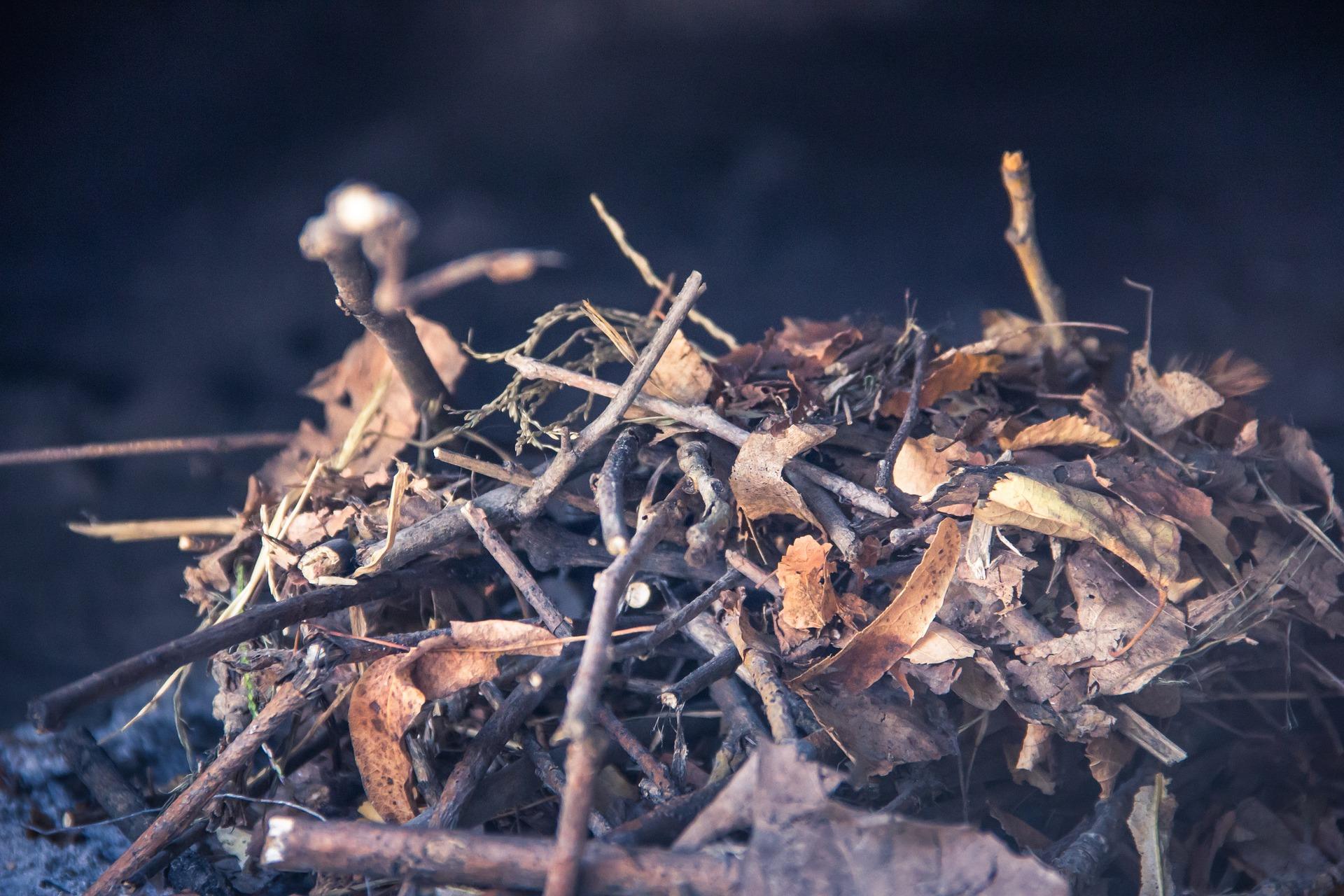
Tinder is the easiest material to ignite and provides the initial flame.
Kindling is slightly larger and helps the fire develop from the tinder.
Fuel consists of larger pieces that sustain the established fire.
A common mistake is trying to light large fuel before the fire is ready.
A good fire lay creates a progression from tinder to kindling to larger fuel.
This gradual increase is one of the most important principles Scouts can learn.
The Importance of Airflow
Fire needs oxygen.
A fire lay should therefore allow enough air to reach the burning material.
This doesn’t mean leaving enormous gaps between every piece of wood.
The aim is to create a structure where air can circulate while the fuel remains close enough for heat and flames to spread.
If a fire lay is packed too tightly, the fire may struggle.
If it is too open, the heat may not build effectively.
Learning to recognise this balance is one of the most useful practical skills in fire lighting.
Building Smaller Before Larger
Scouts sometimes make the mistake of building a large fire lay because they want a large fire.
In practice, a smaller and well-prepared fire is often easier to establish.
Start with an appropriate amount of tinder and kindling.
Allow the fire to develop before adding larger fuel.
This teaches Scouts to work with the fire rather than trying to force it to burn a large amount of wood immediately.
Common Fire Lay Mistakes
Several mistakes appear repeatedly when Scouts are learning fire lays.
Too Much Fuel
Adding too much large wood at the beginning can prevent heat and flames from reaching the fuel effectively.
Poor Airflow
A fire lay that is packed too tightly may struggle to burn.
Not Enough Kindling
If there is a large gap between tinder and fuel, the initial flame may not be strong enough to bridge it.
Wet Materials
Damp tinder and kindling can make fire lighting considerably more difficult.
Scouts should learn to select suitable dry material where possible.
Building Too Close to Vegetation
The surrounding area matters as much as the fire itself.
Dry grass, leaves and low vegetation can allow a fire to spread.
Ignoring the Wind
Wind can change how flames behave and can carry sparks beyond the intended fire area.
If conditions are unsuitable, the correct decision may be not to light the fire at all.
Practising Different Fire Lays
A good Scout session doesn’t need to involve lighting every type of fire lay.
In fact, much of the learning can take place without lighting anything.
Give Scouts different bundles of suitable wood and ask them to construct fire lays without ignition.
They can then explain:
This allows Scouts to practise the skill while reducing the risks associated with multiple active fires.
A 60-Minute Fire Lay Activity
0–10 Minutes: Fire Lay Review
Start by reviewing tinder, kindling and fuel.
Ask Scouts why each stage is important.
Introduce several different fire lays and explain the basic purpose of each.
10–20 Minutes: Demonstration
Demonstrate a teepee, log cabin and lean-to fire lay.
Focus on the structure rather than simply showing Scouts how quickly they can build one.
Point out where airflow enters and where the fire would begin.
20–35 Minutes: Team Construction
Divide Scouts into small teams.
Give each team suitable practice materials and ask them to construct one of the fire lays.
The teams should not light them.
Once finished, each group explains its design to the others.
35–45 Minutes: Fire Lay Challenge
Give each team a different scenario.
For example:
“You have small pieces of kindling and longer fuel.”
Or:
“You need a fire that can be fed gradually.”
Ask Scouts to select an appropriate fire lay and explain their reasoning.
45–53 Minutes: Spot the Problem
Show Scouts several deliberately poor fire-lay arrangements.
Ask them to identify what is wrong.
Examples could include too much fuel, poor airflow, no progression from tinder to kindling or an unstable structure.
53–60 Minutes: Review
Finish by asking Scouts to name three different fire lays and explain when each might be useful.
Reinforce the idea that the correct fire lay depends on the purpose, fuel, weather and location.
Safety When Learning Fire Lays
Fire should always be treated as a potentially dangerous activity.
Only light fires where they are permitted and where the location is suitable.
Use an established fire area where possible and follow the rules of the site.
Keep combustible materials away from the immediate fire area.
Make sure Scouts know where they should stand and move around the fire.
Only appropriately supervised Scouts should work with a lit fire, with the level of involvement matched to their age, experience and the activity being run.
Keep suitable fire-control equipment and water available as appropriate to the activity and site.
Never leave a lit fire unattended.
When the activity is finished, extinguish the fire completely and check that it is cold and safe before leaving the area.
If weather or site conditions make the fire unsafe, don’t light it.
Respecting the Environment
Fire can cause lasting damage to outdoor environments.
Don’t light fires directly on sensitive ground such as peat or areas where the heat could damage roots.
Avoid damaging living trees or vegetation to obtain fuel.
Use only suitable, permitted fuel and follow the rules of the site.
Keep fires small enough for the purpose and avoid unnecessary burning.
Once finished, leave the site clean and make sure all fire debris has been dealt with appropriately.
A good outdoor skills session should leave the environment in good condition.
Adapting Fire Lay Activities for Different Ages
Younger Scouts can learn the basic difference between tinder, kindling and fuel and practise building simple fire lays with close supervision.
Older Scouts can compare different designs and decide which one is appropriate for a particular situation.
More experienced Scouts can investigate how weather, fuel and airflow affect the performance of different fire lays.
A useful progression is:
Understand the materials → learn the basic designs → practise building them → compare their advantages → choose an appropriate fire lay → apply the skill safely.
Final Thought for Leaders
Different fire lays are useful because fires have different purposes and conditions.
The most important lesson for Scouts isn’t memorising every fire lay they encounter. It’s understanding the principles behind them.
Tinder needs to ignite easily. Kindling helps the fire grow. Larger fuel sustains it. Airflow supports combustion. The fire lay brings all of these elements together.
Once Scouts understand those principles, they can look at a pile of suitable fuel and begin to work out how it could best be arranged for the situation.
🔒Ready to test your survival skills?
Join Survival Guides UK for free, complete challenges, earn badges and increase your Survival Level.
JOIN FREE →
CRAIG BURR
FOUNDER · SURVIVAL GUIDES UK
I'm Craig, the person behind Survival Guides UK. I created SGUK because I wanted somewhere people could learn real outdoor skills in a practical, straightforward way — from lighting a fire and tying knots to navigation, campcraft and everything in between.
You can read more about the story behind SGUK here as well as our approach here.