What Is Kindling? A Simple Guide for Beginners
⚠️ SAFETY FIRST
Kindling is designed to catch fire relatively easily, so it should always be handled with care.
Only light fires where they are permitted and where conditions are suitable. Keep flammable materials away from unintended ignition sources, never leave a fire unattended, and make sure you have a safe way to extinguish it completely.
Never burn unknown, treated, painted or chemically contaminated materials.
What Is Kindling?
Kindling is small, easily combustible material used to help a fire grow from tinder into larger fuel.
It sits between tinder and fuel wood in the fire-lighting process.
The basic progression is:
Tinder → Kindling → Fuel
Tinder catches the initial spark or flame.
Kindling catches from the tinder and creates enough heat to ignite larger pieces of wood.
💡 EXPLAIN IT SIMPLY
Think of kindling as the middle step in building a fire.
A spark is too small to light a large log.
Tinder turns the spark into a flame.
Kindling turns that small flame into enough heat to burn larger wood.
Spark → Tinder → Kindling → Fuel
Why Is Kindling Important?
A newly lit fire is small and fragile.
Even if your tinder is burning well, the flame may not be hot enough to ignite a large piece of wood.
Kindling bridges that gap.
Small pieces of dry material:
- Catch more easily than large logs
- Produce more heat as they burn
- Help build the fire gradually
- Transfer heat to larger pieces of fuel
- Help establish a sustainable fire
Without suitable kindling, a fire can easily burn through its tinder and go out.
Tinder vs Kindling
These two terms are often confused.
Tinder
Very fine material used to catch the initial spark or flame.
Kindling
Small material used to build the fire after the tinder has caught.
For example:
Dry grass → Tinder
Small dry twigs → Kindling
Larger branches → Fuel
There isn’t always a precise size that separates tinder from kindling.
The important difference is what the material is being used for.
The Fire Lighting Progression
Understanding kindling becomes easier if you think about fire lighting as a progression.
1. Ignition
A spark or flame starts the process.
↓
2. Tinder
Fine material catches the initial ignition.
↓
3. Fine Kindling
Small pieces catch from the tinder.
↓
4. Larger Kindling
Slightly larger pieces build the heat.
↓
5. Fuel
Larger pieces of wood maintain the established fire.
This gradual increase in material size is sometimes called a fuel ladder.
🔥 THE FUEL LADDER
Spark
↓
Tinder
↓
Fine kindling
↓
Larger kindling
↓
Fuel wood
Each stage should provide enough heat to ignite the next.
What Makes Good Kindling?
Good kindling generally has several useful characteristics.
It is dry
Dry material is much easier to ignite and burn effectively.
It is relatively small
Small pieces have more surface area compared with their volume and can heat up quickly.
It is easy to split or break
You want to be able to increase the size gradually.
It burns readily
Suitable kindling should produce enough heat to ignite the next stage.
It is safe to burn
Avoid unknown or treated materials.
What Can Be Used as Kindling?
There are many possible sources of suitable kindling.
Depending on the environment, these can include:
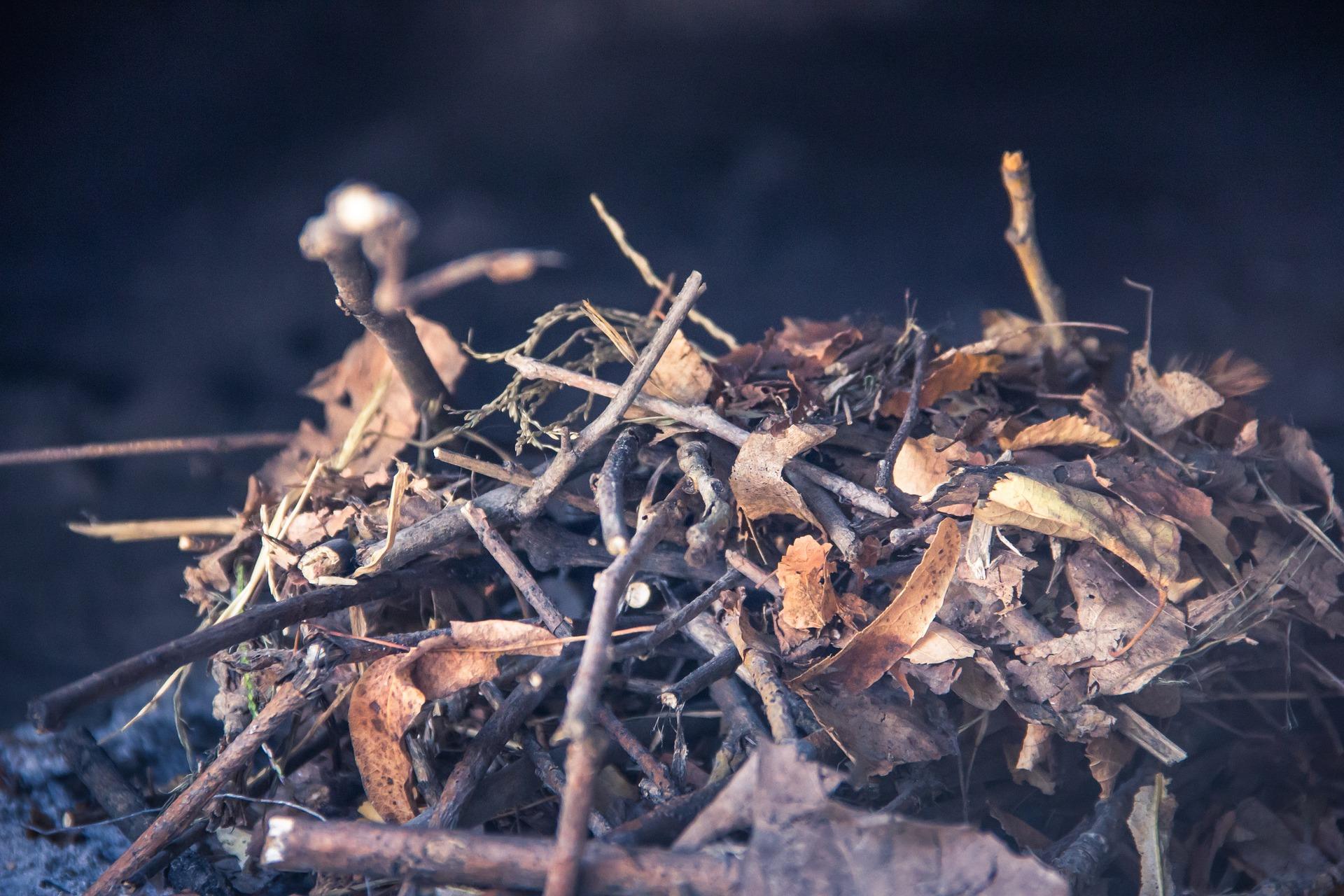
- Small dry twigs
- Small branches
- Dry split wood
- Thin wood offcuts
- Wood shavings
- Prepared firewood
- Suitable natural materials
The important thing isn’t simply finding “sticks.”
You need material that is dry enough, appropriately sized and suitable for burning.
Natural Kindling
Natural kindling can often be found in woodland and other outdoor environments.
Small dead twigs and branches may be suitable if they’re sufficiently dry.
Look for material that is:
- Dead rather than living
- Dry
- Small enough to ignite
- Free from obvious contamination
However, don’t assume that everything found on the ground is dry.
A branch can feel relatively dry on the outside while still containing significant moisture inside.
Standing Deadwood
In some outdoor situations, standing deadwood can be drier than material lying directly on wet ground.
This is because fallen material can absorb moisture from:
- Rain
- Soil
- Snow
- Damp vegetation
However, collecting standing deadwood can involve cutting or breaking branches, so only do so where it is permitted and safe.
Never damage living trees simply to obtain firewood.
Why Size Matters
Imagine trying to light a thick branch using a tiny flame.
The flame may not produce enough heat to raise the wood to its ignition temperature.
Now imagine using a much smaller piece.
It heats up faster and can catch more readily.
Once several small pieces are burning, they produce more heat.
That heat can then ignite larger pieces.
This is why gradually increasing the size of your kindling is so effective.
How Small Should Kindling Be?
There’s no single correct size.
A useful approach is to have several sizes of kindling.
For example:
Very fine pieces
↓
Small twigs
↓
Larger sticks
↓
Small branches
↓
Fuel wood
This creates a gradual transition rather than a sudden jump from tiny tinder to large logs.
🧠 BEGINNER TIP
Don’t think:
“Do I have kindling?”
Think:
“Do I have several sizes of kindling?”
Having a range of sizes makes it much easier to build the fire gradually.
Why Dry Kindling Matters
Water makes fire lighting more difficult because energy from the fire is initially used to heat and evaporate the moisture.
Wet kindling may:
- Smoke
- Steam
- Smoulder
- Take much longer to ignite
- Cool the developing fire
This is why experienced campers and bushcrafters often spend time preparing their kindling before lighting the tinder.
You don’t want to discover that your fire has run out of tinder while you’re still searching for suitable kindling.
Can You Make Kindling?
Yes.
Preparing kindling is a useful outdoor skill.
You can create suitable pieces by:
- Breaking small dry branches
- Splitting suitable dry wood
- Making thin wood shavings
- Preparing small pieces of firewood
The goal is to create a range of progressively larger pieces.
Kindling and Wood Shavings
Wood shavings can sit somewhere between tinder and very fine kindling, depending on their size.
Fine shavings catch relatively easily.
Larger curls and slivers can then help bridge the gap towards ordinary kindling.
This demonstrates why the distinction between tinder and kindling isn’t always exact.
It’s more useful to think about how easily the material ignites and what stage of the fire it supports.
Kindling and a Fire Lay
Kindling is an important part of a fire lay.
Your fire lay determines how the tinder, kindling and fuel are arranged.
The arrangement needs to provide:
- Airflow
- Heat transfer
- Stability
- A gradual increase in fuel size
For example, a simple fire lay might begin with tinder in the centre, followed by fine kindling and then progressively larger pieces.
The exact arrangement depends on the type of fire you’re trying to create.
Why Does Airflow Matter?
A fire needs oxygen.
If you pile kindling into a dense mass, you can restrict the flow of air.
If you arrange it with sensible gaps, air can move through the structure.
This helps the fire continue burning.
However, you don’t want enormous gaps either.
The flame needs to be able to heat the surrounding material.
The goal is a balance between:
Fuel + Heat + Oxygen
What Happens If You Use Too Much Kindling?
More isn’t always better.
Putting a huge amount of kindling onto a small flame can:
- Reduce airflow
- Block the flame
- Absorb heat
- Smother the fire
It’s generally better to build gradually.
Let the existing material catch before adding the next stage.
What Happens If You Use Too Little Kindling?
The opposite problem can happen too.
If there isn’t enough kindling, the tinder may burn out before enough heat is generated to ignite the larger fuel.
This can leave you with:
A burnt-out tinder bundle and cold firewood.
Having enough prepared kindling before lighting your fire avoids this problem.
Kindling in Wet Weather
Wet weather makes kindling particularly important.
You may need to spend more time finding or preparing suitable dry material.
Material protected from rain can sometimes be drier than exposed material.
The inside of suitable deadwood can also be drier than the outer surface.
However, don’t assume that any dry-looking wood is automatically safe or suitable to burn.
Avoid:
- Painted wood
- Treated timber
- Wood containing unknown chemicals
- Rubbish
- Plastics
- Construction materials
Kindling and Different Types of Wood
Different woods burn differently.
Some species ignite readily, while others can be more difficult to establish.
Some produce:
- More heat
- Longer-lasting embers
- More smoke
- Less smoke
For beginners, however, dryness and suitable size are usually more important than knowing the exact species of tree.
Learning to recognise local trees and understand their firewood characteristics can come later.
Kindling vs Fuel Wood
The difference is mainly about size and purpose.
Kindling
Used to establish the fire.
Usually smaller and easier to ignite.
Fuel wood
Used to maintain an established fire.
Usually larger and slower to ignite.
A piece of wood could be considered kindling in one fire and fuel in another.
There isn’t a universal measurement.
Kindling and Campfires
For a campfire, you generally want to prepare the different stages before lighting anything.
That means having:
Tinder ready
Kindling ready
Fuel ready
This is much safer and more efficient than lighting the tinder first and then walking away to search for more wood.
Your fire should be planned before it is lit.
Kindling and Cooking Fires
If you’re preparing a fire for cooking, you don’t necessarily need a huge flame.
Once the fire is established, you may want to develop a good bed of hot embers.
Kindling helps you reach that stage.
This is another example of why the purpose of the fire matters when deciding how much fuel to use.
Kindling and Survival
Kindling can be particularly important when attempting to establish a fire in difficult conditions.
However, remember that in a genuine survival situation, fire is only one consideration.
You may need to prioritise:
- Getting out of danger
- Shelter
- Staying warm
- Water
- Signalling
- Getting help
Common Kindling Mistakes
Using wood that’s too large
A small flame may not be able to ignite it.
Using damp wood
Moisture can absorb heat and make ignition difficult.
Having no kindling prepared
Don’t wait until the tinder is burning to start looking for it.
Using only one size
A gradual progression works better.
Adding too much at once
You can smother a developing fire.
Restricting airflow
Fire needs oxygen.
Using unsuitable materials
Never burn unknown, treated or contaminated materials.
Do You Need to Collect Lots of Kindling?
Not necessarily.
The amount required depends on:
- The size of the fire
- Weather
- Fuel type
- Fire lay
- How long you intend to burn it
- The purpose of the fire
The important thing is to have enough appropriate material to establish the fire safely.
Avoid collecting huge amounts simply because you can.
Only gather what is appropriate and permitted in the area.
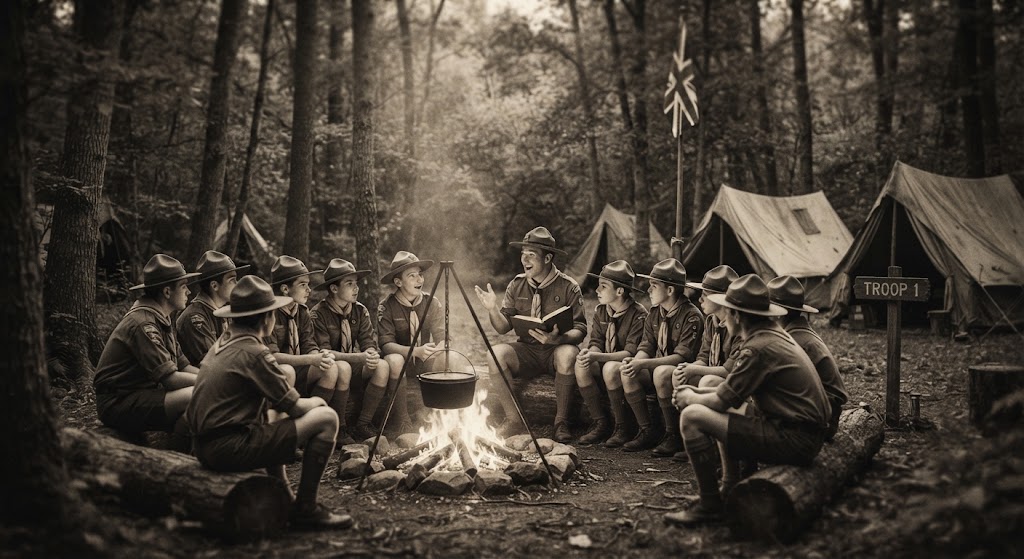
Kindling and Scouts
Kindling is a useful concept for Scouts because it teaches more than simply how to make a fire.
It demonstrates:
- Planning
- Preparation
- Observation
- Understanding natural materials
- Patience
- Fire safety
- Environmental responsibility
Young people should only undertake fire activities in accordance with the relevant Scouting guidance, site rules and appropriate supervision.
The goal should be safe, controlled fire management, not creating the largest possible fire.
A Simple Kindling Test
When deciding whether a piece of material is suitable kindling, ask:
Is it dry enough?
Is it small enough to ignite?
Will it burn readily?
Will it produce enough heat for the next stage?
Is it safe to burn?
Am I allowed to collect or use it here?
If the answer is yes, it may be suitable.
Kindling Checklist
Before lighting your fire:
Final Thoughts
So, what is kindling?
At its simplest:
Kindling is the small material that helps a fire grow from tinder into larger fuel.
It’s the middle stage of the fire-lighting process:
Tinder → Kindling → Fuel
Good kindling is generally:
Dry.
Small.
Easy to ignite.
Available in several sizes.
Safe and suitable to burn.
The secret isn’t simply finding a pile of sticks.
It’s understanding how to gradually increase the size of the fuel while maintaining heat and airflow.
Once you understand that principle, fire lighting becomes much easier to understand.
🔥 THE SIMPLE DEFINITION
Kindling is the small, easily burned material that helps a fire grow from tinder into larger fuel.
Start small, increase the size gradually, keep the airflow open and always put safety first.
🔗 Explore More Fire Skills
- What Is Tinder? — learn about the first stage of fire lighting.
- What Is a Fire Lay? — understand how tinder, kindling and fuel are arranged.
- How to Light a Fire Safely — put the basic principles together.
- Fire Safety — understand the risks of outdoor fires.
- Fire Maintenance — learn how to manage an established fire.
- Campfires — understand how to plan and manage a campfire.
- Extinguishing Fires — learn how to safely put a fire out.
🔒Ready to test your survival skills?
Join Survival Guides UK for free, complete challenges, earn badges and increase your Survival Level.
JOIN FREE →
CRAIG BURR
FOUNDER · SURVIVAL GUIDES UK
I'm Craig, the person behind Survival Guides UK. I created SGUK because I wanted somewhere people could learn real outdoor skills in a practical, straightforward way — from lighting a fire and tying knots to navigation, campcraft and everything in between.
You can read more about the story behind SGUK here as well as our approach here.