Campfire Storytelling
What Is Campfire Storytelling?
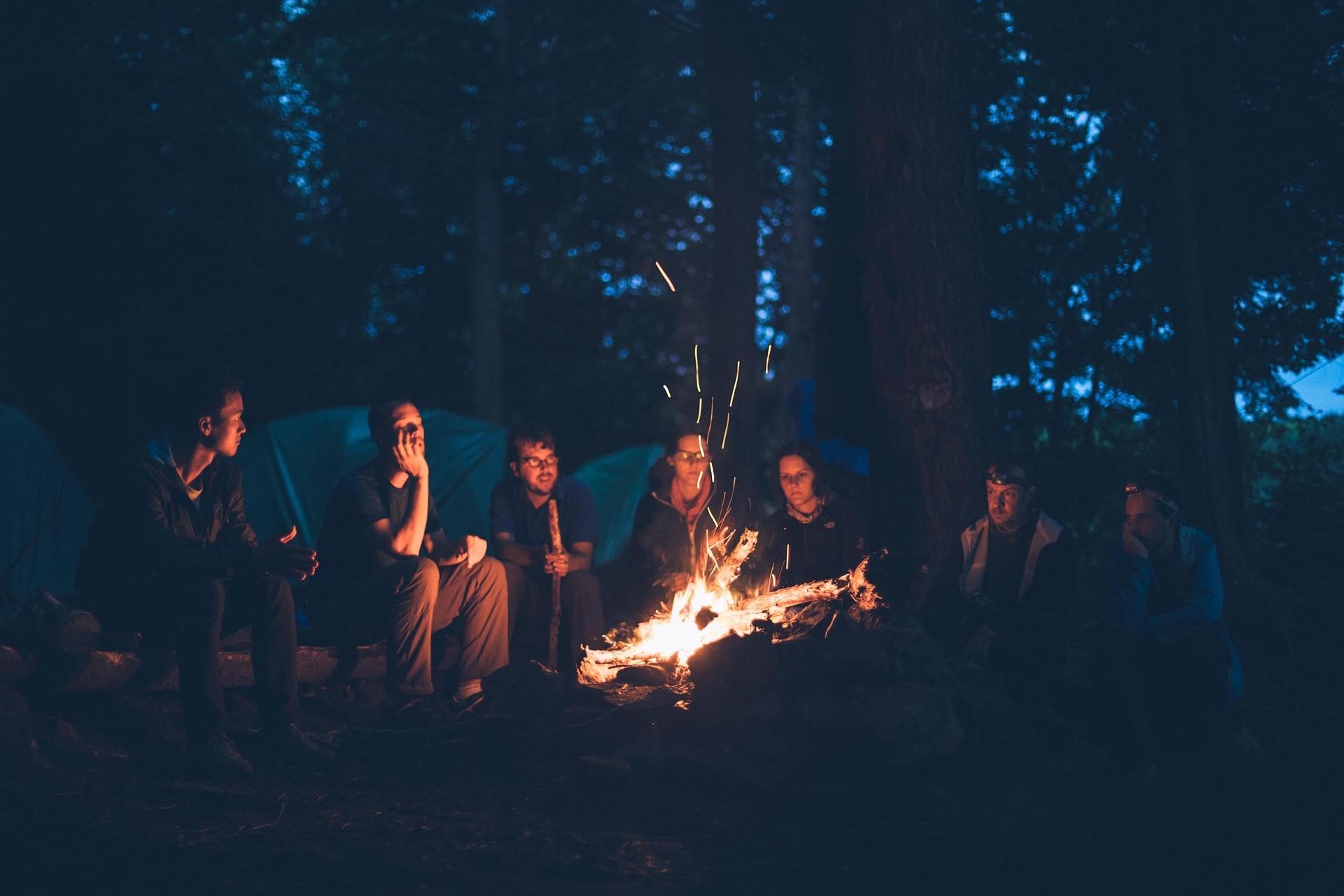
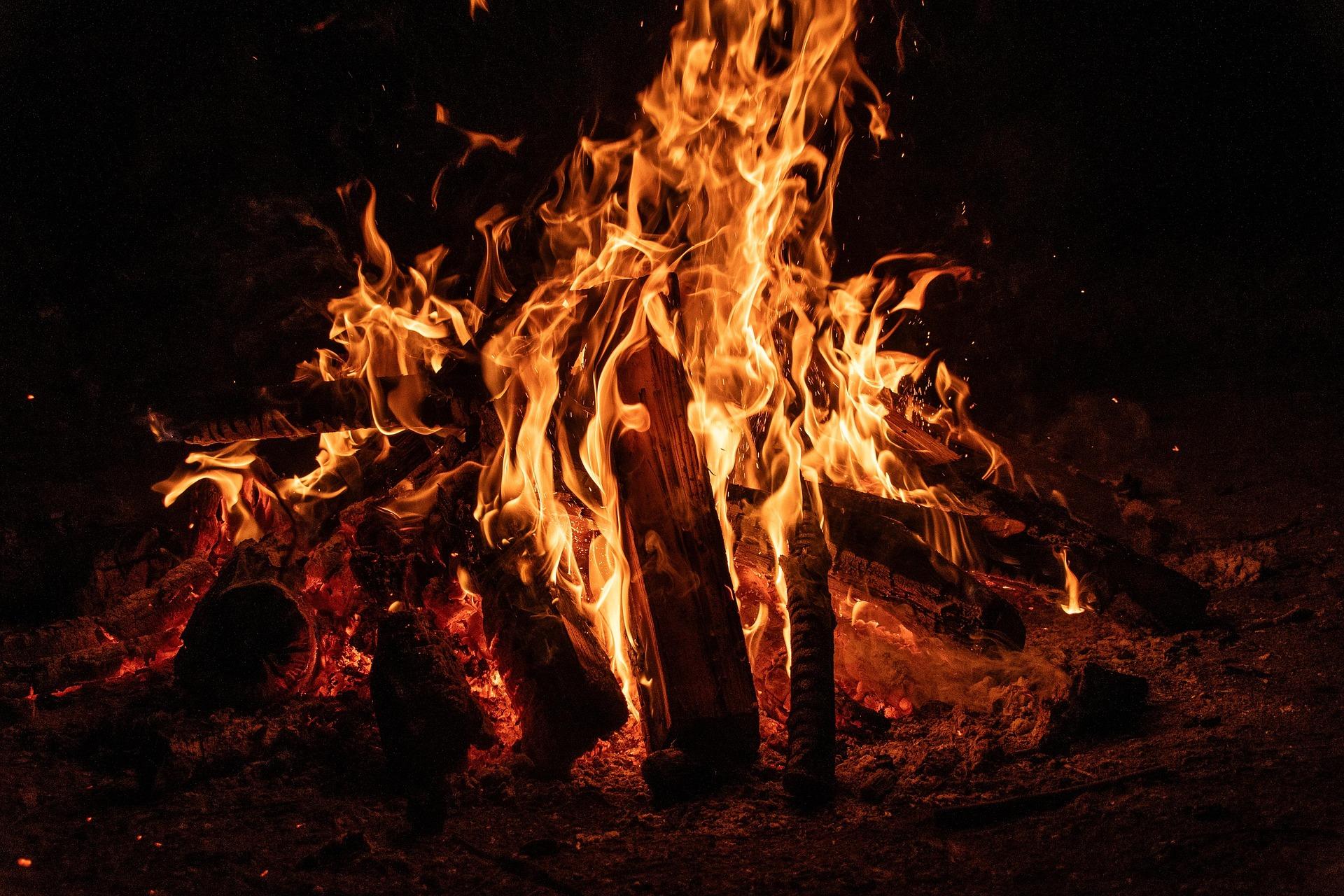
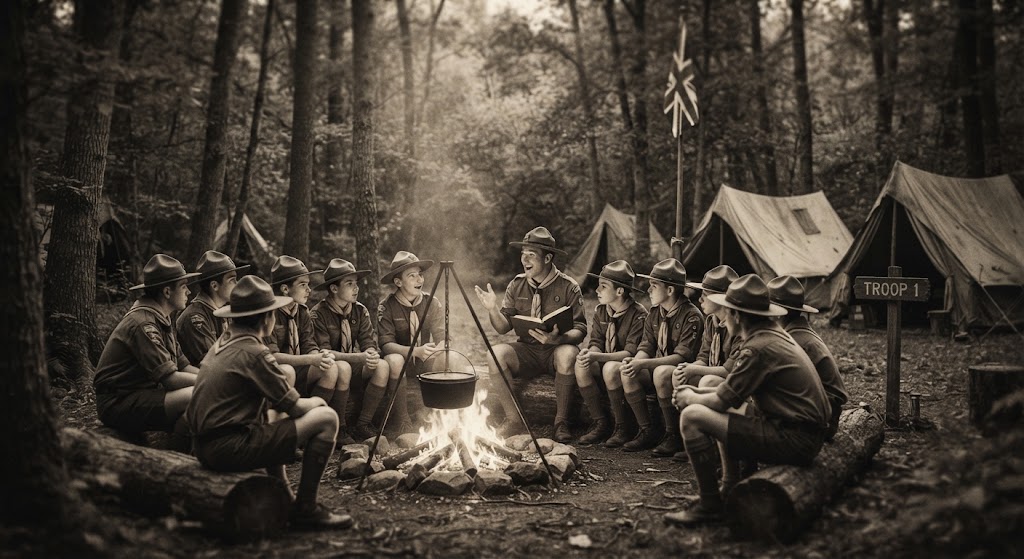
Campfire storytelling is the art of telling stories to a group gathered around a campfire.
Long before televisions, smartphones and radios, people shared stories around fires as a way to entertain, teach, remember events and pass knowledge between generations.
For Scouts, storytelling around a campfire is a simple activity that can develop confidence, creativity, listening skills and teamwork.
A good story does not require expensive equipment. It needs a willing storyteller, an interested audience and a suitable atmosphere.
Why Campfire Storytelling Matters
Storytelling can bring a group together in a way that few other camp activities can.
It can help Scouts:
It can also provide a welcome break from physical activities during a camp.
Choosing a Campfire Story
The best campfire stories are usually easy to follow and have a clear beginning, middle and ending.
Suitable stories might include:
Choose material that is suitable for the age of the group and the setting.
A short, well-told story is often more effective than a long story that loses the audience’s attention.
The Basic Structure of a Story
A simple structure makes storytelling much easier.
The Beginning
Introduce the characters, setting and situation.
Give the audience enough information to understand what is happening, but avoid explaining everything at once.
The Middle
Something changes or a problem develops.
This is where suspense, humour, adventure or mystery can build.
The Ending
Bring the story to a clear conclusion.
A good ending might solve the problem, reveal something unexpected or leave the audience with something to think about.
Using Your Voice
A storyteller does not need to be an actor, but changing the way you speak can make a story much more interesting.
Try varying:
A quiet voice can encourage the audience to listen carefully. A sudden change in volume can create excitement.
Pausing before an important moment can also build suspense.
Using Expression
Your face and body can help communicate the story.
Use simple expressions to show:
Small movements are often enough. You do not need to perform every action dramatically.
The aim is to support the story rather than distract from it.
Creating Suspense
Suspense is particularly effective around a campfire.
You can create it by slowing down before an important moment and allowing the audience to wonder what will happen next.
For example, instead of immediately revealing what a character has discovered, describe what they can hear or see first.
The audience’s imagination can often create more suspense than a detailed explanation.
Campfire Storytelling and Humour
Funny stories can work extremely well around a campfire.
Camp experiences provide plenty of material:
Keep humour friendly and avoid making an individual Scout the target of embarrassment.
The best campfire humour allows everyone to laugh together.
Ready-to-Use Campfire Story Example
The following short story can be told around a campfire with a few pauses and changes in voice.
The Light Beyond the Trees
It was the third night of camp.
The rain had finally stopped, the tents were quiet and the last few embers of the campfire were glowing red.
Sam was sitting with the other Scouts when the leader suddenly looked towards the trees.
“Did you see that?”
Everyone turned around.
For a moment, there was nothing.
Then, deep in the woodland, a small light appeared.
It disappeared.
Then it appeared again.
One of the Scouts whispered, “What is it?”
Nobody knew.
The light moved slowly between the trees.
It was too low to be a torch and too steady to be a firefly.
The group listened.
Nothing.
Then came a sound.
Crunch.
Everyone looked at each other.
Crunch.
Something was walking through the leaves.
The light moved closer.
Sam reached for the torch but the leader held up a hand.
“Stay here.”
The light stopped.
There was a long silence.
Then suddenly it shot upwards and disappeared above the trees.
Nobody spoke.
The next morning, the Scouts went to investigate.
They followed the edge of the woodland until they found a small clearing.
In the middle of it was an old wooden post.
Hanging from the top was a piece of reflective tape.
When the sunlight caught it, it flashed brightly.
The mysterious light had not been a ghost, a strange animal or anything supernatural.
It had simply been the moonlight reflecting from the tape as the wind moved it.
The Scouts laughed.
But just before they left, Sam looked back towards the trees.
For a moment, another light appeared.
This one was moving.
Sam stared at it.
Then it vanished.
And nobody ever found out what it was.
Telling the Story
The story works best if the storyteller does not rush.
Pause after “Did you see that?” and let the audience look towards the trees.
Slow down for each “Crunch.”
Lower your voice when the light gets closer, then pause before the final line.
The ending can be left deliberately mysterious, allowing the audience to decide what Sam saw.
Getting Scouts Involved
Storytelling does not have to be performed by one person.
Try interactive storytelling where the audience helps create the story.
Add a Word
One Scout starts the story with a sentence. Each person adds another sentence.
The story continues around the group until it reaches an ending.
Sound Effects
Give different Scouts responsibility for particular sounds.
They might provide:
This can be particularly effective with younger Scouts.
Story Prompts
Give each team three random objects or ideas and ask them to create a short campfire story containing all three.
For example:
Give teams a limited amount of preparation time before they perform their story.
Campfire Storytelling Challenge
Try running a short storytelling competition.
Split the group into small teams and give each team a story prompt.
Allow them time to prepare a three-minute story.
Each team should include:
The audience can then vote for categories such as best ending, funniest story or best use of imagination.
The emphasis should be on participation rather than winning.
Storytelling Around a Safe Campfire
Storytelling often takes place around a campfire, so normal fire safety still applies.
The fire should be properly managed and supervised throughout the activity.
Scouts should remain a safe distance from the flames and should not walk around the fire unnecessarily.
Keep seating, clothing and equipment away from sparks, and ensure the fire is fully extinguished when the activity finishes.
A campfire should never be left unattended.
When There Is No Campfire
You do not actually need a fire to practise campfire storytelling.
The activity can work around:
This makes storytelling useful throughout the year, including during poor weather or when fires are not permitted.
Learning Stories from the Past
Campfire storytelling can also be used to explore history and traditional knowledge.
Scouts could research a local legend, historical event or traditional tale and retell it to the group.
When using traditional stories from particular cultures, take care to understand their origins and context rather than presenting them as generic campfire entertainment.
This can make storytelling an excellent combination of outdoor education, history and communication skills.
Writing Your Own Campfire Story
Creating an original story can be even more rewarding than retelling one.
Start with five questions:
Once these questions have been answered, build the story around them.
A simple idea can become a memorable story when it is told with enthusiasm.
Final Tips
For successful campfire storytelling:
Campfire storytelling is a simple Scout tradition that can build confidence while bringing a group together. With a little imagination, an ordinary evening outdoors can become a memorable shared experience.
🔒Ready to test your survival skills?
Join Survival Guides UK for free, complete challenges, earn badges and increase your Survival Level.
JOIN FREE →
CRAIG BURR
FOUNDER · SURVIVAL GUIDES UK
I'm Craig, the person behind Survival Guides UK. I created SGUK because I wanted somewhere people could learn real outdoor skills in a practical, straightforward way — from lighting a fire and tying knots to navigation, campcraft and everything in between.
You can read more about the story behind SGUK here as well as our approach here.