Emergency Skills

Learn essential emergency and survival skills for Scouts and outdoor adventures, including first aid, signalling, getting lost, shelters, emergency planning and calling for help.

  • The STOP Principle

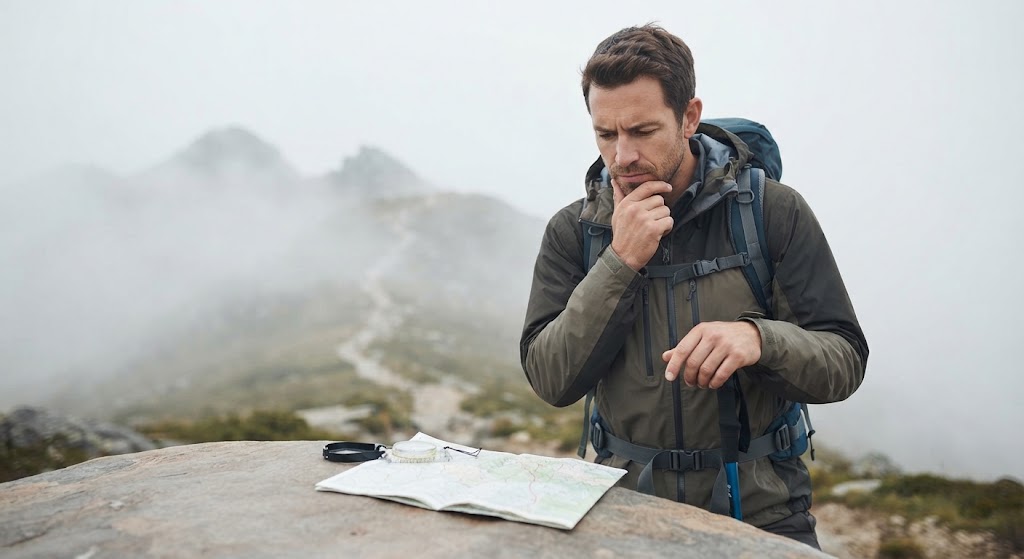
    Activity Overview Difficulty: BeginnerTime: 30–45 minutesLocation: Suitable indoor or outdoor training areaBest for: Scouts and ExplorersSkills: Emergency decision-making, situational awareness, staying calm, problem-solving, communication The STOP principle is a simple way of slowing down and organising your thoughts when something goes wrong outdoors. STOP stands for: S — StopT — ThinkO — ObserveP — Plan…

  • Managing Fear in an Emergency

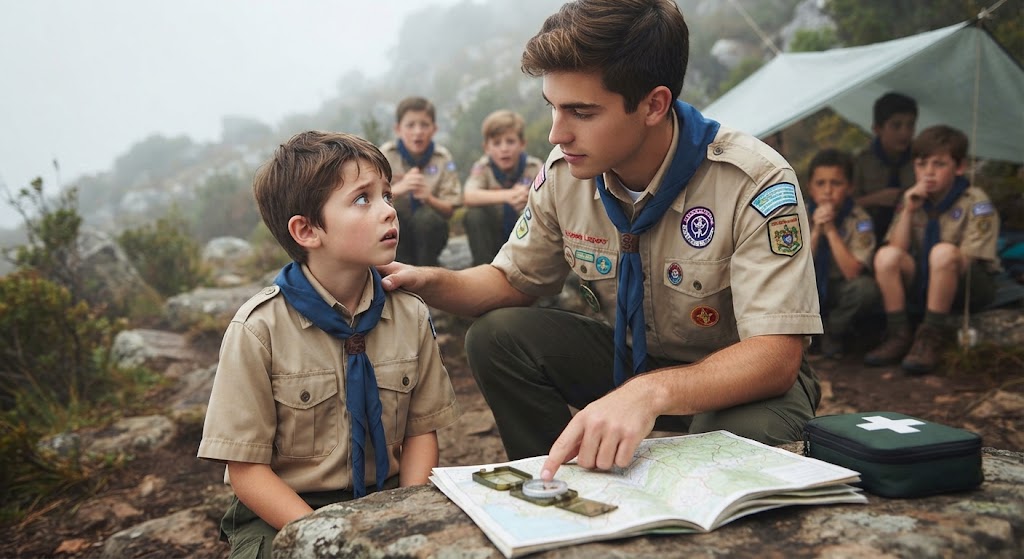
    Activity Overview Difficulty: IntermediateTime: 45–60 minutesLocation: Suitable indoor or outdoor training areaBest for: Scouts and ExplorersSkills: Emotional control, emergency decision-making, communication, resilience, situational awareness Fear is a normal response to an emergency. It can make you more alert and help you recognise danger, but if fear turns into panic it can make it harder to…

  • Survival Psychology

    Activity Overview Difficulty: IntermediateTime: 45–60 minutesLocation: Suitable indoor or outdoor training areaBest for: Scouts and ExplorersSkills: Decision-making, emotional control, situational awareness, teamwork, resilience, survival mindset Survival psychology is the ability to manage your thoughts, emotions and behaviour when something goes wrong outdoors. In an emergency, the biggest problem is not always the weather, equipment or…

  • Improvised Ground Insulation

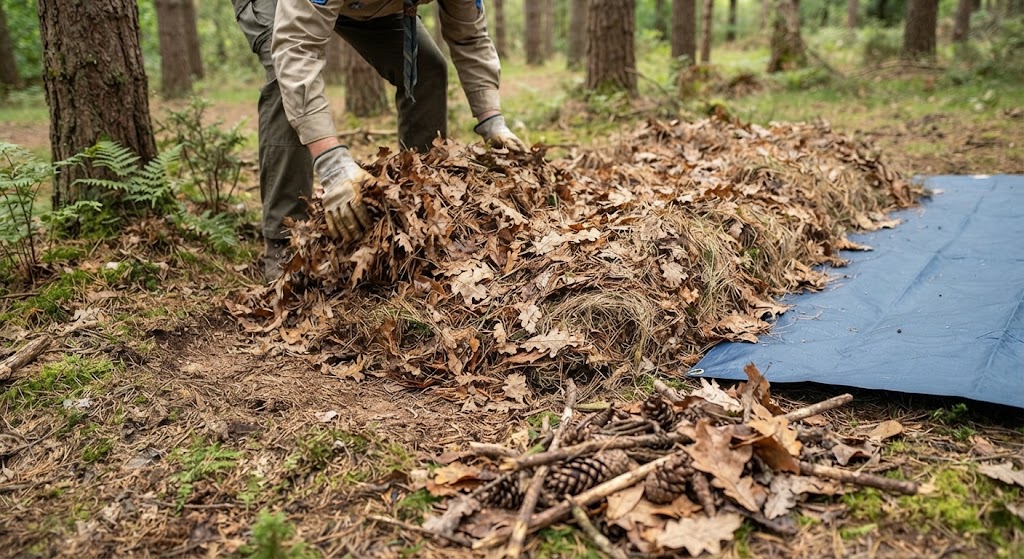
    Activity Overview Difficulty: IntermediateTime: 30–45 minutesLocation: Suitable campsite or woodland camping areaBest for: Scouts and ExplorersSkills: Campcraft, survival skills, insulation, resourcefulness, outdoor safety Improvised ground insulation is a way of reducing heat loss between your body and the ground when you do not have enough conventional sleeping equipment. The ground can draw heat away from…

  • Mirror Signalling: Scout Emergency Skills Guide

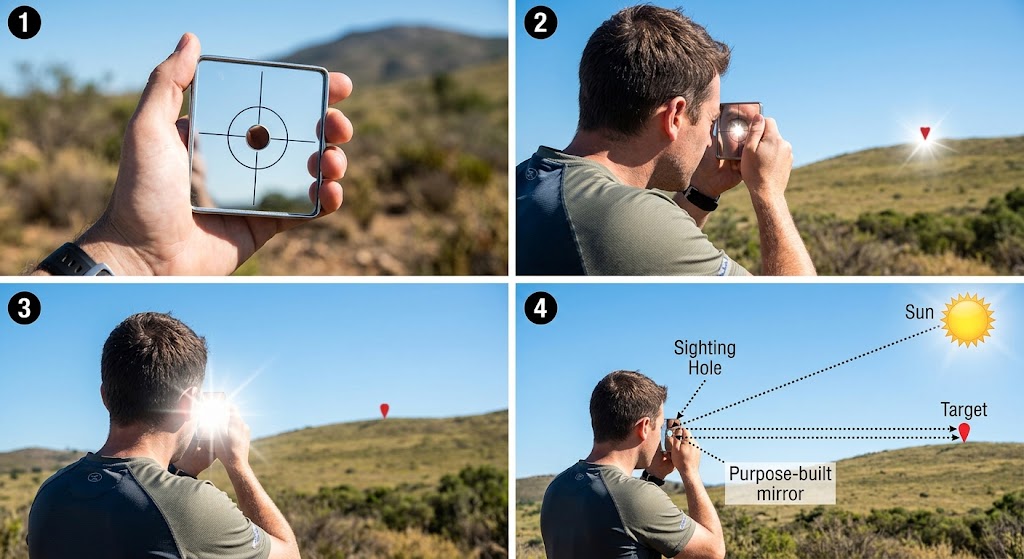
    Activity Overview Difficulty: ModerateTime: 30–45 minutesLocation: Open countryside, campsites and suitable outdoor training areasBest for: Scouts, Explorers, Patrol Leaders and adult leadersSkills: Emergency signalling, observation, communication, navigation and situational awareness A signalling mirror uses reflected sunlight to attract attention over long distances. The most important skill is controlling the reflected flash and directing it towards…

  • Torch Signalling: Scout Emergency Skills Guide

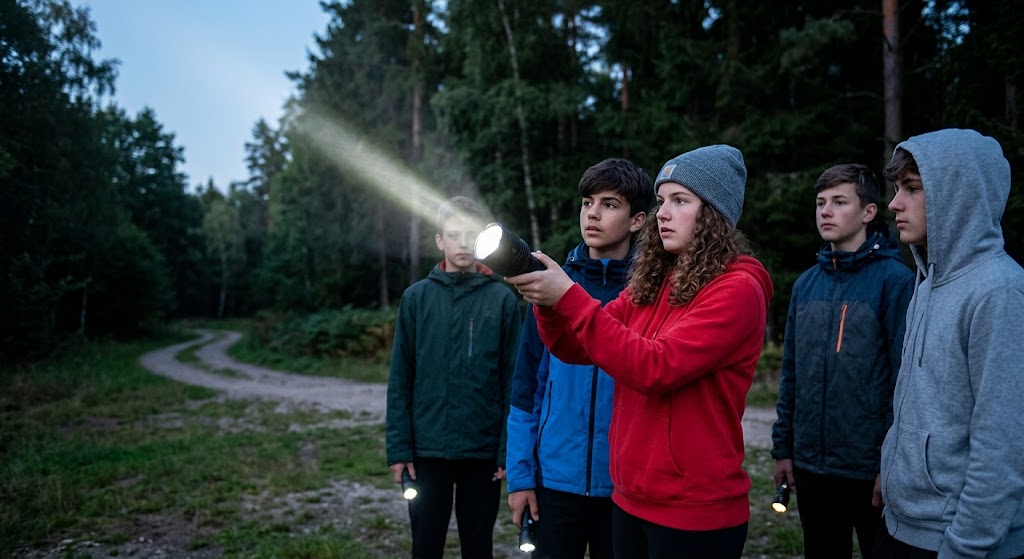
    Activity Overview Difficulty: Easy–ModerateTime: 20–30 minutesLocation: Campsites, woodland edges and suitable outdoor training areasBest for: Cubs, Scouts, Explorers, Patrol Leaders and adult leadersSkills: Emergency signalling, communication, Morse code, torch handling and night-time awareness A torch can be used to attract attention and communicate simple messages, particularly at night. For Scouts, the most useful techniques are…

  • Distress Signals: Scout Emergency Skills Guide

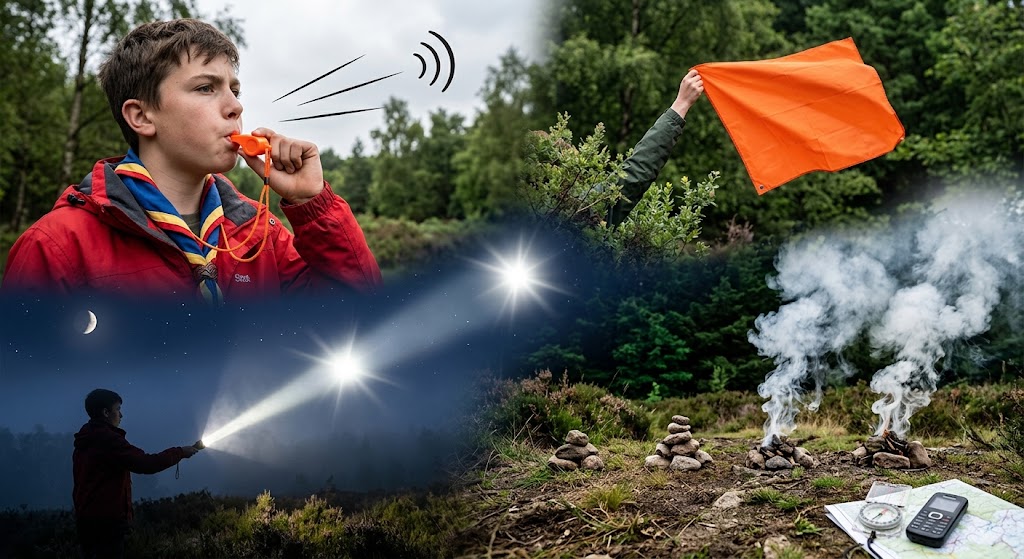
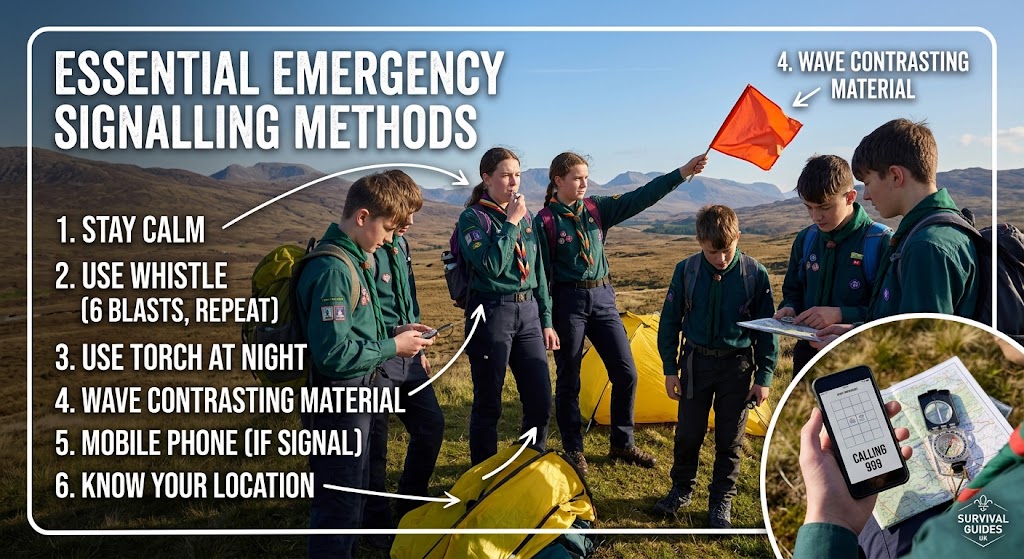
    Activity Overview Difficulty: ModerateTime: 30–45 minutesLocation: Campsites, woodland, open countryside and suitable outdoor training areasBest for: Scouts, Explorers, Patrol Leaders and adult leadersSkills: Emergency communication, signalling, situational awareness, emergency planning and outdoor safety A distress signal is used to show that you need help in an emergency. For Scouts, useful methods include a whistle, torch,…

  • Emergency Signalling: Scout Outdoor Skills Guide

    Activity Overview Difficulty: ModerateTime: 30–45 minutesLocation: Campsites, woodland, open countryside and suitable outdoor training areasBest for: Scouts, Explorers, Patrol Leaders and adult leadersSkills: Emergency communication, signalling, navigation, situational awareness and emergency planning Emergency signalling is about getting attention, communicating that you need help and making your location easier to find. The best method depends on…

  • Building a Pioneering Stretcher: Scout Pioneering Guide

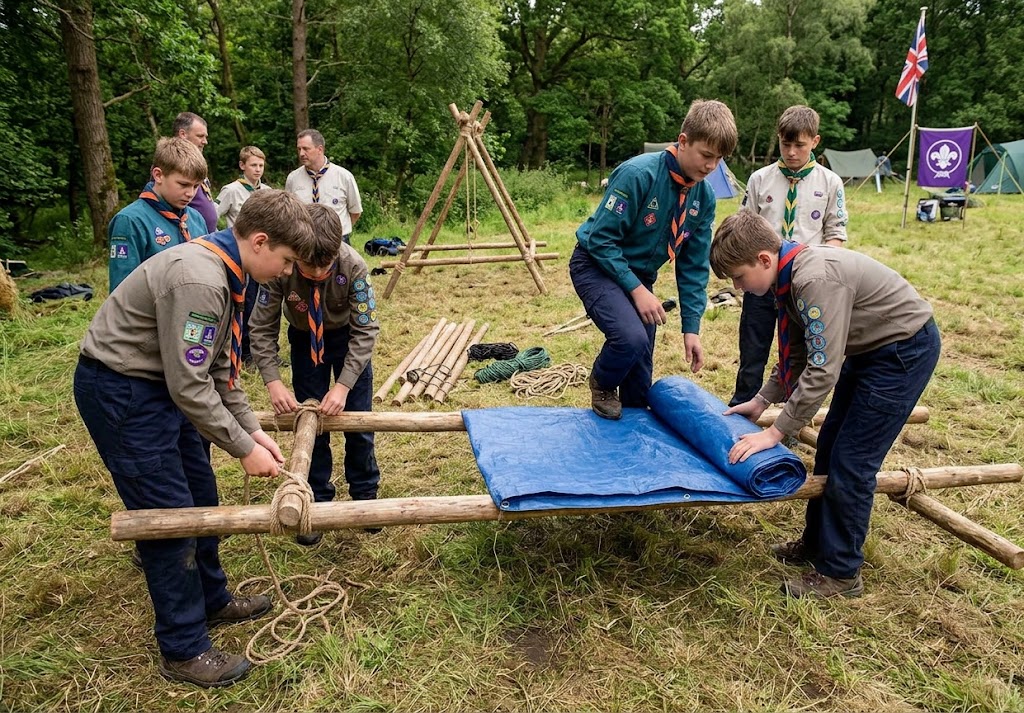
    Activity Overview Difficulty: ModerateTime: 45–90 minutesLocation: Scout campsites and suitable outdoor areasBest for: Scouts, Explorers, Patrol Leaders and experienced pioneering groupsSkills: Pioneering, lashings, ropework, teamwork, construction and emergency awareness A pioneering stretcher is a temporary structure made from poles and rope lashings, traditionally used to demonstrate pioneering and emergency-response skills. A homemade pioneering stretcher should…

  • Camp Hygiene UK: Staying Clean and Healthy Outdoors

    Activity Overview Difficulty: EasyTime: 15–30 minutes to learn; ongoing practiceLocation: Campsites, Scout camps, woodland, countryside and outdoor basesBest for: Cubs, Scouts, Explorers, Patrol Leaders and outdoor enthusiastsSkills: Personal hygiene, food hygiene, campsite management, sanitation and outdoor living Camp hygiene means keeping yourself, your food, equipment and campsite clean enough to reduce the spread of germs,…