Emergency Skills

Learn essential emergency and survival skills for Scouts and outdoor adventures, including first aid, signalling, getting lost, shelters, emergency planning and calling for help.

  • How to Retrace Your Route

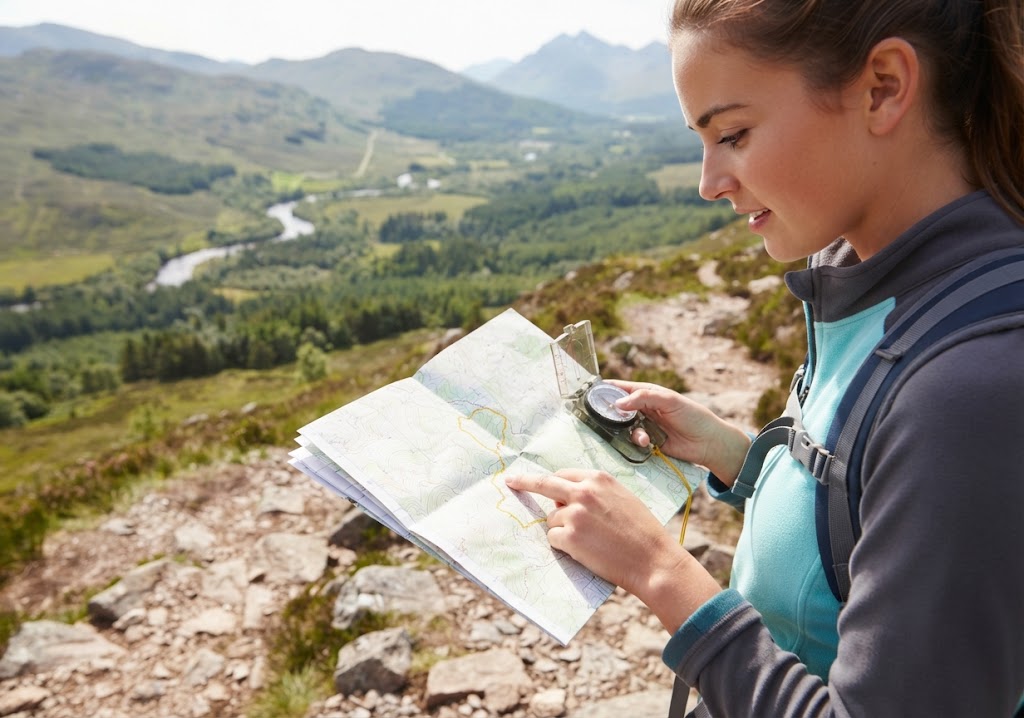
    Knowing how to retrace your route is an important outdoor skill. You might need to do it if you take the wrong path while hiking, miss a turning while scouting, or become unsure about where you are in the countryside. Retracing your route means going back the way you came until you reach a place…
  • 10 Easy Survival Activities for Scout Leaders

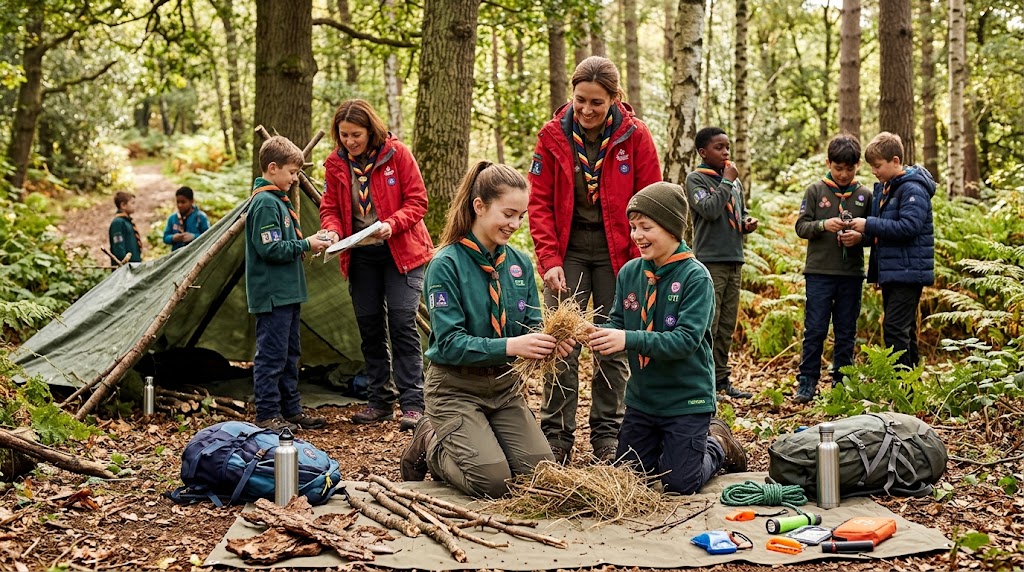
    Activity Overview Difficulty: BeginnerTime: 1-3 hours depending on activitiesLocation: Suitable woodland, campsite or outdoor training areaBest for: Scout leaders, Explorers and outdoor instructorsSkills: Survival skills, leadership, teamwork, problem-solving, navigation, shelter building, fire safety and outdoor awareness The best survival activities for Scout leaders are simple, practical exercises that teach useful skills without requiring complicated equipment…

  • Historical Scouting Communication

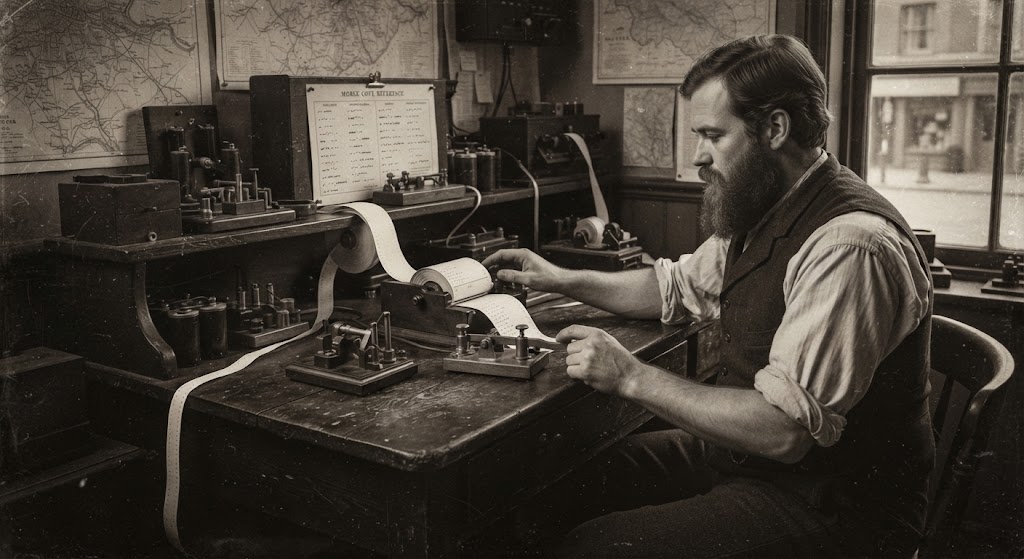
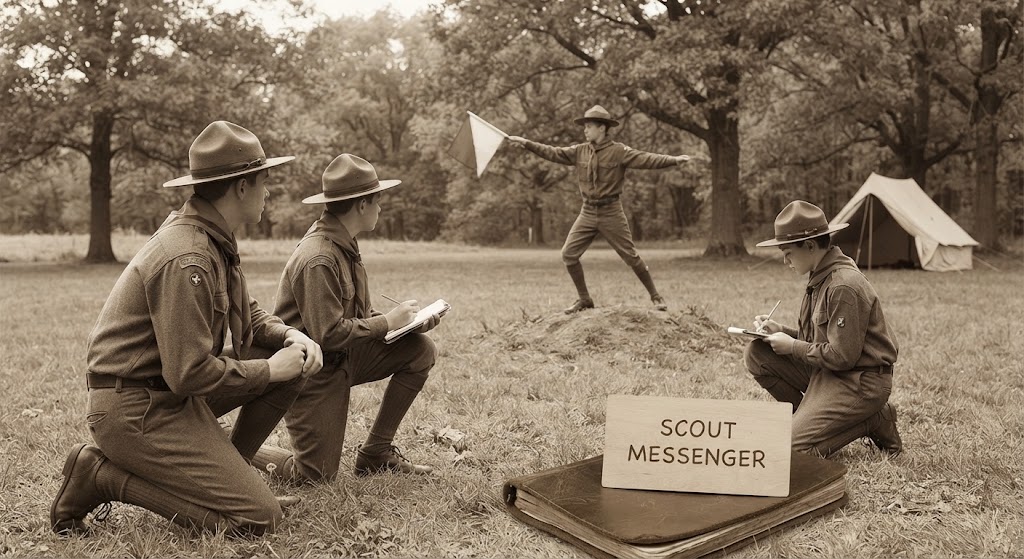
    Activity Overview Difficulty: BeginnerTime: 45โ€“90 minutesLocation: Suitable indoor or outdoor training areaBest for: Scouts, Explorers and outdoor enthusiastsSkills: Communication, signalling, teamwork, observation, Morse code, semaphore, message handling Communication has always been an important part of Scouting. Before mobile phones and digital radios, Scouts had to rely on a combination of spoken messages, written notes, runners,…

  • Historical Signalling

    Activity Overview Difficulty: BeginnerTime: 45โ€“60 minutesLocation: Suitable indoor or outdoor training areaBest for: Scouts, Explorers and outdoor enthusiastsSkills: Communication, signalling, observation, Morse code, semaphore, teamwork, concentration Before mobile phones, digital radios and satellite communications, people had to find other ways of sending information over distance. Historical signalling methods included semaphore, Morse code, flags, whistles, mirrors,…

  • 5 Survival Shelters Every Scout Should Know

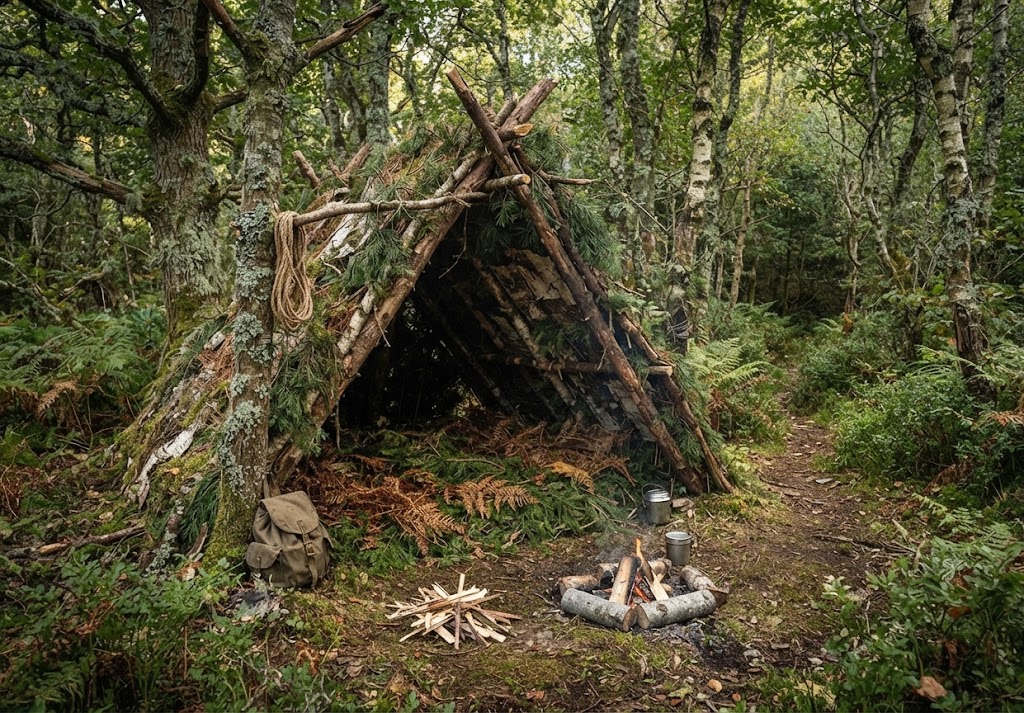
    Activity Overview Difficulty: IntermediateTime: 1โ€“2 hoursLocation: Suitable woodland or outdoor training areaBest for: Scouts, Explorers and outdoor enthusiastsSkills: Shelter building, pioneering, outdoor survival, site selection, environmental awareness, teamwork Knowing how to create a basic shelter is an important outdoor skill. A good shelter helps protect you from wind, rain, cold ground and exposure to the…

  • Phonetic Alphabet: NATO Alphabet for Scouts and Outdoor Communication

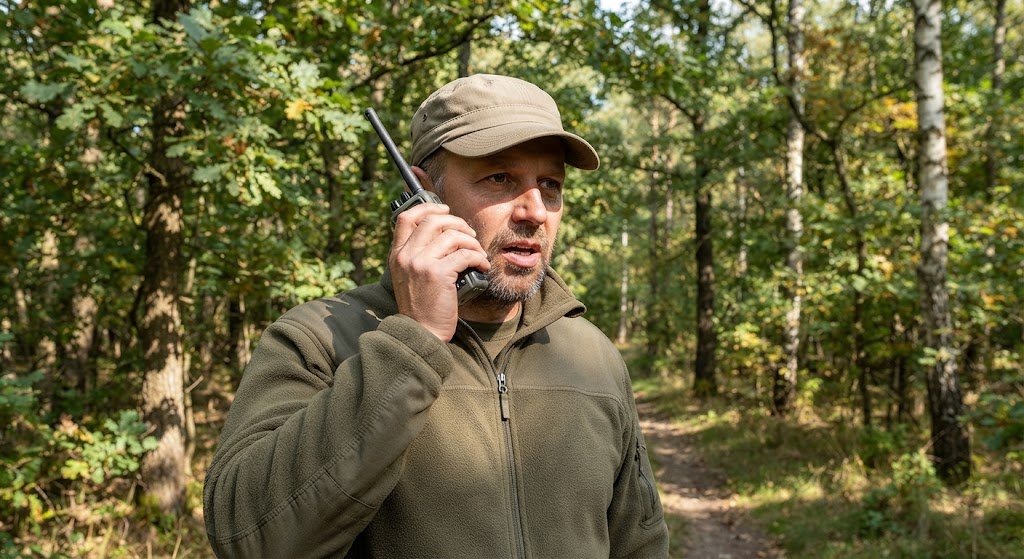
    Activity Overview Difficulty: BeginnerTime: 30โ€“45 minutesLocation: Suitable indoor or outdoor training areaBest for: Scouts, Explorers and outdoor enthusiastsSkills: Communication, radio skills, spelling, emergency communication, accuracy, teamwork The phonetic alphabet is a standard way of spelling letters aloud so that they are less likely to be misunderstood. The most widely used version is the NATO phonetic…

  • Emergency Communication: How to Call for Help and Pass Information Clearly

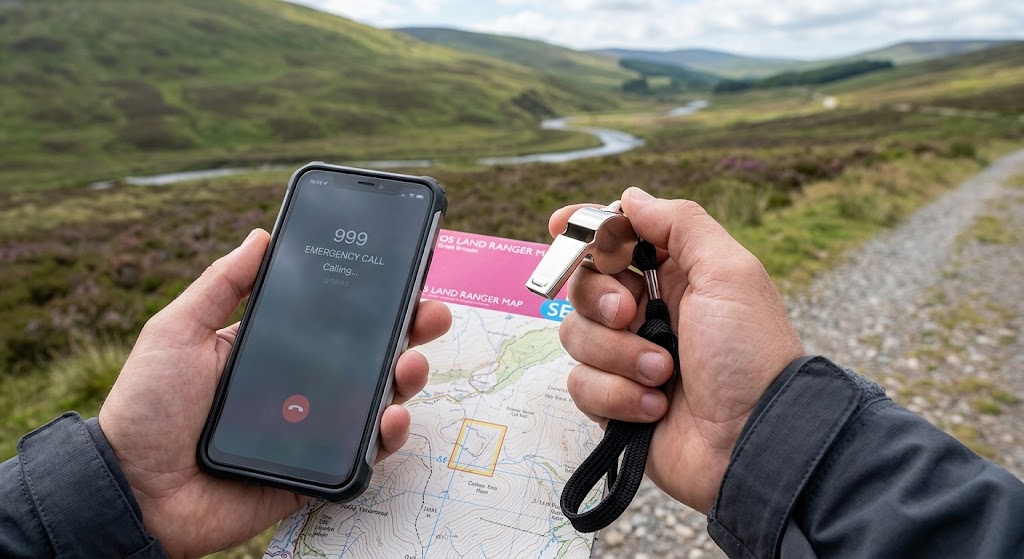
    Activity Overview Difficulty: BeginnerTime: 45โ€“60 minutesLocation: Suitable indoor or outdoor training areaBest for: Scouts and ExplorersSkills: Communication, emergency signalling, navigation, decision-making, teamwork, situational awareness Emergency communication is the ability to get the right information to the right person quickly and clearly when something goes wrong. The most important message is not necessarily the longest one….

  • Preventing Yourself Becoming Lost: Essential Navigation Skills

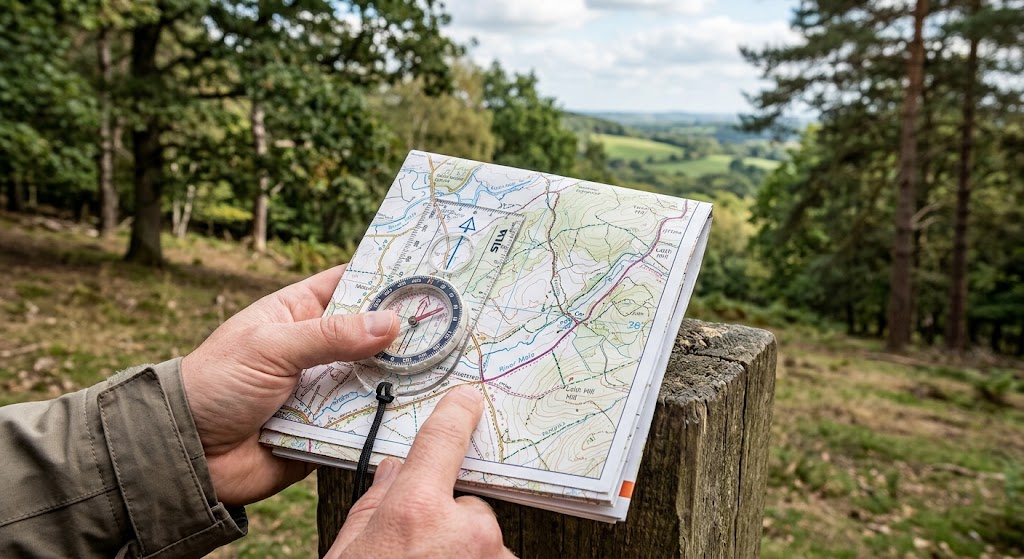
    Activity Overview Difficulty: BeginnerTime: 45โ€“60 minutesLocation: Suitable outdoor training areaBest for: Scouts and ExplorersSkills: Navigation, route planning, situational awareness, map reading, decision-making, group management The best way to deal with becoming lost is to avoid becoming lost in the first place. Good navigation is not simply knowing how to use a compass. It means continually…

  • Lost-Person Procedures

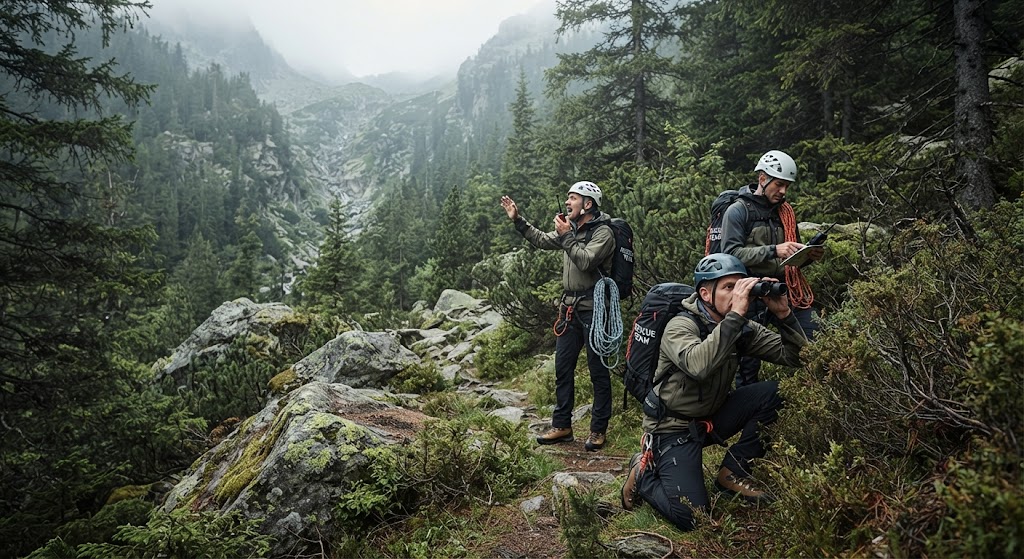
    Activity Overview Difficulty: IntermediateTime: 45โ€“60 minutesLocation: Suitable indoor or outdoor training areaBest for: Scouts and ExplorersSkills: Emergency procedures, leadership, communication, headcounts, search planning, risk assessment A lost-person situation should be treated as an emergency that needs an organised response, not as an excuse for everyone to immediately spread out and search. The first priorities are…

  • Deciding Whether to Stay or Move

    Activity Overview Difficulty: IntermediateTime: 45โ€“60 minutesLocation: Suitable indoor or outdoor training areaBest for: Scouts and ExplorersSkills: Decision-making, navigation, emergency planning, situational awareness, risk assessment When something goes wrong outdoors, one of the most important decisions is whether to stay where you are or move to somewhere else. Moving may take you towards safety, help, shelter…