The Difference Between a Hazard and a Risk
A hazard is something that could cause harm, while a risk is the chance that someone could actually be harmed by that hazard.
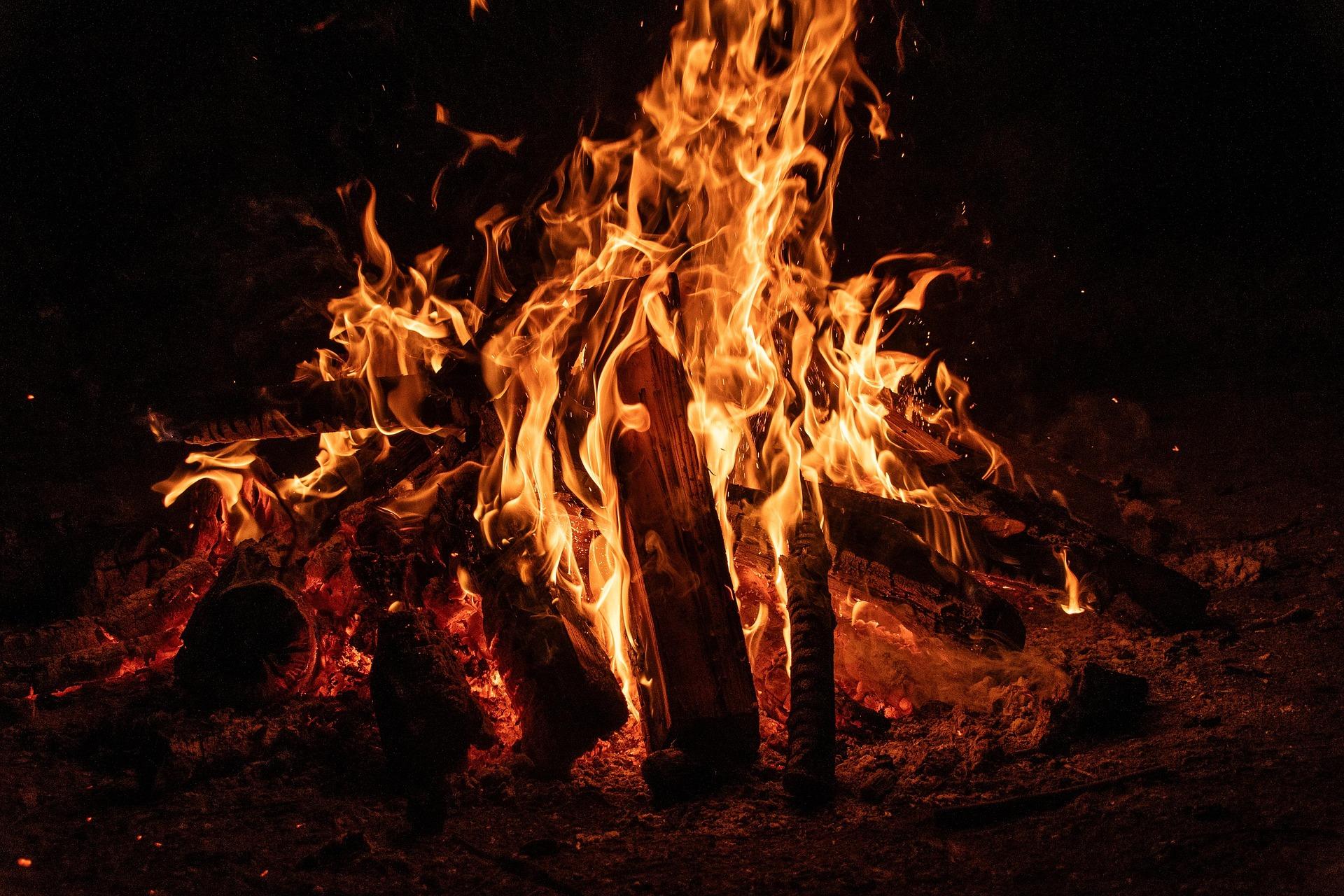
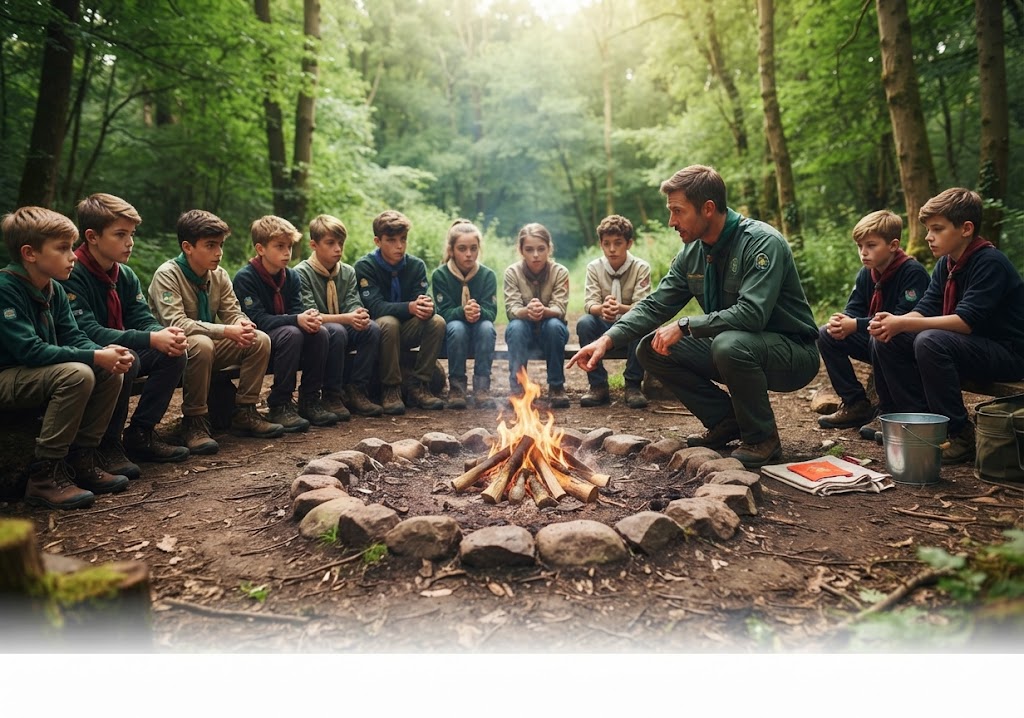
For example, a campfire is a hazard because it can cause burns. The risk depends on things such as how close people are standing, whether the fire is supervised and whether there are clear boundaries around it.
Understanding the difference makes it much easier to carry out a useful risk assessment.
What You’ll Learn
In this guide, you will learn:
- What a hazard is.
- What a risk is.
- How hazards and risks are different.
- How to identify them during an activity.
- Why the difference matters when planning activities.
Equipment
No equipment is required.
A notebook or piece of paper can be useful if you want to practise identifying hazards and risks during an activity.
Prerequisites
No previous knowledge is needed.
This guide can be used by new leaders or as a simple activity to help young people understand the basics of safety.
Instructions
1. Understand what a hazard is
A hazard is anything that has the potential to cause harm.
Common outdoor hazards include:
- Fire
- Deep or fast-moving water
- Roads and traffic
- Sharp tools
- Uneven ground
- Falling branches
- Extreme temperatures
- Slippery surfaces
- Poor visibility
A hazard does not necessarily mean that someone will be injured. It simply means there is the potential for harm.
2. Understand what a risk is
Risk is about the possibility of that harm actually happening.
Imagine you have a small campfire in a controlled fire area.
The fire is the hazard.
Someone falling into the fire and suffering a burn is the risk.
The likelihood of that happening will depend on how the fire is managed.
3. Look at what changes the risk
The same hazard can have very different levels of risk depending on the circumstances.
For example, walking near water might be relatively low risk when everyone is on a wide, stable path well away from the edge.
The risk increases if the group is walking beside deep water on slippery ground.
The hazard has not necessarily changed, but the circumstances have.
4. Think about controls
Once you identify a hazard, consider what you can do to reduce the risk.
For a campfire, this could include:
- Creating a clear boundary.
- Keeping people a safe distance away.
- Having appropriate supervision.
- Keeping suitable equipment nearby.
- Making sure everyone understands the rules.
The fire remains a hazard, but the risk can be reduced.
5. Try the hazard and risk test
Choose something around your activity area and ask two questions:
What is the hazard?
What could happen because of it?
For example:
Hazard: Uneven ground.
Risk: Someone could trip, fall and injure themselves.
Then ask:
What could we do to reduce the risk?
You might choose a safer route, improve lighting or make sure everyone knows about the uneven section.
6. Remember that hazards cannot always be removed
Outdoor activities naturally involve hazards.
Trying to remove every hazard would make many activities impossible.
The aim is to understand the hazards and manage the associated risks sensibly.
Final Tip
When carrying out a risk assessment, don’t just write down a list of hazards.
Always ask “So what could happen?”
That second question turns a list of hazards into a useful assessment of the actual risks involved.
🔒Ready to test your survival skills?
Join Survival Guides UK for free, complete challenges, earn badges and increase your Survival Level.
JOIN FREE →
CRAIG BURR
FOUNDER · SURVIVAL GUIDES UK
I'm Craig, the person behind Survival Guides UK. I created SGUK because I wanted somewhere people could learn real outdoor skills in a practical, straightforward way — from lighting a fire and tying knots to navigation, campcraft and everything in between.
You can read more about the story behind SGUK here as well as our approach here.