How to Carry Out a Simple Activity Risk Assessment
A simple activity risk assessment is a way of identifying what could go wrong during an activity and deciding what you can do to reduce the chance of it happening.
You do not need a complicated form or pages of paperwork. Start by looking at the activity, identifying the main hazards, considering who could be affected and deciding what reasonable precautions are needed.
The aim is not to remove every risk. It is to make the activity as safe as reasonably possible while still allowing people to learn, explore and have fun.
What You’ll Learn
In this guide, you will learn how to:
- Identify the main hazards involved in an activity.
- Decide who could be affected.
- Judge how serious a risk could be.
- Put sensible control measures in place.
- Review your plans when circumstances change.
Equipment
You do not need any specialist equipment.
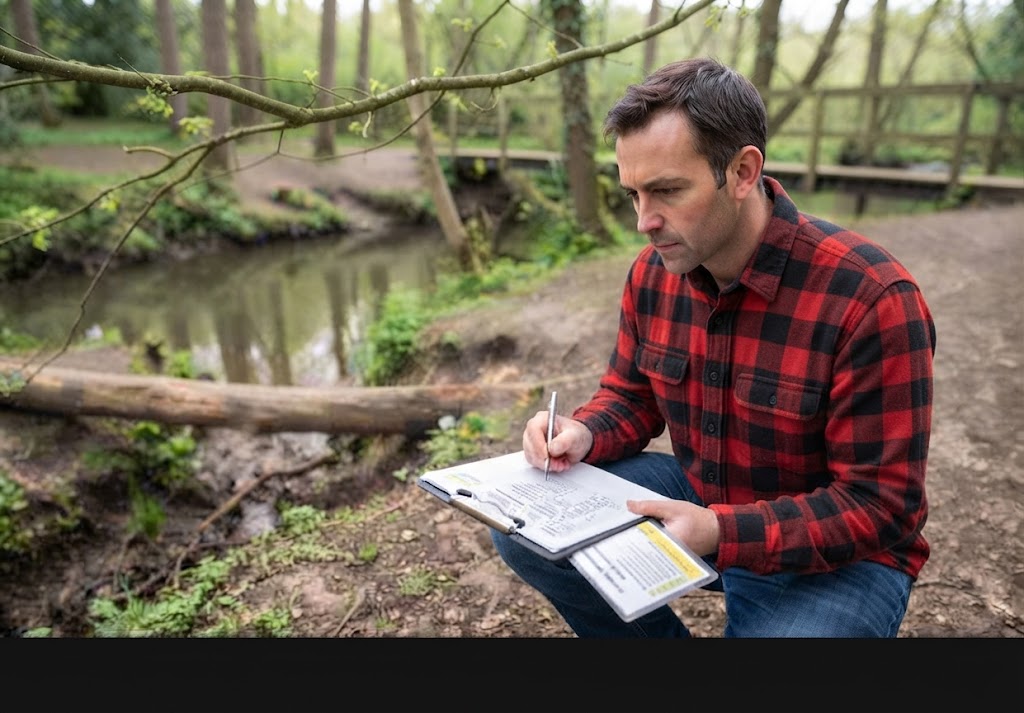
A notebook, printed activity plan or phone can be useful for recording your thoughts. For more complicated activities, you may want to use a written risk assessment that can be reviewed by the other leaders involved.
Prerequisites
No previous experience is needed.
It helps to know what activity you are planning, where it will take place and roughly how many people will be taking part.
Instructions
1. Think about the activity
Start by describing what you are actually going to do.
For example, an activity involving a woodland walk has different risks from a campfire, night hike or water activity.
Think about the location, equipment, weather, time of day and the people taking part.
2. Look for hazards
A hazard is something that could cause harm.
Walk through the activity in your mind and ask:
“What could go wrong?”
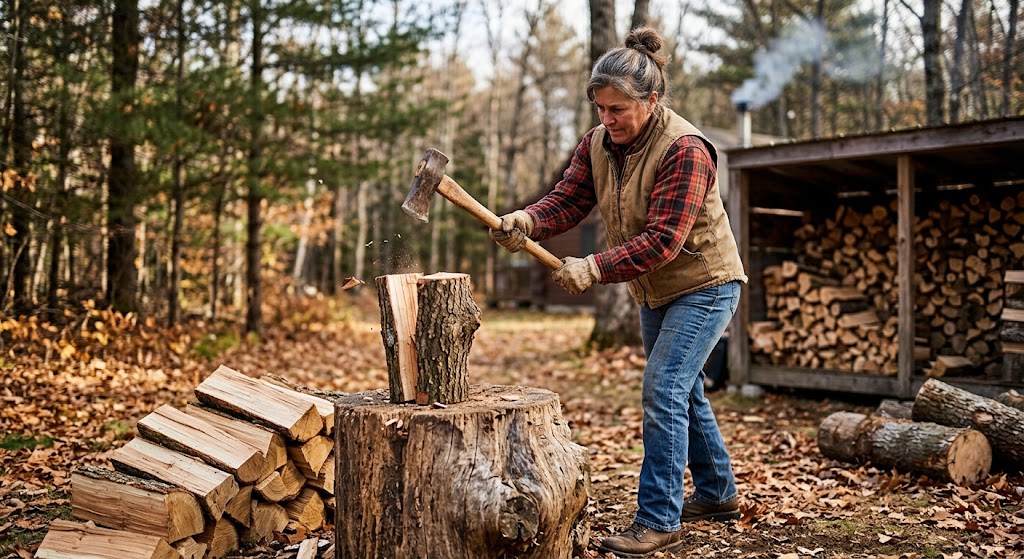
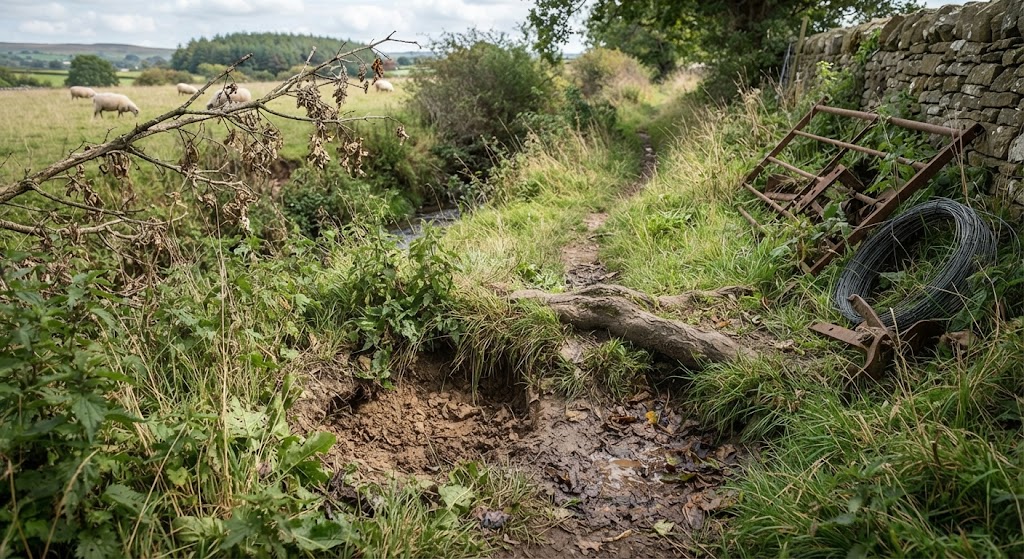
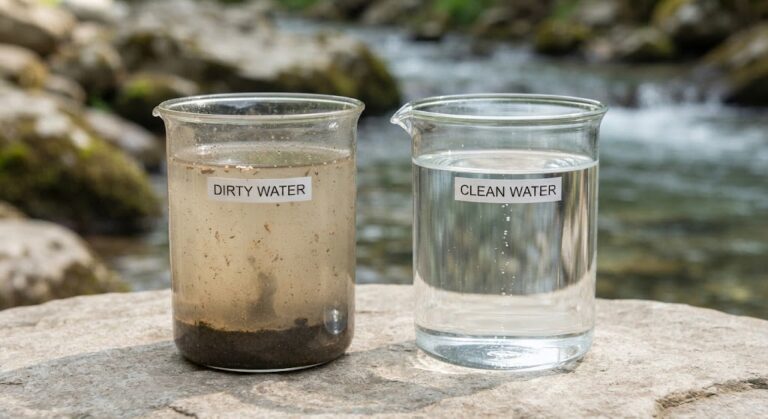
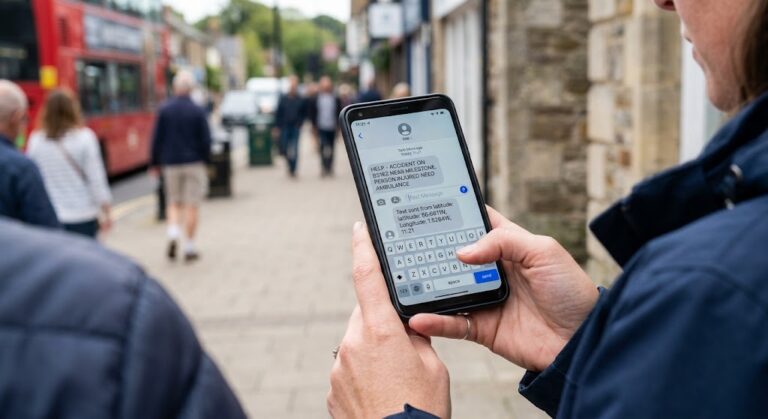
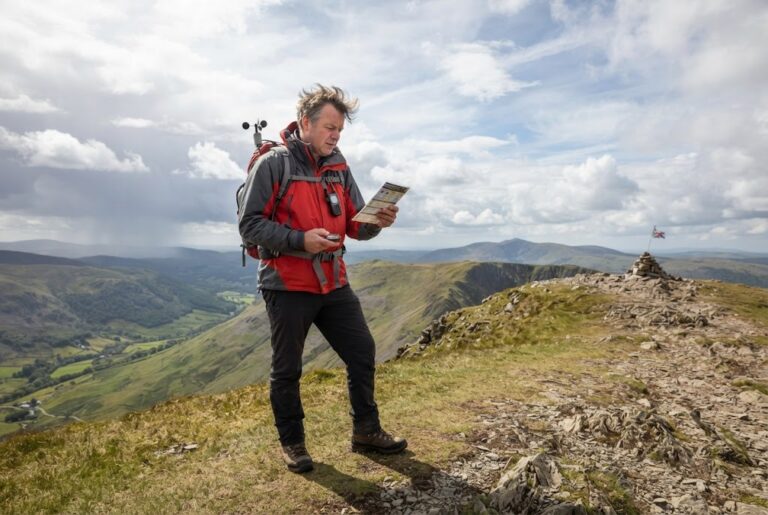
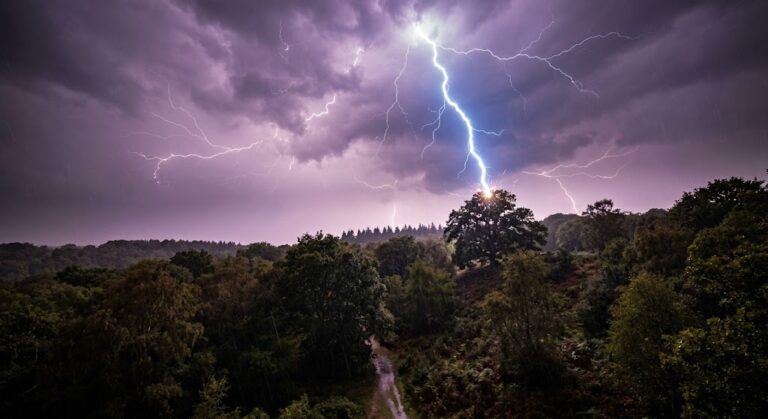
Look for obvious hazards such as fire, water, traffic, uneven ground, falling branches, sharp equipment, extreme weather or getting lost.
Also think about less obvious problems such as tiredness, poor visibility, unsuitable clothing or someone becoming separated from the group.
3. Consider who could be affected
Think about everyone involved, including participants and leaders.
Some people may need additional consideration because of their age, experience, ability or familiarity with the activity.
4. Decide how serious the risk is
Ask yourself two simple questions:
How likely is this to happen?
If it happens, how serious could the consequences be?
A minor trip on level ground is very different from falling into deep, fast-moving water.
Focus your attention on the risks that could cause the greatest harm.
5. Decide what you can do about it
Consider what sensible steps could reduce the risk.
This might mean changing the location, moving equipment, setting boundaries, providing protective clothing, changing the activity or making sure an appropriate number of leaders are present.
Try to control the hazard rather than simply telling people to “be careful”.
6. Explain the important risks
Before starting, make sure everyone understands the important safety rules.
Keep your explanation suitable for the age and experience of the group.
Young people are much more likely to remember a few clear instructions than a long list of rules.
7. Keep watching for changes
A risk assessment is not something you complete and forget about.
Weather can change, equipment can break, a group can become tired or the location may be different from what you expected.
If something changes, stop and reassess the situation.
Final Tip
Do not try to write a risk assessment that covers every possible thing that could happen.
Instead, concentrate on the realistic hazards that could cause significant harm and the practical steps you can take to control them.
Good safety planning should help you run a better activity, not stop you from running one.
🔒Ready to test your survival skills?
Join Survival Guides UK for free, complete challenges, earn badges and increase your Survival Level.
JOIN FREE →
CRAIG BURR
FOUNDER · SURVIVAL GUIDES UK
I'm Craig, the person behind Survival Guides UK. I created SGUK because I wanted somewhere people could learn real outdoor skills in a practical, straightforward way — from lighting a fire and tying knots to navigation, campcraft and everything in between.
You can read more about the story behind SGUK here as well as our approach here.