Mountain Rescue Challenge
Activity Overview
Can your team plan and complete a mountain rescue?
👦 Age: 8–18
👥 Group size: 6–30
⏱️ Duration: 45–60 minutes
📍 Location: Indoors or outdoors
⭐ Difficulty: 3/5
Imagine you’re part of a mountain rescue team. Your group has received an emergency call: an explorer has become injured while travelling through the mountains and needs help getting back to safety.
There’s a problem, though. The weather is getting worse, the route isn’t straightforward, and you don’t have unlimited equipment.
Your mission is to plan the rescue, reach the casualty, solve problems along the way and get everyone safely back to base.
This challenge is all about teamwork, communication, decision-making and problem-solving. You don’t need to be the fastest team — you need to be the team that makes the best decisions.
⚠️ Important: This is a fictional Scout activity and is not training for real mountain rescue. Never attempt a real rescue without appropriate training and emergency support.
🧰 What you’ll need
You don’t need specialist equipment to run this challenge.
Equipment
- Cones or other markers
- Rope or string
- A map or simple map you’ve drawn yourself
- Paper and pencils
- A timer
- Several objects to represent rescue equipment
- A backpack or other suitable object to represent the casualty
- Optional: blankets, mats or other safe props
You can run the activity indoors, outdoors or around a Scout meeting place.
🚨 The Mission
Read this briefing to your team:
EMERGENCY BRIEFING
Your expedition has run into trouble.
One member of the team has been injured and is unable to walk without assistance.
They are waiting at the Rescue Site.
The weather is beginning to deteriorate and you need to get them back to Base Camp.
You have a limited amount of equipment and must decide what you need before setting off.
Your team has five minutes to make a plan.
Your team now has to decide what they’re going to do.
🗺️ Stage 1 — Make a plan
Before anyone sets off, give the team five minutes to prepare.
They need to think carefully about their plan.
Who is leading?
Choose someone to coordinate the team.
Remember, being a leader doesn’t mean making every decision yourself. A good leader listens to the rest of the team.
What equipment will you take?
Give the team a selection of equipment cards or objects.
For example:
- Rope
- First-aid kit
- Water
- Torch
- Map
- Compass
- Whistle
- Emergency shelter
- Food
- Radio
Tell them that they can’t take everything.
They have to decide what’s most useful.
Which route will you take?
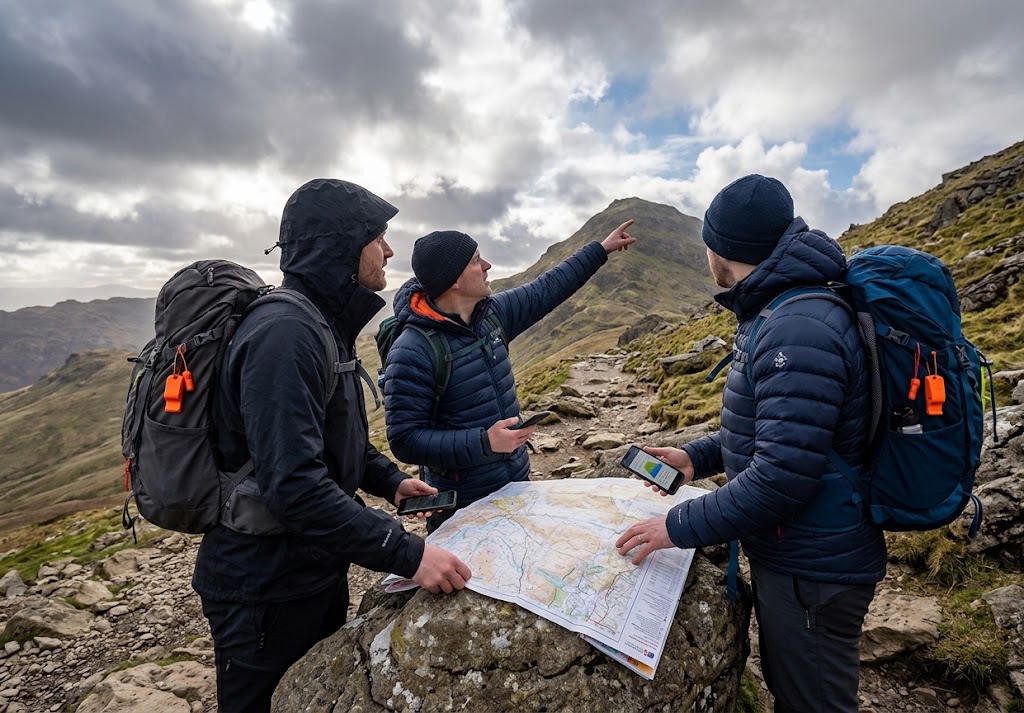
Give them a map showing several possible routes.
Some routes should be easier but longer, while others could be shorter but contain more hazards.
The team needs to discuss the advantages and disadvantages of each route.
🧭 Stage 2 — Begin the rescue
Once the team has made its plan, start the timer.
Create a simple course with different hazards.
The hazards don’t need to be dangerous. They can simply be marked areas or obstacles that make the team stop and think.
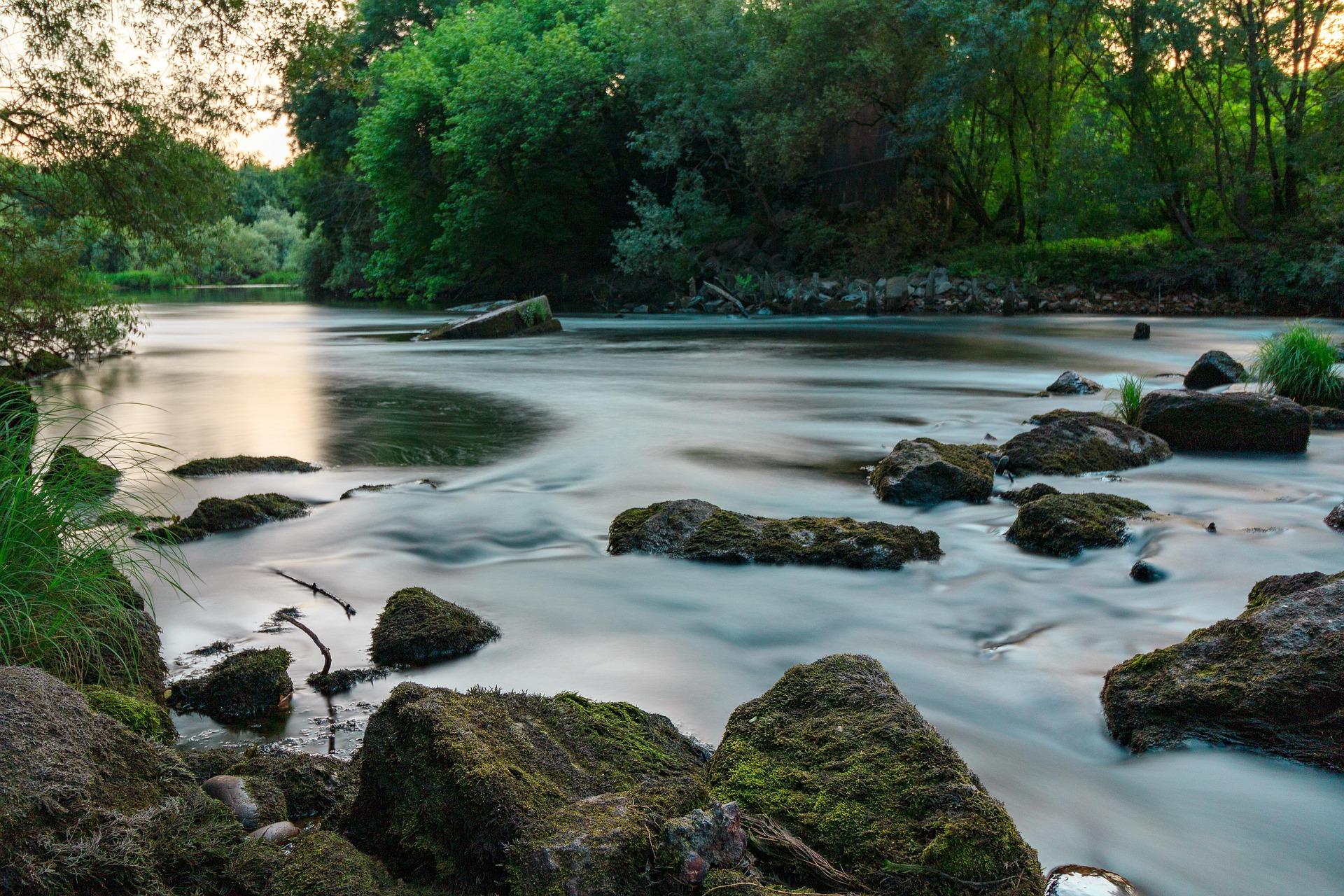
🌊 River crossing
Mark out a river using rope.
The team needs to work out how to cross without stepping into the river.
You could provide a few safe stepping points and give them a limited number of attempts.
🌲 Fallen trees
Place cones or other markers across the route.
The team needs to find a safe way around the obstacle.
🌫️ Poor visibility
Choose one person to be the navigator.
The navigator can see the route, but the rest of the team have to follow their instructions.
This tests how clearly they can communicate.
⛰️ Difficult ground
Create an area where the team has to slow down.
Everyone must stay together.
The aim isn’t to make the course physically difficult. It’s to encourage the team to think about how they move safely through an environment.
🩹 Stage 3 — Reach the casualty
Eventually, the team reaches the Rescue Site.
But the challenge isn’t over.
Give them this message:
RESCUE UPDATE
You have reached the casualty.
They are conscious but cannot walk unaided.
The weather has deteriorated and your planned route back to Base Camp is no longer available.
What will you do?
Give the team a few minutes to discuss the problem.
They now need to adapt their original plan.
This is an important part of the activity because plans don’t always work exactly as expected.
A good team needs to be able to change its approach when circumstances change.
🏕️ Stage 4 — Return to Base Camp
The team now needs to get the casualty back to Base Camp.
For safety, don’t actually carry another participant.
Instead, use a backpack, training dummy, suitable object or another safe prop to represent the casualty.
The team needs to work together to move the object through the course.
You can introduce one final challenge:
WEATHER WARNING
The route ahead is blocked.
You have two possible alternatives.
Which one will you choose?
Let the team discuss the options before continuing.
When they reach Base Camp, stop the timer.
Rescue complete!
🏆 How did your team perform?
You can score the challenge if you want to make it competitive.
Give up to 10 points for each category.
🤝 Teamwork — 10 points
Did everyone contribute?
🗣️ Communication — 10 points
Did people listen and give clear instructions?
🧠 Problem-solving — 10 points
Did the team find solutions when things changed?
🛡️ Safety — 10 points
Did they make sensible decisions?
👑 Leadership — 10 points
Did the leader keep everyone organised and listen to the team?
🗺️ Planning — 10 points
Did they think carefully before setting off?
Maximum score: 60 points
Remember that the fastest team shouldn’t automatically win.
A slower team that makes excellent decisions may have performed much better.
🔥 Make it harder
Once everyone has completed the basic challenge, try one of these variations.
🤫 Silent rescue
For part of the course, nobody is allowed to speak.
Can the team communicate using gestures?
🎒 Lose an item
Remove one piece of equipment from the team’s kit.
Can they adapt their plan?
🔄 Change the leader
Halfway through the rescue, another team member becomes the leader.
🗺️ Change the route
Tell the team that their planned route is now unavailable.
They have to choose another route.
⏱️ Beat your own time
Run the course again.
This time, don’t just try to go faster. Try to improve your planning and decision-making.
💬 What did you learn?
Once the challenge is finished, bring everyone together and talk about what happened.
Ask:
- What was the hardest part of the rescue?
- Did your original plan work?
- What happened when your plan changed?
- Did everyone get a chance to contribute?
- Who showed good leadership?
- How could your communication have been better?
- Did you concentrate more on speed or safety?
- What would you do differently next time?
The discussion is just as important as the challenge itself.
🧠 Skills you’re practising
This activity can help you practise:
🤝 Teamwork — working towards a shared goal.
🗣️ Communication — giving clear information and listening carefully.
🧭 Navigation — thinking about routes and possible hazards.
🧠 Problem-solving — finding solutions when something doesn’t go according to plan.
👑 Leadership — helping a team make decisions and stay organised.
⚠️ Risk awareness — understanding that the quickest option isn’t always the safest.
♿ Make it accessible
The challenge doesn’t have to involve physical obstacles.
You could make the entire activity a planning exercise using maps, scenario cards and equipment cards.
Participants can also take different roles, such as:
- Navigator
- Team leader
- Communications officer
- Equipment manager
- Safety officer
- Route planner
This means everyone can make an important contribution, even if they don’t want to take part in the physical course.
🛡️ Safety
Keep the activity fictional and controlled.
Don’t ask participants to carry another person, climb dangerous obstacles, enter deep water or use unstable structures.
Check the area before starting and adapt the activity to the age, abilities and needs of your group.
If you’re running this as part of Scouting, follow the relevant Scouts safety, safeguarding and activity guidance.
Most importantly, make sure everyone understands that this is a game about teamwork and decision-making, not instruction for carrying out a real rescue.
In a real emergency, get appropriate help and follow established emergency procedures.
🏔️ Your final challenge
You’ve completed the rescue.
But could you do it better?
Run the challenge again and try to improve your team’s score — without sacrificing safety.
A great rescue team doesn’t just move quickly.
It plans carefully, communicates clearly, works together and adapts when things go wrong.
Think. Plan. Work together. Rescue.
🔒Ready to test your survival skills?
Join Survival Guides UK for free, complete challenges, earn badges and increase your Survival Level.
JOIN FREE →
CRAIG BURR
FOUNDER · SURVIVAL GUIDES UK
I'm Craig, the person behind Survival Guides UK. I created SGUK because I wanted somewhere people could learn real outdoor skills in a practical, straightforward way — from lighting a fire and tying knots to navigation, campcraft and everything in between.
You can read more about the story behind SGUK here as well as our approach here.