Signalling

Learn practical outdoor signalling techniques for attracting attention and communicating your location during emergencies when help may be needed.

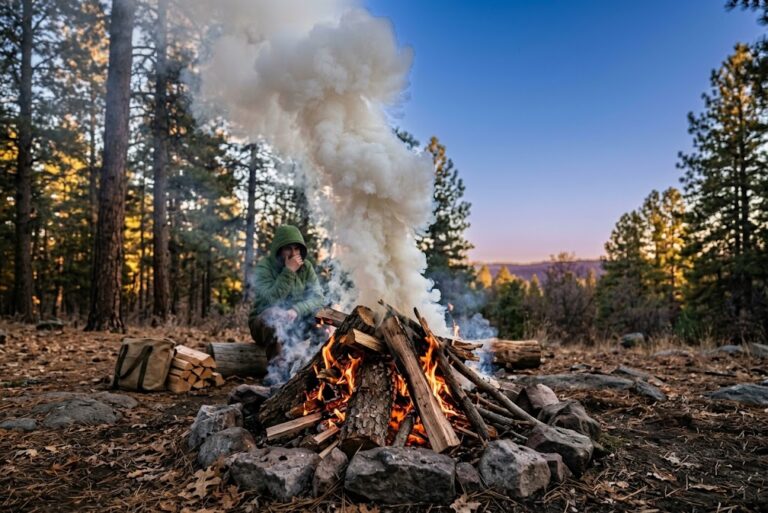
  • How to Make a Smoke Signal

    A column of smoke can be visible from much further away than a person, particularly in open countryside where there are few other sources of smoke. In an emergency, a controlled smoke signal can therefore be useful for attracting the attention of rescuers or other people who may be able to help. Smoke signalling is…
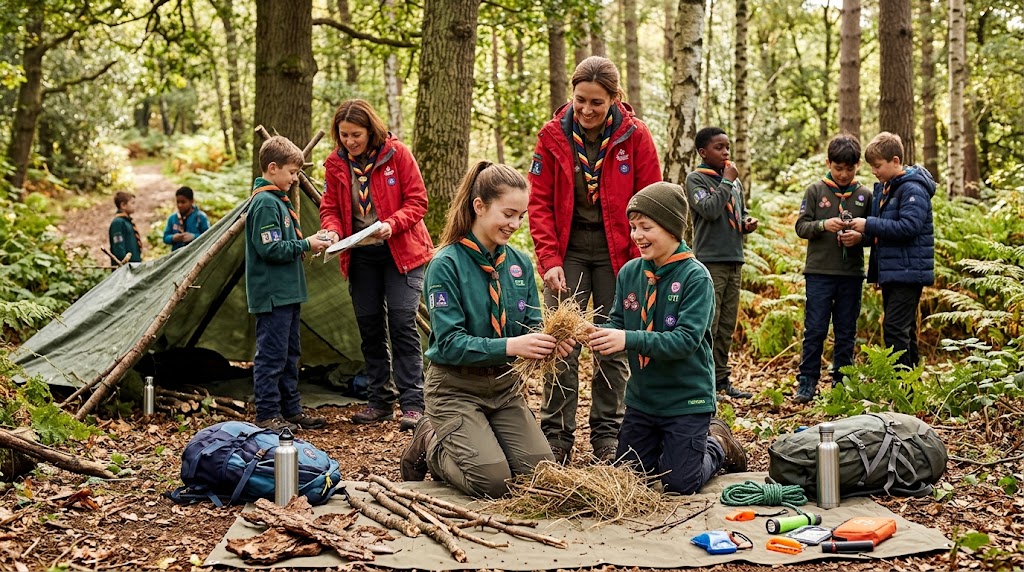
  • 10 Easy Survival Activities for Scout Leaders

    Activity Overview Difficulty: BeginnerTime: 1-3 hours depending on activitiesLocation: Suitable woodland, campsite or outdoor training areaBest for: Scout leaders, Explorers and outdoor instructorsSkills: Survival skills, leadership, teamwork, problem-solving, navigation, shelter building, fire safety and outdoor awareness The best survival activities for Scout leaders are simple, practical exercises that teach useful skills without requiring complicated equipment…

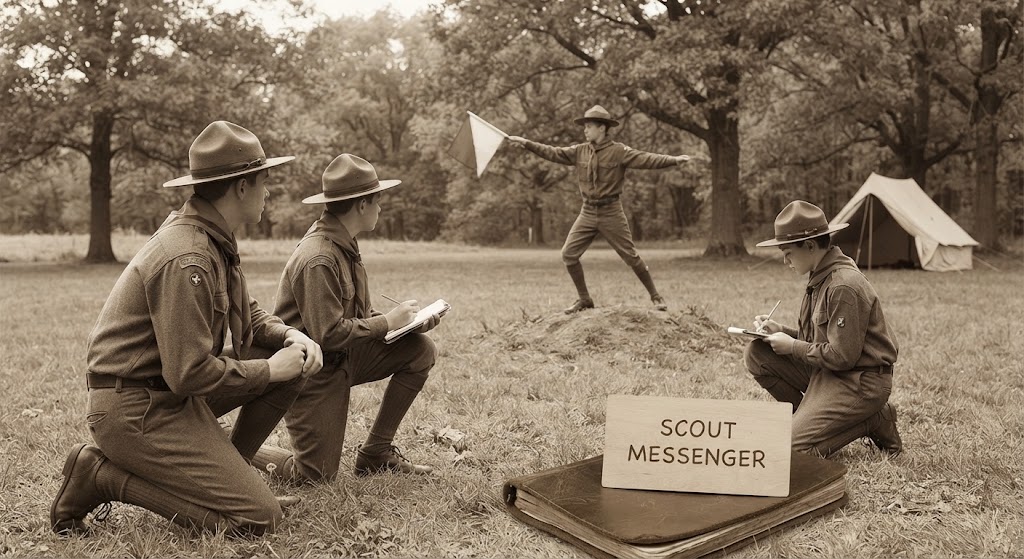
  • Historical Scouting Communication

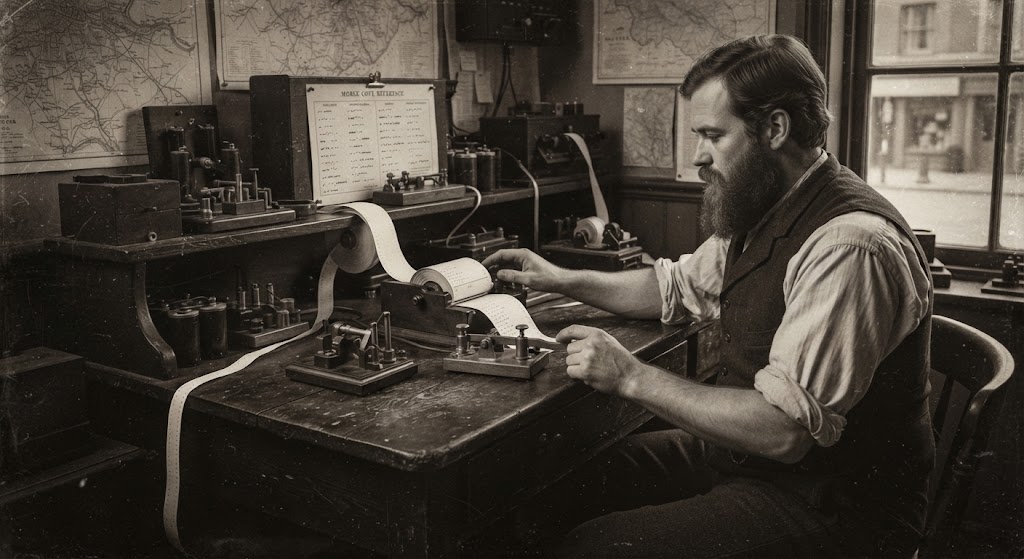
    Activity Overview Difficulty: BeginnerTime: 45–90 minutesLocation: Suitable indoor or outdoor training areaBest for: Scouts, Explorers and outdoor enthusiastsSkills: Communication, signalling, teamwork, observation, Morse code, semaphore, message handling Communication has always been an important part of Scouting. Before mobile phones and digital radios, Scouts had to rely on a combination of spoken messages, written notes, runners,…

  • Historical Signalling

    Activity Overview Difficulty: BeginnerTime: 45–60 minutesLocation: Suitable indoor or outdoor training areaBest for: Scouts, Explorers and outdoor enthusiastsSkills: Communication, signalling, observation, Morse code, semaphore, teamwork, concentration Before mobile phones, digital radios and satellite communications, people had to find other ways of sending information over distance. Historical signalling methods included semaphore, Morse code, flags, whistles, mirrors,…

  • Phonetic Alphabet: NATO Alphabet for Scouts and Outdoor Communication

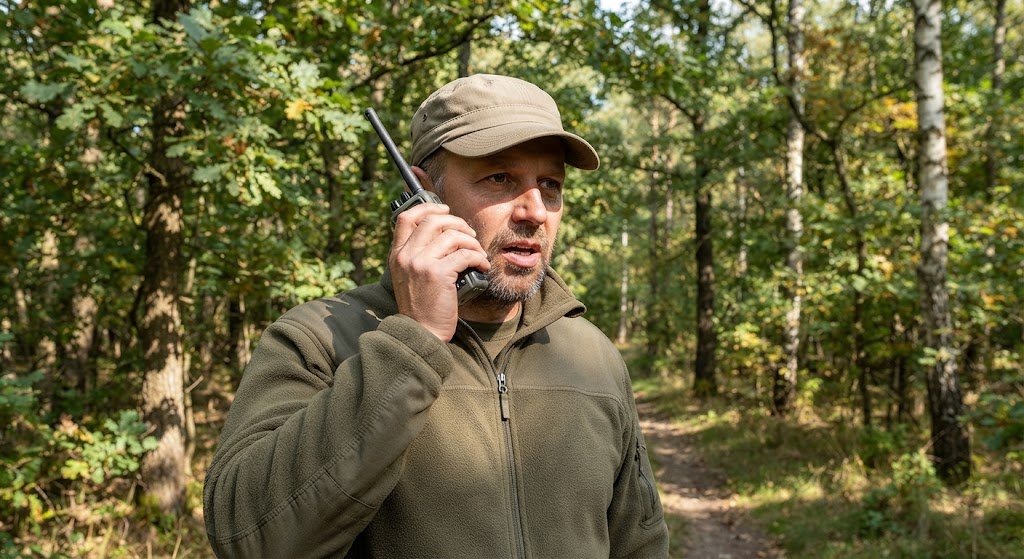
    Activity Overview Difficulty: BeginnerTime: 30–45 minutesLocation: Suitable indoor or outdoor training areaBest for: Scouts, Explorers and outdoor enthusiastsSkills: Communication, radio skills, spelling, emergency communication, accuracy, teamwork The phonetic alphabet is a standard way of spelling letters aloud so that they are less likely to be misunderstood. The most widely used version is the NATO phonetic…

  • Mirror Signalling: Scout Emergency Skills Guide

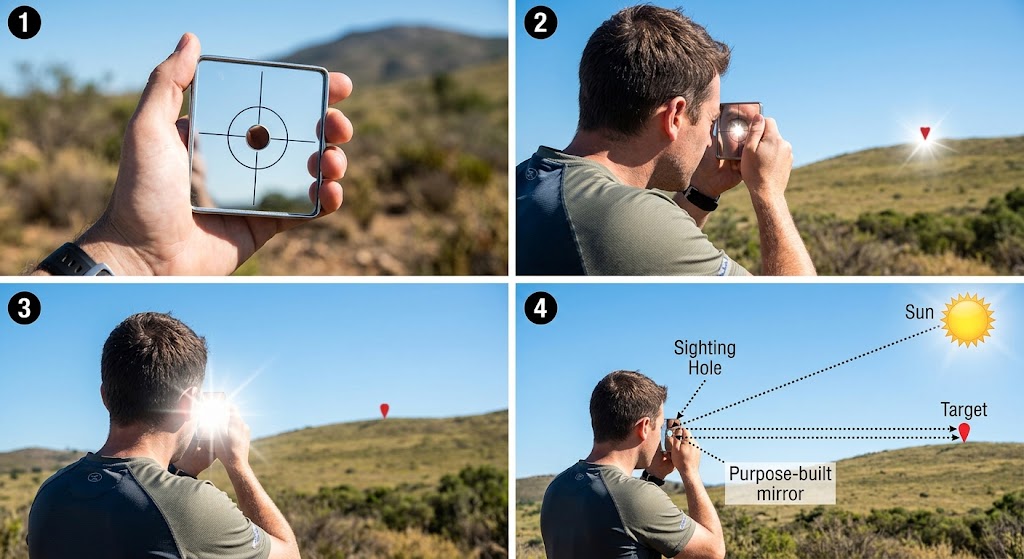
    Activity Overview Difficulty: ModerateTime: 30–45 minutesLocation: Open countryside, campsites and suitable outdoor training areasBest for: Scouts, Explorers, Patrol Leaders and adult leadersSkills: Emergency signalling, observation, communication, navigation and situational awareness A signalling mirror uses reflected sunlight to attract attention over long distances. The most important skill is controlling the reflected flash and directing it towards…

  • Torch Signalling: Scout Emergency Skills Guide

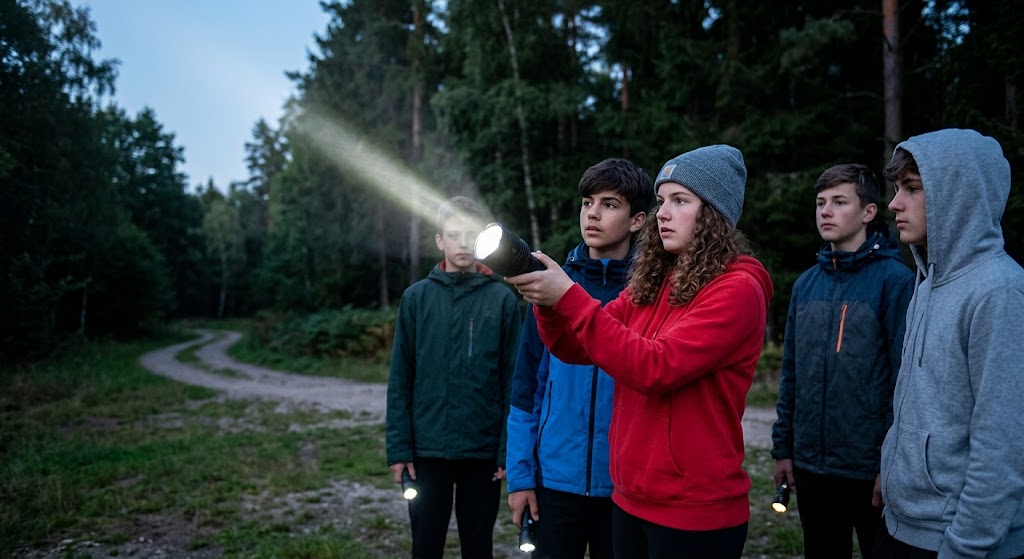
    Activity Overview Difficulty: Easy–ModerateTime: 20–30 minutesLocation: Campsites, woodland edges and suitable outdoor training areasBest for: Cubs, Scouts, Explorers, Patrol Leaders and adult leadersSkills: Emergency signalling, communication, Morse code, torch handling and night-time awareness A torch can be used to attract attention and communicate simple messages, particularly at night. For Scouts, the most useful techniques are…

  • Distress Signals: Scout Emergency Skills Guide

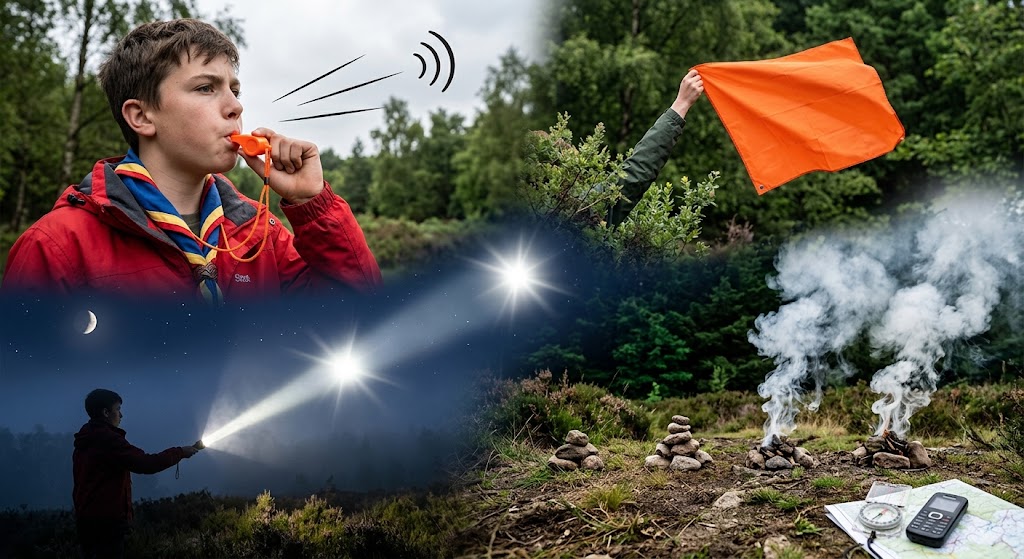
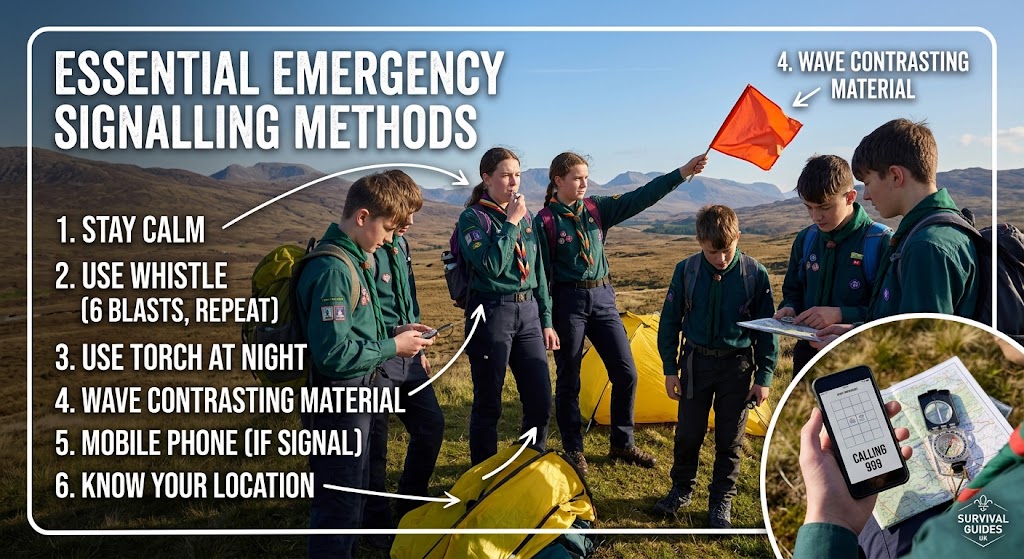
    Activity Overview Difficulty: ModerateTime: 30–45 minutesLocation: Campsites, woodland, open countryside and suitable outdoor training areasBest for: Scouts, Explorers, Patrol Leaders and adult leadersSkills: Emergency communication, signalling, situational awareness, emergency planning and outdoor safety A distress signal is used to show that you need help in an emergency. For Scouts, useful methods include a whistle, torch,…

  • Emergency Signalling: Scout Outdoor Skills Guide

    Activity Overview Difficulty: ModerateTime: 30–45 minutesLocation: Campsites, woodland, open countryside and suitable outdoor training areasBest for: Scouts, Explorers, Patrol Leaders and adult leadersSkills: Emergency communication, signalling, navigation, situational awareness and emergency planning Emergency signalling is about getting attention, communicating that you need help and making your location easier to find. The best method depends on…