For Leaders

Practical resources for Scout leaders, including badge guidance, activity ideas, teaching tips, safety advice and resources to help Scouts develop essential skills.

  • What Would You Take? Survival Kit Challenge

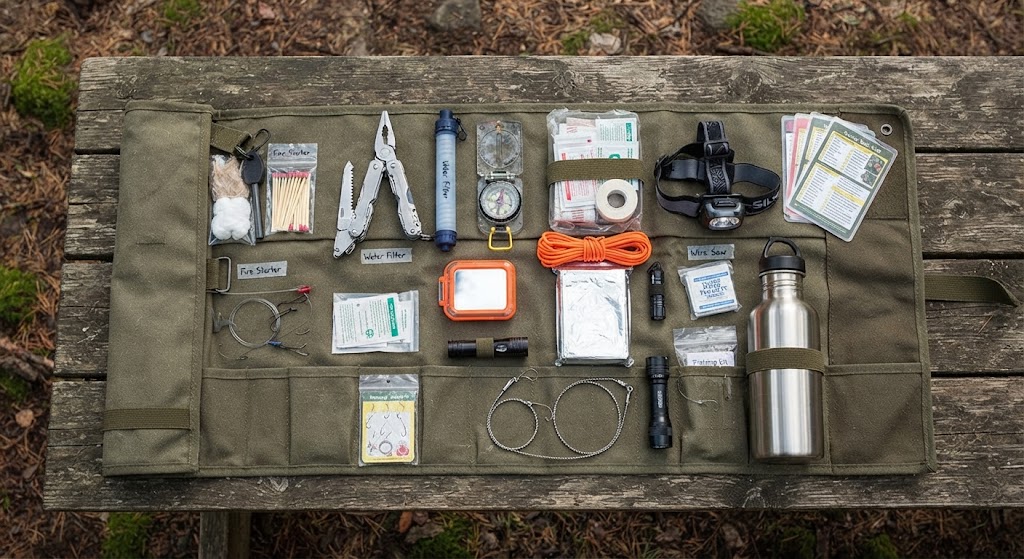
    Activity Overview Difficulty: BeginnerTime: 30 minutesGroup Size: 6-10Best for: Cubs, ScoutsSkills: Survival awareness, teamwork, decision-making, prioritisation, problem-solving Give each team a list of survival equipment and ask them to choose the items they would take if they had to spend a night outdoors with limited equipment. The challenge is not simply about choosing the “right”…
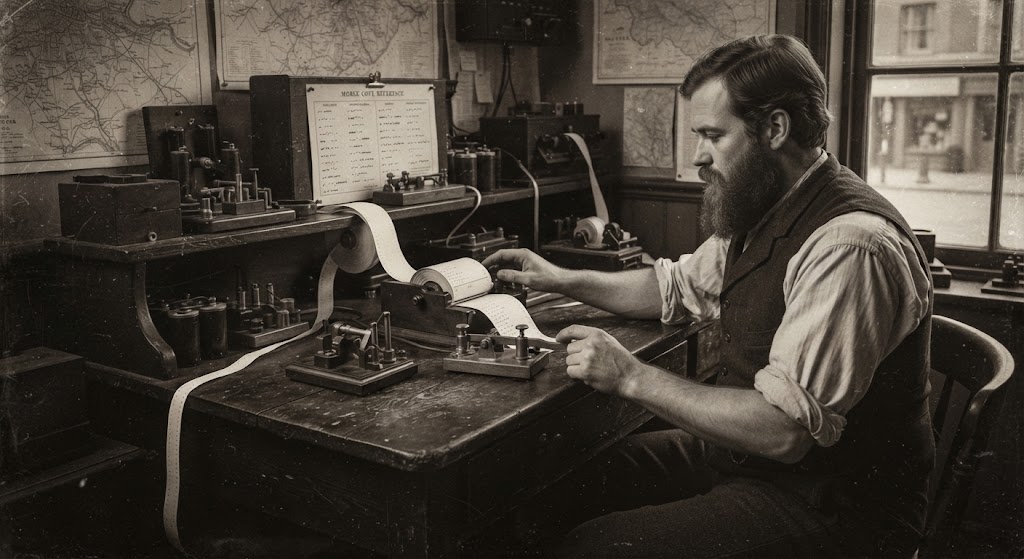
  • Historical Signalling

    Activity Overview Difficulty: BeginnerTime: 45–60 minutesLocation: Suitable indoor or outdoor training areaBest for: Scouts, Explorers and outdoor enthusiastsSkills: Communication, signalling, observation, Morse code, semaphore, teamwork, concentration Before mobile phones, digital radios and satellite communications, people had to find other ways of sending information over distance. Historical signalling methods included semaphore, Morse code, flags, whistles, mirrors,…

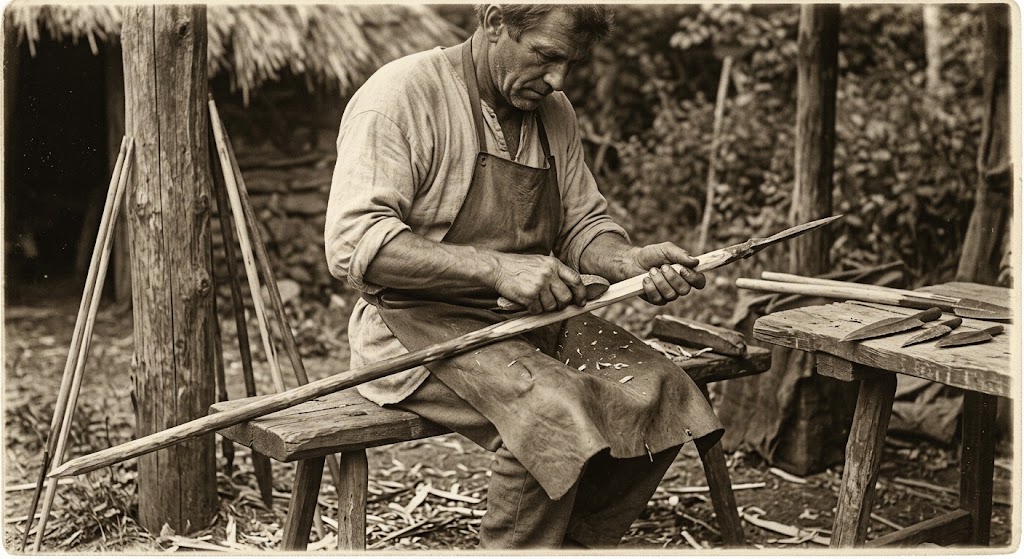
  • Historical Survival Methods

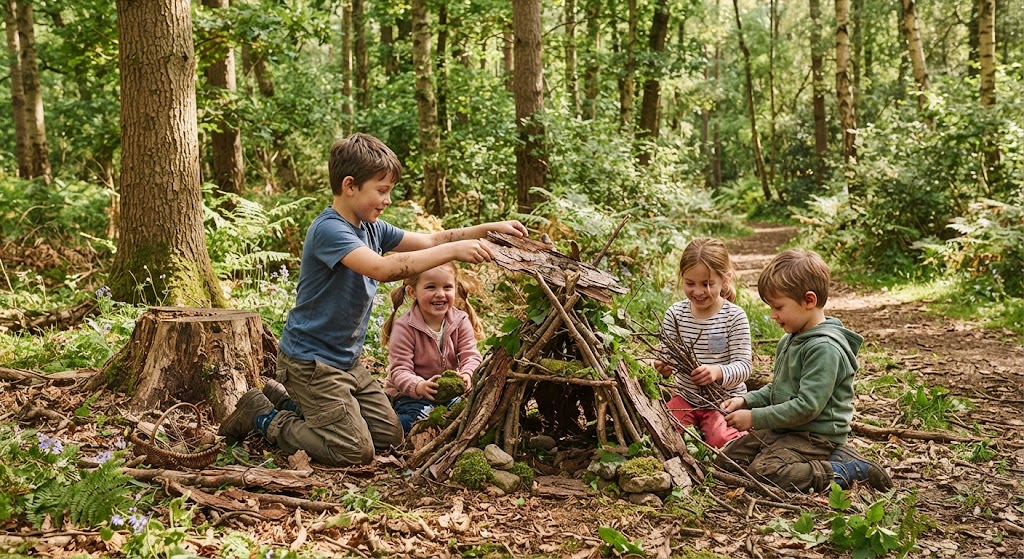
    Activity Overview Difficulty: IntermediateTime: 1–3 hours depending on the activities selectedLocation: Suitable indoor or outdoor training areaBest for: Scouts, Explorers and outdoor enthusiastsSkills: Survival skills, historical awareness, fire lighting, shelter building, navigation, signalling, resourcefulness Long before modern tents, GPS devices, synthetic clothing and lightweight camping equipment, people developed practical ways to survive outdoors using the…

  • Recreating Historical Scout Activities

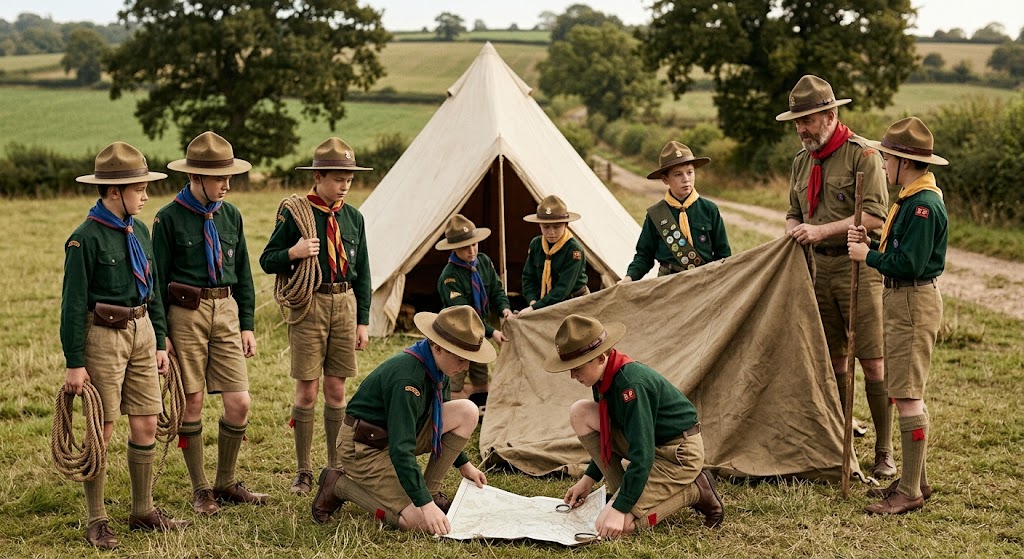
    Activity Overview Difficulty: IntermediateTime: 1–3 hours depending on the activityLocation: Suitable indoor or outdoor training areaBest for: Scouts, Explorers, leaders and history enthusiastsSkills: Research, traditional camping skills, pioneering, navigation, signalling, teamwork, historical awareness Recreating historical Scout activities can be a great way to understand how Scouting developed while practising practical outdoor skills. Historical activities might…

  • Memory and Observation Games for Groups

    Activity Overview Difficulty: EasyTime: 10–30 minutesLocation: Indoors or outdoorsBest for: Small groups, patrols and activity sessionsSkills: Memory, observation, concentration, communication and teamwork Memory and observation games challenge participants to notice information and then recall it accurately. They can involve objects, people, sounds, pictures, surroundings or changes to an environment. For groups, the best games are…

  • Nature Observation Games for Young People

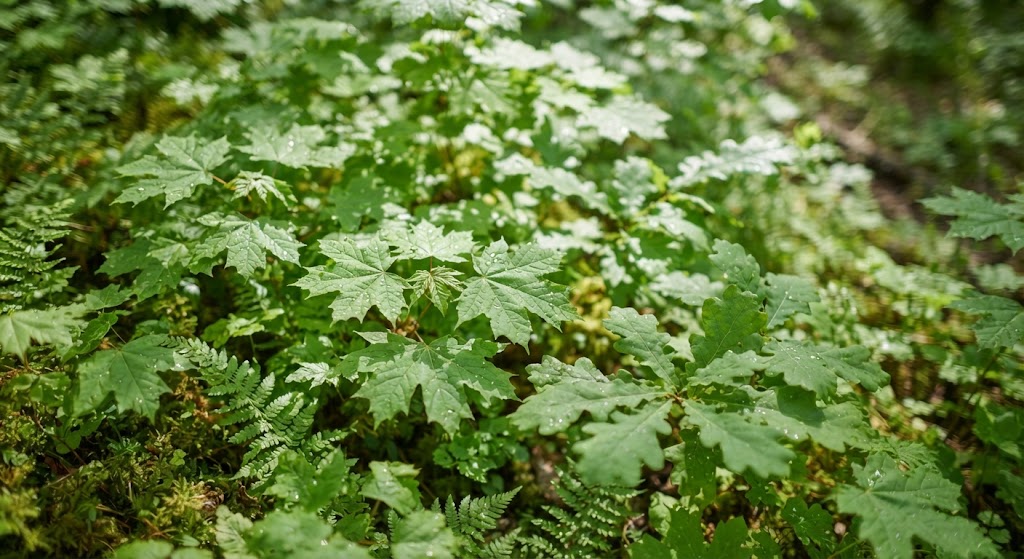
    Activity Overview Difficulty: EasyTime: 15–30 minutesLocation: OutdoorsBest for: Groups, patrols, family activities and outdoor sessionsSkills: Observation, awareness, concentration, memory and nature appreciation Nature observation games encourage young people to slow down and pay attention to the natural world around them. Rather than simply walking through an outdoor area, participants are challenged to notice particular sights,…

  • Kim’s Game: How to Run an Observation Game

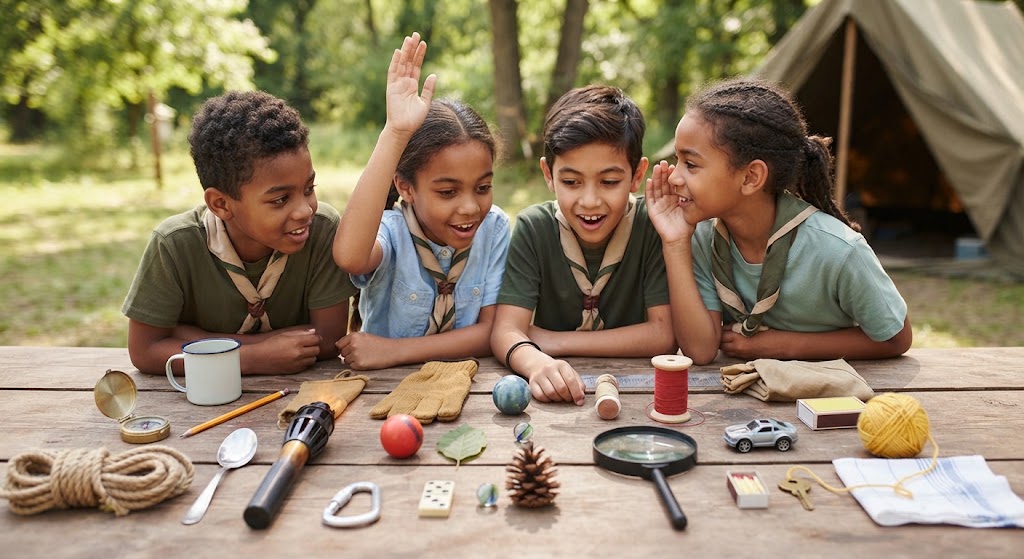
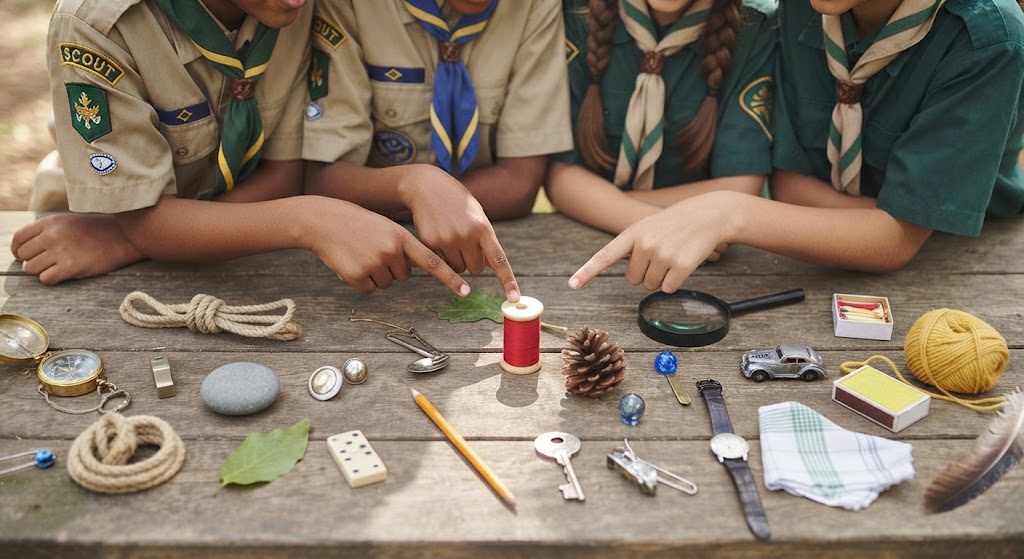
    Activity Overview Difficulty: EasyTime: 10–20 minutesLocation: Indoors or outdoorsBest for: Small groups, patrols and activity sessionsSkills: Observation, memory, concentration and attention to detail Kim’s Game is a simple observation and memory game in which participants are shown a collection of objects for a limited time before the objects are covered or removed. They then try…

  • Observation Games for Scouts and Guides

    Activity Overview Difficulty: EasyTime: 10–30 minutesLocation: Indoors or outdoorsBest for: Small groups, patrols and activity sessionsSkills: Observation, memory, attention to detail, communication and teamwork Observation games are simple activities that challenge young people to notice, remember and communicate details about their surroundings. They can be run indoors or outdoors and usually require little or no…

  • Preventing Yourself Becoming Lost: Essential Navigation Skills

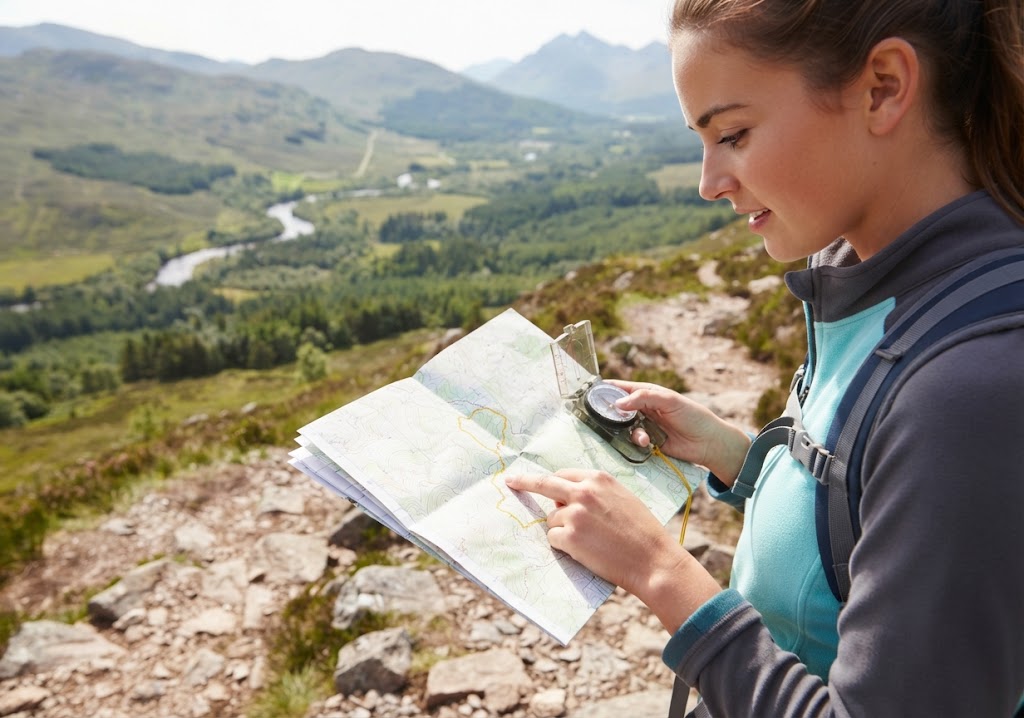
    Activity Overview Difficulty: BeginnerTime: 45–60 minutesLocation: Suitable outdoor training areaBest for: Scouts and ExplorersSkills: Navigation, route planning, situational awareness, map reading, decision-making, group management The best way to deal with becoming lost is to avoid becoming lost in the first place. Good navigation is not simply knowing how to use a compass. It means continually…

  • Lost-Person Procedures

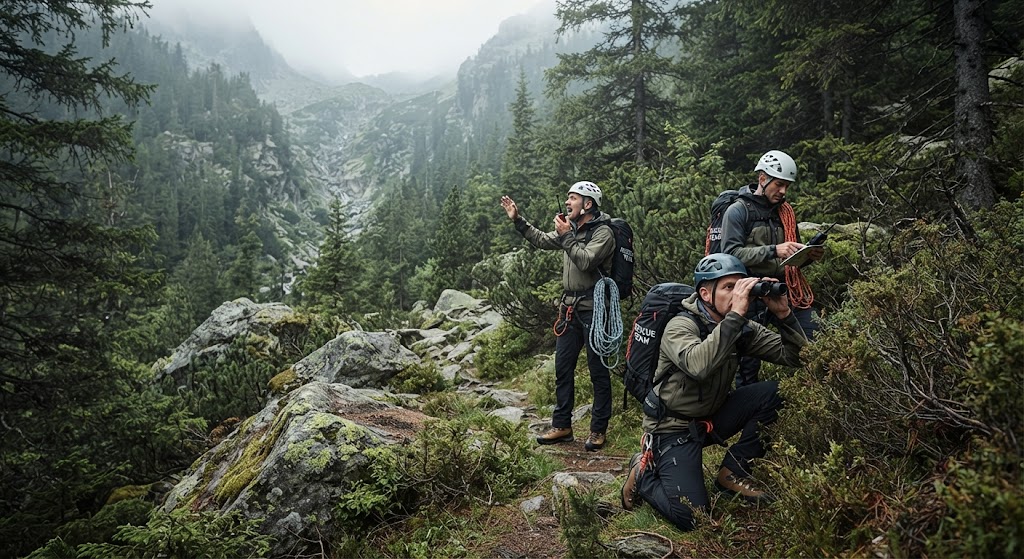
    Activity Overview Difficulty: IntermediateTime: 45–60 minutesLocation: Suitable indoor or outdoor training areaBest for: Scouts and ExplorersSkills: Emergency procedures, leadership, communication, headcounts, search planning, risk assessment A lost-person situation should be treated as an emergency that needs an organised response, not as an excuse for everyone to immediately spread out and search. The first priorities are…