Nature Observation Games for Young People
Activity Overview
Difficulty: Easy
Time: 15–30 minutes
Location: Outdoors
Best for: Groups, patrols, family activities and outdoor sessions
Skills: Observation, awareness, concentration, memory and nature appreciation
Nature observation games encourage young people to slow down and pay attention to the natural world around them. Rather than simply walking through an outdoor area, participants are challenged to notice particular sights, sounds, patterns, textures and signs of wildlife.
Most of these games require no equipment and can be adapted to suit a field, woodland, park, campsite or garden. The emphasis should be on observing nature without damaging plants, disturbing animals or collecting unnecessary objects.
What You’ll Learn
Nature observation games help young people develop:
They can also provide a useful introduction to identifying plants, trees, birds, tracks and other natural features.
🟢 SAFETY – LOW RISK
Choose an outdoor area appropriate for the age and ability of the group and establish clear boundaries before starting.
Participants should not eat plants, fungi or berries found during the activity. Avoid disturbing nests, dens, insects or other wildlife.
Take care around water, steep ground, roads, unstable trees, stinging plants and other local hazards. Participants should observe wildlife from a sensible distance rather than approaching or handling it.
Equipment
Most games need no equipment.
A few optional items can make the activities easier to organise:
A camera or phone can also be useful for recording observations, provided its use is appropriate for the group and activity.
Prerequisites
No previous nature knowledge is required.
The activities should be based on observation rather than testing participants on how many species they can name.
Before starting, explain the basic rule: look carefully, but leave nature as you found it.
Instructions
1. Choose a suitable outdoor area
Select an area with enough natural features to make observation interesting.
A woodland, field, park, campsite or garden can all work well. You don’t need a large area; even a small patch of ground can contain plenty to notice when participants slow down.
Check the area beforehand and identify obvious hazards.
2. Set clear boundaries
Tell participants exactly where they may explore.
Use visible landmarks such as paths, trees, fences or buildings where possible. If necessary, mark boundaries with cones or other suitable markers.
Explain that participants should remain within the agreed area and stay with their group or partner.
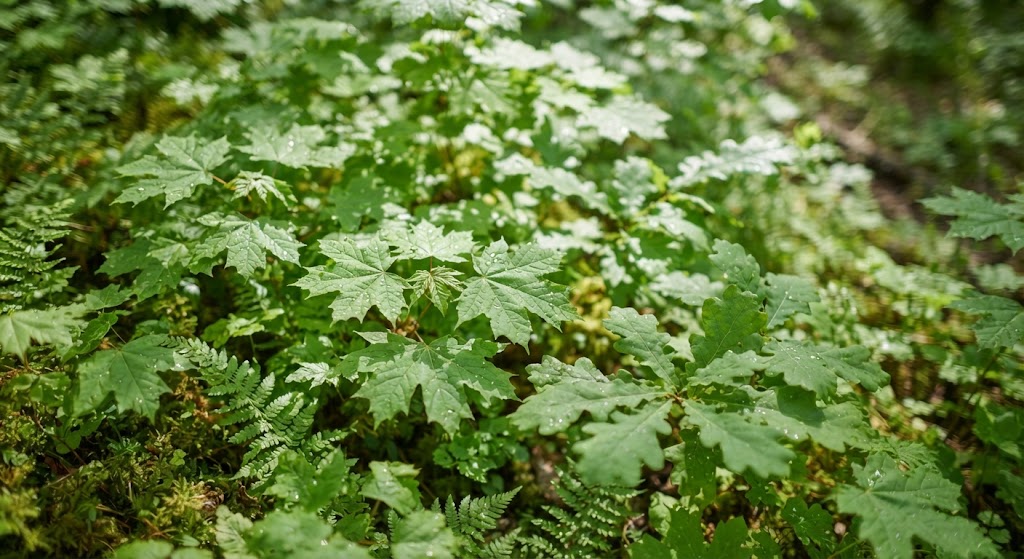
3. Play the colour hunt
Give participants a set amount of time to find different natural colours.
Rather than collecting objects, ask them to point out or record examples.
For example, they might need to find:
For older participants, challenge them to find subtle differences between similar colours.
4. Try the texture challenge
Ask participants to identify different textures they can see or safely touch.
They might look for something smooth, rough, soft, hard, wet, dry, shiny or patterned.
Encourage participants to observe without damaging plants or removing bark, moss or other natural materials.
The aim is to develop awareness of small differences that might normally be ignored.
5. Play “I Spy Nature”
Use the traditional idea of “I Spy” but restrict the answers to things visible in the natural environment.
One participant chooses something they can see and gives a clue.
The rest of the group tries to identify it.
For younger participants, use obvious features. For older groups, clues can become more precise.
For example, instead of saying something is green, the clue might describe its shape, position or texture.
6. Listen to the surroundings
Observation doesn’t have to rely on eyesight.
Ask everyone to stand or sit quietly for a minute.
Give them a specific listening task, such as counting different sounds or identifying sounds coming from different directions.
Afterwards, compare what everyone heard.
They might have noticed birds, insects, wind moving through leaves, distant traffic, footsteps or water.
Remind participants not to make unnecessary noise while listening.
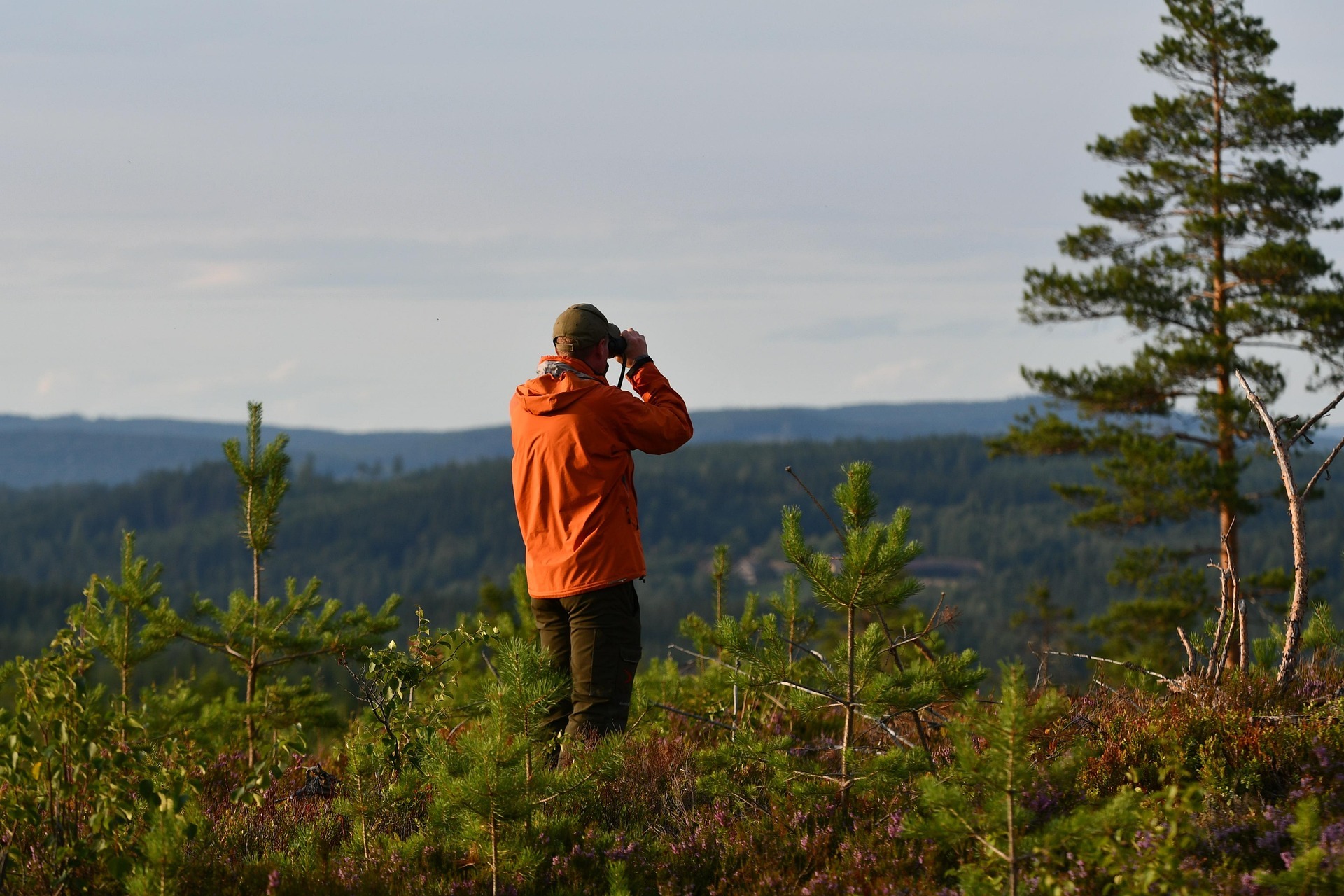
7. Try a five-minute sit spot
Choose a safe location where participants can sit comfortably.
Ask them to remain quiet and observe the area for around five minutes.
They can record or remember everything they notice.
Afterwards, ask questions such as:
This simple activity often demonstrates how much more participants notice after spending several quiet minutes in one place.
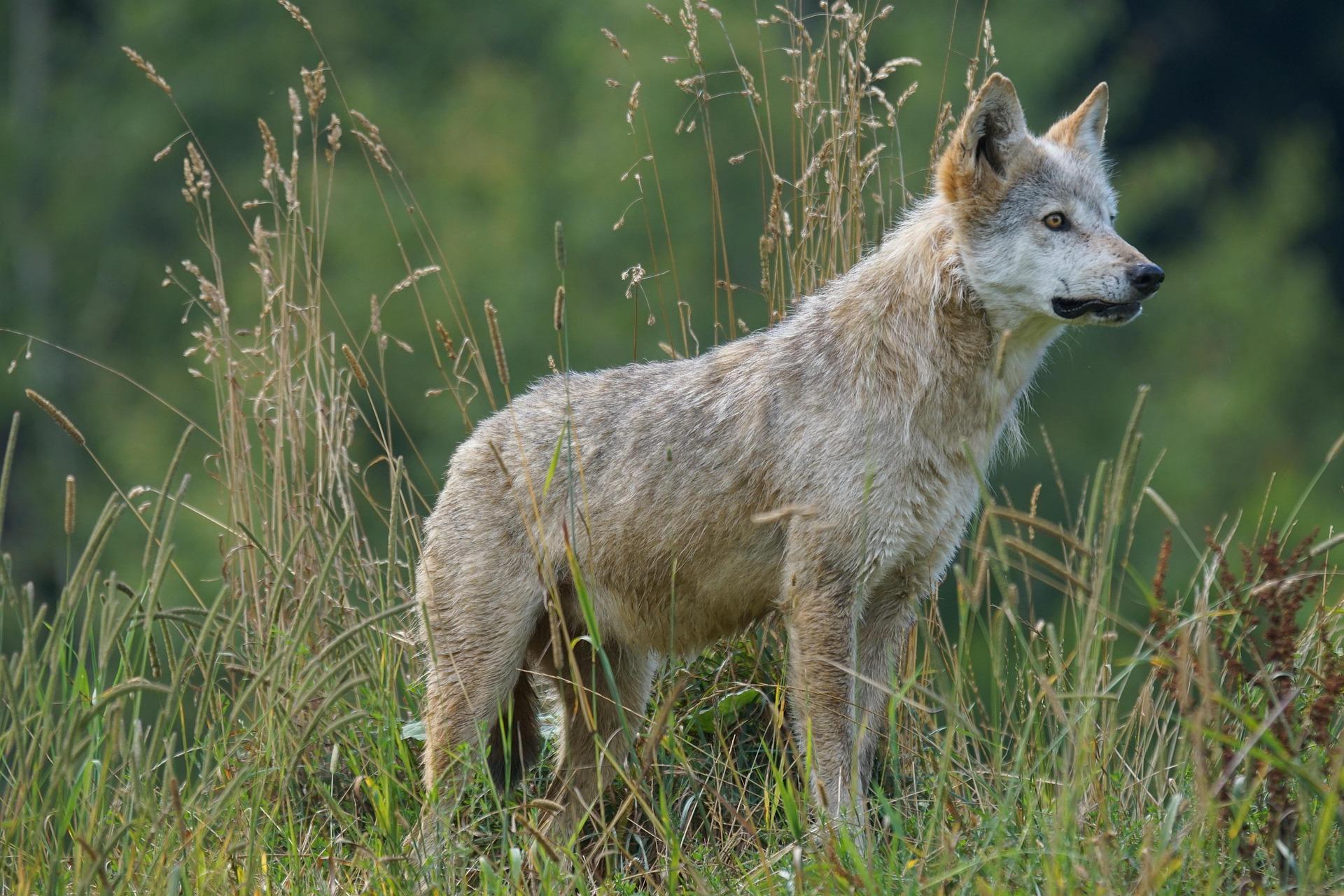
8. Look for signs of wildlife
Challenge participants to find evidence that animals have been using the area.
Depending on the location, this could include footprints, feathers, chewed nuts, holes, webs, droppings or other signs.
Participants should observe rather than interfere.
Avoid asking them to follow tracks into unsuitable areas or approach animals.
For younger groups, the activity can simply be about finding three different signs of wildlife.
Older participants can try to work out what type of animal may have left each sign.
9. Play the nature memory game
Give participants a short period to study a particular area.
Afterwards, move them away and ask them to remember as many details as possible.
Questions could include:
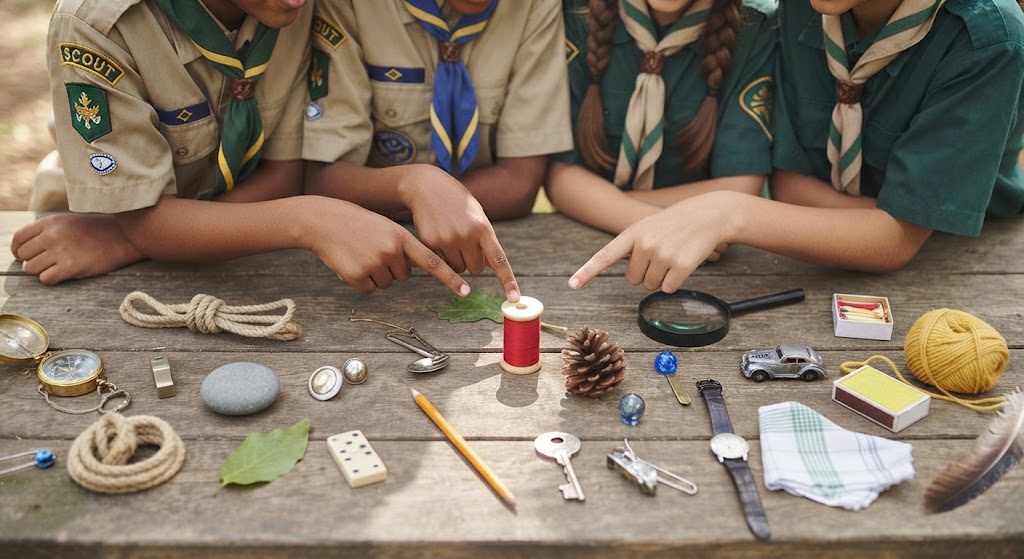
This combines nature observation with the memory skills developed through games such as Kim’s Game.
10. Challenge the group to find patterns
Ask participants to look for patterns in nature.
They might find repeated shapes in leaves, lines in tree bark, patterns in stones or symmetry in flowers.
The aim isn’t to find a particular answer. Give the group time to discover patterns for themselves.
This is particularly effective with younger participants because it encourages them to examine familiar objects in a different way.
11. Use a “something you might miss” challenge
Ask each participant to find one small detail that they think most people would walk past without noticing.
Give them several minutes to explore their immediate surroundings.
Each person then shows the group what they noticed and explains why it caught their attention.
This encourages independent observation and often produces a much wider range of discoveries than giving everyone the same checklist.
12. Finish with a group observation
Bring everyone together and ask what they noticed that they hadn’t expected.
Discuss how the environment changed when they became quiet and deliberately looked for details.
You can also ask participants which sense they relied on most and whether they noticed more after spending longer in one place.
The discussion helps reinforce the main lesson: good observation is about deliberately paying attention.
Final Tip
Don’t turn every nature activity into a competition. Some of the best observation games are the ones where participants have time to slow down, be quiet and discover something for themselves.
If you’re working with a group regularly, revisit the same outdoor area at different times of day or in different seasons. Participants will quickly discover that the same place can look and sound very different from one visit to the next.
🔒Ready to test your survival skills?
Join Survival Guides UK for free, complete challenges, earn badges and increase your Survival Level.
JOIN FREE →
CRAIG BURR
FOUNDER · SURVIVAL GUIDES UK
I'm Craig, the person behind Survival Guides UK. I created SGUK because I wanted somewhere people could learn real outdoor skills in a practical, straightforward way — from lighting a fire and tying knots to navigation, campcraft and everything in between.
You can read more about the story behind SGUK here as well as our approach here.