Survival Problem Solving Challenge
Activity Overview
Difficulty: Advanced
Time: 90 minutes
Group size: 6-10
Best for: Explorers
Skills: Problem-solving, teamwork, decision-making, survival, communication
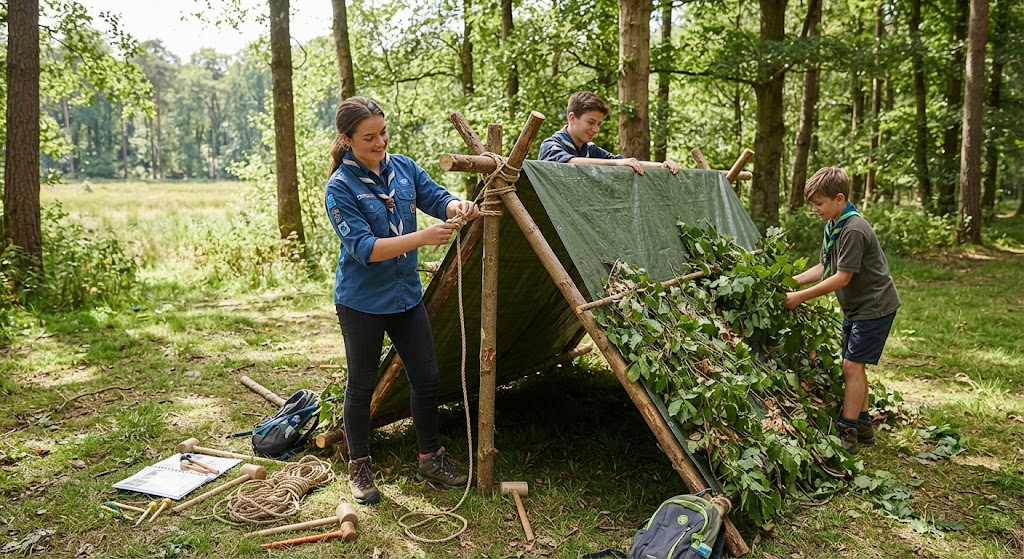
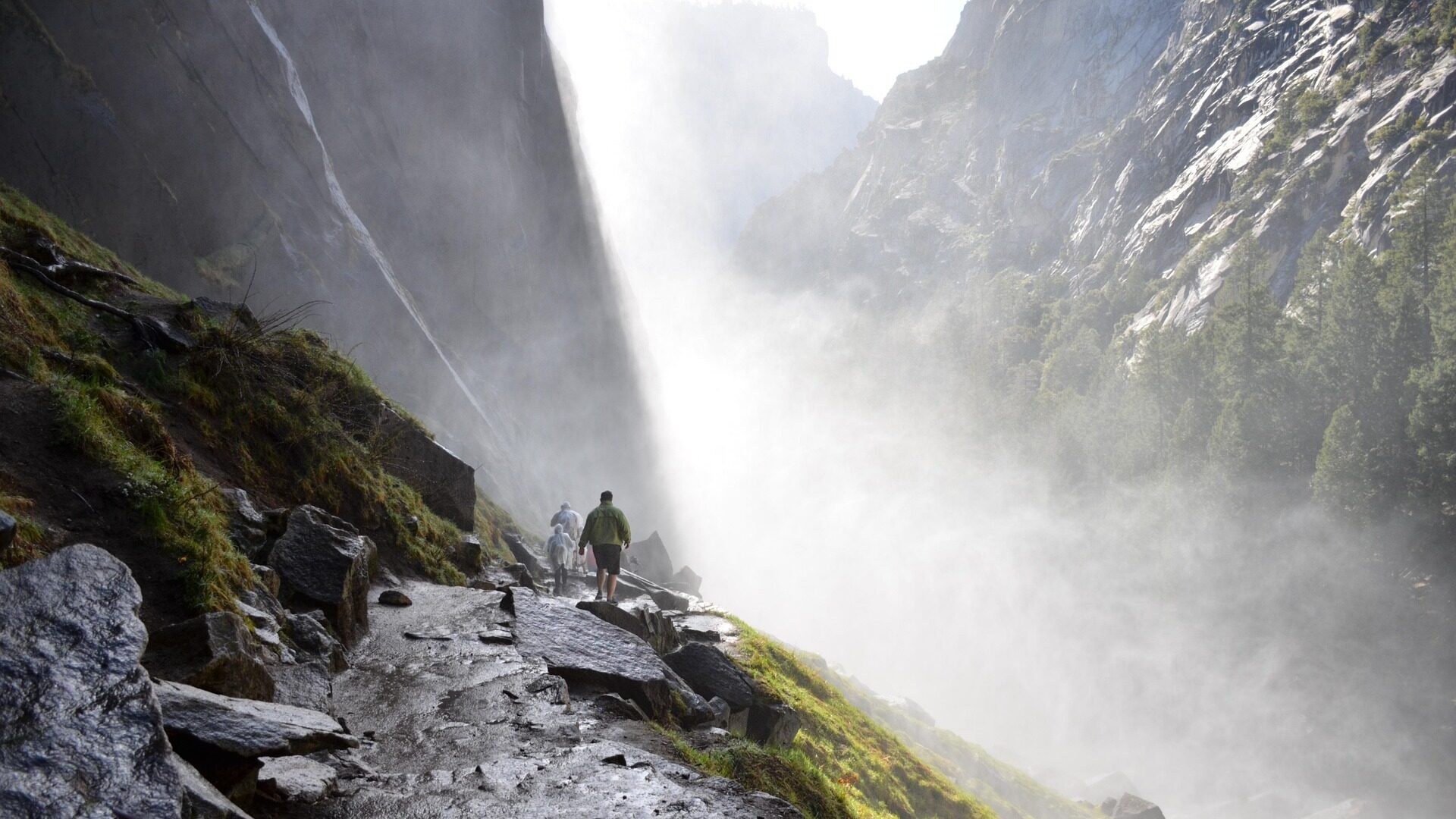
Explorers work through a series of outdoor survival problems with limited equipment and time. Each challenge requires them to discuss the situation, agree on a solution and explain why they chose it.
What You’ll Learn
Explorers will practise:
- Thinking clearly under pressure
- Making decisions as a team
- Prioritising problems
- Using limited equipment effectively
- Explaining and defending decisions
- Adapting when circumstances change
🟡 SAFETY – MODERATE RISK
Keep the activity in a controlled outdoor area with clear boundaries. Avoid roads, deep water, steep ground and other significant hazards.
The scenarios should be challenging without requiring Scouts to undertake genuinely dangerous survival tasks. Make it clear which parts are simulated.
Equipment
- Scenario cards
- Rope
- Tarpaulin
- Compass
- First aid kit
- Water bottles
- Whistles
- Torch
- Waterproof clothing
- Paper and pens
- Selection of everyday outdoor equipment
Prerequisites
Explorers should have some experience with basic outdoor skills such as navigation, camping and emergency procedures.
Instructions
1. Explain the Challenge
Tell Explorers that they will face a series of survival problems.
Their team must:
- Understand the situation
- Identify the most important problem
- Agree on a solution
- Use the available equipment
- Explain why their solution is appropriate
There is no single correct answer for every scenario.
2. Create Teams
Split the group into teams of 3–5.
Give each team the same basic selection of equipment and explain that they cannot simply request anything they want.
3. Challenge One – Lost
Give the team this scenario:
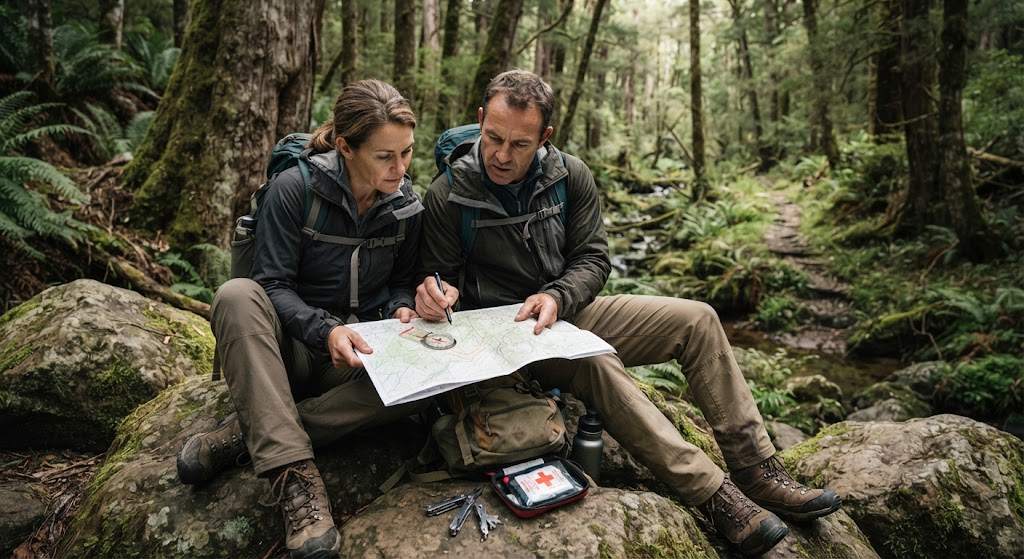
“You have become unsure of your position during an outdoor expedition. You have a compass but are not certain which direction you came from.”
Ask them to decide what they should do next.
They must explain why their decision is safer than simply continuing to walk.
4. Challenge Two – Injured Team Member
Introduce a second problem:
“One member of the team has suffered a minor injury and cannot walk comfortably.”
Ask the team to reconsider its priorities.
They should decide how to keep the group together, how to deal with the injury and how they would attract help if necessary.
5. Challenge Three – Changing Weather
Add another problem:
“The weather is getting worse and heavy rain is expected.”
Teams must decide what changes they would make to their plan.
Encourage them to consider shelter, warmth, communication, water and whether continuing the journey is sensible.
6. The Equipment Limit
For the final challenge, remove most of the equipment.
Give teams only three or four items and introduce a new scenario.
For example:
“You have stopped for the night and discover that your planned route is no longer safe. You need to remain where you are until help arrives.”
Teams must make the best plan they can using only what they have.
7. Present the Solutions
Each team explains its final plan to the group.
Encourage the other teams to ask sensible questions:
- What would happen if that failed?
- What would you do first?
- What is your biggest risk?
- How would you attract attention?
- Why did you choose that option?
8. Review
Finish by discussing which decisions were strongest and why.
Ask Explorers:
- Did the team agree quickly or need discussion?
- Which problem was hardest?
- Did having less equipment change your decisions?
- When is staying put better than moving?
- What makes a good survival decision?
Final Tip
Don’t focus on finding the “perfect” answer. The real skill is being able to explain a decision, recognise its risks and change the plan when new information becomes available.
🔒Ready to test your survival skills?
Join Survival Guides UK for free, complete challenges, earn badges and increase your Survival Level.
JOIN FREE →
CRAIG BURR
FOUNDER · SURVIVAL GUIDES UK
I'm Craig, the person behind Survival Guides UK. I created SGUK because I wanted somewhere people could learn real outdoor skills in a practical, straightforward way — from lighting a fire and tying knots to navigation, campcraft and everything in between.
You can read more about the story behind SGUK here as well as our approach here.