SGUK Outdoor Skills Challenge 13: Learn the 3-3-3 Rule
Getting lost outdoors can feel frightening, especially when you are unsure of how far you have travelled or how to get back. The important thing is not to panic or rush into making a decision. The 3-3-3 rule is a useful little way to remember some basic survival priorities and think clearly when things do not go to plan.
For this challenge, you’ll learn the rule, explain what it means and practise applying it to a realistic outdoor situation.
Your Challenge
Learn the 3-3-3 rule and explain how it can help you prioritise your needs in an outdoor emergency.
The rule is commonly taught as a rough guide to three survival priorities:
- 3 minutes without air: A person can suffer a serious emergency within minutes if they cannot breathe. This is a reminder that immediate life-threatening dangers must come first.
- 3 hours in extreme conditions: Severe cold, heat or exposure can become dangerous surprisingly quickly. Getting appropriate protection from the weather may be urgent.
- 3 days without water: Dehydration can become life-threatening, although the time varies considerably with temperature, exertion, health and other conditions.
These are approximate teaching guidelines, not guaranteed survival times. They don’t mean you should wait until a deadline to act, and they don’t cover every emergency. In a real situation, deal with immediate danger first and seek help as soon as possible.
What You’ll Need
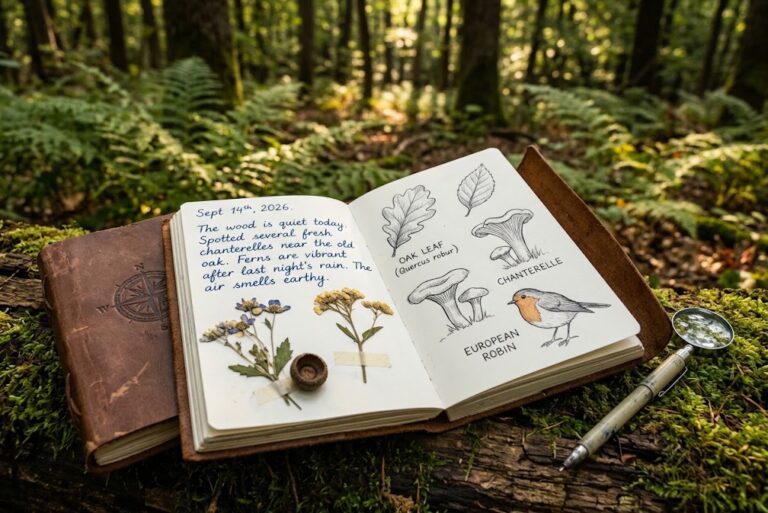
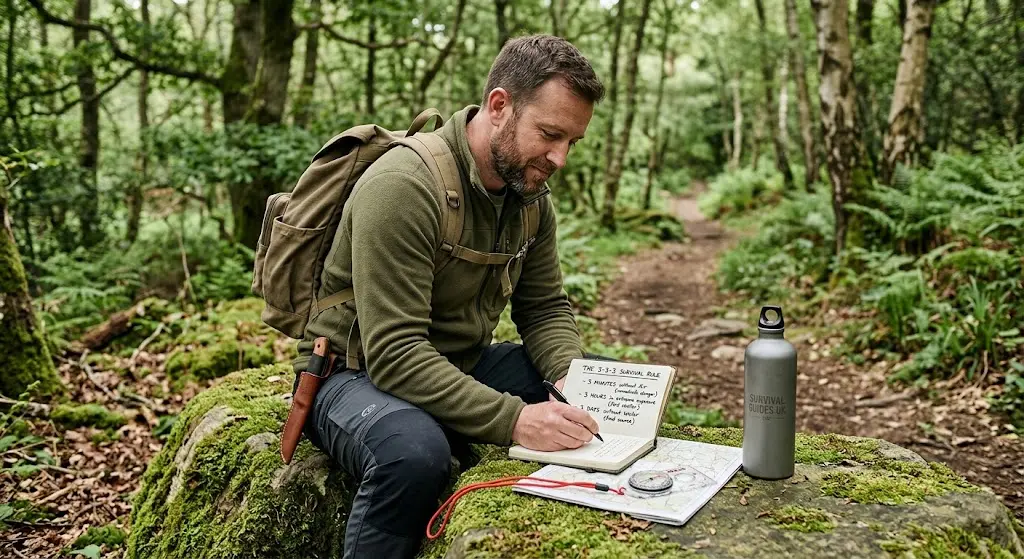
- A notebook or piece of paper
- A pen or pencil
- A quiet place to think through an outdoor emergency scenario
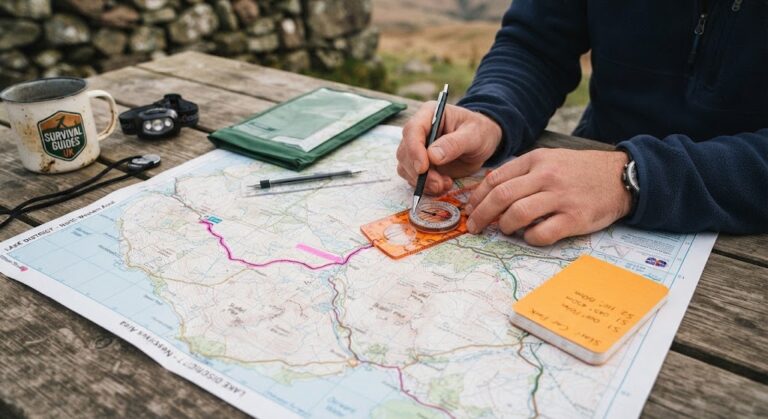
- Optional: a map and compass to help you consider what you would do if you became lost
Take the Challenge
Step 1: Learn the rule
Memorise the three parts of the rule: air, protection from extreme conditions, and water. Be able to explain why each matters and why the order of priorities can change depending on the situation.
Step 2: Work through a scenario
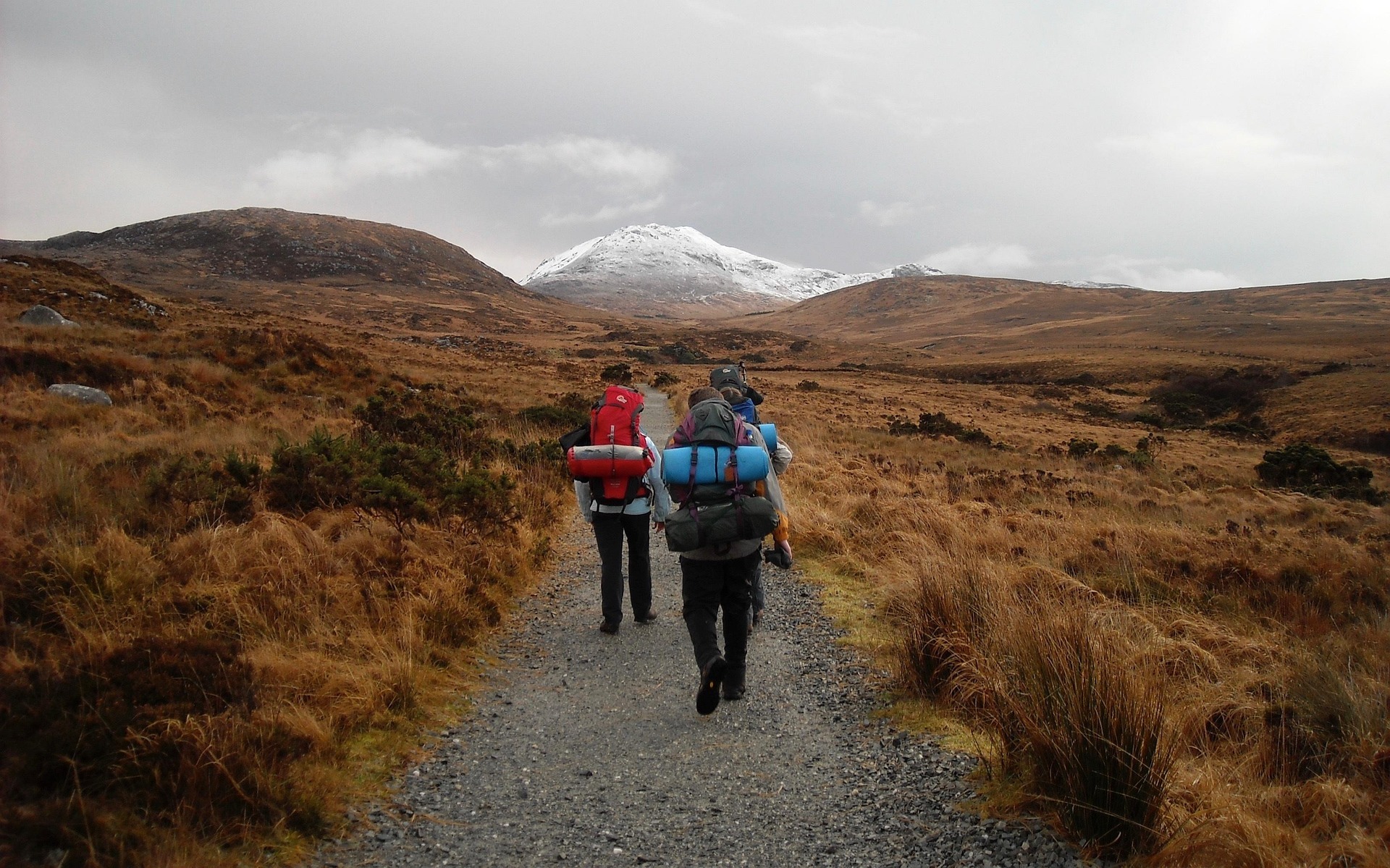
Imagine you are walking on a countryside path when the weather turns cold and wet. You realise you are no longer sure where you are, and you have water in your rucksack.
Write down what you would do first, what you would do next, and what you would avoid doing. Consider whether you are in immediate danger, how you could protect yourself from the weather, and how you could get help.
Step 3: Add the missing priorities
The 3-3-3 rule is a memory aid, not a complete survival plan. Think about what else matters if you become lost. Your answers might include staying calm, stopping somewhere safe, checking your map, contacting emergency services when necessary, keeping warm and making your location easier for rescuers to identify.
Step 4: Explain it in your own words
Without looking at your notes, explain the 3-3-3 rule to another person. Tell them what it reminds you to prioritise and why the figures should not be treated as exact survival limits.
Check Your Results
You are ready to complete this challenge when you can answer these questions:
- What are the three parts of the 3-3-3 rule?
- Why might protection from cold or heat be urgent?
- Why should you never treat the rule as a countdown clock?
- What would you do if you realised you were lost on a walk?
- What other actions might help keep you safe while you seek assistance?
If you are lost on a real walk, don’t put yourself at risk just to test your knowledge. Stop somewhere safe, assess your surroundings, use your navigation skills if you can do so confidently, and contact emergency services if you are in danger or cannot safely find your way.
Complete the Challenge
To complete Challenge 13, you need to demonstrate that you understand the 3-3-3 rule and can apply it to an outdoor scenario. You can show your written answers, a photograph of your notes, or a picture of yourself explaining the rule.
How to Submit Your Challenge
- Go to your SGUK member profile.
- Open the Social Activity area.
- Upload a photograph of your notes or other evidence to your activity wall.
- Add the hashtag #SGUKChallenge13.
- Share your post for evidence verification.
Once you’ve shared your evidence and it has been verified, the SGUK Outdoor Skills Challenge 13 is complete and the completed challenges figure will be updated on your profile.
Challenge 13 Checklist
Want to Push Yourself?
Try creating a second scenario in which the conditions are different. Perhaps it is a hot summer afternoon, or you have become lost as daylight is fading. Explain how your priorities might change and why the 3-3-3 rule should support your judgement rather than replace it.
What’s Next?
You’ve added another useful survival principle to your outdoor skills. Next, build on your firecraft knowledge by revisiting SGUK Outdoor Skills Challenge 12: Make a Feather Stick, and think about how preparing kindling fits into a wider plan for staying safe outdoors.
You can also explore the other SGUK Outdoor Skills Challenges and choose another skill to practise. The challenges can be completed in any order, so pick one that interests you and keep building your confidence.
Learn. Practise. Master. That’s what the SGUK Outdoor Skills Challenge is all about.
🔒Ready to test your survival skills?
Join Survival Guides UK for free, complete challenges, earn badges and increase your Survival Level.
JOIN FREE →
CRAIG BURR
FOUNDER · SURVIVAL GUIDES UK
I'm Craig, the person behind Survival Guides UK. I created SGUK because I wanted somewhere people could learn real outdoor skills in a practical, straightforward way — from lighting a fire and tying knots to navigation, campcraft and everything in between.
You can read more about the story behind SGUK here as well as our approach here.