How to Set Up a Scout Campsite
Setting up a campsite is more than simply finding somewhere to put the tents.
A well-organised campsite gives everyone enough space to move around, keeps equipment manageable and makes everyday camp jobs much easier. It also gives Scouts the opportunity to practise planning, teamwork and responsibility.
The exact layout will depend on the site, the number of people and the activities taking place, but the same basic principles apply.
Start With the Site
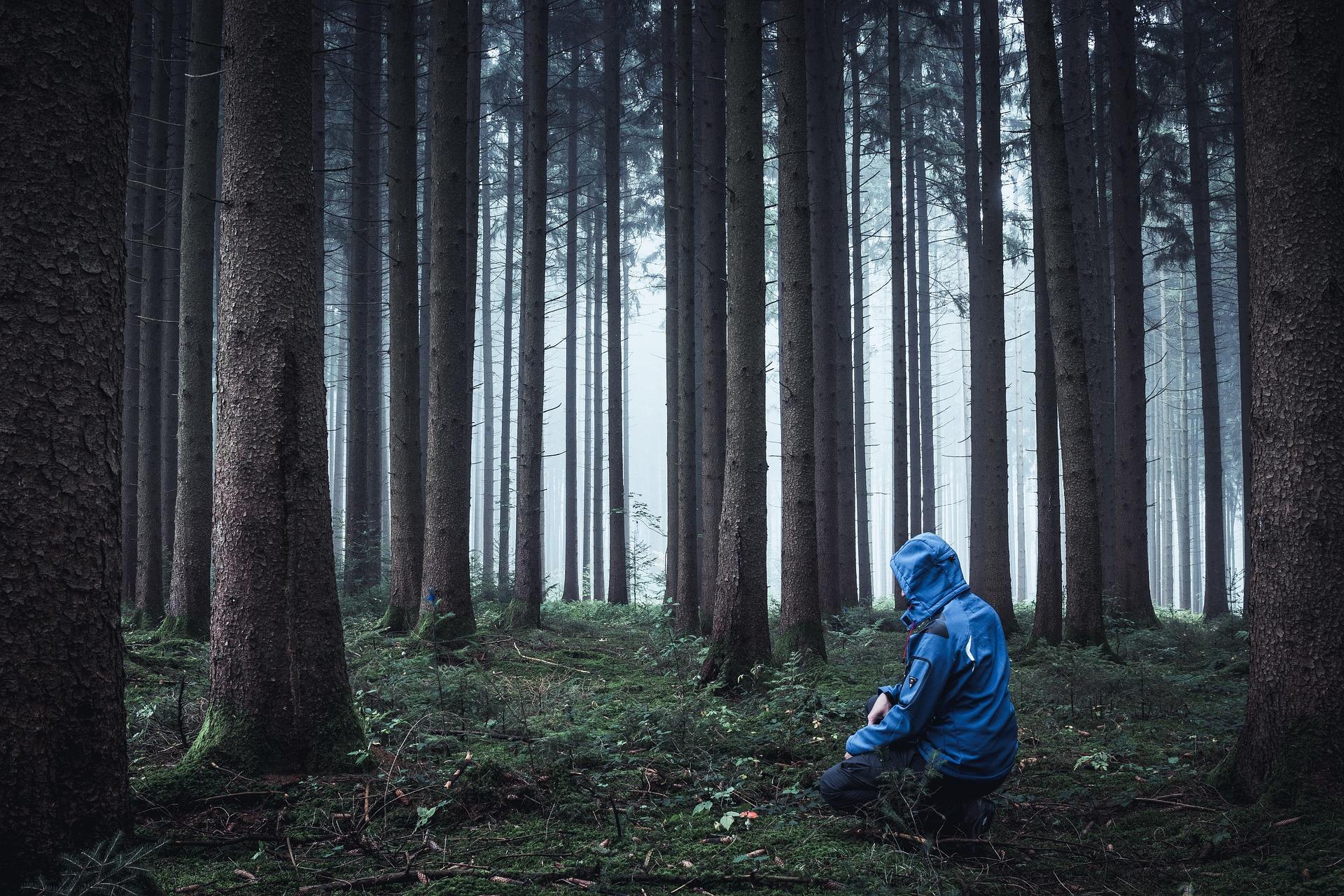
Before unloading equipment, take time to look around.
Consider the ground, access, nearby water, trees, slopes and any obvious hazards.
Think about how the campsite will be used throughout the day and night rather than choosing locations based only on what looks convenient when you arrive.
Decide Where the Tents Will Go
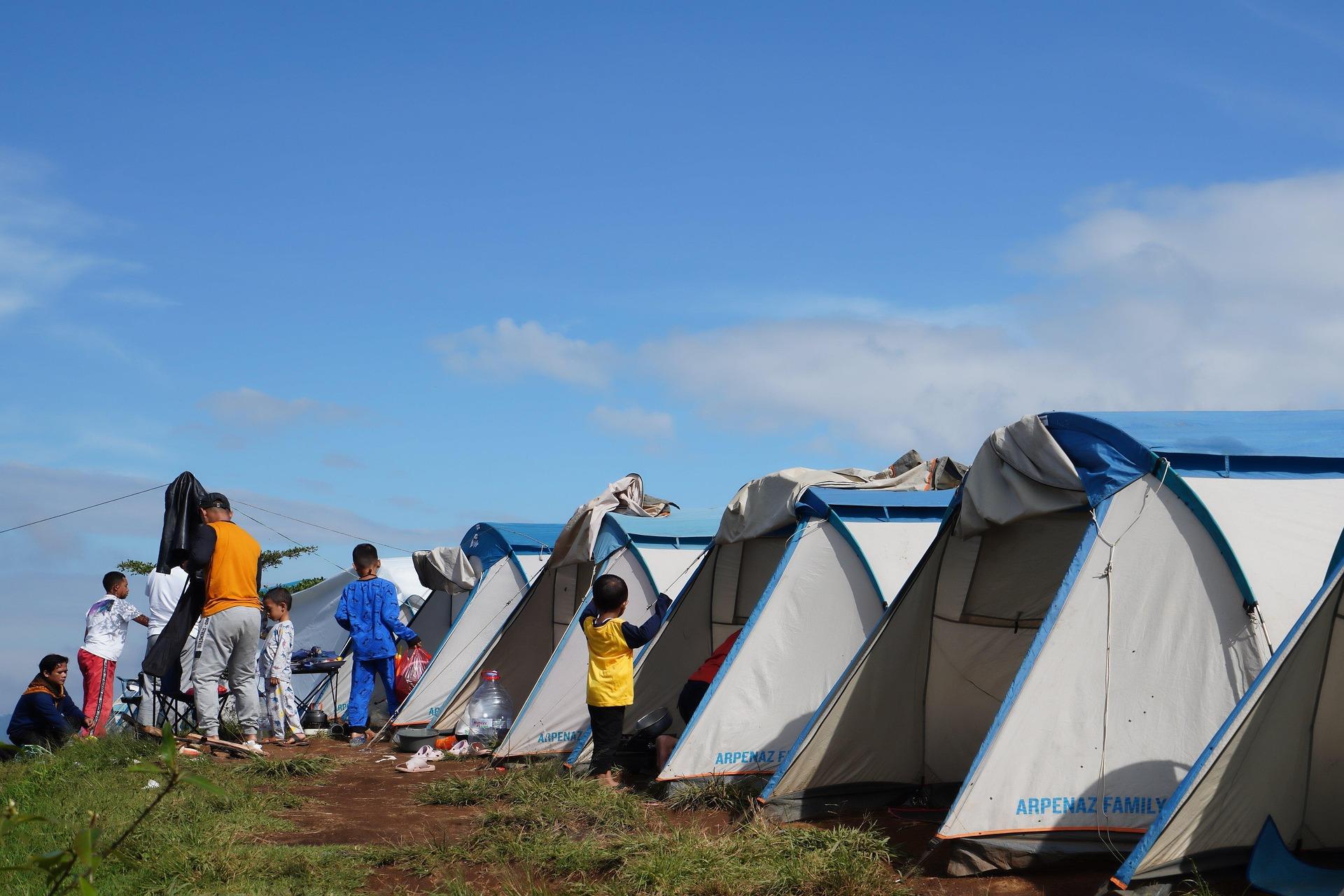
Tents should be placed on suitable ground with enough space around them.
Avoid obvious drainage channels, low areas that could collect water and locations beneath hazardous trees or branches.
Leave enough room for entrances and guy lines without blocking important routes.
Try to create a layout that allows people to move between tents safely.
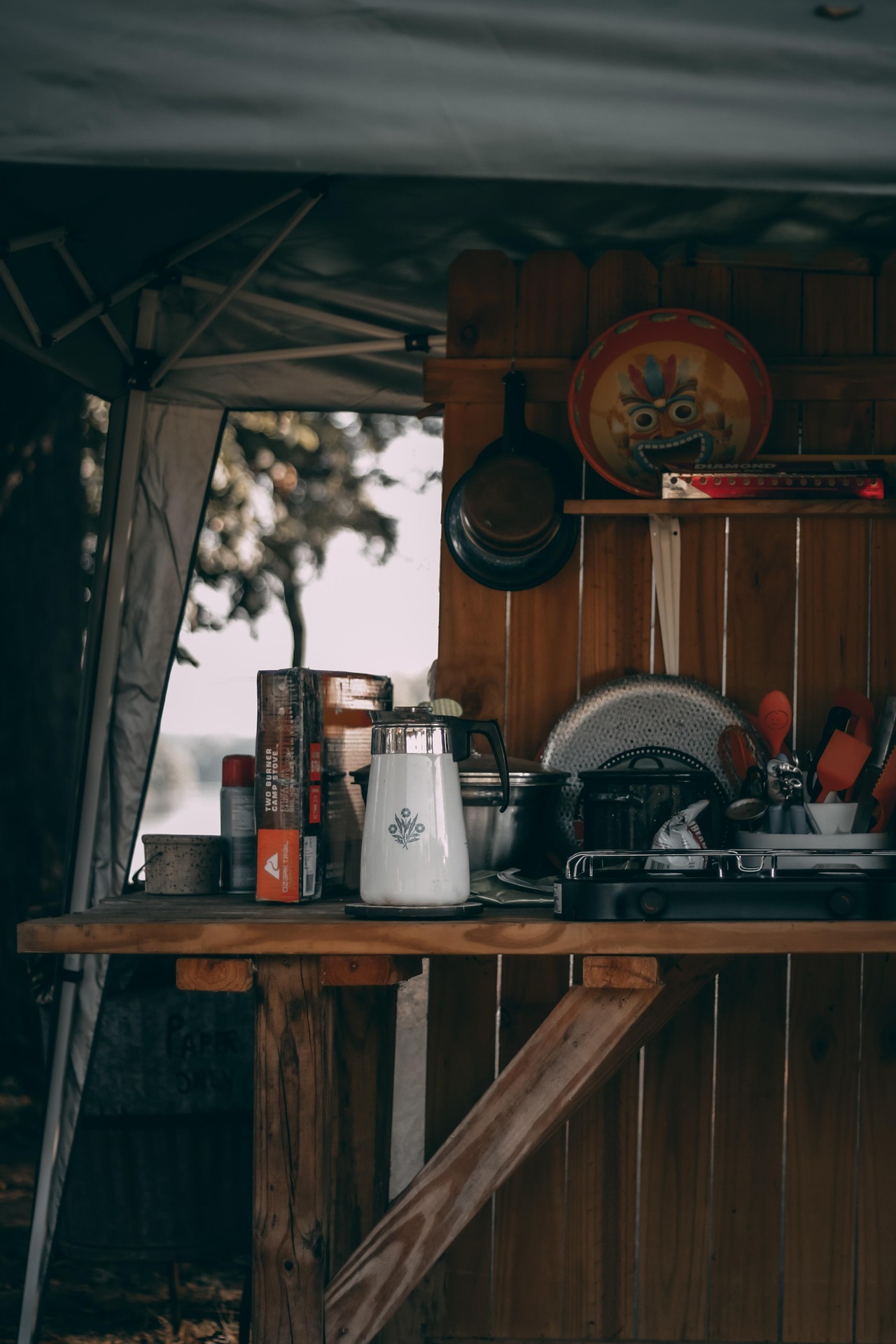
Plan the Cooking Area
The cooking area should be positioned appropriately for the equipment and activity being used.
It should have enough space for people to work without crowding each other.
Keep cooking equipment away from tent entrances and areas where people are likely to walk through unnecessarily.
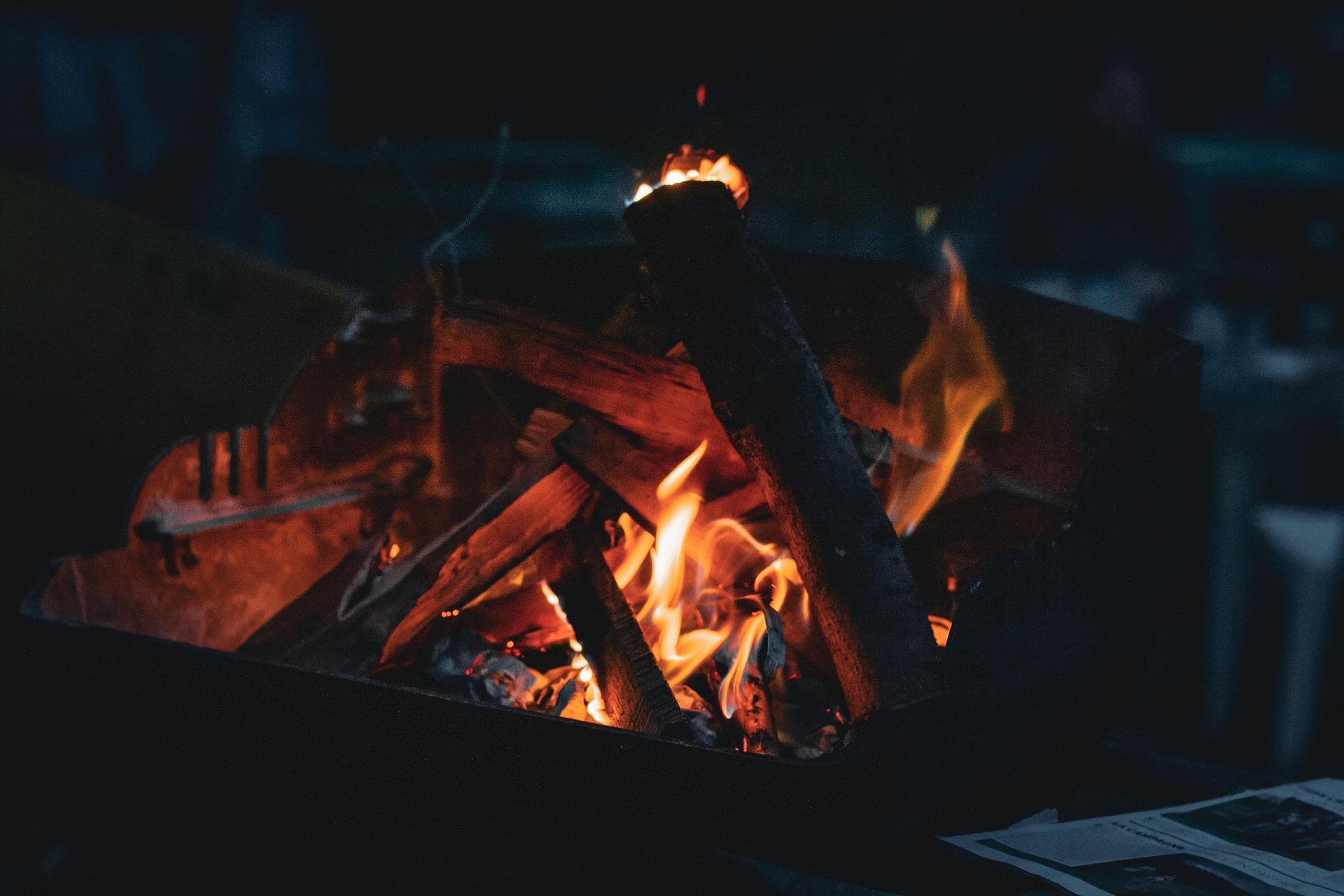
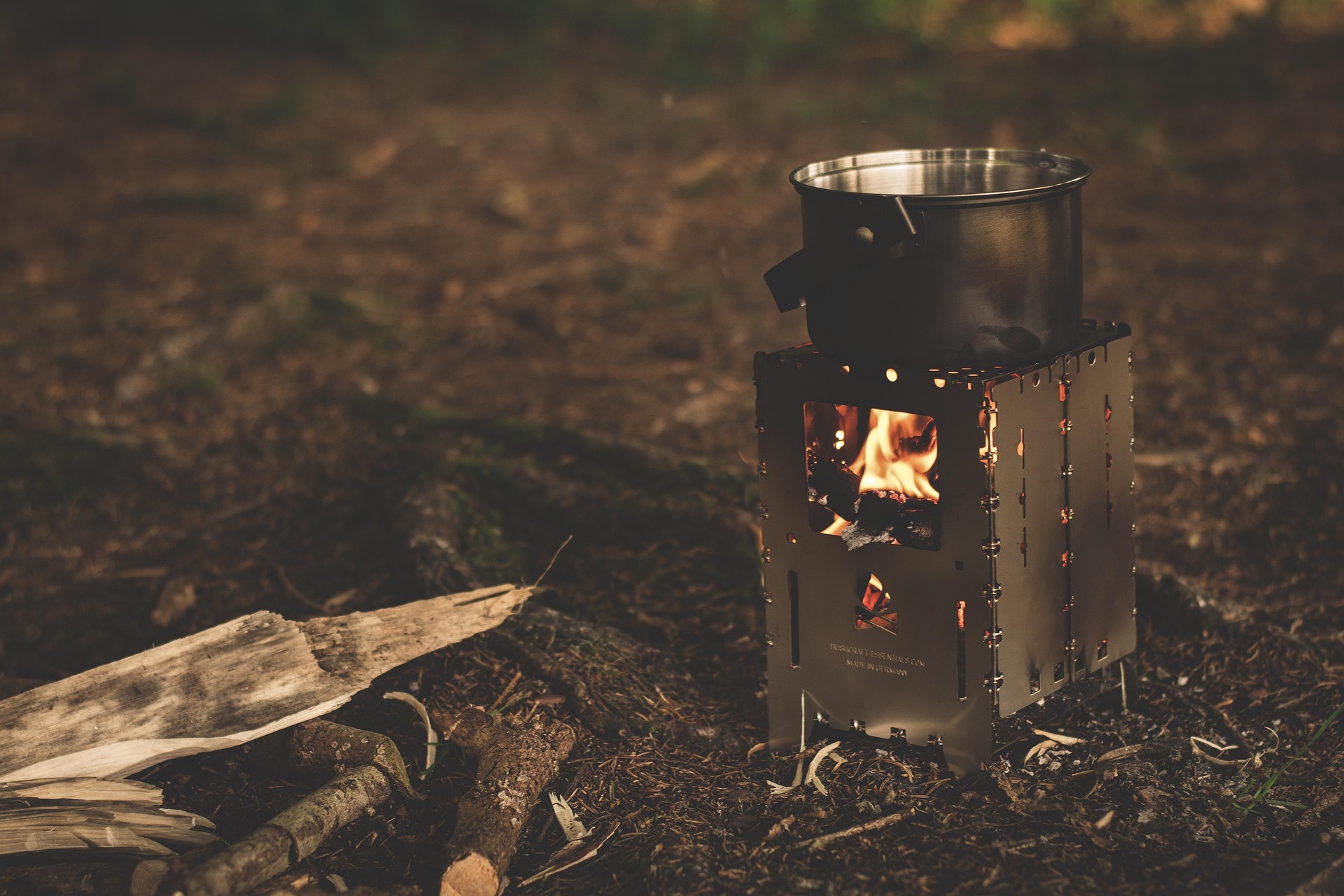
The exact requirements will depend on whether you’re using camping stoves, fires or other cooking equipment.
Create Clear Walkways
Think about how people will move around camp.
There should be sensible routes between tents, cooking areas and other frequently used locations.
Avoid running guy lines or loose equipment across busy paths.
A campsite doesn’t need formal paths, but people should be able to move around without constantly stepping over equipment.
Choose an Equipment Area
Shared equipment needs a home.
A designated equipment area makes it easier to find things and reduces the amount of kit left scattered around camp.
Keep equipment organised and make sure anything that could cause a hazard is stored appropriately.
Think About Wet Weather
A campsite that works in sunshine may become difficult when it rains.
Think about where muddy footwear will go and where wet clothing can be kept.
Make sure important equipment can be protected from rain.
Avoid placing key activity areas where water is likely to collect.
Keep Personal Kit Organised
Scouts should have a sensible place for their personal equipment.
Encourage them to keep rucksacks, footwear and other belongings organised rather than leaving them around shared areas.
This makes the campsite easier to manage and reduces trip hazards.
Consider the Toilet Route
If the campsite has separate toilet facilities, think about how Scouts will get there safely.
The route should be practical during both daylight and darkness.
Make sure everyone understands where they are expected to go and which areas are out of bounds.
Think About Night-Time
Before darkness arrives, consider how the campsite will be used at night.
Guy lines and other obstacles can become harder to see.
Make sure important routes are clear and that Scouts know where they can safely move around.
Head torches can be useful when moving around camp after dark.
Keep Activities Separate
If several activities are taking place, give them enough space.
Cooking, games, tool work and other activities shouldn’t interfere with one another.
A little planning can prevent people from constantly walking through other groups’ working areas.
Don’t Overcrowd the Site
More equipment doesn’t necessarily make a better campsite.
Avoid trying to squeeze too much into a small area.
Give tents, cooking spaces and activity areas enough room for people to work safely.
Respect the Environment
Use the campsite responsibly.
Avoid unnecessary damage to grass, plants and trees.
Don’t cut vegetation or move large objects simply to improve the layout.
Use existing facilities where provided and follow the landowner’s requirements.
Review the Layout
Once everything is set up, walk around the campsite again.
Look at it from the perspective of someone who has just arrived.
Can people move safely?
Are equipment areas organised?
Are there obvious trip hazards?
Is anything too close to cooking equipment?
Could rain cause problems?
Small changes are often much easier to make at this stage.
Younger Scouts
Younger Scouts can help with simple campsite decisions.
Ask them where they think personal equipment should be kept or how people should move between tents.
Give them small responsibilities that help them understand how the campsite works as a whole.
Older Scouts
Older Scouts can become more involved in planning the layout.
Give them a proposed site and ask them to suggest where different areas should go.
Encourage them to explain their choices and consider what might change in poor weather or after dark.
Leader Notes
Don’t expect Scouts to produce a perfect campsite layout immediately.
The useful learning comes from making decisions and reviewing them.
If something isn’t working, ask what could be changed.
This encourages Scouts to see campsite organisation as an ongoing process rather than something that is finished as soon as the tents are pitched.
Safety
Assess the campsite before setting up.
Keep tents away from obvious hazards such as unstable ground, flood-prone areas and dangerous trees.
Position cooking areas appropriately and maintain suitable separation from tents and walkways.
Keep tools, equipment and personal belongings organised.
Minimise trip hazards from guy lines, ropes and loose equipment.
Ensure routes can be used safely after dark.
Follow campsite rules and any instructions provided by the landowner.
Reassess the layout if weather or other conditions change.
Learning Outcomes
Scouts setting up a campsite can learn to:
Final Thought for Scouts
A good campsite doesn’t happen by accident.
Think about where things go before you put them there.
A little planning at the beginning can make the whole camp easier, safer and more enjoyable.
🔒Ready to test your survival skills?
Join Survival Guides UK for free, complete challenges, earn badges and increase your Survival Level.
JOIN FREE →
CRAIG BURR
FOUNDER · SURVIVAL GUIDES UK
I'm Craig, the person behind Survival Guides UK. I created SGUK because I wanted somewhere people could learn real outdoor skills in a practical, straightforward way — from lighting a fire and tying knots to navigation, campcraft and everything in between.
You can read more about the story behind SGUK here as well as our approach here.