How to Organise a Campsite
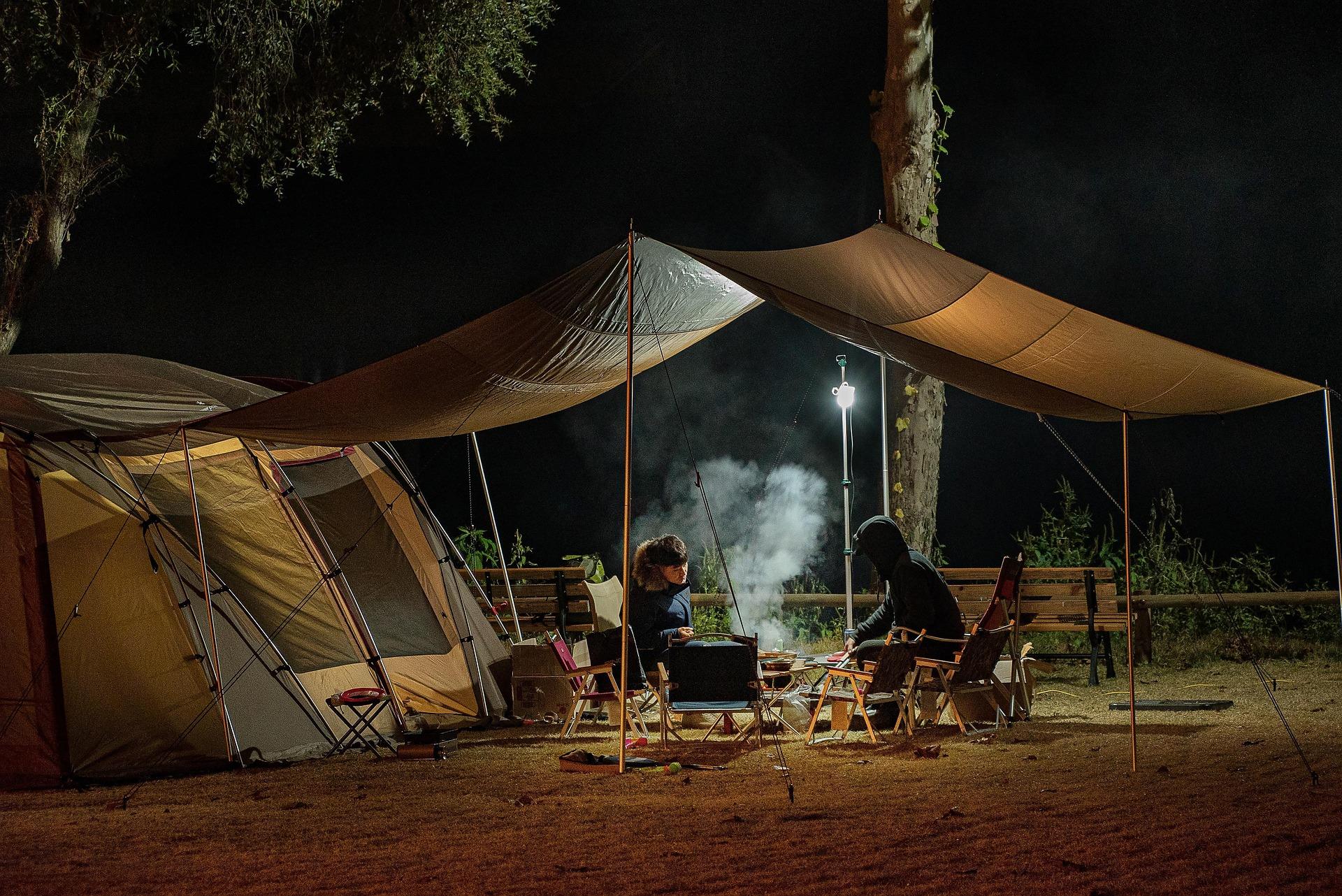
A tidy campsite isn’t just easier to look at. Good organisation helps Scouts find their equipment, move around safely and work together more effectively.
Camp can quickly become messy when tents, rucksacks, cooking equipment and outdoor gear are spread across the site. Developing simple routines helps keep everything under control.
Give Everything a Place
One of the simplest campcraft habits is deciding where things belong.
Personal kit should stay with the person it belongs to, while shared equipment should have a designated storage area.
When everyone knows where equipment goes, less time is spent searching for missing items.
Keep Walkways Clear
People need to move around camp throughout the day.
Avoid leaving rucksacks, boots, ropes and other equipment in busy routes. Tent guy lines should also be positioned and managed carefully so they don’t create unnecessary trip hazards.
If something is regularly being walked around, consider whether it needs to be moved.
Organise the Tent Area
Encourage Scouts to keep the area immediately around their tent reasonably tidy.
Footwear can be kept in a consistent place, while rucksacks and other equipment should be stored where they won’t obstruct entrances or walkways.
Keeping the tent entrance clear also makes getting in and out much easier.
Create an Equipment Area
Shared camping equipment can quickly become difficult to manage if everyone puts things down wherever they happen to be standing.
A designated equipment area gives the group somewhere to return items after use.
Larger or potentially hazardous equipment should be stored appropriately and only accessed when needed.
Keep Cooking Equipment Separate
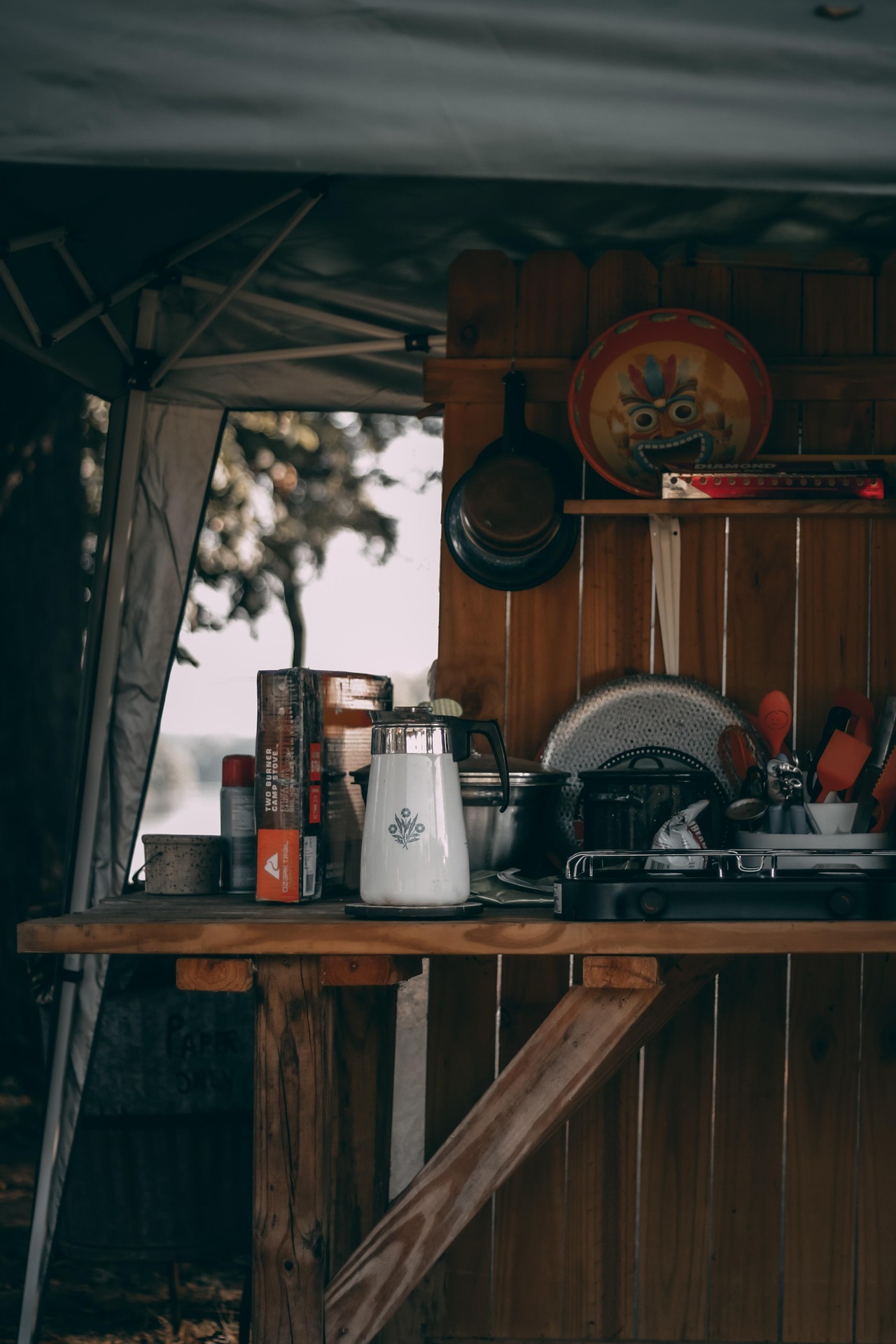
Cooking equipment should have its own controlled area.
Avoid allowing Scouts to leave cooking equipment, utensils or food containers scattered around the campsite.
Keeping the cooking area organised also makes it easier to maintain good hygiene and supervise activities.
Keep Food Separate From General Kit
Food should be stored appropriately rather than mixed in with camping equipment.
Follow the campsite’s arrangements and the requirements of the activity for food storage.
Keep food preparation and eating areas clean, and deal with waste promptly.
Deal With Wet Equipment
Rain can quickly turn an organised campsite into a collection of damp equipment.
Have a sensible place for wet clothing and muddy footwear.
Don’t allow wet items to be mixed with sleeping bags, dry clothing or other equipment that needs to stay dry.
Make a Rubbish Routine
Don’t wait until the end of camp to deal with rubbish.
Use suitable waste containers and make sure Scouts understand where waste should go.
Keep rubbish contained and follow the site’s arrangements for disposal.
Look After Small Equipment
Small items are often the easiest to lose.
Things such as tent pegs, mugs, torches, gloves and tools should have somewhere sensible to be kept.
Returning equipment after use is much easier than searching for it later.
Use Simple Camp Jobs
A campsite works better when responsibility is shared.
Different Scouts can take responsibility for suitable jobs such as keeping common areas tidy, checking equipment or helping maintain the cooking area.
The jobs should be appropriate to the Scout’s age and experience and carried out with suitable supervision.
Have a Reset Time
A useful routine is to have a short campsite reset at a convenient point during the day.
Everyone returns equipment to its proper place, clears walkways and checks their own area.
It doesn’t need to take long.
A few minutes of organisation can prevent a much bigger mess later.
Check Camp Before Bed
The campsite should receive another check before everyone settles down for the night.
Look for equipment left outside, blocked routes, loose items and anything that could cause problems in darkness.
Make sure anything that needs to be protected from rain or overnight conditions is properly stored.
Younger Scouts
Younger Scouts can learn organisation through simple routines.
For example, they can be encouraged to keep their own footwear, rucksack and personal equipment in consistent locations.
The objective isn’t perfection. It’s developing the habit of putting things back after use.
Older Scouts
Older Scouts can take more responsibility for shared areas.
They can help organise equipment, identify clutter and suggest improvements to the campsite layout.
This can also develop useful leadership and teamwork skills.
Leader Notes
Try to make campsite organisation part of normal camp life rather than treating tidying as a punishment.
A leader can ask:
“Where should this live?”
rather than simply telling someone to move it.
Over time, Scouts begin to recognise that an organised campsite makes their own activities easier.
Safety
Keep walkways and entrances clear.
Store tools, cooking equipment and other potentially hazardous items appropriately.
Keep food preparation areas clean and follow suitable hygiene procedures.
Manage wet clothing and footwear so they don’t create hazards or contaminate dry equipment.
Secure loose items that could become hazards in poor weather.
Make sure Scouts know which equipment they can access independently and which requires supervision.
Check the campsite regularly, particularly before darkness and when weather conditions change.
Learning Outcomes
Scouts can learn to:
Final Thought for Scouts
A good campsite isn’t necessarily the one with the most equipment.
It’s the one where you know where things are and can find what you need when you need it.
Put things back, keep shared areas clear and help others do the same.
🔒Ready to test your survival skills?
Join Survival Guides UK for free, complete challenges, earn badges and increase your Survival Level.
JOIN FREE →
CRAIG BURR
FOUNDER · SURVIVAL GUIDES UK
I'm Craig, the person behind Survival Guides UK. I created SGUK because I wanted somewhere people could learn real outdoor skills in a practical, straightforward way — from lighting a fire and tying knots to navigation, campcraft and everything in between.
You can read more about the story behind SGUK here as well as our approach here.