
LATEST OUTDOOR GUIDES
Keep up to date with the latest guides, activities and resources from Survival Guides UK. Explore new articles covering outdoor skills, survival, Scout activities, camping, navigation, knots, fire safety and practical skills.
Our latest posts are designed to help Scouts, youth groups, leaders and anyone interested in outdoor learning develop practical knowledge and confidence. From new activity ideas and survival skills to useful how-to guides, check back regularly for the latest resources.
-
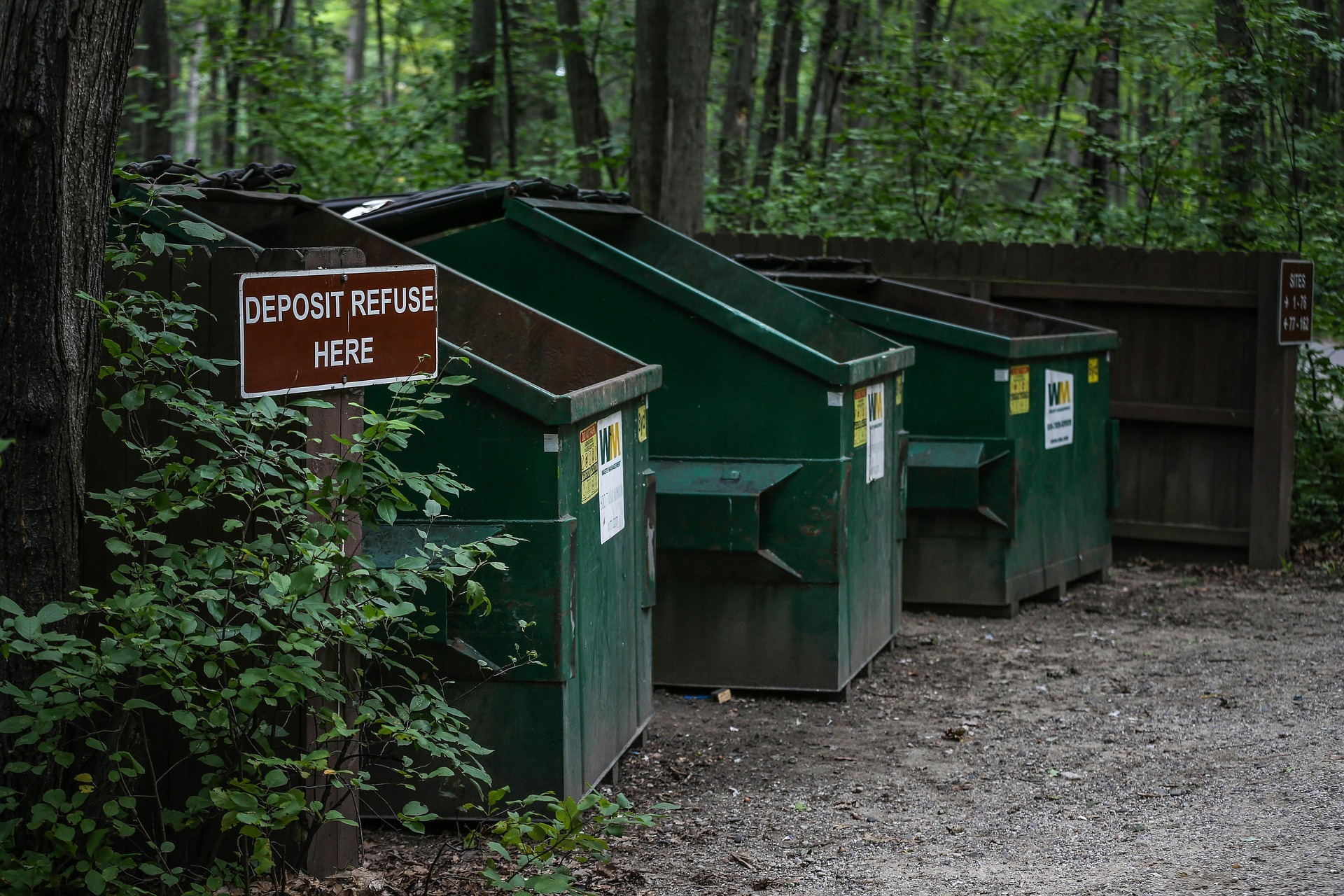
Managing Food Waste at Camp
Managing food waste is an important part of outdoor cooking. Food scraps, packaging and leftovers can create unpleasant smells, attract wildlife and leave the campsite untidy. Good waste management helps protect the environment and makes packing up much easier. Plan Your Food One of the best ways to reduce waste is to avoid creating it…
-
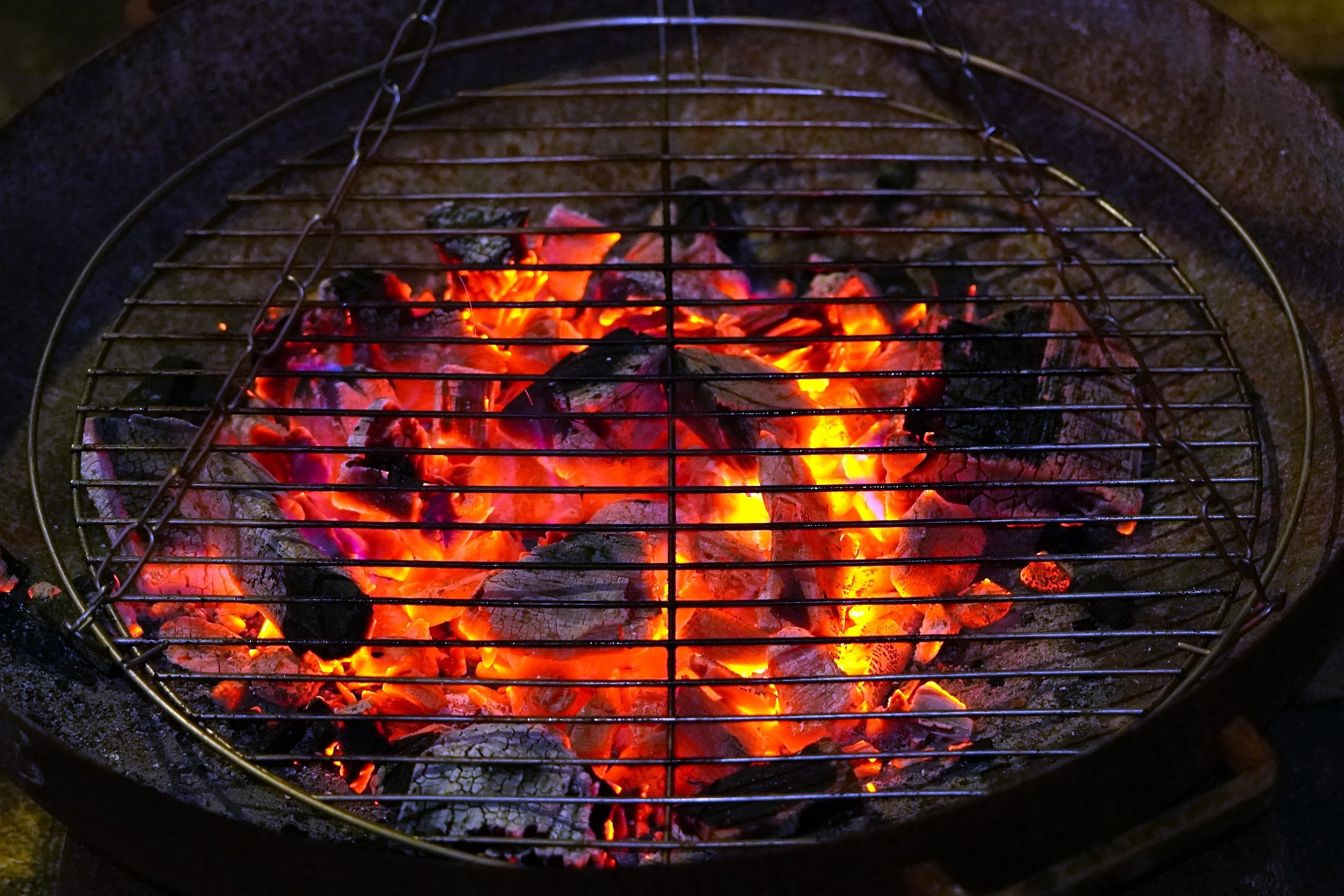
Outdoor Cooking Hygiene
Good hygiene is an essential part of cooking outdoors. Unlike a kitchen, a campsite may not have running water, worktops, sinks or refrigeration readily available. This means Scouts need to plan ahead and take extra care when handling food. The basic principle is simple: keep hands, food, equipment and preparation areas as clean as practical.…
-
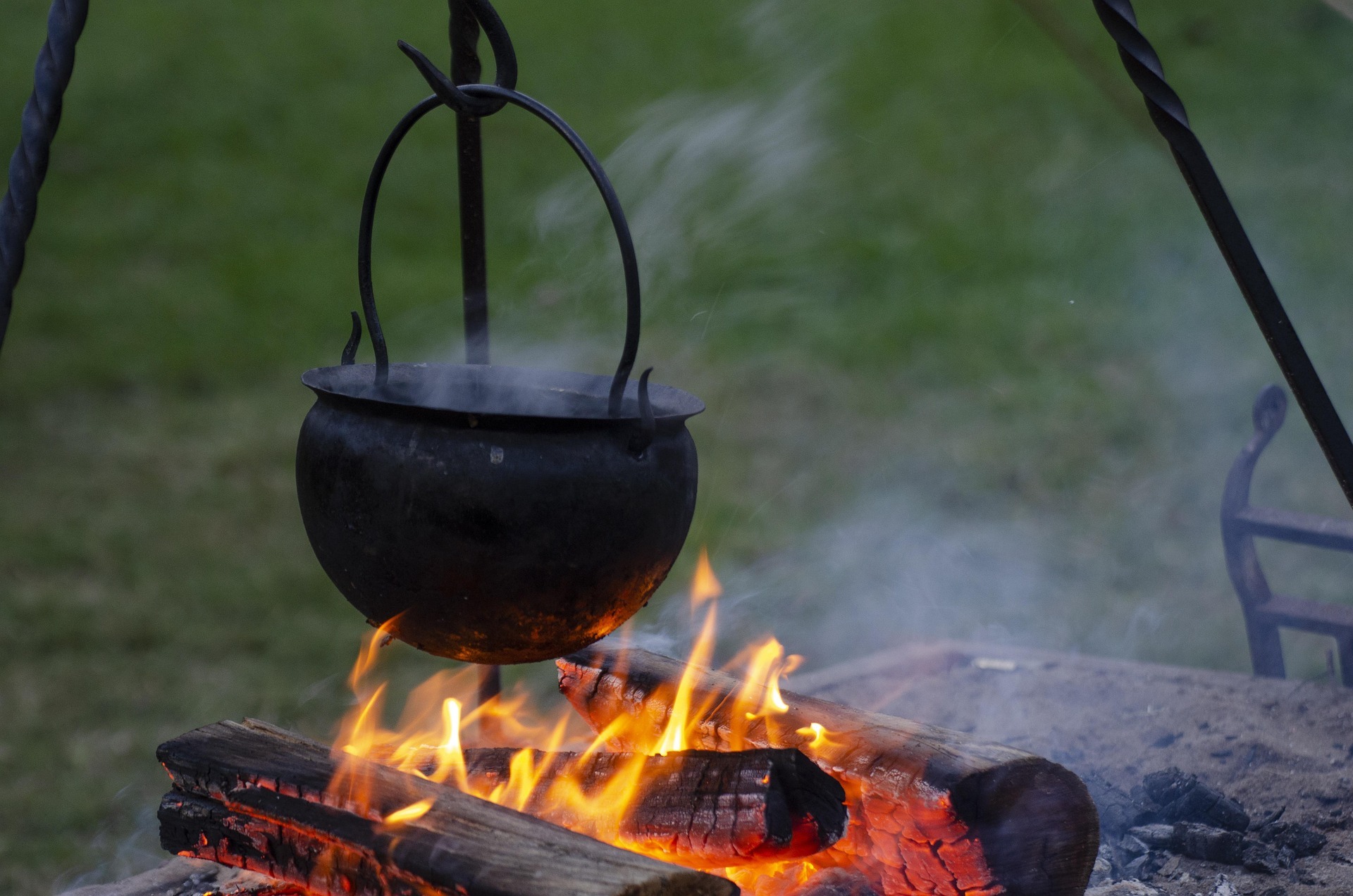
How to Set Up an Outdoor Cooking Area
A well-organised cooking area makes outdoor food preparation safer, cleaner and easier. Before you start preparing food, take a few minutes to decide where everything should go. A good layout helps keep food, equipment and people organised throughout the activity. Choose a Suitable Location Start by choosing an appropriate cooking area. Look for a location…
-
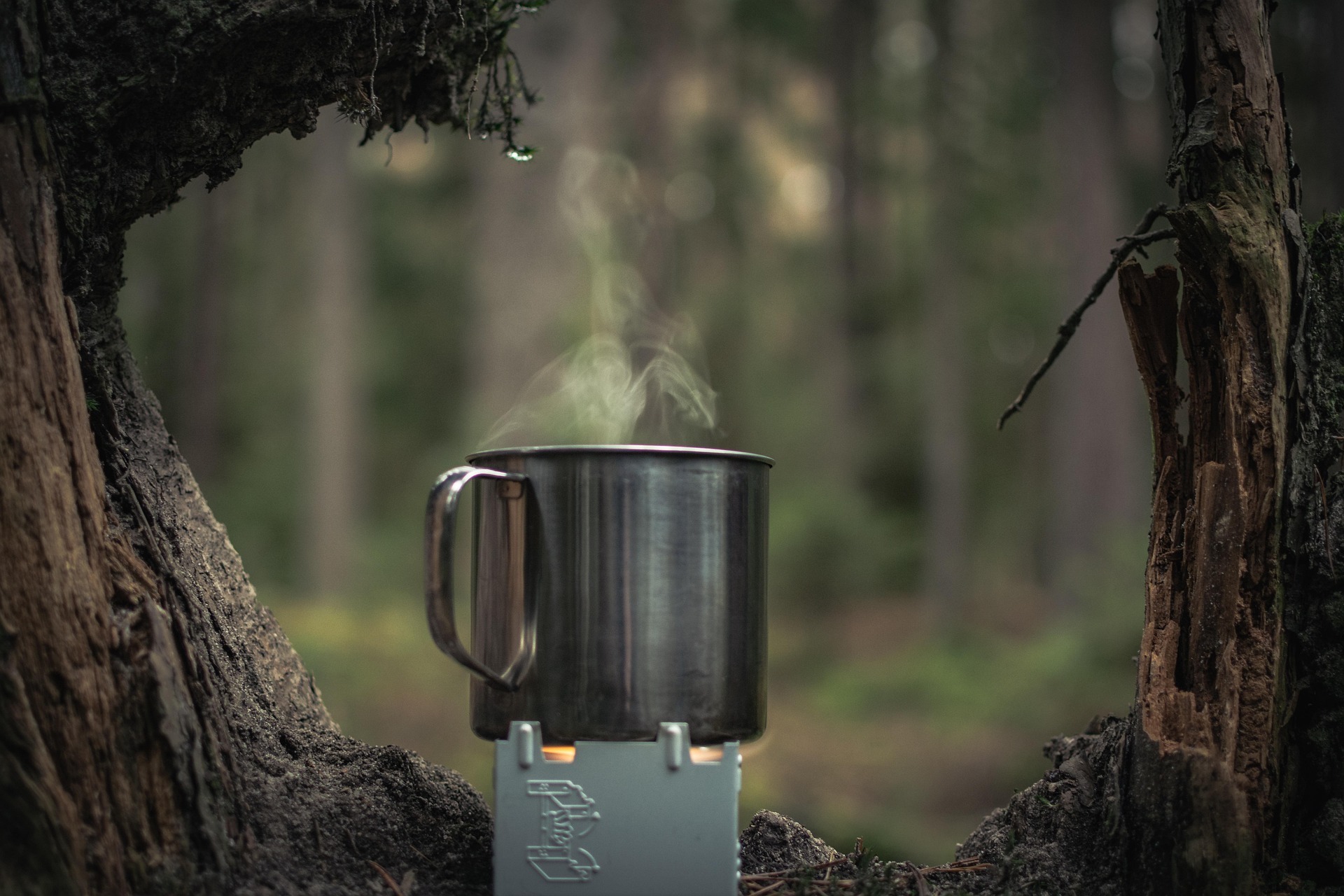
Outdoor Cooking Basics for Scouts
Outdoor cooking is a useful Scout skill that combines planning, food preparation, equipment management and safety. Cooking outside is different from cooking in a kitchen. You have less space, fewer facilities and changing weather conditions to consider. The aim is to prepare food safely while keeping your cooking area organised and leaving the site clean…
-
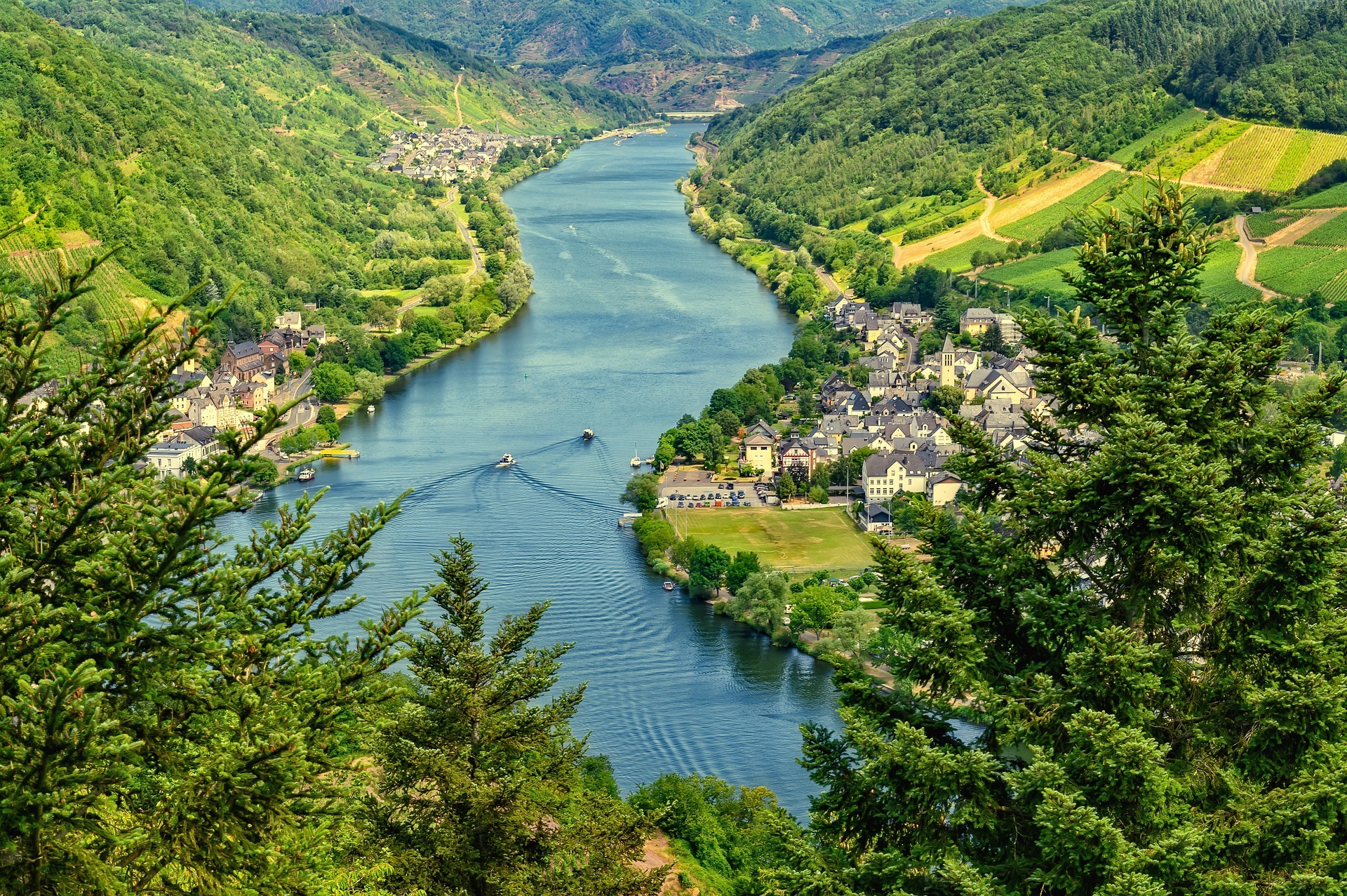
How to Store Collected Water
Once you’ve collected water outdoors, storing it properly is just as important as collecting it carefully. Good storage helps prevent dirt and other contaminants from getting into the water and makes it easier to keep track of which water has been treated and which hasn’t. Use a Suitable Container Use a clean container that is…
-
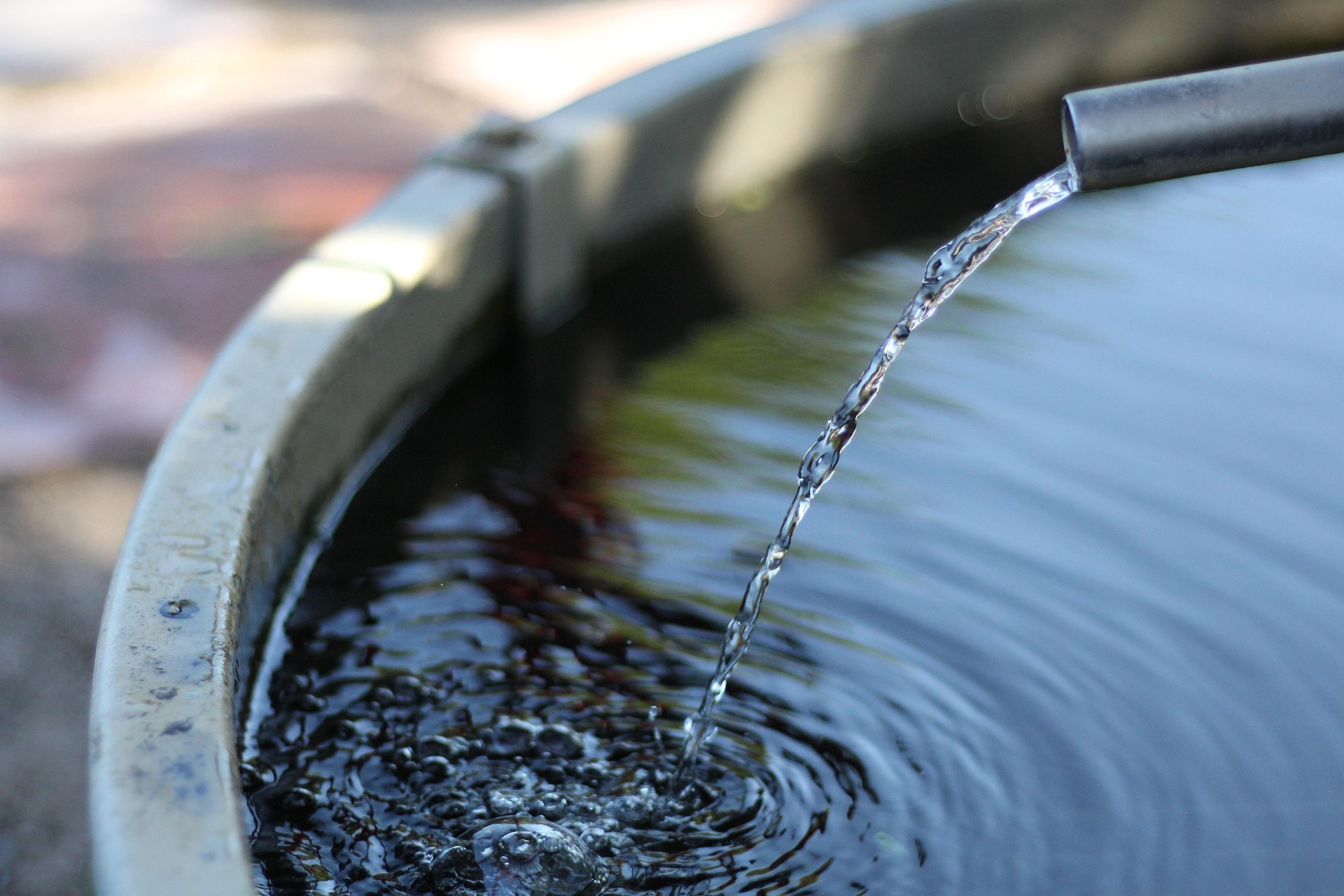
How to Collect Water Without Contaminating It
Collecting water is only useful if you can keep it as clean as possible during the process. Water from a natural source can become contaminated by dirty hands, equipment, soil, vegetation or unsuitable containers. Good collection habits reduce these risks and make later treatment more effective. Start With a Clean Container Use a container that…
-
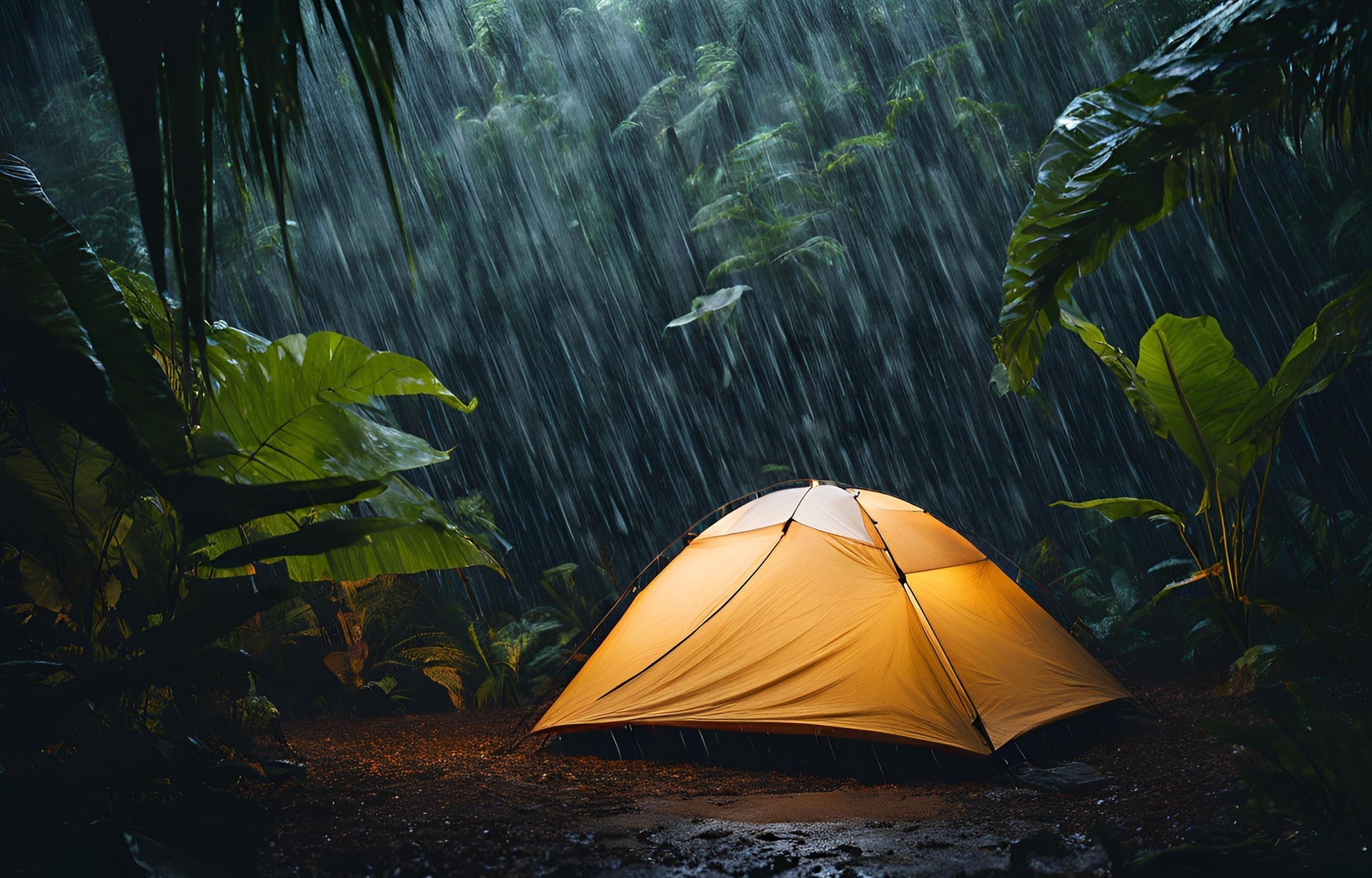
How to Collect Rainwater
Rainwater can be a useful source of water during outdoor activities, particularly when other sources aren’t readily available. For Scouts, collecting rainwater is a simple practical skill that also teaches useful lessons about cleanliness, equipment and safe water handling. Remember that collected rainwater should not automatically be considered safe to drink. It may become contaminated…
-
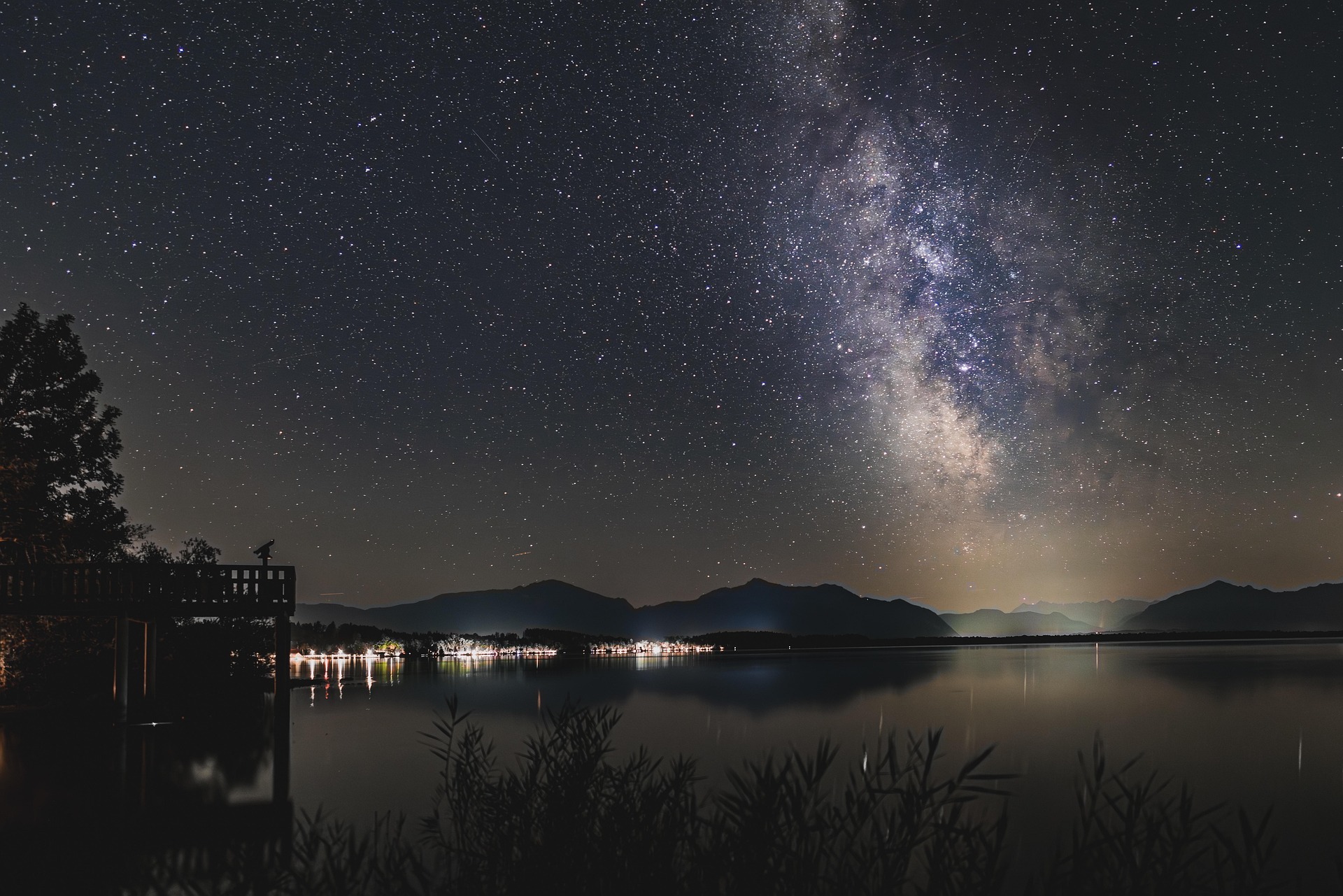
Water Safety at Night
Water can become significantly more difficult to assess after dark. Rivers, streams, lakes and ponds may be difficult to see, while slippery ground, uneven banks and hidden obstacles become harder to identify. Even a familiar campsite can present additional risks when visibility is poor. For Scouts, the safest approach is to treat darkness as an…
-
Safe Stream Crossings for Scouts
Crossing a stream can look like a simple outdoor challenge, but even shallow water can present serious hazards. Moving water can affect balance, slippery rocks can cause falls, and water levels can change quickly after rainfall. For Scouts, the safest crossing is often the one that has been properly planned rather than improvised. Do You…
-
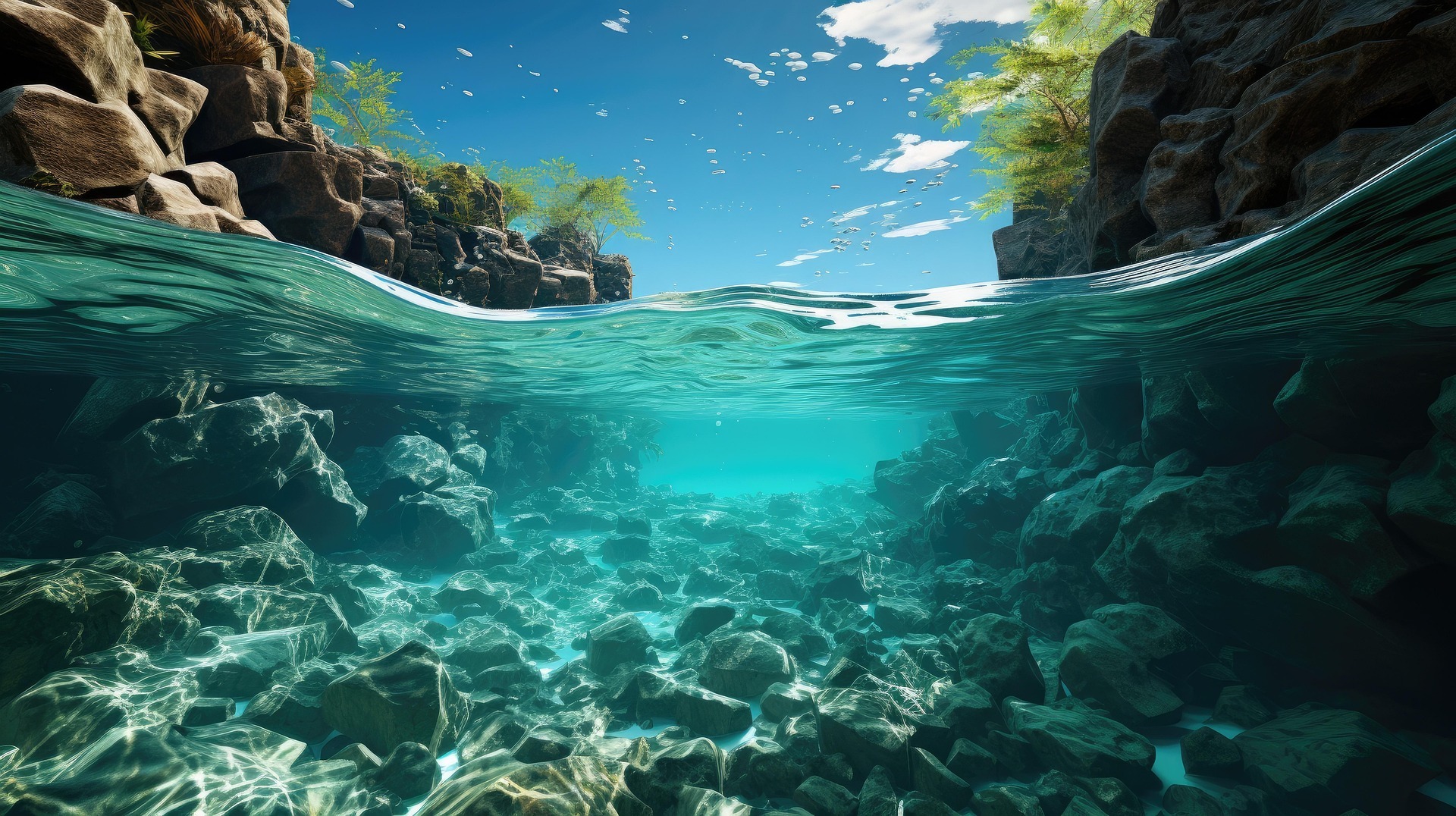
Why You Should Never Swim Alone Outdoors
Swimming outdoors can be an enjoyable activity, but natural water is very different from a swimming pool. Rivers, lakes, ponds and other outdoor water can contain hidden hazards, changing conditions and difficult exits. Swimming alone removes one of the most important safety measures: having someone nearby who can raise the alarm if something goes wrong.…
Explore Survival Guides UK
Looking for something specific? Explore our activity plans for practical outdoor sessions, take on our survival challenges, or browse our badges to discover new skills and achievements to work towards.
Whether you’re looking for Scout activities, survival skills, camping ideas, navigation resources or practical outdoor learning, explore the rest of Survival Guides UK to find your next challenge.