
Why You Should Never Swim Alone Outdoors
Swimming outdoors can be an enjoyable activity, but natural water is very different from a swimming pool.
Rivers, lakes, ponds and other outdoor water can contain hidden hazards, changing conditions and difficult exits. Swimming alone removes one of the most important safety measures: having someone nearby who can raise the alarm if something goes wrong.
For Scouts, outdoor swimming should only take place as part of a properly planned and supervised activity.
Natural Water Can Be Unpredictable
A swimming pool is designed for swimming.
Natural water isn’t.
A lake may have sudden changes in depth. A river can have currents. A pond may have muddy edges or underwater vegetation.
Conditions can also change because of weather.
These hazards aren’t always obvious from the surface.
Never Swim Alone
The basic rule is simple:
Don’t swim alone in outdoor water.
If something goes wrong, a person swimming alone may have nobody nearby to raise the alarm or get help.
Even confident swimmers can get into difficulty unexpectedly.
Swimming Ability Doesn’t Remove the Risk
Being a strong swimmer is useful, but it doesn’t make natural water risk-free.
Cold water, currents, exhaustion and unexpected obstacles can affect even experienced swimmers.
Swimming ability should never be treated as permission to enter unsuitable water.
Cold Water Can Be Dangerous
Outdoor water can be much colder than expected, even during warm weather.
Cold water can cause an involuntary gasp and make breathing difficult.
It can also affect movement and coordination.
This is one reason why suddenly entering cold natural water can be dangerous.
Currents Can Be Difficult to See
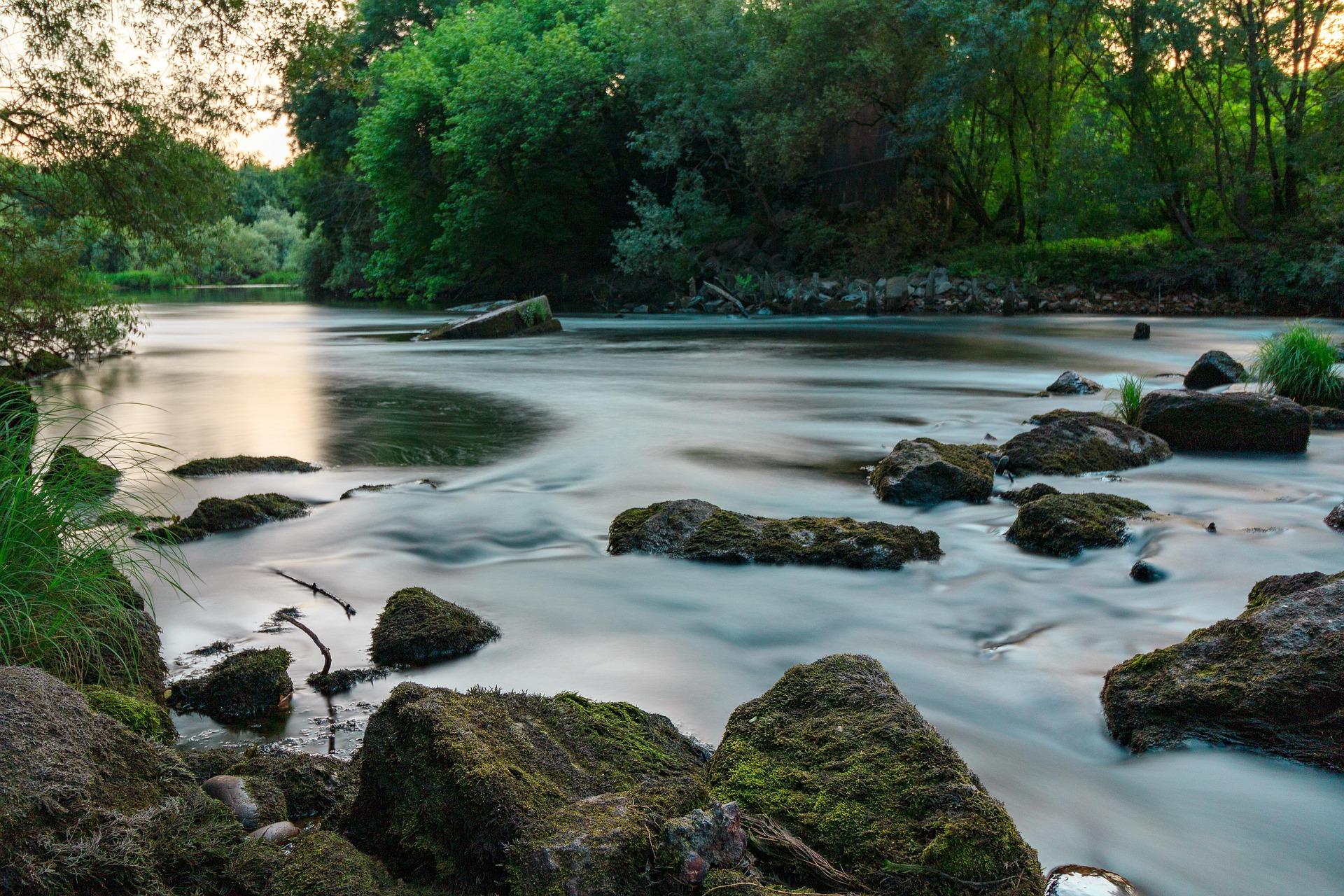
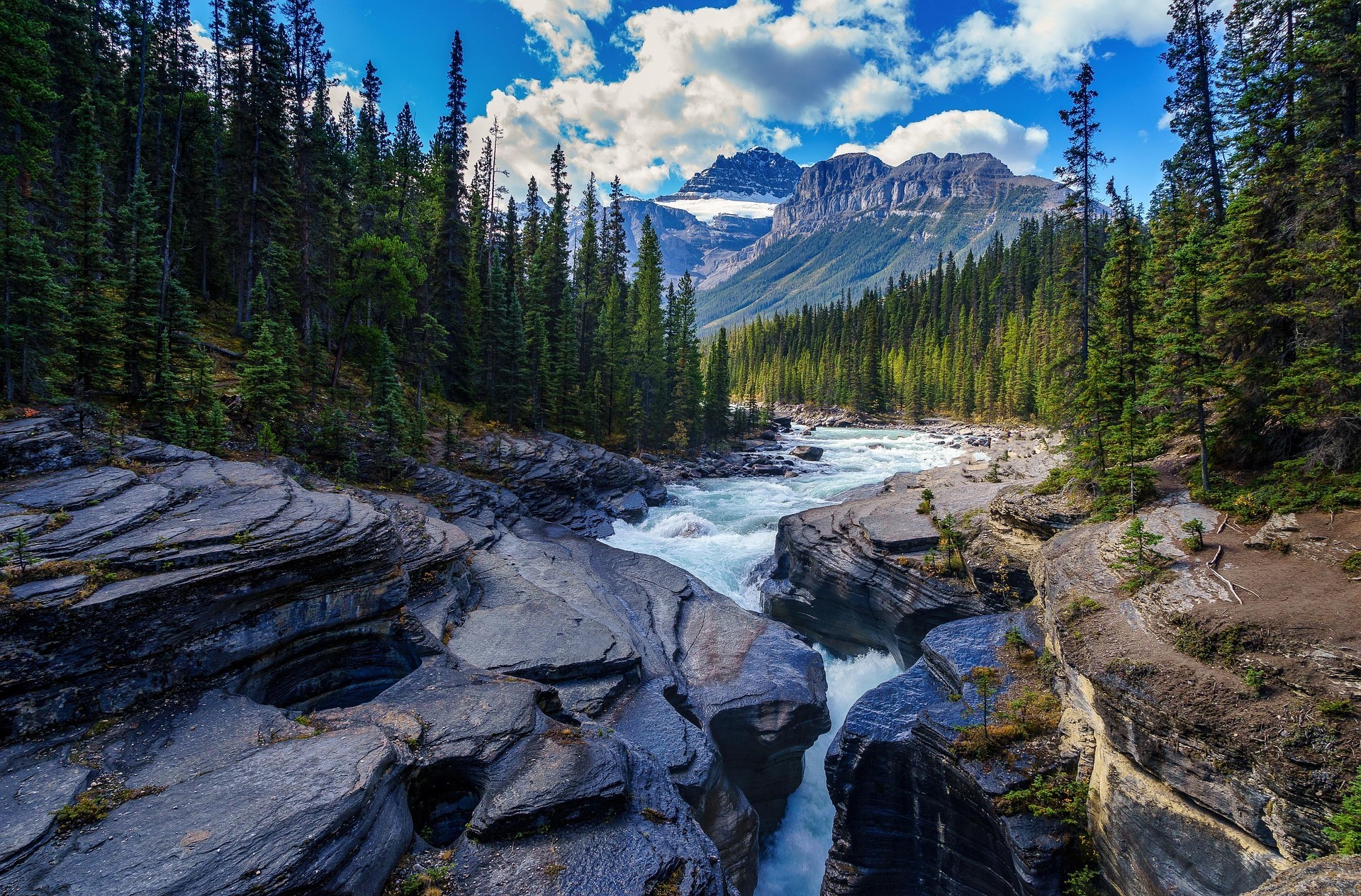
Rivers and some other waterways may contain currents that aren’t obvious from the bank.
The water may look calm while still moving strongly beneath the surface.
A current can make it difficult to remain in one place or return to the bank.
Depth Can Change Suddenly
The edge of a lake or pond may look shallow before becoming much deeper.
The bottom may also be uneven.
Never assume that you can safely wade out simply because the water looks shallow from the bank.
Underwater Hazards May Be Hidden
Natural water can contain:
These hazards may be difficult or impossible to see from the surface.
Don’t dive into unfamiliar water.
Getting Out Can Be Difficult
Entering the water is only part of the problem.
Consider how you would get out.
Steep, muddy or slippery banks can make exiting difficult.
A location that appears suitable for entering the water may not have a safe exit point.
Weather Can Change Conditions
Wind, rain and storms can quickly affect outdoor water.
Strong winds can make lakes rougher.
Rain can increase river levels and currents.
Thunderstorms introduce additional hazards.
A planned activity may need to be stopped or changed if conditions deteriorate.
Use Appropriate Swimming Locations
If swimming is part of a Scout activity, use a location that is appropriate for the activity and has suitable safety arrangements.
Follow the instructions of the activity leader, lifeguard or other responsible person.
Don’t decide to swim somewhere simply because you happen to find water during a hike or camp.
Tell Someone Where You Are
Never disappear from a group to go swimming.
A planned activity should include clear arrangements about where swimming will take place, who is supervising and what happens in an emergency.
Don’t Swim After Drinking Alcohol
Alcohol affects judgement, coordination and reaction times.
Swimming and other water activities should never be combined with alcohol.
For Scouts, this should not be an issue, but it is an important general outdoor safety principle.
Don’t Enter Water to Show Off
Jumping from rocks, piers, bridges or other structures can introduce additional hazards.
Unknown depth, submerged objects and cold water can all turn a seemingly harmless jump into an emergency.
Outdoor water isn’t a place for dares or competitions.
Younger Scouts
Younger Scouts should have very clear rules around water.
Explain that seeing other people swimming doesn’t mean it is safe for them to do so.
Make sure they understand that swimming is only allowed when it is part of the planned activity.
Older Scouts
Older Scouts can learn to assess the difference between an organised swimming activity and an informal decision to enter the water.
Encourage them to consider:
Leader Notes
Any swimming or water-based activity should be properly planned and supervised for the activity, location and participants involved.
Don’t rely on Scouts making their own decision about whether an unfamiliar body of water is suitable for swimming.
Clear boundaries should be established before the activity begins.
Safety
Never swim alone in outdoor water.
Only swim as part of an appropriately planned and supervised activity.
Don’t enter unfamiliar water.
Never dive into water where the depth and underwater conditions are unknown.
Be aware of cold water, currents, changing depth and difficult exits.
Stop the activity if conditions become unsuitable.
Follow local rules and the instructions of qualified supervisors or lifeguards where present.
Learning Outcomes
Scouts can learn to:
Final Thought for Scouts
Natural water can look inviting, especially on a warm day.
But never let a moment of excitement replace good judgement.
If swimming is allowed, do it as part of a properly planned activity with the right supervision and safety arrangements.
🔒Ready to test your survival skills?
Join Survival Guides UK for free, complete challenges, earn badges and increase your Survival Level.
JOIN FREE →
CRAIG BURR
FOUNDER · SURVIVAL GUIDES UK
I'm Craig, the person behind Survival Guides UK. I created SGUK because I wanted somewhere people could learn real outdoor skills in a practical, straightforward way — from lighting a fire and tying knots to navigation, campcraft and everything in between.
You can read more about the story behind SGUK here as well as our approach here.