
LATEST OUTDOOR GUIDES
Keep up to date with the latest guides, activities and resources from Survival Guides UK. Explore new articles covering outdoor skills, survival, Scout activities, camping, navigation, knots, fire safety and practical skills.
Our latest posts are designed to help Scouts, youth groups, leaders and anyone interested in outdoor learning develop practical knowledge and confidence. From new activity ideas and survival skills to useful how-to guides, check back regularly for the latest resources.
-
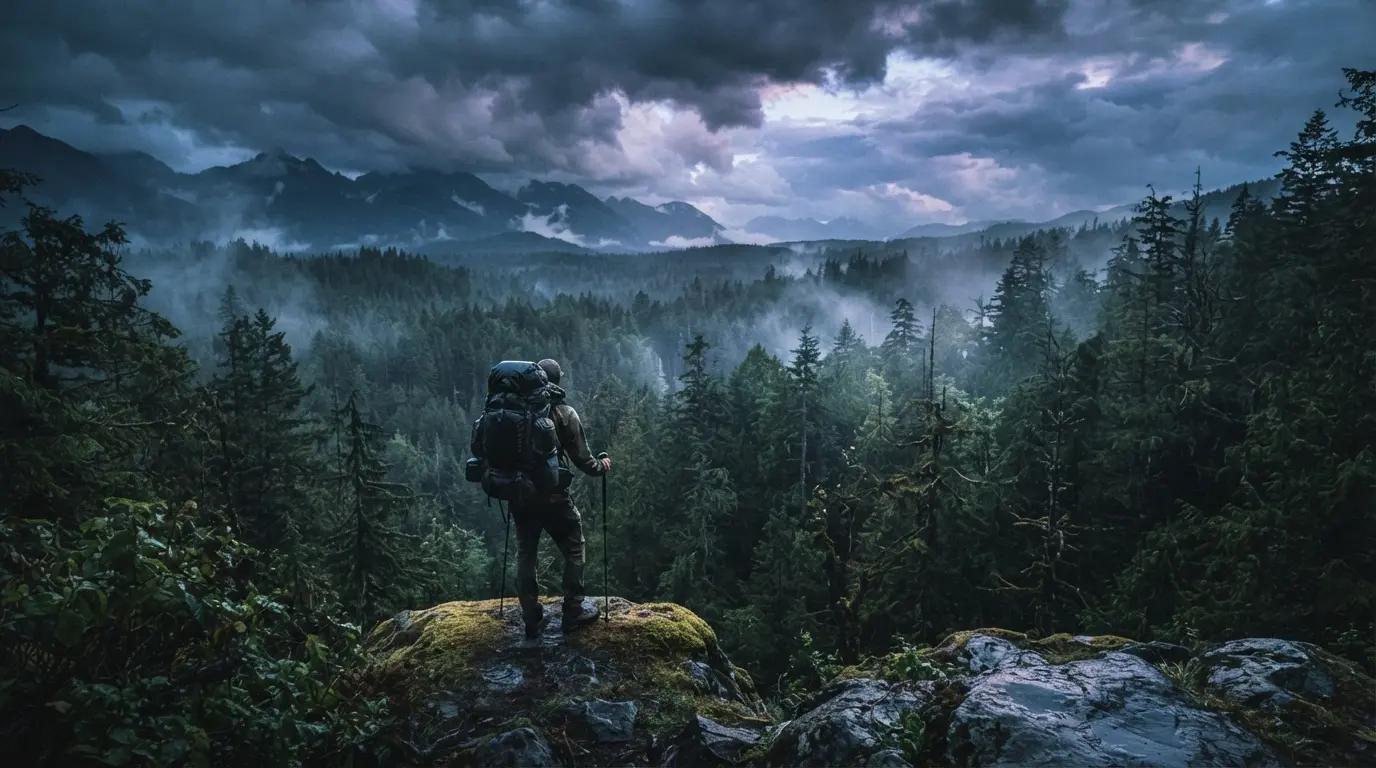
SGUK Outdoor Skills Challenge: Something Big Is Coming
Something big is coming to Survival Guides UK. Not another short list of outdoor activities. Not a course that finishes after a few lessons. And not a challenge that stops when you reach number 100. We are building something much bigger. The SGUK Outdoor Skills Challenge is going to be a huge, ever-growing collection of…
-
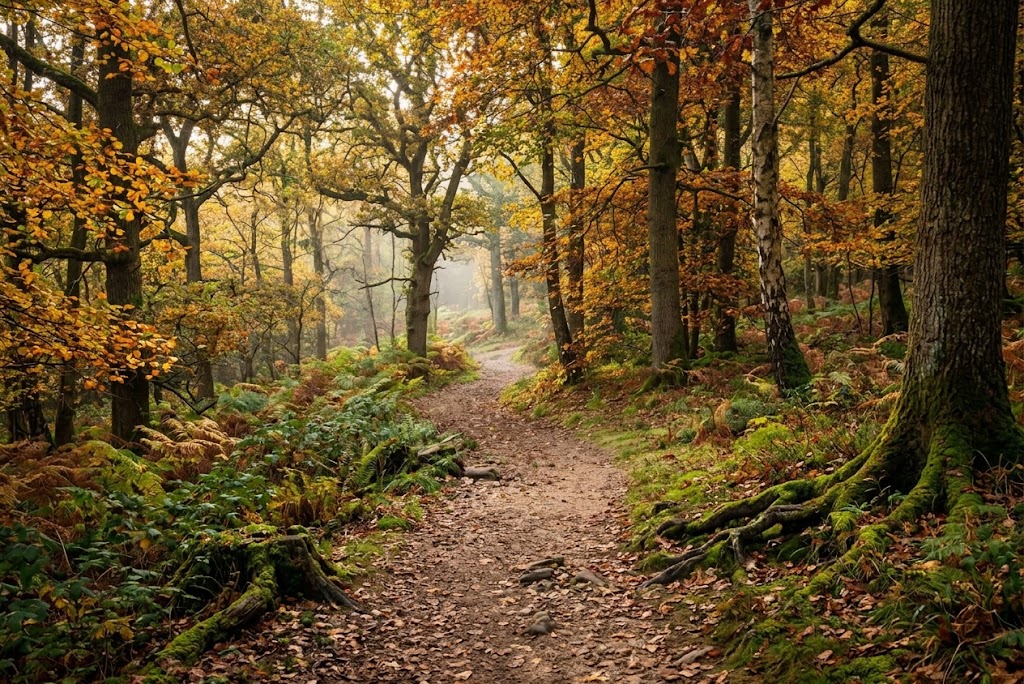
How to Explore the Outdoors Without Damaging the Environment
Getting outside is one of the best ways to appreciate the natural world. But the more people who visit outdoor spaces, the more important it becomes to think about the effect we have while we’re there. That doesn’t mean you need to tiptoe through the countryside afraid of touching anything. It mostly comes down to…
-

How to Become More Observant When You Are Outdoors
There is a big difference between being outside and actually noticing what is going on around you. You can walk the same woodland path ten times and still miss things that were there all along. A broken branch, a set of animal tracks, a change in the wind, birds suddenly going quiet, or a path…
-
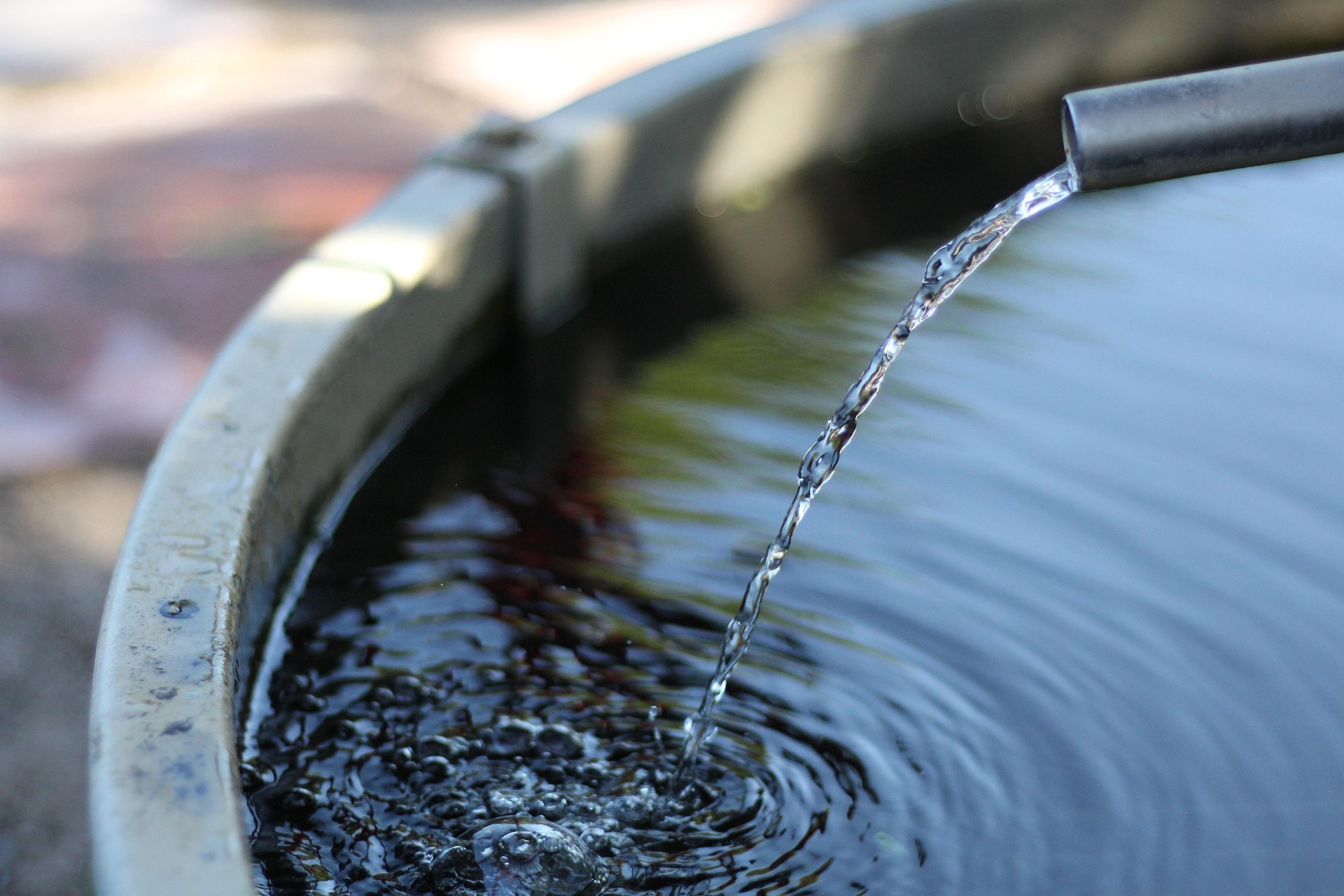
Planning Water for an Outdoor Journey
Water planning is an important part of preparing for any outdoor journey. It is not simply a case of filling a bottle before you leave. You need to consider how much water you are likely to use, where you can refill, whether those sources are reliable, how you will treat collected water and what you…
-
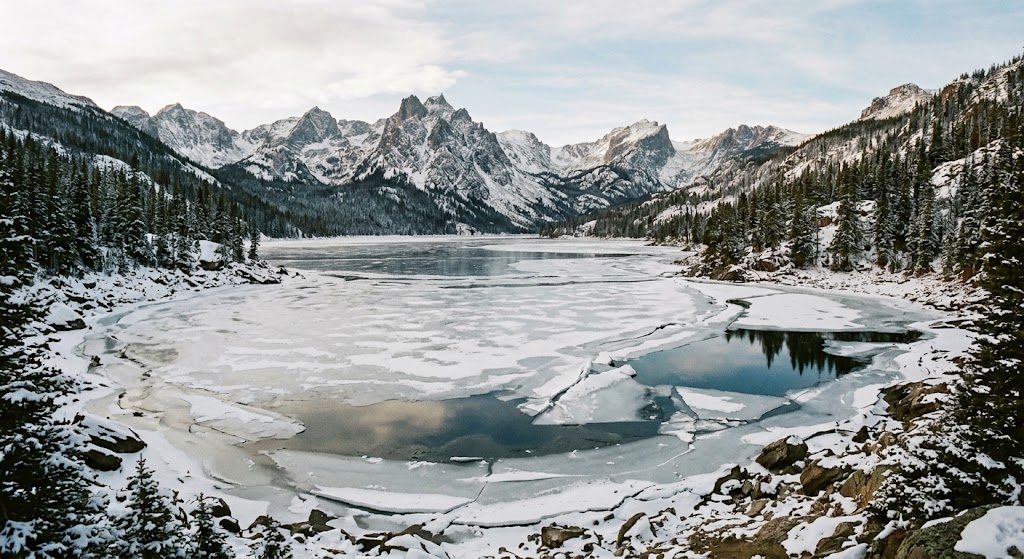
Water Safety in Cold Conditions
Water becomes a different hazard when temperatures fall. Cold weather can affect rivers and streams, make banks slippery, create ice and increase the consequences of falling into water. Even a relatively short immersion can become dangerous when the water is very cold. Cold-weather water safety therefore involves more than avoiding deep water. You need to…
-
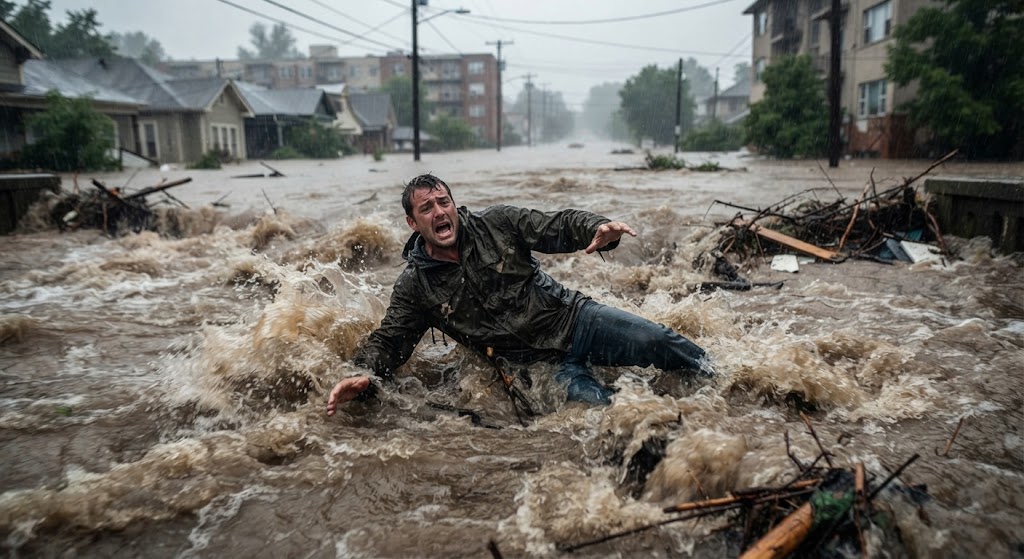
What to Do If You Are Swept Into Fast-Moving Water
Being swept into fast-moving water is a serious emergency. The current can move you much faster than you can swim, and obstacles beneath or above the surface may be difficult to see. Trying to fight directly against the current can quickly lead to exhaustion. The most important thing is to stay calm, protect your airway…
-
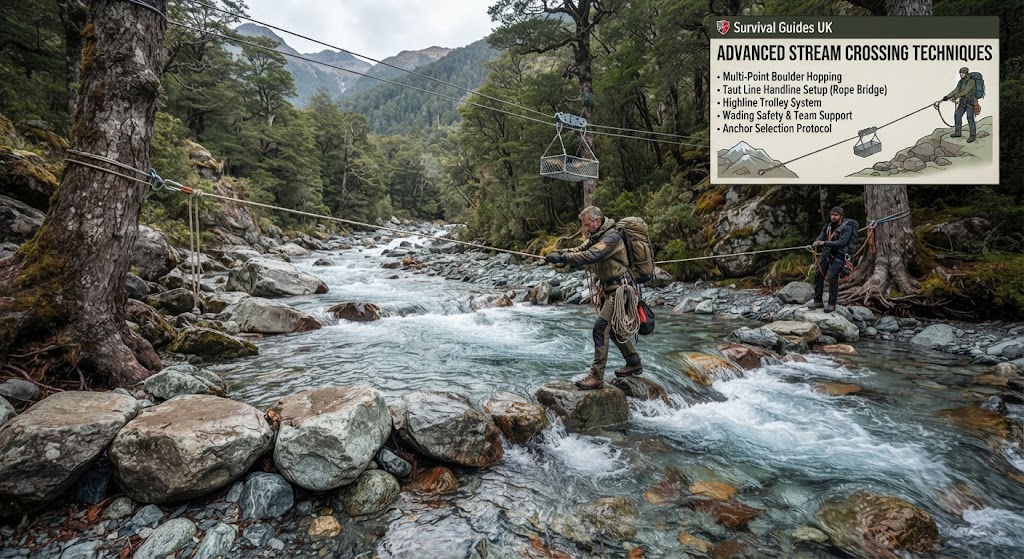
Advanced Stream Crossing Techniques
Crossing a stream can look simple until the water becomes deeper, faster or more unpredictable. A shallow stream in calm conditions may present little difficulty, while the same watercourse after heavy rainfall can become a serious hazard. Advanced stream crossing is therefore not about finding a clever way to get across. It is about assessing…
-
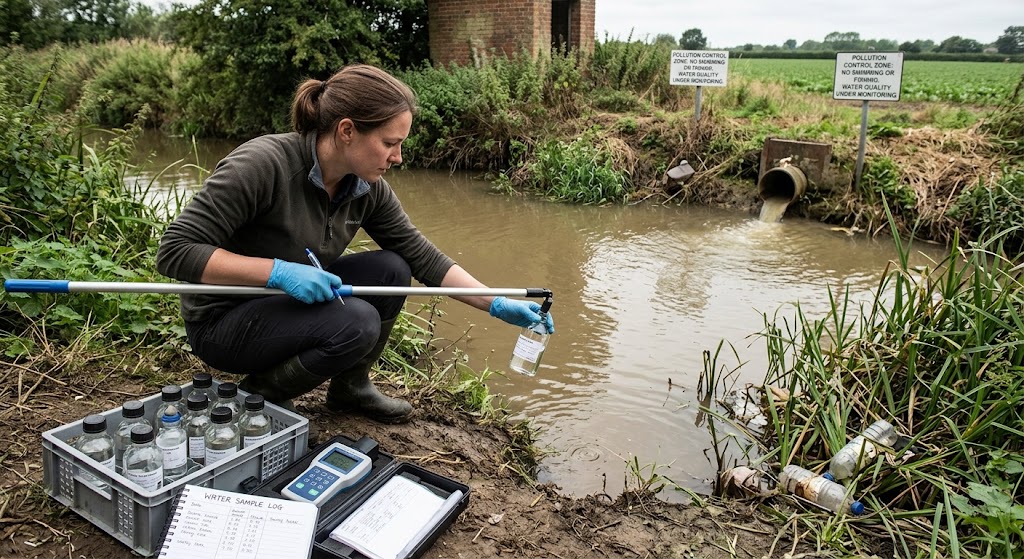
How to Deal With Waterborne Contamination
Water can become contaminated in many different ways. Animals, people, sewage, flooding, agricultural activity and pollution can all affect a water source. Some contamination is obvious, while some cannot be seen, smelled or tasted. For anyone spending significant time outdoors, understanding waterborne contamination means knowing how to reduce the chance of contamination in the first…
-
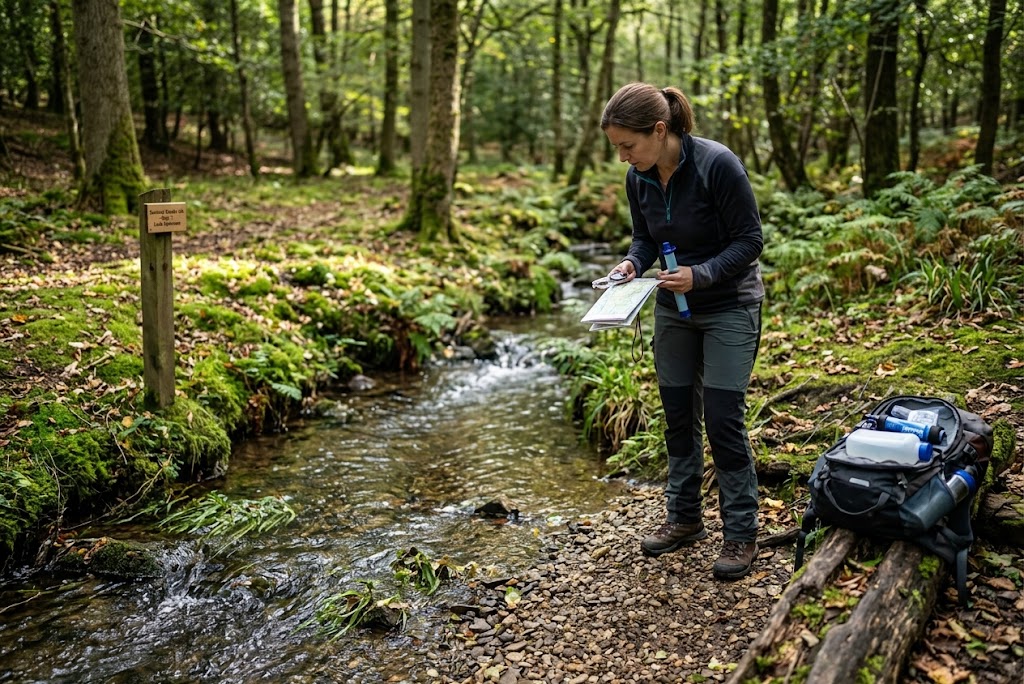
How to Judge Whether a Water Source Is Safe
Finding water outdoors does not automatically mean finding safe drinking water. A stream can look clean but still contain harmful microorganisms. A lake can appear inviting while being affected by contamination that cannot be seen. Even a water source that you have used before can change after heavy rain, flooding, animal activity or human use.…
-
How to Carry and Transport Water Outdoors
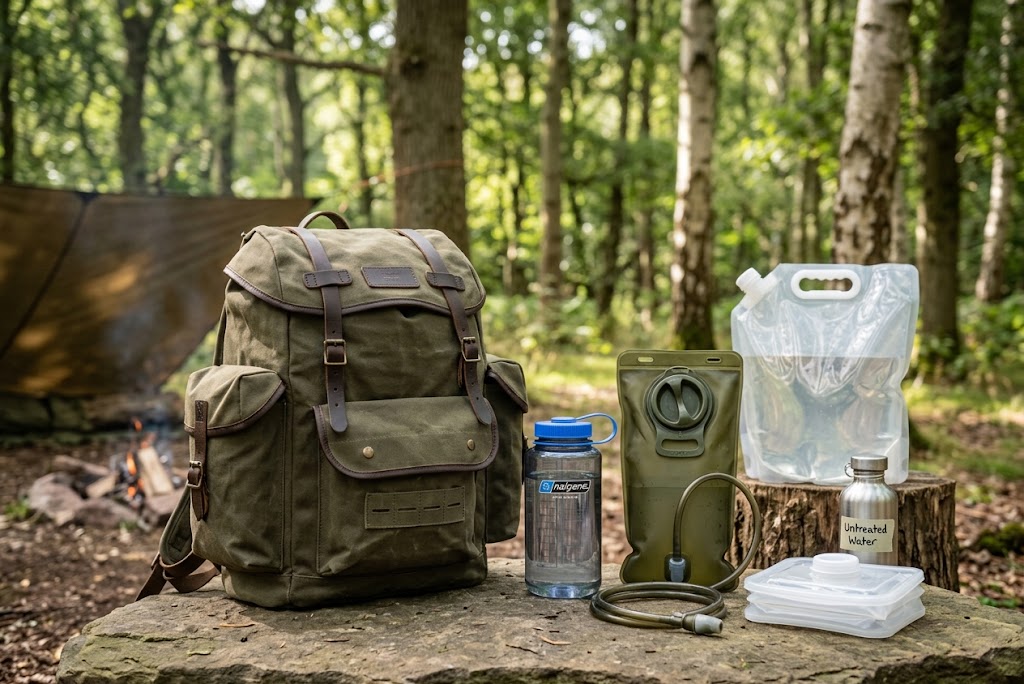
Finding and treating water is only part of staying hydrated outdoors. You also need to be able to carry, transport and protect your water supply. The way you carry water affects how much you can take, how easily you can access it and how much effort you need to use while travelling. More importantly, poor…
-
How to Make Water Safe to Drink Outdoors
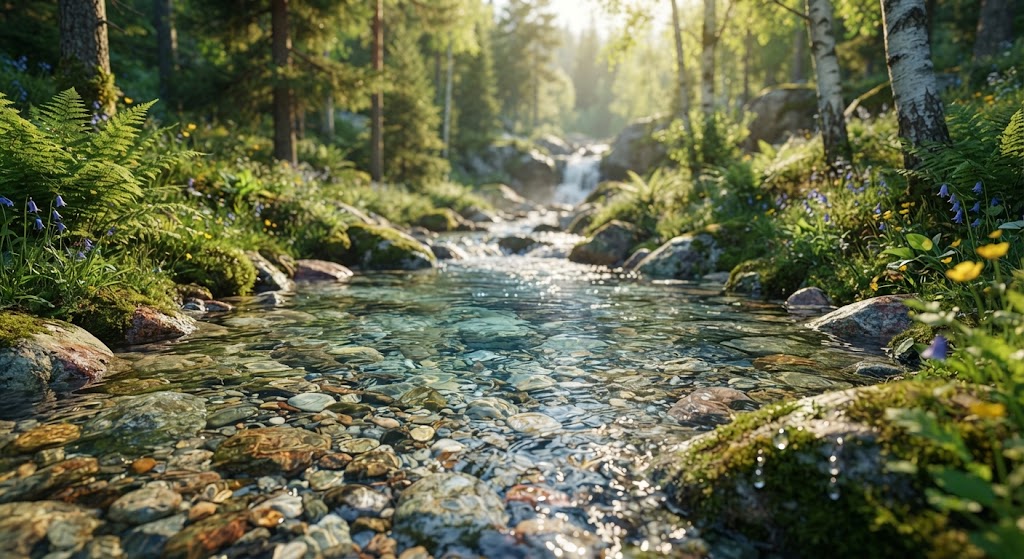
Finding water outdoors does not automatically mean you have found drinking water. Natural water can contain bacteria, viruses, parasites, sediment and other contaminants that are not always visible. Even clear, cold, fast-flowing water can carry microorganisms that could make you ill. The skill is not simply finding water. It is knowing how to assess it,…
Explore Survival Guides UK
Looking for something specific? Explore our activity plans for practical outdoor sessions, take on our survival challenges, or browse our badges to discover new skills and achievements to work towards.
Whether you’re looking for Scout activities, survival skills, camping ideas, navigation resources or practical outdoor learning, explore the rest of Survival Guides UK to find your next challenge.