How to Make Water Safe to Drink Outdoors
Finding water outdoors does not automatically mean you have found drinking water.
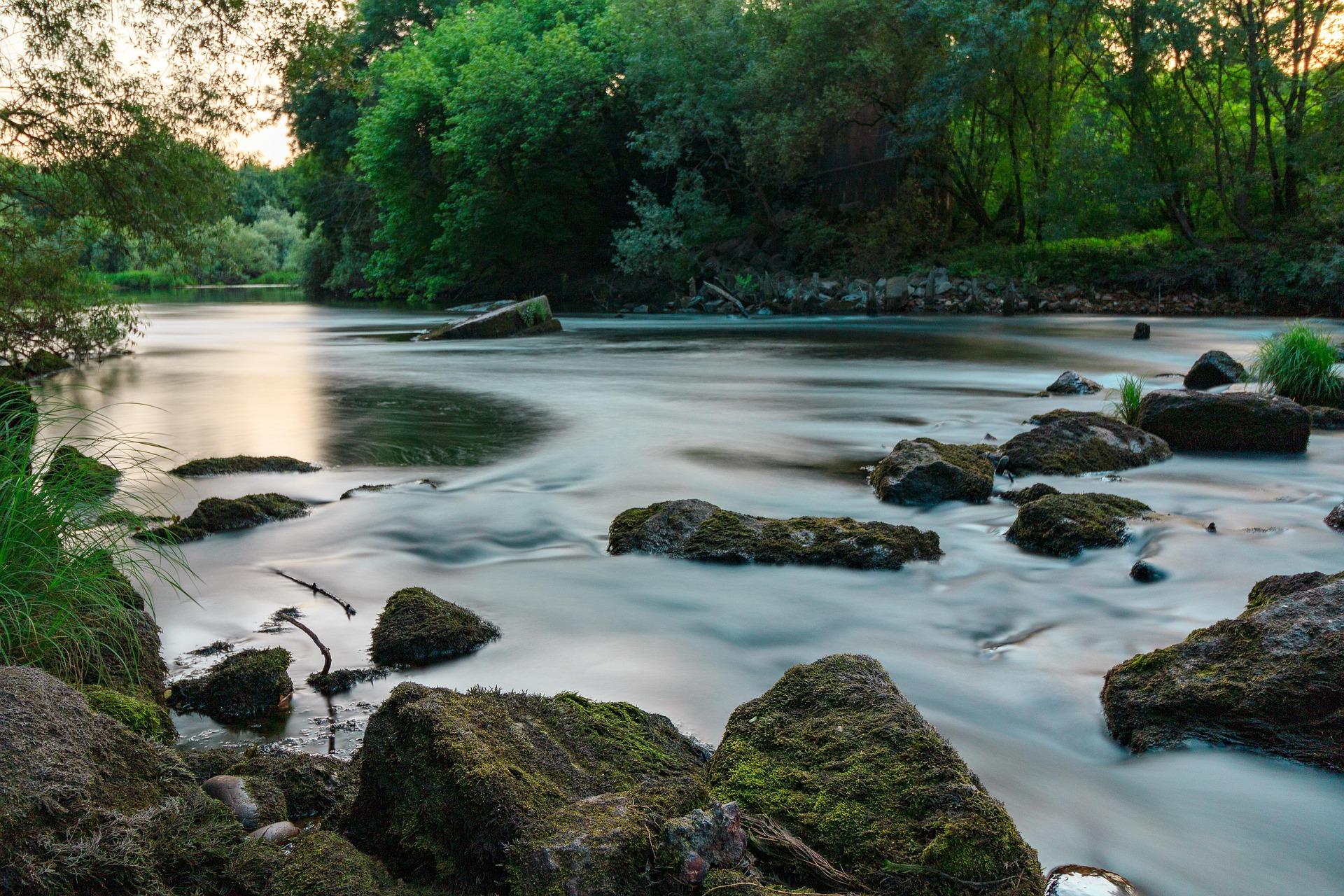
Natural water can contain bacteria, viruses, parasites, sediment and other contaminants that are not always visible. Even clear, cold, fast-flowing water can carry microorganisms that could make you ill.
The skill is not simply finding water. It is knowing how to assess it, collect it, treat it and store it safely.
What You’ll Learn
By the end of this lesson, you will understand:
- How to choose a suitable water source
- Why clear water is not necessarily safe
- How to reduce contamination before treatment
- When filtration, boiling or chemical treatment may be appropriate
- How to prevent treated water becoming contaminated again
- Why some water should be avoided altogether
Equipment
Depending on your circumstances, you may need:
- A clean water bottle or container
- An outdoor water filter
- Water purification tablets or another suitable disinfectant
- A camping stove and suitable cooking container
- A clean container for storing treated water
Always follow the instructions supplied with your particular equipment or treatment product.
Prerequisites
You should already understand how to collect water without contaminating the source or your equipment.
You should also be familiar with the different outdoor water purification methods and their limitations.
Step 1: Choose the Best Available Source
Start by choosing the best water source you can reasonably access.
Look for water that is:
- Free from obvious pollution
- Relatively clear
- Away from areas of heavy human activity
- Away from obvious animal contamination
- Not affected by visible chemical contamination
Avoid water with an unusual smell, oily appearance, obvious pollution or other signs that something may have entered the water.
Do not assume that fast-flowing water is automatically safe. Natural water can still contain harmful microorganisms.
Step 2: Collect It Carefully
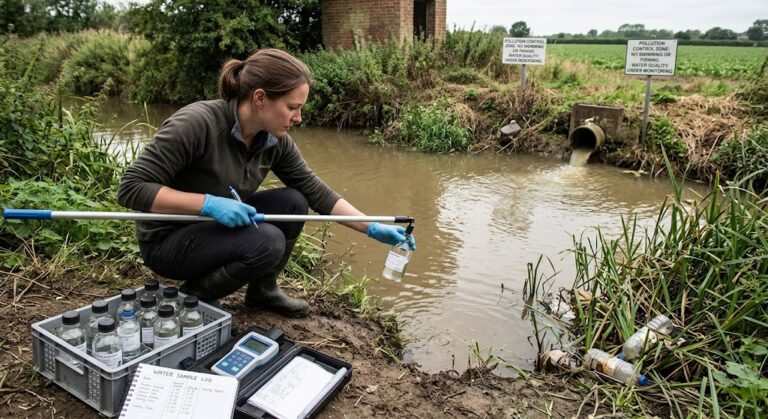
Once you have chosen a source, collect the water without introducing additional contamination.
Use a clean container and avoid putting dirty hands, equipment or other objects into the water you intend to drink.
If possible, collect water upstream of where people or animals are using the water.
Keep untreated water separate from your clean equipment.
This becomes particularly important once you begin treating the water.
Step 3: Let Sediment Settle
If the water is muddy or contains visible particles, allow it to stand for a while if circumstances permit.
Heavier material can settle to the bottom.
Carefully pour the clearer water into another container without disturbing the sediment.
This does not make the water safe to drink by itself. It simply reduces the amount of suspended material that needs to be dealt with during the next stage.
Step 4: Filter the Water
If you have a suitable outdoor water filter, use it according to the manufacturer’s instructions.
Filtration can remove particles and other contaminants that the particular filter has been designed to capture.
However, not all filters provide the same level of protection.
Check exactly what your filter is designed to remove. If the manufacturer recommends disinfecting the filtered water afterwards, carry out that additional treatment.
Step 5: Disinfect the Water
Depending on the circumstances, you may need to disinfect the water after filtering it.
There are several ways to do this.
Boiling
Boiling can kill or inactivate many harmful microorganisms.
Bring the water to a rolling boil and allow it to cool safely before drinking.
Take care when handling boiling water because of the risk of burns.
Chemical Treatment
Water purification tablets or drops can be used to disinfect water when suitable for the situation.
Follow the product instructions precisely.
Pay particular attention to the dosage and the required contact time.
Do not assume that all purification products work in exactly the same way.
UV Treatment
Some devices use ultraviolet light to inactivate microorganisms.
These systems normally work best with relatively clear water and require sufficient battery power.
Follow the manufacturer’s instructions carefully.
Step 6: Know When Not to Drink It
One of the most important water skills is recognising when treatment may not be enough.
Do not deliberately collect water that has obvious chemical contamination, such as an oily film or strong chemical smell, simply because you have a filter or purification tablets.
Different treatment methods deal with different contaminants.
If you have access to a safer source, use it.
If you are on a planned journey, this is one reason why knowing where your next reliable water source is located is so important.
Step 7: Protect the Treated Water
Once the water has been treated, protect it from contamination.
Use a clean container and keep the lid closed when the water is not being used.
Do not pour treated water into a bottle that still contains untreated water.
Avoid touching the inside of the bottle, cap or container.
If you are carrying both treated and untreated water, keep them clearly separated.
A useful rule is:
Dirty water should never come into contact with clean water.
Step 8: Think About the Whole Process
Making water safe is not just about what happens inside the bottle.
Think about the entire chain:
Source → Collection → Preparation → Treatment → Storage → Drinking
A mistake at any stage can introduce contamination.
For example, you could correctly filter water but then pour it into a dirty bottle. The treatment was successful, but the final water may no longer be clean.
Good water management therefore means controlling contamination from beginning to end.
What If the Water Is Already Clear?
This is an important test of your understanding.
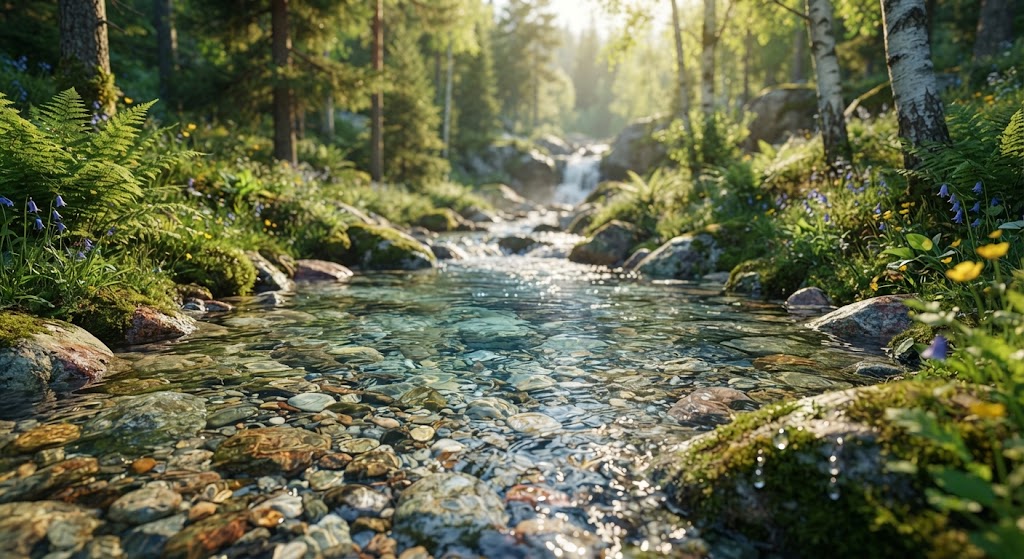
Imagine finding a clear mountain stream.
It looks clean.
There is no mud.
There is no unusual smell.
Would you automatically drink it?
No.
Appearance tells you very little about microorganisms that may be present in the water.
Clear water can still require treatment.
The safest approach is to assess the source and then use an appropriate treatment method.
What If You Are Running Out of Water?
Running low on water can create pressure to take shortcuts.
This is exactly when you need to remain disciplined.
Do not assume that drinking untreated water is safer simply because you are thirsty.
Instead:
- Identify the safest available source.
- Collect water carefully.
- Treat it using the equipment and method available.
- Store it safely.
- Continue managing your remaining water supply.
This is also why carrying enough water and planning reliable refill points are important parts of outdoor journey planning.
Practical Exercise
Take the equipment you normally carry outdoors and practise the complete process using clean water.
Work through:
Choose → Collect → Settle → Filter → Disinfect → Store
Practise transferring water between containers without contaminating the clean equipment.
Then remove one piece of equipment from the process and consider how you would adapt.
For example:
- What would you do without your filter?
- What would you do without a stove?
- What would you do if the water was very muddy?
- What would you do if your planned source was obviously contaminated?
The objective is to understand the principles rather than memorise one fixed procedure.
Final Tip
Safe water comes from good decisions, not just good equipment.
Choose the best source you can, treat water appropriately, and protect it afterwards.
The more carefully you manage the entire process, the lower the chance of turning a useful water source into a health problem.
🔒Ready to test your survival skills?
Join Survival Guides UK for free, complete challenges, earn badges and increase your Survival Level.
JOIN FREE →
CRAIG BURR
FOUNDER · SURVIVAL GUIDES UK
I'm Craig, the person behind Survival Guides UK. I created SGUK because I wanted somewhere people could learn real outdoor skills in a practical, straightforward way — from lighting a fire and tying knots to navigation, campcraft and everything in between.
You can read more about the story behind SGUK here as well as our approach here.