Planning Water for an Outdoor Journey
Water planning is an important part of preparing for any outdoor journey. It is not simply a case of filling a bottle before you leave. You need to consider how much water you are likely to use, where you can refill, whether those sources are reliable, how you will treat collected water and what you will do if your original plan changes.
Good water planning means thinking about your entire journey before you set off.
What You’ll Learn
By the end of this guide, you will understand how to:
- Estimate your water requirements for a journey
- Identify potential water sources along your route
- Decide how much water to carry
- Plan how collected water will be treated
- Prepare for unreliable or unavailable water sources
- Build a backup plan for unexpected situations
- Monitor your water supply while travelling
Equipment
You may need:
- Water bottles or hydration reservoir
- Map of your route
- Compass or navigation device
- Water filter or purification equipment
- Water treatment tablets where appropriate
- Collapsible water container
- Notebook or route-planning sheet
Prerequisites
Before attempting this lesson, you should understand:
- Basic outdoor water safety
- How to recognise potentially unsafe water sources
- How to purify water outdoors
- How to collect water without contaminating it
- How to navigate using a map and compass
Start With the Route
Your water requirements depend heavily on the journey you are planning.
Look at the length of the route, the terrain, the expected walking pace and how remote the area is. A short walk close to civilisation may require a very different water plan from a long journey through remote countryside.
Consider:
- How long you expect to be travelling
- How much physical effort the route requires
- The expected weather
- Temperature and exposure
- Whether there are steep climbs
- Whether reliable water sources are available
- How far you will be from help or alternative supplies
Do not plan your water around distance alone. Two routes of the same length can create very different demands.
Estimate Your Water Needs
There is no single amount of water that is suitable for every outdoor journey.
Your requirements will depend on your normal personal needs, the conditions, your activity level and how long you will be outside.
Use your experience from previous journeys where possible. If you know how much you normally drink during similar activities, use that information as a starting point and then consider whether the conditions are likely to increase your requirements.
Hot weather, strenuous activity and long periods of exposure can all change your needs.
It is also important to allow some reserve rather than planning to arrive at your next water source with an empty bottle.
Identify Water Sources Along the Route
Before leaving, study your route and identify possible places where water may be available.
These could include:
- Reliable taps or facilities
- Campsites
- Visitor facilities
- Public water supplies where access is permitted
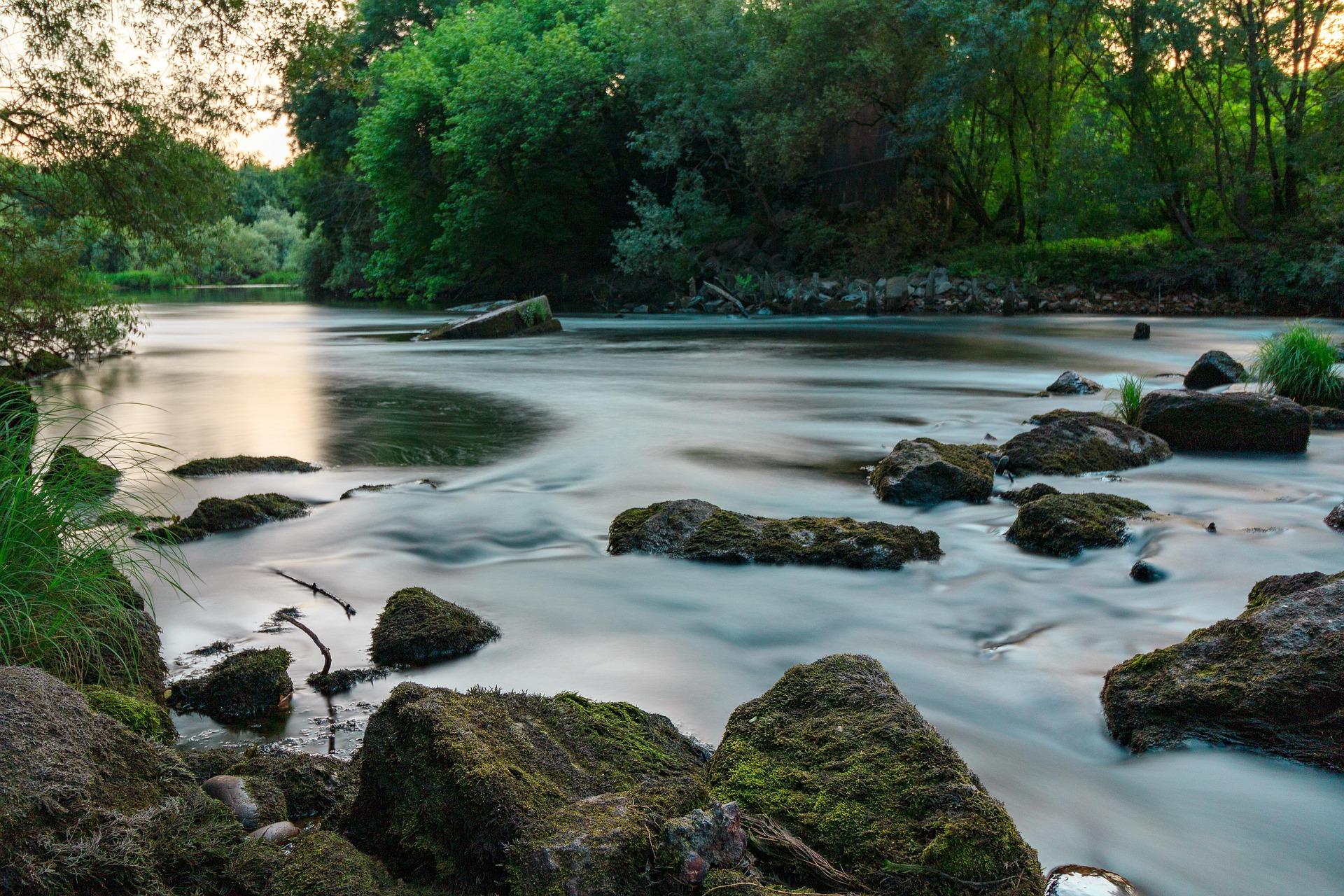
- Streams and rivers
- Lakes or other natural sources
Do not automatically assume that a water source shown on a map will be available when you arrive.
Natural sources can dry up, become inaccessible or become contaminated. Facilities can also be closed or unavailable.
Where possible, identify more than one potential source.
Decide How Much Water to Carry
Once you understand your route and possible refill points, decide how much water you need to carry between them.
The aim is not necessarily to carry your entire water requirement for the whole journey. If reliable, suitable refill points are available, you may be able to carry less at the beginning and replenish your supply during the journey.
However, never make your plan completely dependent on a single source.
If the only stream on your route is dry, contaminated or impossible to reach, you need another option.
Remember that water is heavy. One litre of water weighs approximately one kilogram, before the weight of the container is added. Carrying unnecessary water can therefore add a significant amount of weight to your pack.
Plan How You Will Treat Water
If you intend to collect water during the journey, decide in advance how you will make it safe to drink.
Your plan might involve:
- Filtration
- Chemical treatment
- Boiling
- Ultraviolet treatment
- A combination of methods where appropriate
Know the limitations of your chosen method.
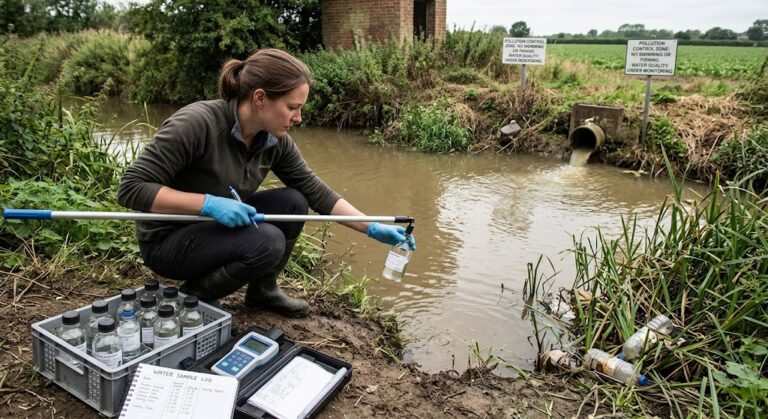
For example, normal water purification methods are not designed to remove every form of chemical contamination. A source that may have been affected by pollution should not simply be treated and assumed to be safe.
Carry the equipment you need and make sure you know how to use it before relying on it during a journey.
Consider the Weather
Weather should form part of your water plan before you leave.
In warm conditions, you may need to drink more frequently and refill opportunities can become more important.
Cold weather creates different problems. You may not feel as thirsty, but you still need to pay attention to your water intake. Freezing temperatures can also affect bottles, filters and other equipment.
Rain does not automatically solve your water problem either. Rainfall may be unreliable, and collecting rainwater while travelling may not be practical.
Check the forecast before setting off and consider how changes in weather could affect your original plan.
Build a Water Plan
A simple water plan can make your decisions much easier during the journey.
| Journey stage | Water plan | Source | Treatment | Backup |
|---|---|---|---|---|
| Start | Carry initial supply | Prepared before departure | Already safe | Reserve carried |
| Mid-route | Refill if required | Planned source | Filter or treat if necessary | Previous supply retained |
| Later route | Refill if required | Second planned source | Appropriate treatment | Alternative source |
| End | Maintain enough for final section | Final reliable source if required | As necessary | Remaining reserve |
The exact details will depend on your route, but the principle is the same: know where your water is coming from and what you will do if that source cannot be used.
Plan for Failure
A good water plan includes things going wrong.
Ask yourself:
What if the source is dry?
Have another source identified or carry enough additional water to reach an alternative.
What if the water looks contaminated?
Do not use it simply because it is the only source available. Your plan should include another option.
What if you walk more slowly than expected?
Allow enough reserve to cope with delays.
What if your route changes?
Know where other water sources may be found.
What if a bottle leaks or is damaged?
Avoid putting all your water in a single container where possible. Distributing your supply can reduce the consequences of losing one container.
The important principle is to avoid building a plan where one small failure leaves you without water.
Group Water Planning
When travelling as a group, water planning becomes more complicated.
Do not assume that one person will automatically carry and manage everybody’s water.
Each person should understand their own supply and know when the next reliable source is expected.
For larger groups, it can also be useful to maintain a shared reserve while ensuring individuals still have access to enough water for their own needs.
Group leaders should consider the abilities and requirements of everyone taking part rather than assuming that the group can travel at the same pace or consume the same amount of water.
Track Your Water Supply
Your water plan does not stop when you leave home.
Keep an eye on how much water you have remaining as the journey progresses.
Use obvious navigation points as opportunities to check your supply. If you have used more water than expected, change your plan early rather than waiting until your supply is almost gone.
Refilling early can sometimes be safer than trying to reach a planned source with very little water remaining.
Practical Exercise
Choose a route that you know well and create a complete water plan for it.
Mark:
- Your starting point
- The amount of water you intend to carry
- Every potential water source
- Which sources are likely to be reliable
- Which sources would require treatment
- Alternative sources
- The point at which you would refill
- Your backup plan if a source cannot be used
Then consider a scenario where the main water source is unavailable.
Work out how you would change your route or water plan without relying on guesswork.
For an advanced challenge, repeat the exercise for a longer or more remote route and include a change in weather or an unexpected delay.
Final Tip
Good water planning means knowing where your water is coming from before you are thirsty, how you will make collected water safe, and what you will do when the original plan changes.
🔒Ready to test your survival skills?
Join Survival Guides UK for free, complete challenges, earn badges and increase your Survival Level.
JOIN FREE →
CRAIG BURR
FOUNDER · SURVIVAL GUIDES UK
I'm Craig, the person behind Survival Guides UK. I created SGUK because I wanted somewhere people could learn real outdoor skills in a practical, straightforward way — from lighting a fire and tying knots to navigation, campcraft and everything in between.
You can read more about the story behind SGUK here as well as our approach here.