How to Tie a Double Fisherman’s Knot | Step-by-Step Guide
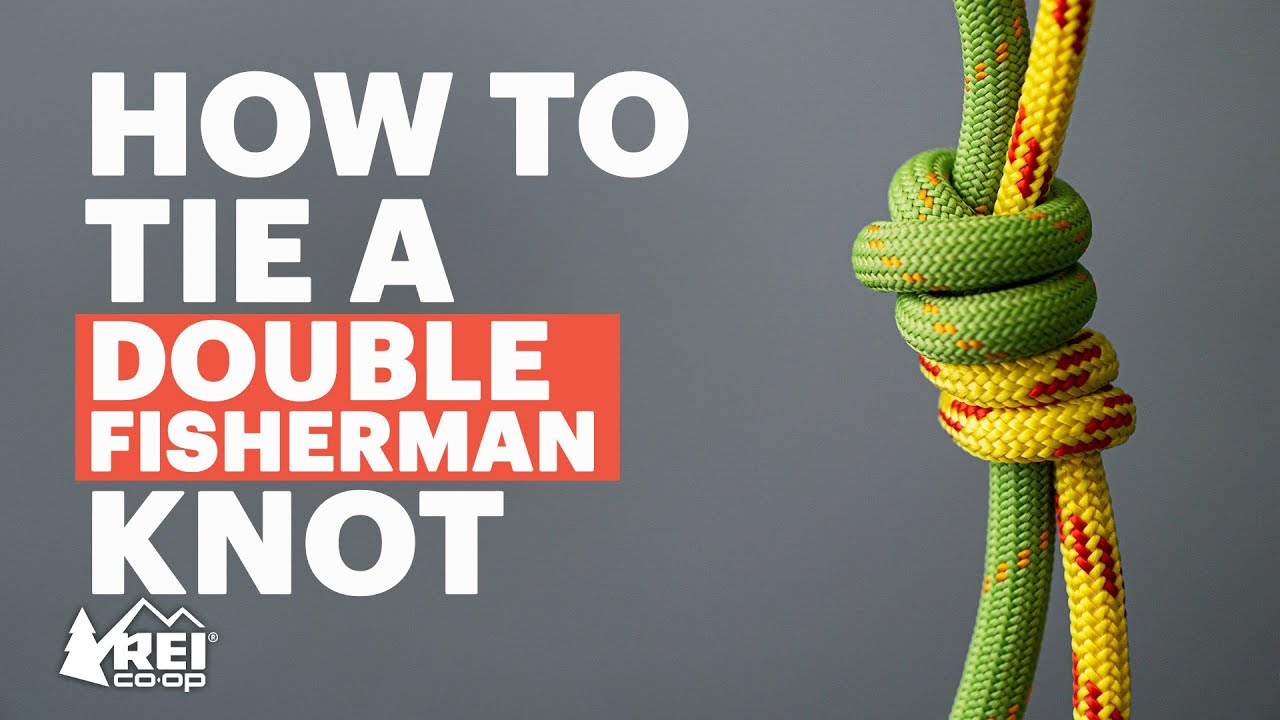
The double fisherman’s knot is a compact knot used to join two ends of rope or cord. It is particularly useful with cord of similar diameter and is commonly used when a secure, relatively compact join is required.
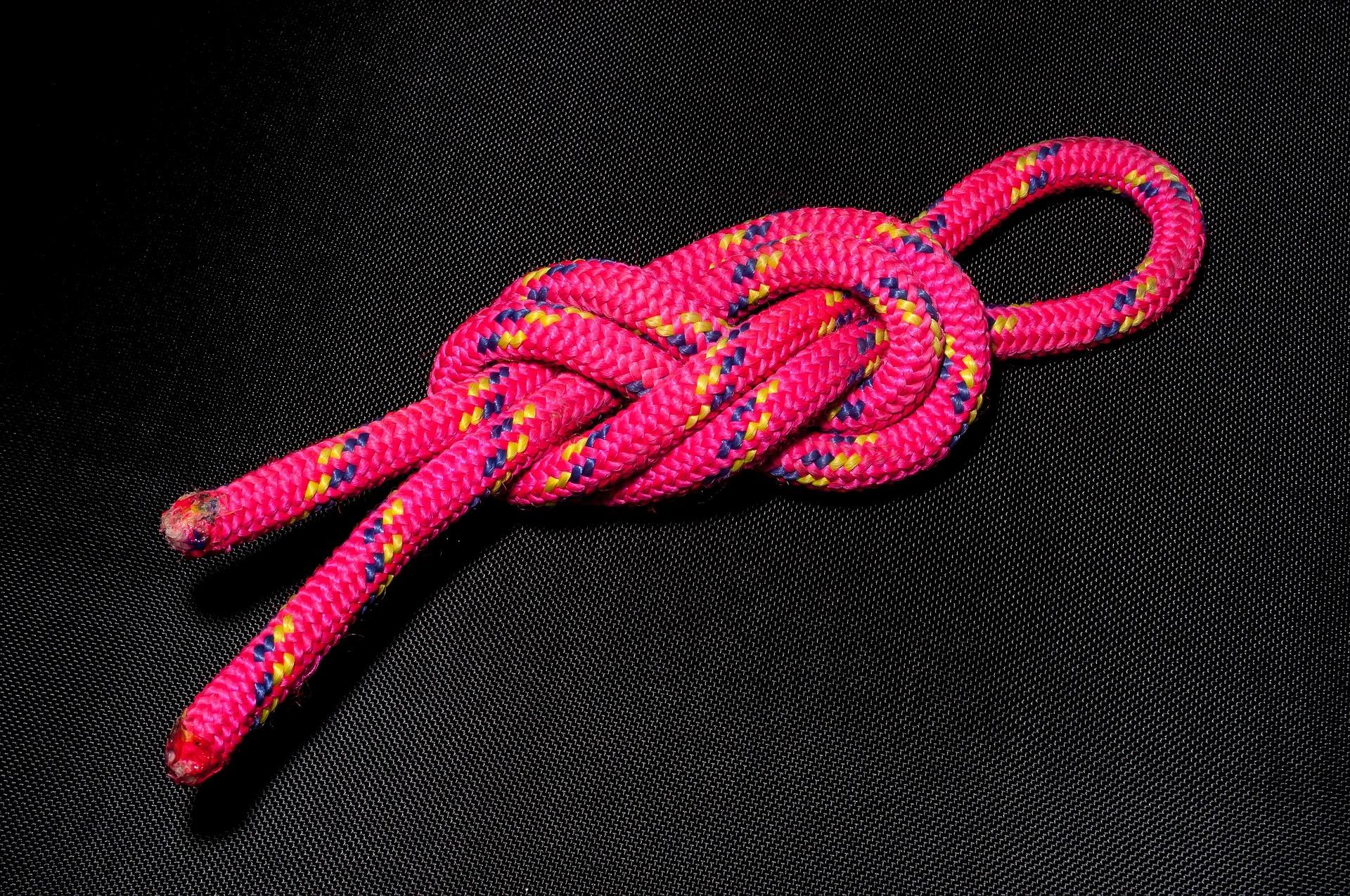
The knot consists of two identical stopper knots that are tied around the opposite rope. When the two ends are pulled apart, the two stopper knots slide together and lock against each other.
What You’ll Learn
By the end of this guide, you should be able to:
- Tie a double fisherman’s knot correctly.
- Join two ropes or cords securely.
- Recognise the two separate stopper knots that make up the finished knot.
- Check and dress the knot before using it.
Equipment
- Two lengths of rope or cord of similar diameter.
- Using two different colours can make the knot much easier to learn.
Understanding the Knot
The double fisherman’s knot is made by tying two double overhand stopper knots, one using each rope around the other.
The two knots are then pulled together.
The important thing to remember is that each rope is tied around the other rope, creating matching knots that lock together when tension is applied.
How to Tie a Double Fisherman’s Knot
1. Position the two ropes
Lay the two ropes alongside each other with their working ends pointing in opposite directions.
Leave enough rope at each end to tie the knot and leave a suitable tail beyond the finished knot.
2. Make the first stopper knot
Take the working end of the first rope and wrap it around the standing part of the second rope.
Make two turns around the second rope.
3. Pass the working end through
Bring the working end back through the two turns you have just created.
Pull it through to form a compact double overhand knot.
Do not pull everything completely tight yet.
4. Tie the second stopper knot
Now take the working end of the second rope.
Wrap it around the standing part of the first rope, making two turns.
5. Pass the second working end through
Bring the second working end back through its two turns.
Pull it through to create the second double overhand knot.
You should now have two similar stopper knots facing each other.
6. Pull the knots together
Hold the two standing parts and pull them in opposite directions.
The two stopper knots should slide towards each other and lock together.
7. Dress the knot
Arrange the two knots neatly so that they sit firmly against each other.
Check that the rope follows a clear path through both sides of the knot.
How to Check Your Double Fisherman’s Knot
Before using the knot, check that:
- There are two separate double overhand knots.
- Each knot is tied around the opposite rope.
- The two knots are pulled firmly together.
- The rope is neatly arranged with no unnecessary crossings.
- Both working ends have sufficient tail beyond their respective knots.
- The finished knot is compact and secure.
Do not rely solely on the appearance of the finished knot. Trace each rope through the knot to make sure both stopper knots have been formed correctly.
Common Uses
A double fisherman’s knot can be useful for:
- Joining two similar-sized cords.
- Creating a continuous loop from cord.
- General outdoor ropework.
- Joining suitable accessory cord.
- Creating loops for certain ropework techniques.
It is especially useful when a compact connection is preferred.
Important Safety Information
The double fisherman’s knot can be difficult to untie after it has been heavily loaded. Avoid using it where you will need to separate the ropes easily after significant tension has been applied.
It is also important to use rope or cord appropriate for the intended application.
For climbing, rescue, abseiling or other life-safety applications, use the specific knot and rope system required for that activity and follow the appropriate procedures.
Always inspect the knot before use and make sure the tails are long enough for the particular rope and application.
Final Tip
The easiest way to learn this knot is to remember that you are tying the same knot twice — but each rope is wrapped around the other.
Using two different-coloured cords makes this much easier to see. Once both stopper knots are tied, pull the standing parts apart and watch them slide together to form the finished double fisherman’s knot.
🔒Ready to test your survival skills?
Join Survival Guides UK for free, complete challenges, earn badges and increase your Survival Level.
JOIN FREE →
CRAIG BURR
FOUNDER · SURVIVAL GUIDES UK
I'm Craig, the person behind Survival Guides UK. I created SGUK because I wanted somewhere people could learn real outdoor skills in a practical, straightforward way — from lighting a fire and tying knots to navigation, campcraft and everything in between.
You can read more about the story behind SGUK here as well as our approach here.