Survival Skills

Learn essential survival skills including shelter building, fire lighting, navigation, first aid, outdoor safety and practical skills to survive in the wilderness.

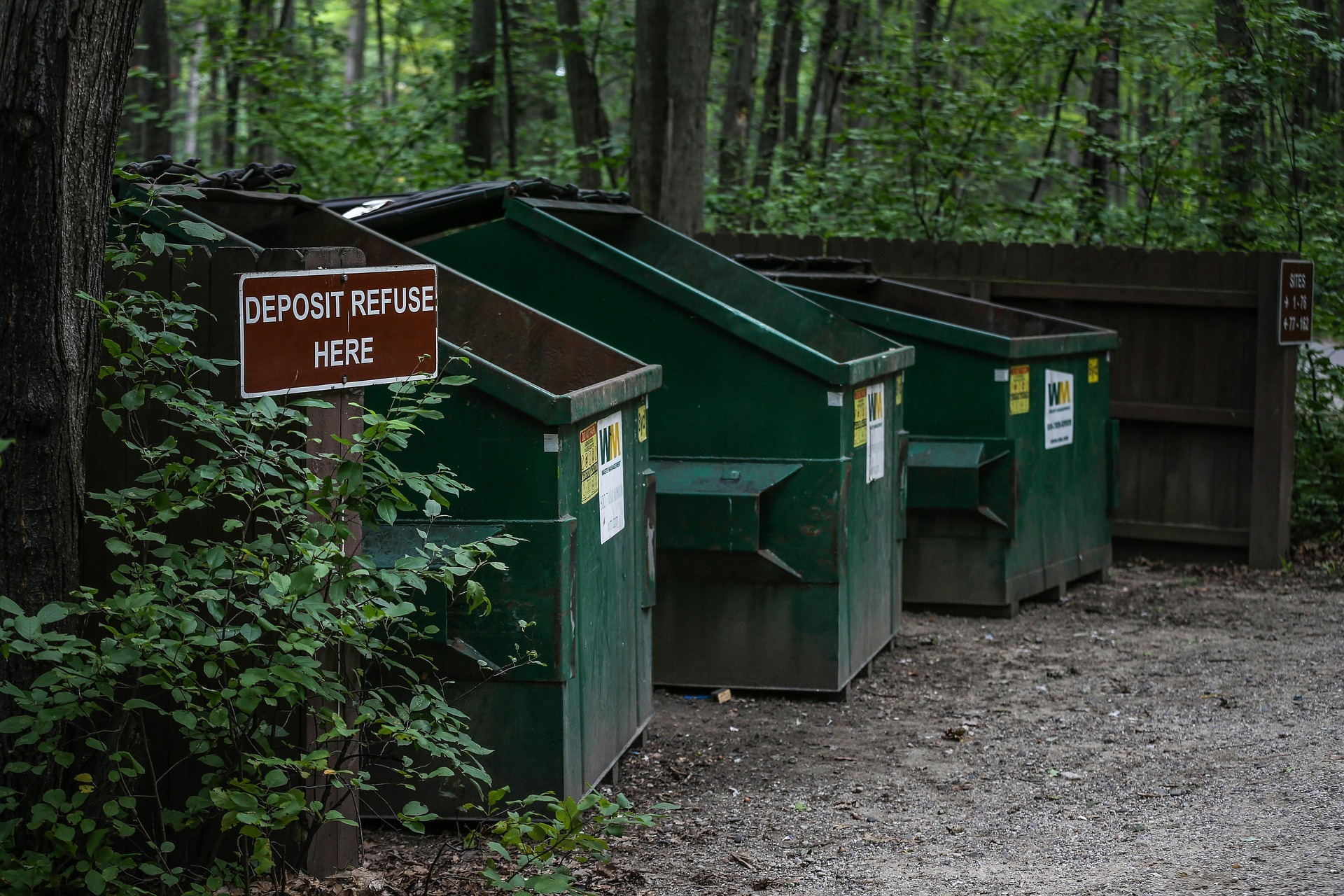
  • Managing Food Waste at Camp

    Managing food waste is an important part of outdoor cooking. Food scraps, packaging and leftovers can create unpleasant smells, attract wildlife and leave the campsite untidy. Good waste management helps protect the environment and makes packing up much easier. Plan Your Food One of the best ways to reduce waste is to avoid creating it…
  • Outdoor Cooking Hygiene

    Good hygiene is an essential part of cooking outdoors. Unlike a kitchen, a campsite may not have running water, worktops, sinks or refrigeration readily available. This means Scouts need to plan ahead and take extra care when handling food. The basic principle is simple: keep hands, food, equipment and preparation areas as clean as practical….

  • Outdoor Cooking Basics for Scouts

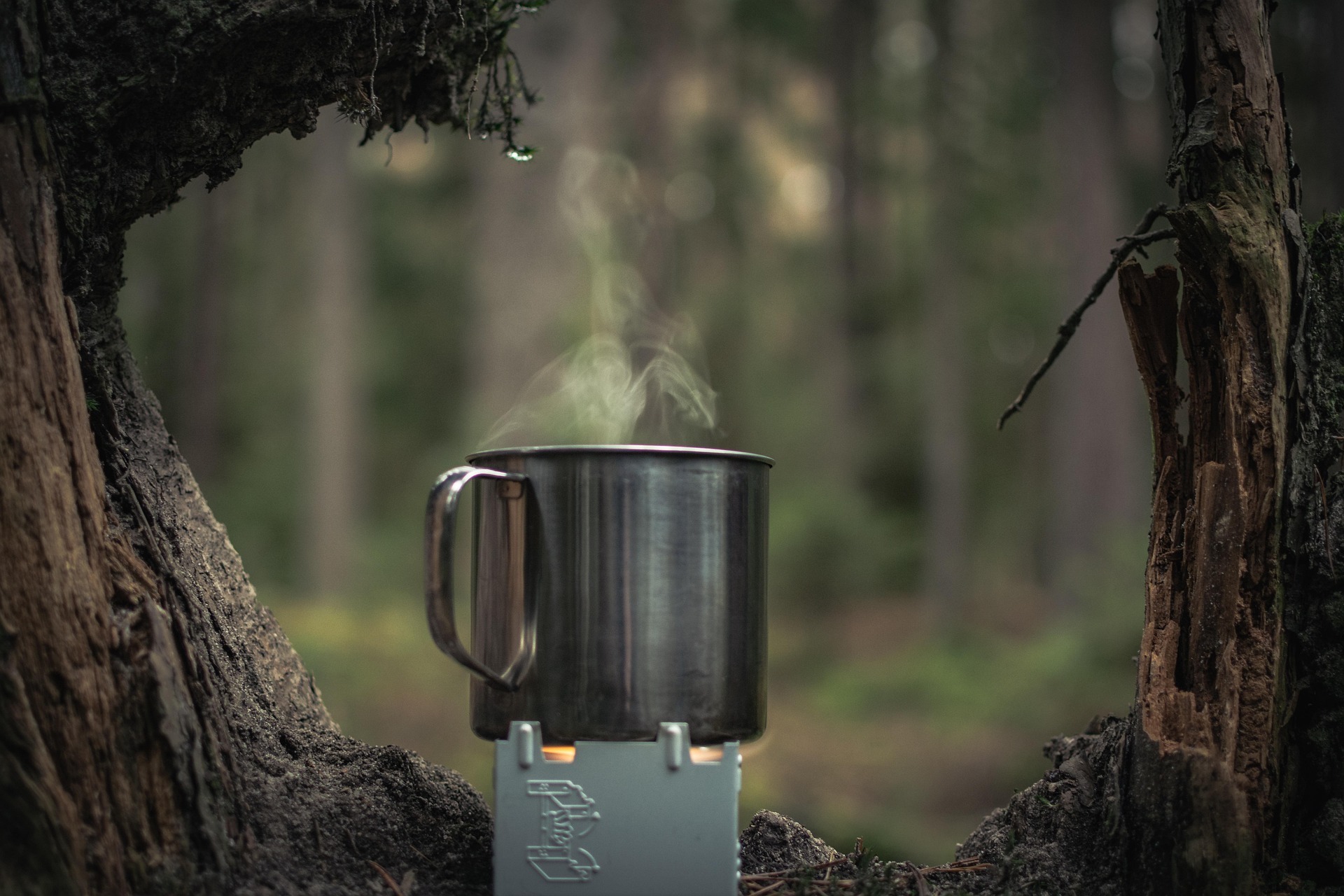
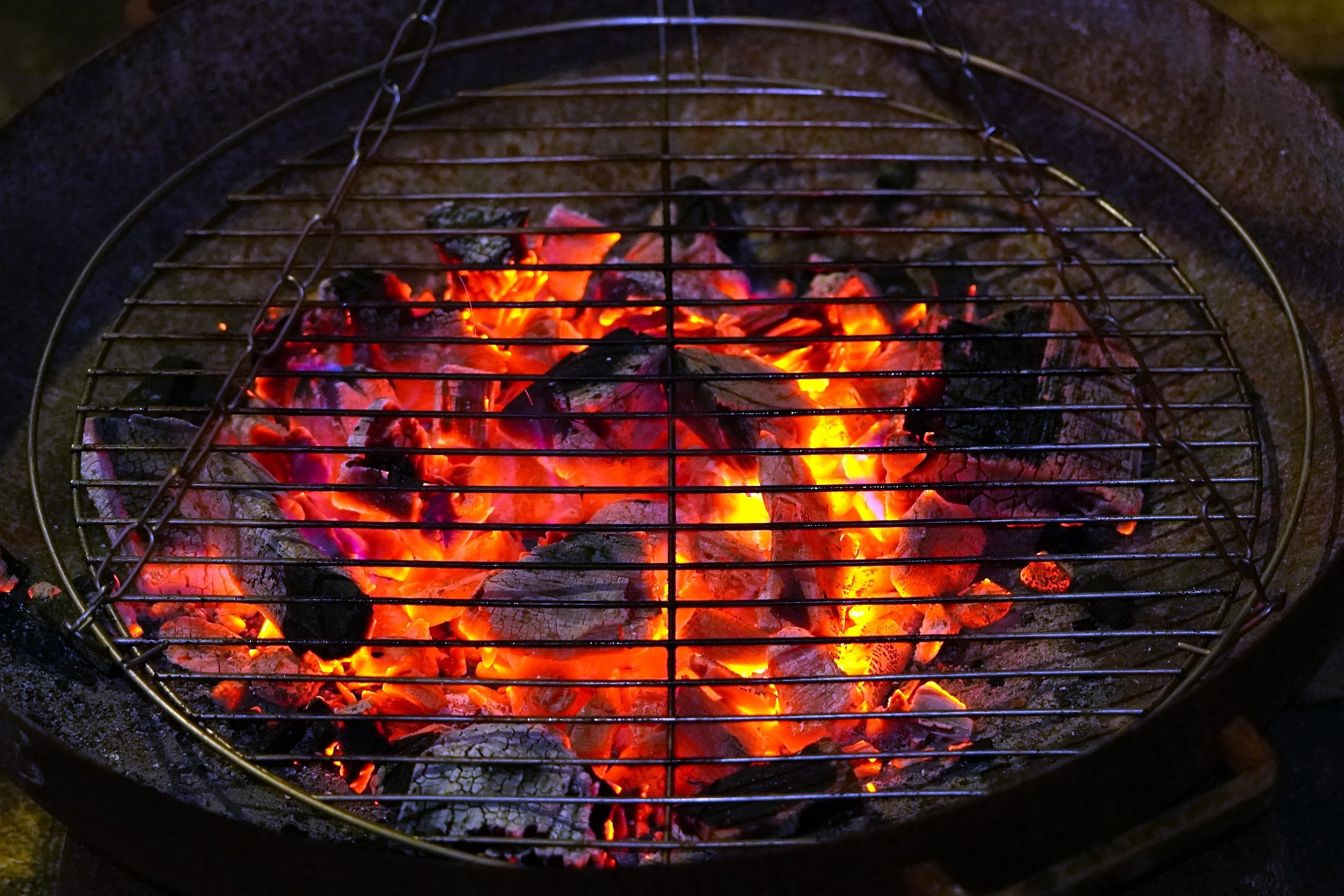
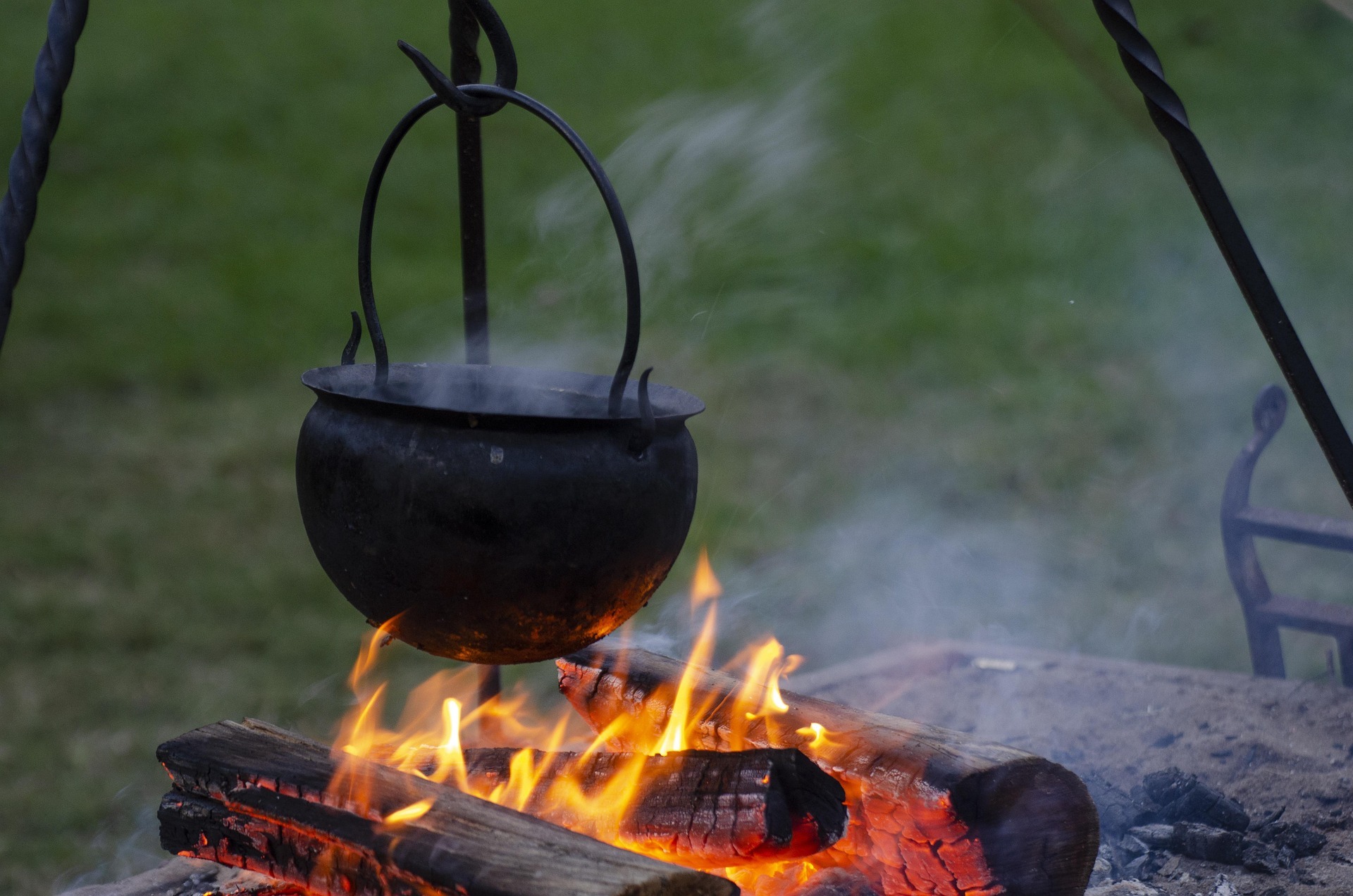
    Outdoor cooking is a useful Scout skill that combines planning, food preparation, equipment management and safety. Cooking outside is different from cooking in a kitchen. You have less space, fewer facilities and changing weather conditions to consider. The aim is to prepare food safely while keeping your cooking area organised and leaving the site clean…

  • How to Store Collected Water

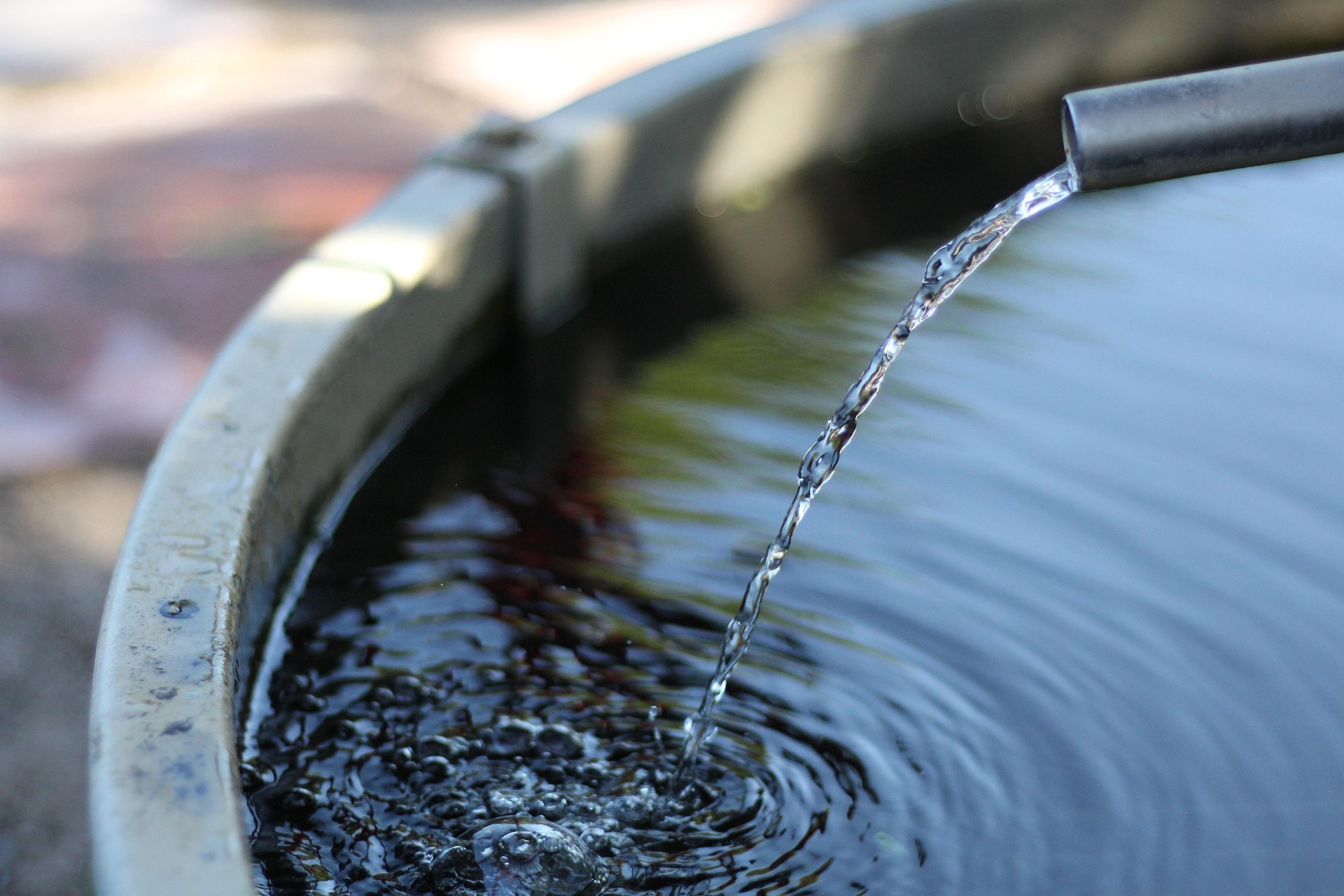
    Once you’ve collected water outdoors, storing it properly is just as important as collecting it carefully. Good storage helps prevent dirt and other contaminants from getting into the water and makes it easier to keep track of which water has been treated and which hasn’t. Use a Suitable Container Use a clean container that is…

  • How to Collect Rainwater

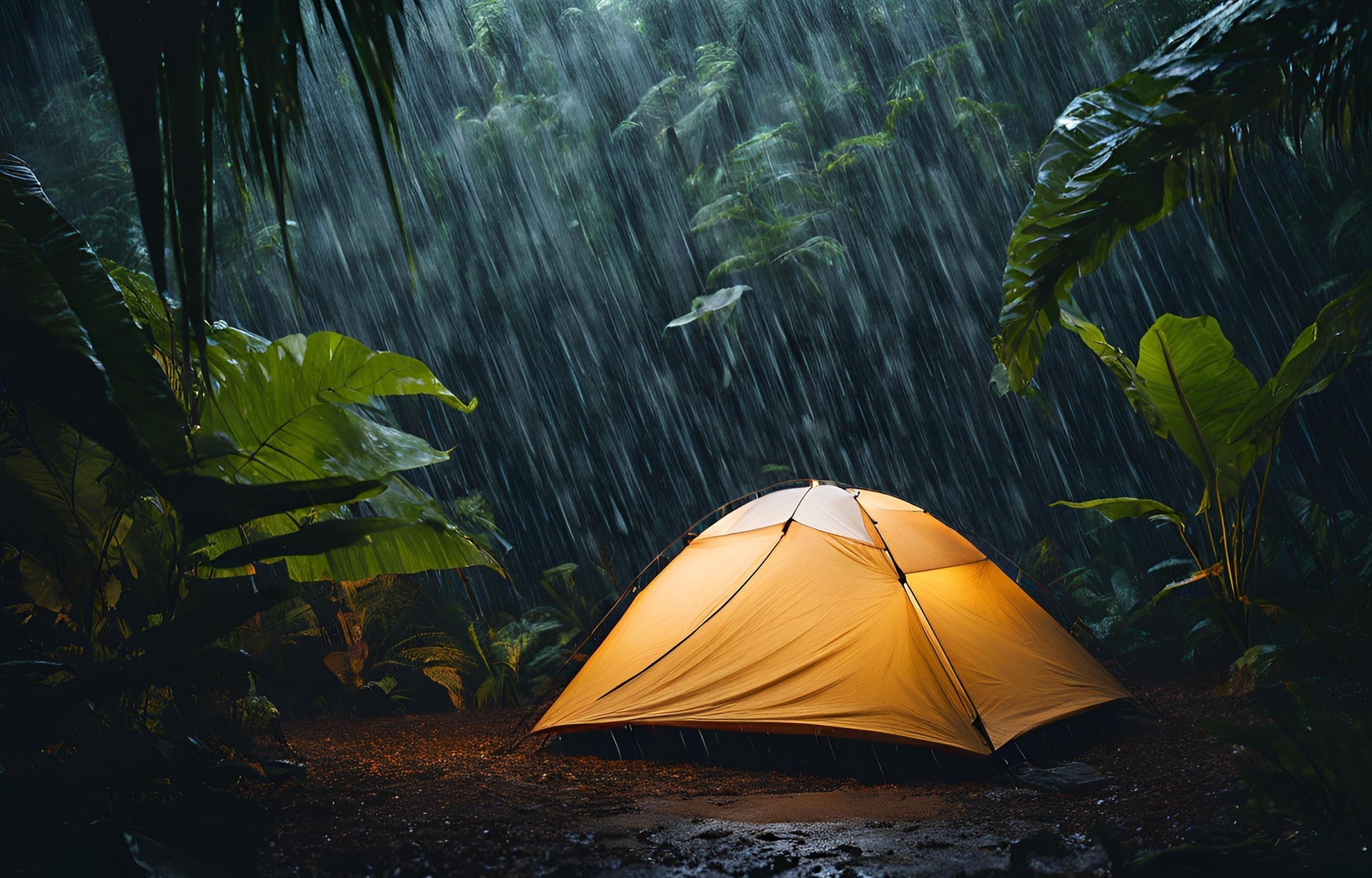
    Rainwater can be a useful source of water during outdoor activities, particularly when other sources aren’t readily available. For Scouts, collecting rainwater is a simple practical skill that also teaches useful lessons about cleanliness, equipment and safe water handling. Remember that collected rainwater should not automatically be considered safe to drink. It may become contaminated…

  • Water Safety at Night

    Water can become significantly more difficult to assess after dark. Rivers, streams, lakes and ponds may be difficult to see, while slippery ground, uneven banks and hidden obstacles become harder to identify. Even a familiar campsite can present additional risks when visibility is poor. For Scouts, the safest approach is to treat darkness as an…

  • Safe Stream Crossings for Scouts

    Crossing a stream can look like a simple outdoor challenge, but even shallow water can present serious hazards. Moving water can affect balance, slippery rocks can cause falls, and water levels can change quickly after rainfall. For Scouts, the safest crossing is often the one that has been properly planned rather than improvised. Do You…