
LATEST OUTDOOR GUIDES
Keep up to date with the latest guides, activities and resources from Survival Guides UK. Explore new articles covering outdoor skills, survival, Scout activities, camping, navigation, knots, fire safety and practical skills.
Our latest posts are designed to help Scouts, youth groups, leaders and anyone interested in outdoor learning develop practical knowledge and confidence. From new activity ideas and survival skills to useful how-to guides, check back regularly for the latest resources.
-
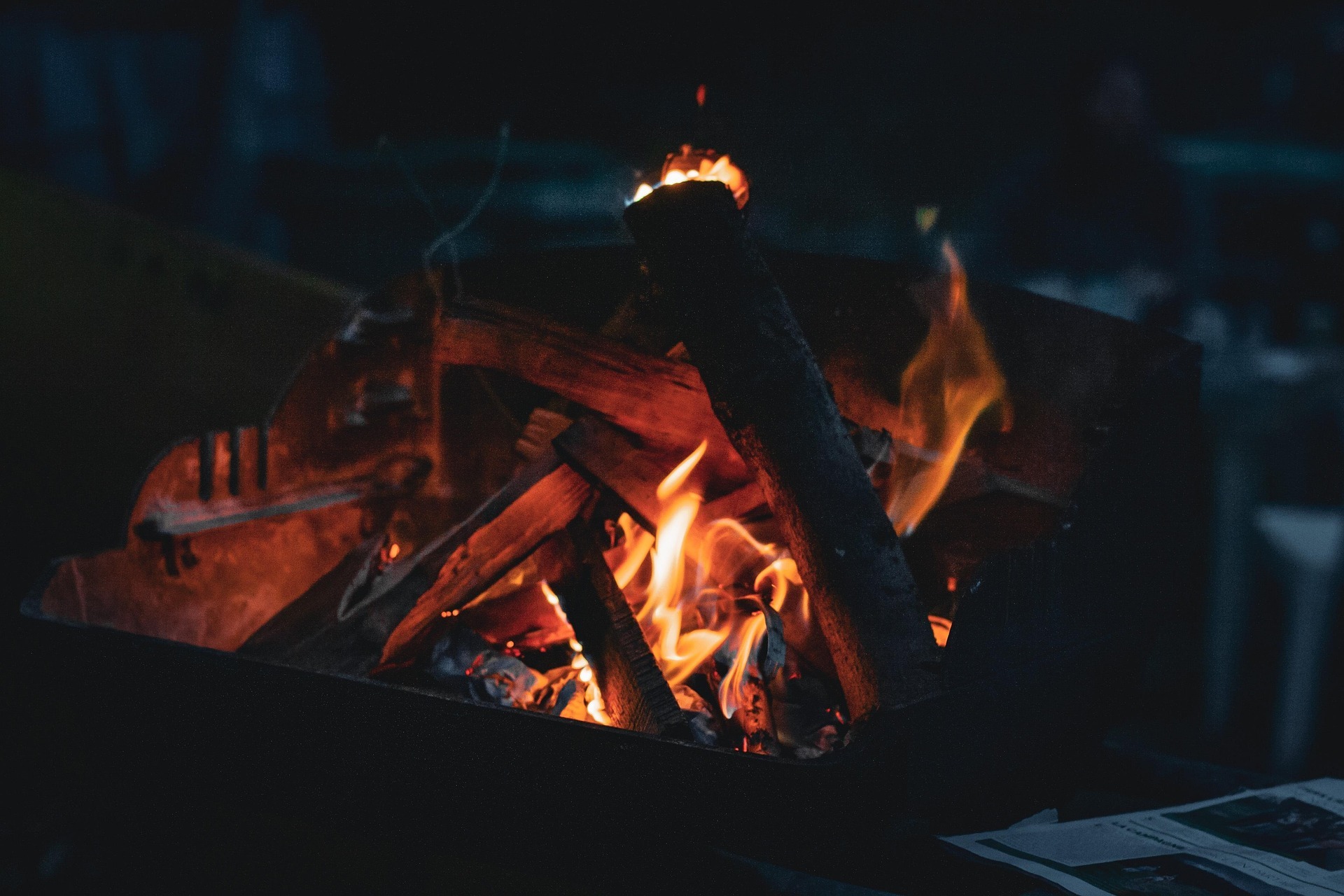
Adding Wood to a Campfire Safely
Adding wood to a campfire seems simple, but it is an important part of maintaining a fire safely. Adding too much fuel at once can make a fire suddenly grow, while placing wood badly can cause burning logs to roll or sparks to escape. Good fire management means adding suitable fuel gradually and paying attention…
-
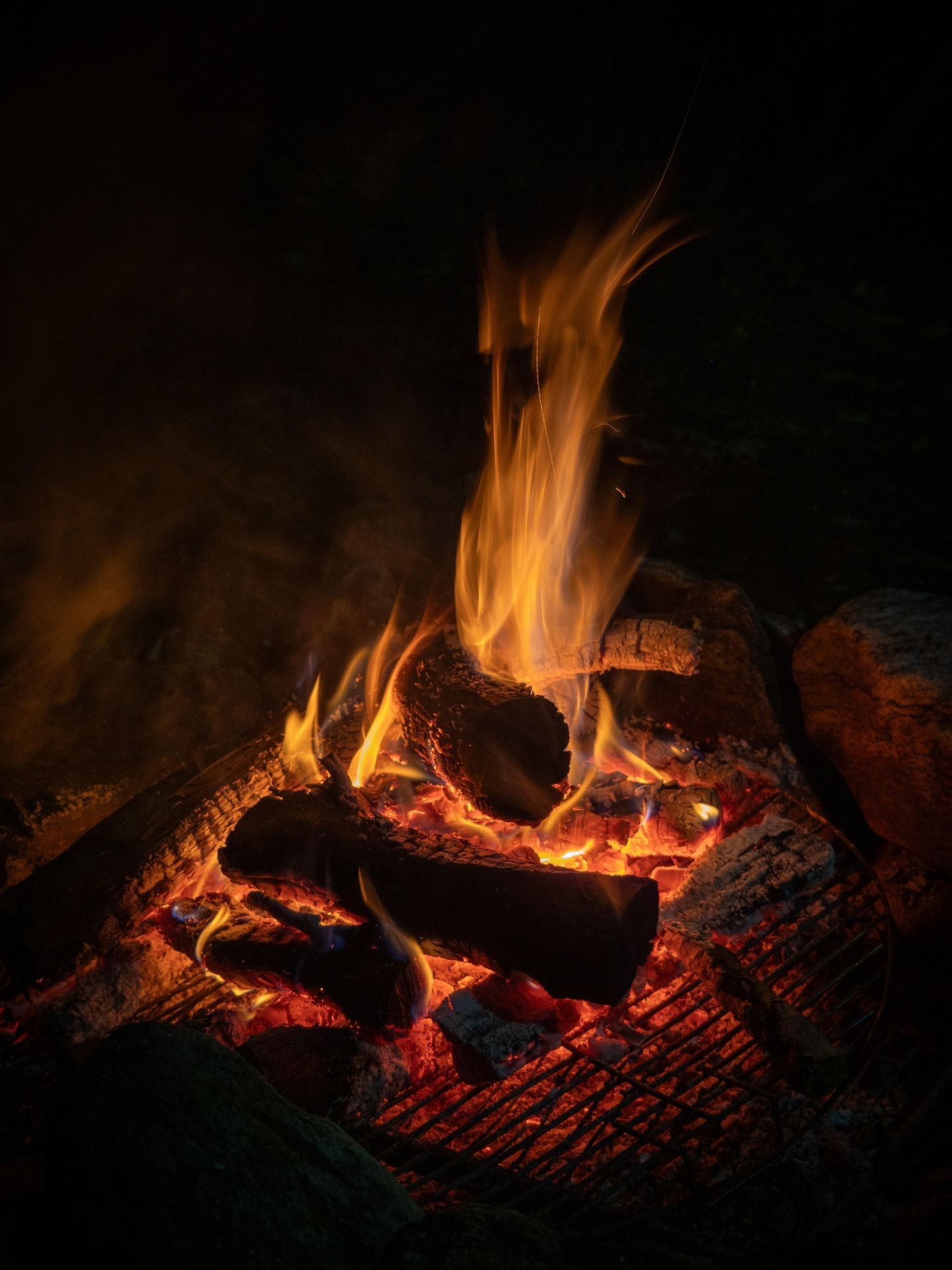
How to Control the Size of a Campfire
A good campfire isn’t necessarily a large campfire. One of the most important parts of fire maintenance is keeping the fire at a suitable size for what you are trying to do. A fire that is too small may not provide enough heat, while a fire that is unnecessarily large can become difficult to manage…
-
Fire Safety Checks Before Leaving a Campsite
Leaving a campsite after a fire activity involves more than packing away the equipment. A fire that looks finished may still contain hot embers, glowing material or smouldering fuel. If it hasn’t been properly extinguished, it can remain a hazard after everyone has left. Taking a few minutes to carry out a final fire-safety check…
-
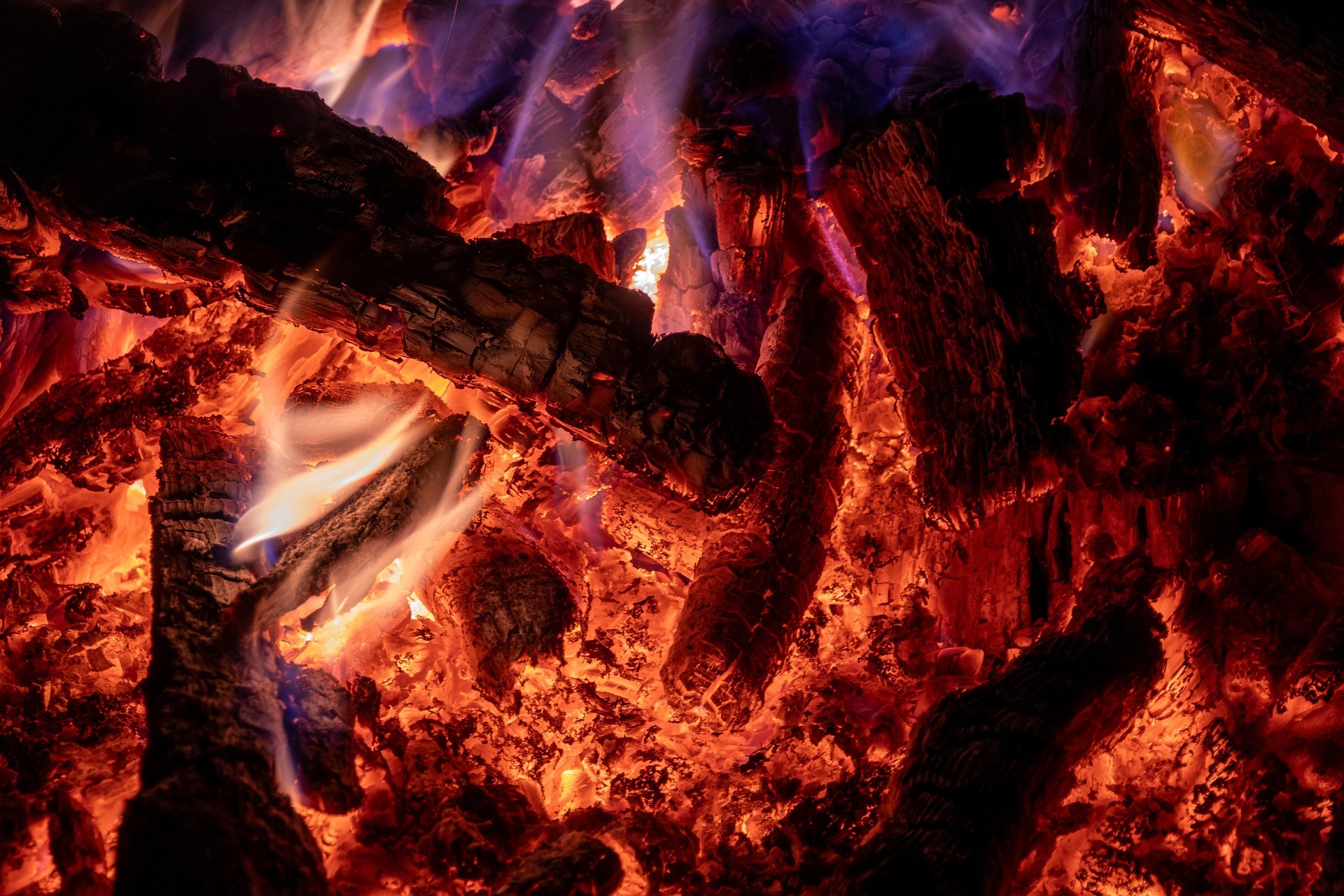
Fire Safety Checks Before Lighting a Campfire
Lighting a campfire should never be the first step of a fire activity. Before a flame is introduced, there are several things that should be checked to make sure the fire is appropriate for the location, weather conditions, equipment and people involved. Taking a few minutes to carry out these checks can prevent many common…
-
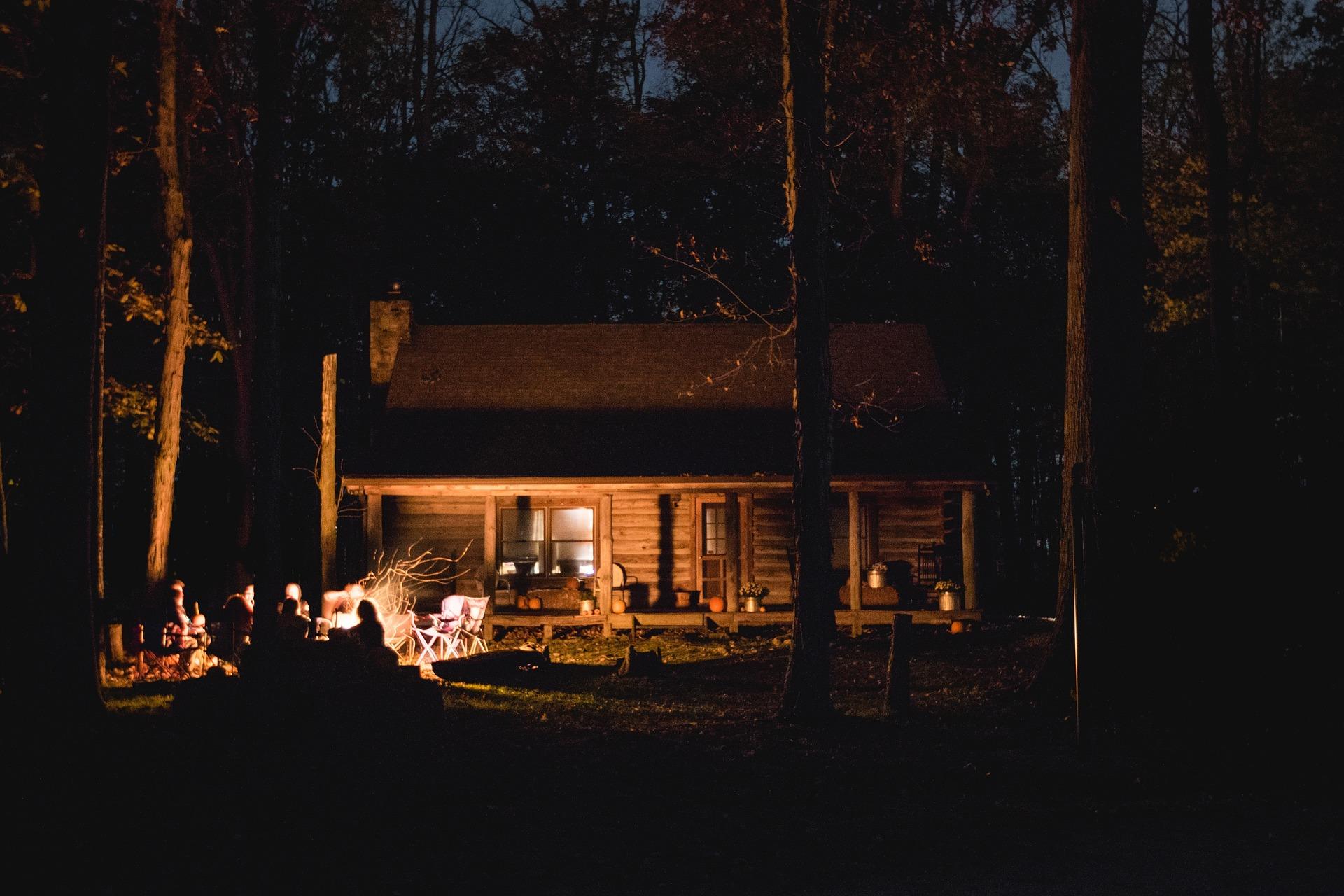
Smoke Safety Around Campfires
Smoke is an often-overlooked part of campfire safety. When people think about the dangers of a campfire, they usually think about flames, hot embers and burns. Smoke can also cause problems, particularly when a fire is producing a lot of it or wind is blowing it towards people. For Scouts and leaders, understanding smoke safety…
-
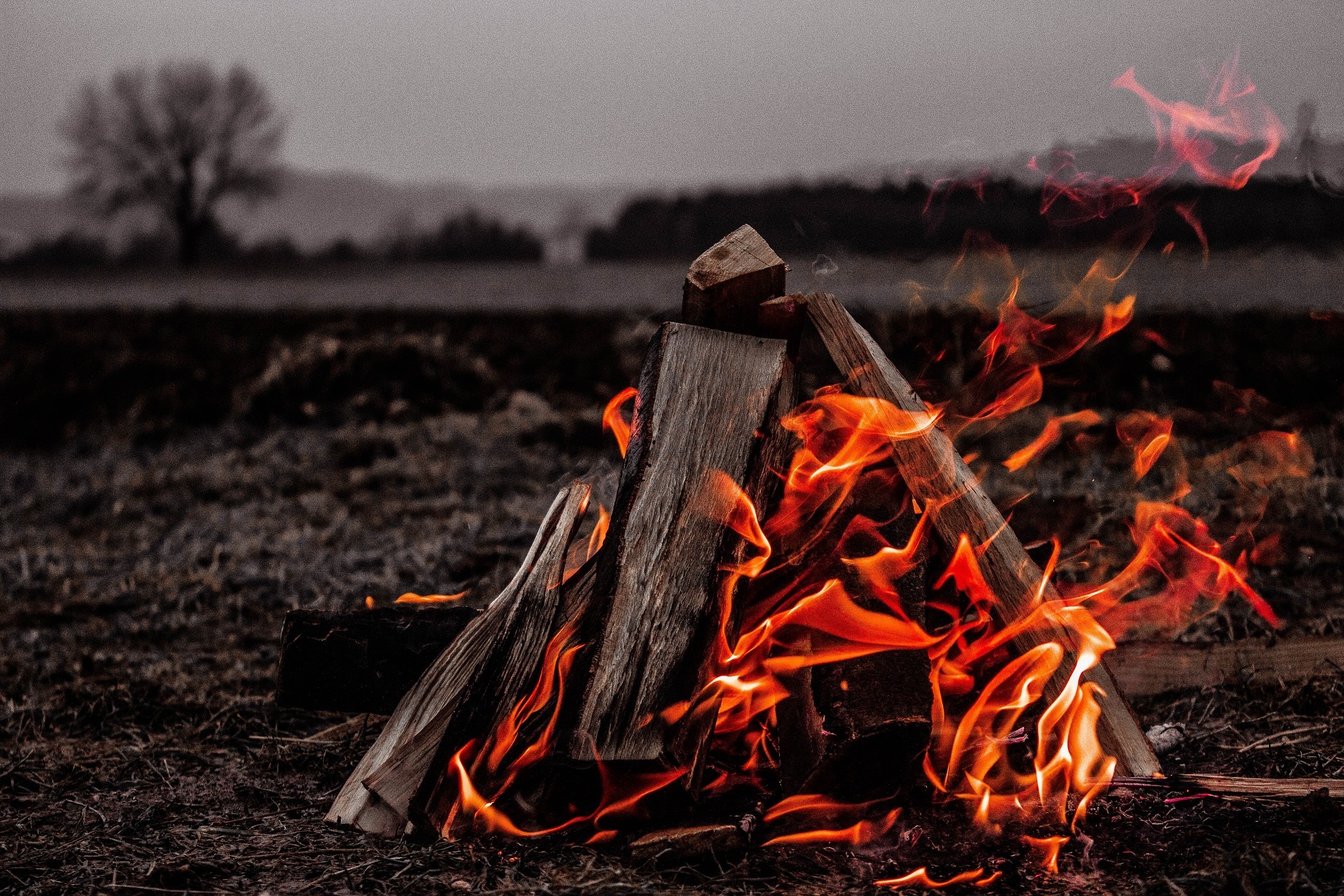
Campfire Safety Around Children
Campfires can be a memorable part of camping and outdoor activities, but children need clear boundaries and appropriate supervision around fire. Younger children may not fully understand how quickly flames can cause burns or how hot embers and equipment can remain after the flames disappear. They may also be curious about the fire and want…
-
What to do If a Campfire Gets Out of Control
A campfire should always be planned and supervised so that it remains manageable. However, outdoor conditions can change quickly, and a fire can sometimes become larger or behave differently from expected. Flames may spread beyond the fire area, burning material may be blown by the wind, or nearby vegetation may catch alight. Knowing what to…
-
Fire Safety in Hot and Dry Weather
Hot, dry weather can significantly increase the risk associated with outdoor fires. Grass, leaves, bracken and other vegetation can dry out quickly, making them easier to ignite. A fire that would normally be manageable can also spread much more rapidly when the surrounding environment is dry. For Scouts and leaders, this means that warm weather…
-
Fire Safety in Windy Weather
Wind can make an outdoor fire much more difficult to manage. A fire that appears calm in still conditions can behave very differently when the wind picks up. Flames can lean to one side, sparks can travel further and burning material can be disturbed or carried away from the main fire. For Scouts and leaders,…
-
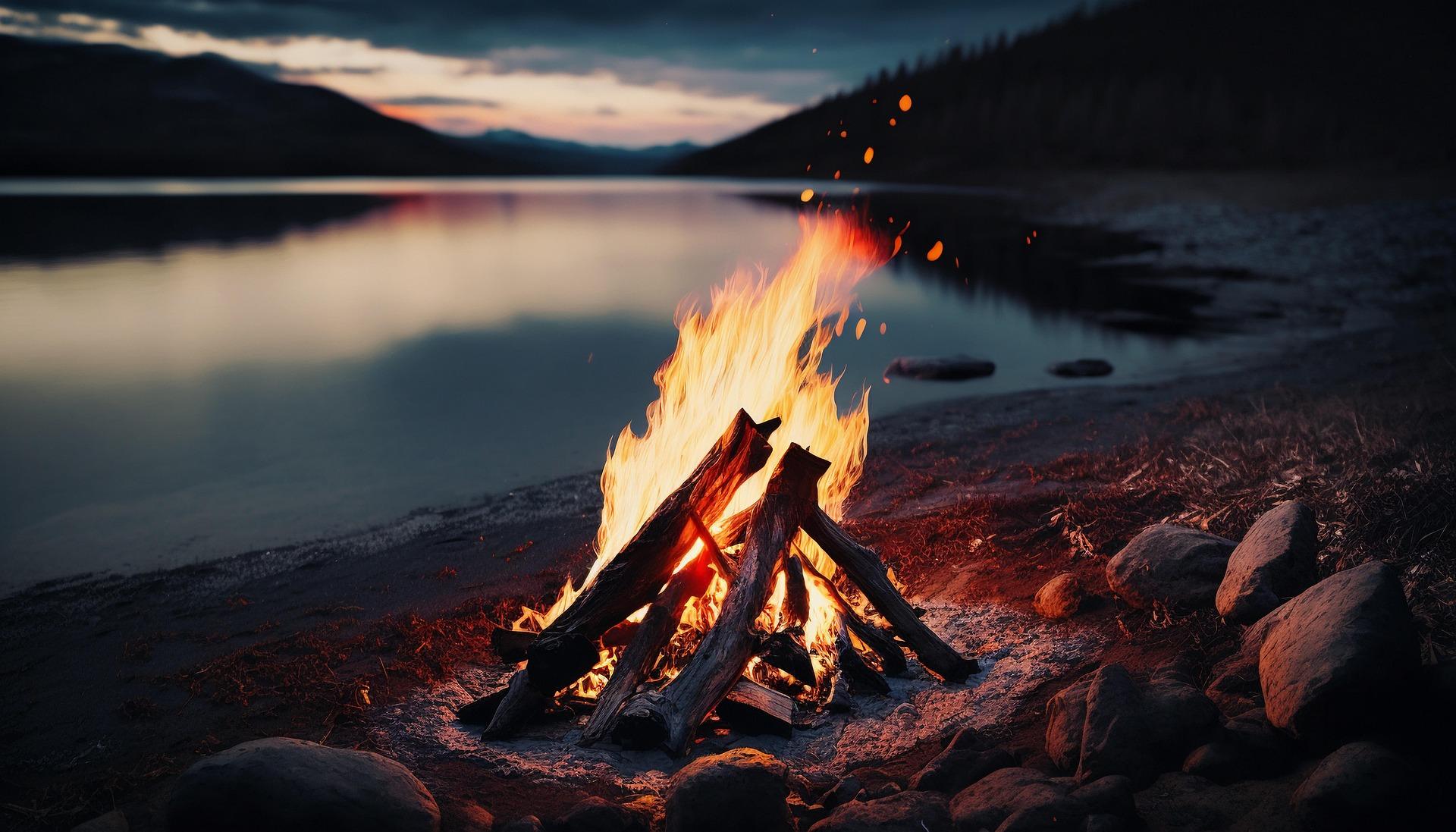
Choosing a Safe Place for a Campfire
Choosing where to have a campfire is one of the most important fire-safety decisions you can make. A well-managed fire in a suitable location is much easier to control than a fire built too close to tents, trees, dry vegetation or other hazards. For Scouts, learning how to assess a potential fire site is an…
Explore Survival Guides UK
Looking for something specific? Explore our activity plans for practical outdoor sessions, take on our survival challenges, or browse our badges to discover new skills and achievements to work towards.
Whether you’re looking for Scout activities, survival skills, camping ideas, navigation resources or practical outdoor learning, explore the rest of Survival Guides UK to find your next challenge.