
LATEST OUTDOOR GUIDES
Keep up to date with the latest guides, activities and resources from Survival Guides UK. Explore new articles covering outdoor skills, survival, Scout activities, camping, navigation, knots, fire safety and practical skills.
Our latest posts are designed to help Scouts, youth groups, leaders and anyone interested in outdoor learning develop practical knowledge and confidence. From new activity ideas and survival skills to useful how-to guides, check back regularly for the latest resources.
-
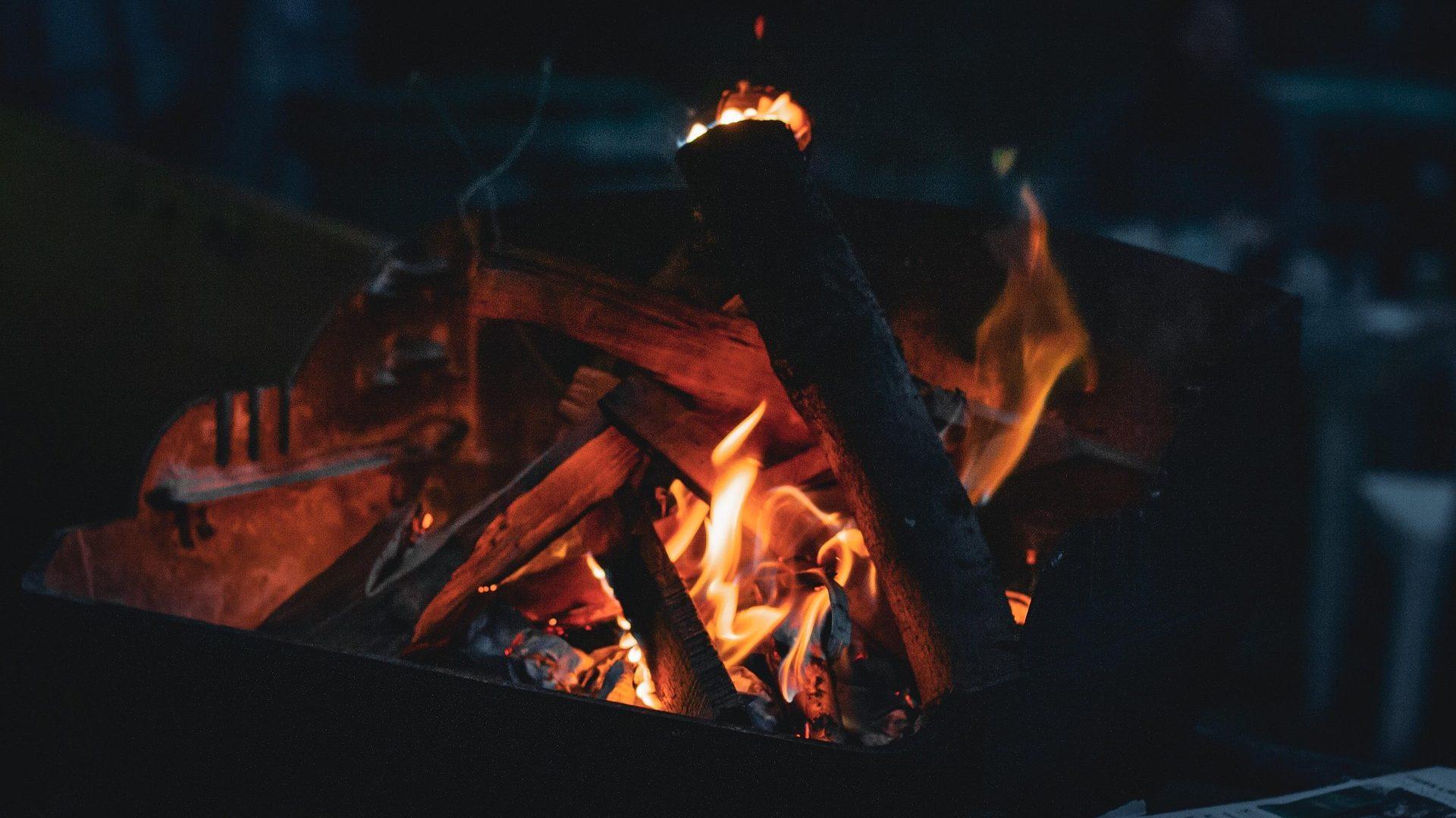
Teepee Fire Lay: A Simple Fire Lay for Scouts
The teepee fire lay is one of the simplest and most recognisable ways to arrange tinder, kindling and fuel when preparing a fire. It gets its name from its shape. Smaller pieces of wood are arranged around the tinder to create a roughly cone-shaped structure, similar to a traditional teepee. For Scouts learning about fire…
-
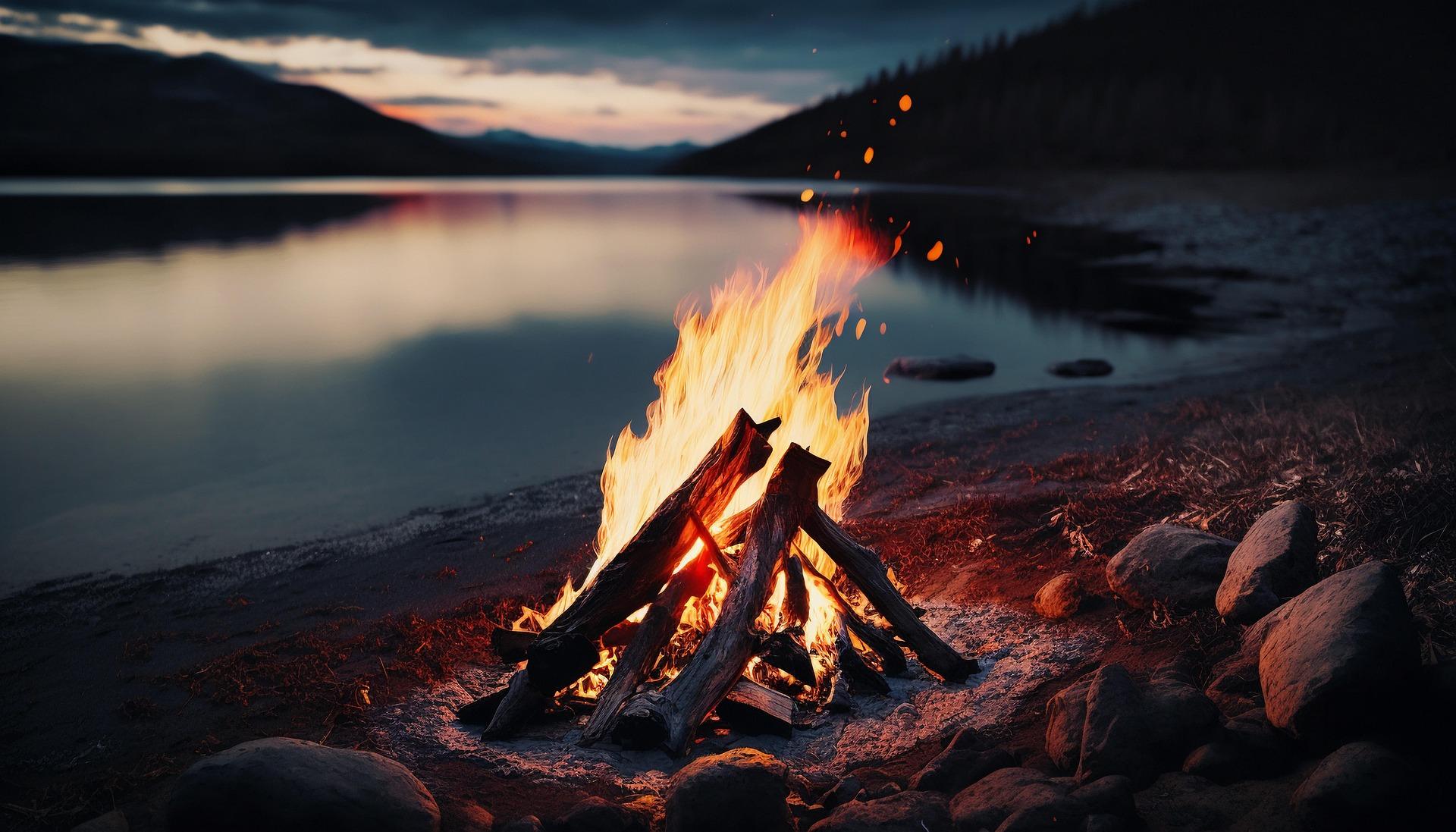
Types of Fire Lay: A Scout Guide to Different Fire Designs
There are several different ways to arrange wood when building a fire, and each arrangement is known as a fire lay. The design you choose can affect how easily a fire lights, how quickly it develops, how much heat it produces and how long it continues to burn. For Scouts, learning different fire lays is…
-

Lashings: Essential Pioneering Skills for Scouts
Lashings are one of the most useful skills in Scout pioneering. They allow Scouts to join poles together using rope, creating the framework for useful structures, games and challenges. Learning lashings combines knot skills with practical problem-solving. Scouts need to think about where poles should go, how they should be positioned and how the ropes…
-
Loops: Essential Knots for Scouts and Pioneering
Loops are an important part of Scout knot work and pioneering. Unlike bends, which join two ropes, or hitches, which attach a rope to an object, loops create a loop in a rope. Loops can be useful for attaching equipment, creating fixed points, organising ropes and completing practical pioneering tasks. They are also a good…
-
Bends: Essential Knots for Joining Ropes
Bends are an important part of Scout knot work and pioneering. While hitches are used to attach a rope to an object, bends are used to join two ropes together. Learning a few reliable bends gives Scouts useful rope-handling skills and helps them understand how different knots behave with different ropes. Bends are particularly useful…
-
Hitches: Essential Knots for Scouts and Pioneering
Hitches are an important part of Scout knot work and pioneering. Unlike many knots that are tied in rope to join or create a fixed point, a hitch is normally used to attach a rope to something such as a post, pole, ring or another rope. Learning a few useful hitches gives Scouts a much…
-
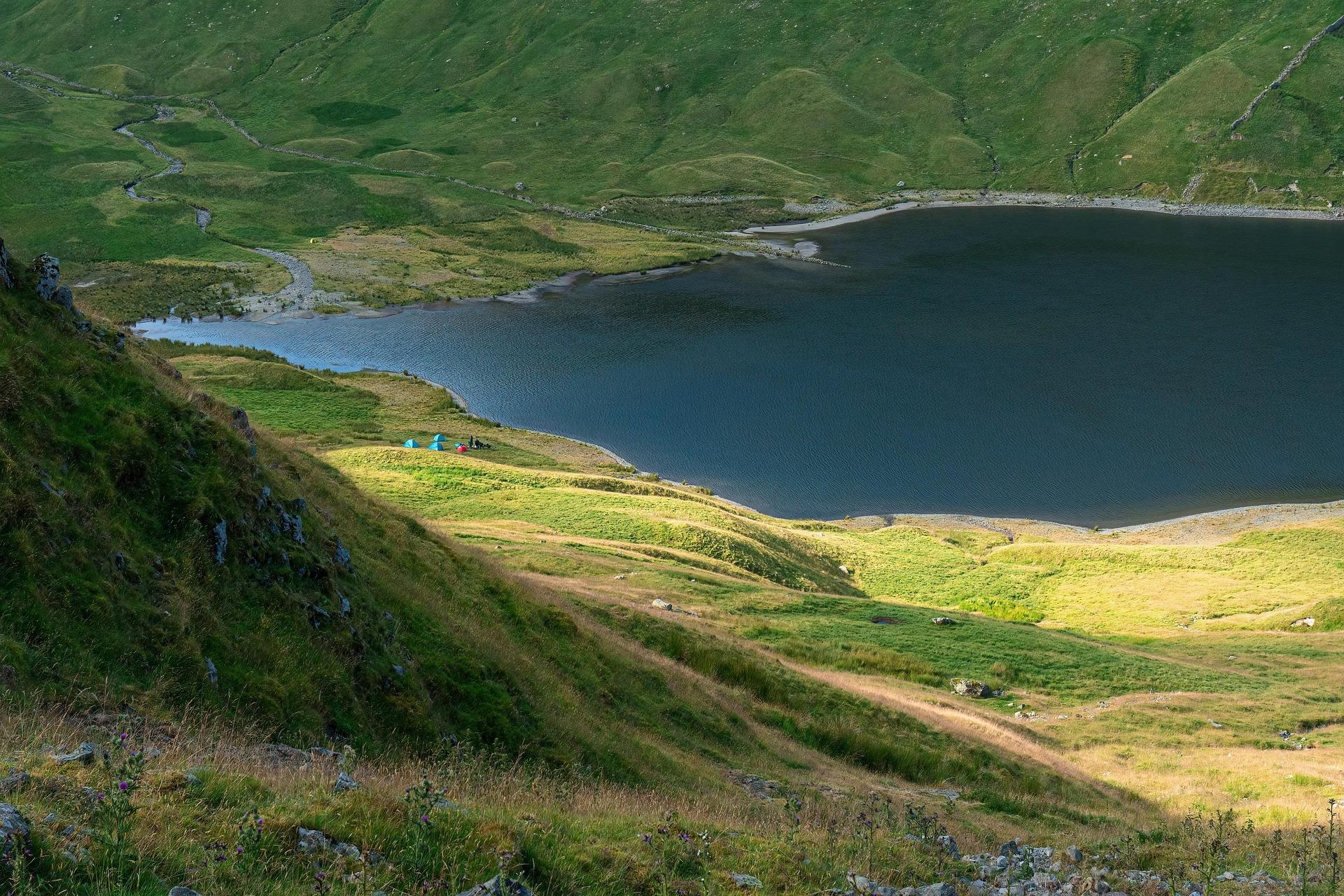
Environmental Responsibility: Making Outdoor Adventures More Sustainable
Spending time outdoors gives Scouts the chance to explore nature, learn practical skills and enjoy new experiences. But every outdoor activity has an impact on the environment, whether it is a short walk, a weekend camp or a large Scout event. Environmental responsibility means thinking about that impact and making sensible choices to reduce unnecessary…
-

Conservation: Simple Ways Scouts Can Help UK Wildlife
Conservation is about looking after the natural world and helping plants, animals and habitats thrive. For Scouts, it can be a practical part of learning about nature, whether you’re exploring woodland, working on a campsite, taking part in a conservation project or simply noticing the wildlife around you. You don’t need specialist equipment or expert…
-
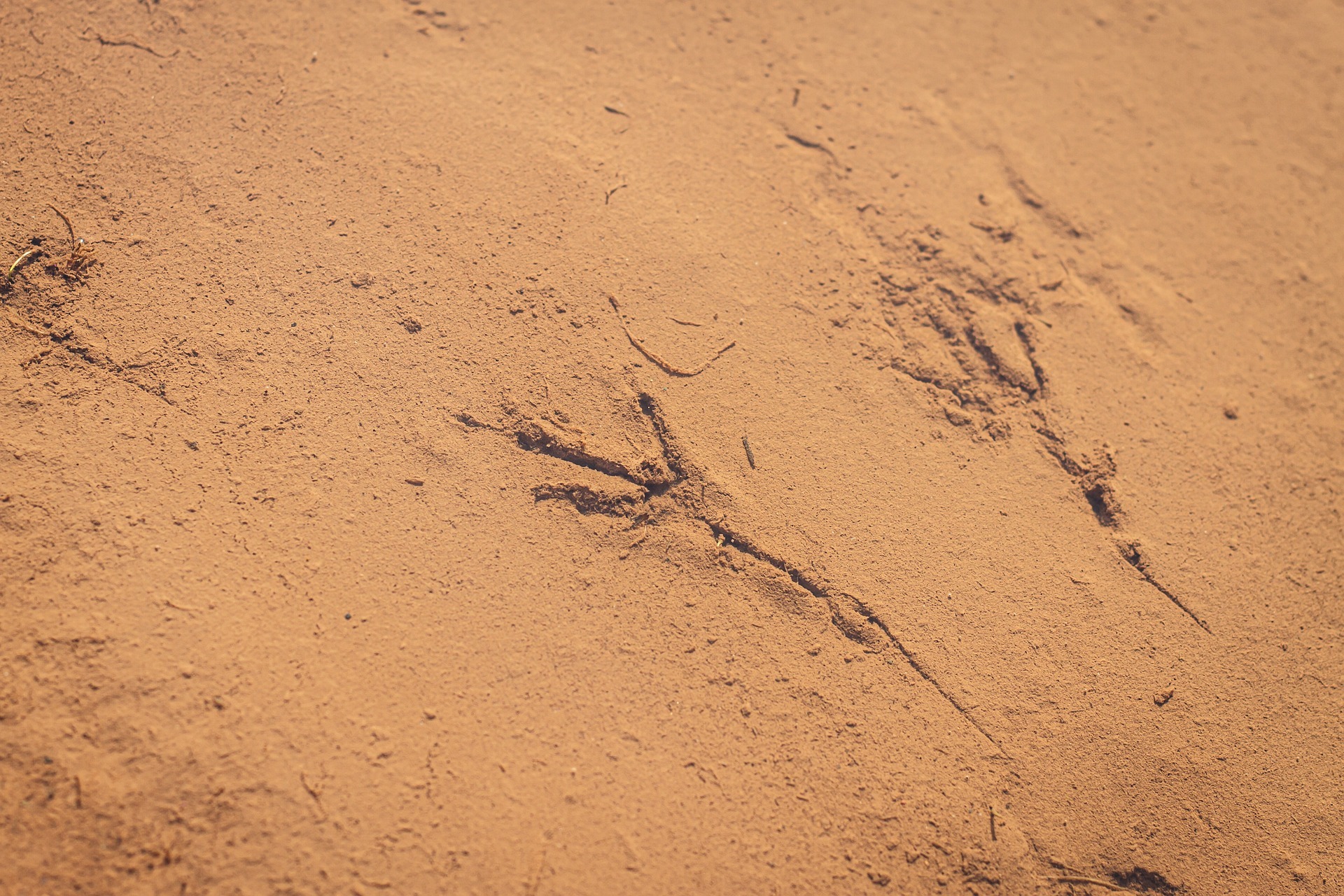
Animal Tracks for Scouts: How to Identify Wildlife Footprints
You don’t always need to see an animal to know that it has been there. A footprint in mud, a trail through grass or marks in snow can reveal clues about wildlife nearby. Learning to recognise animal tracks is a great Scout skill because it encourages observation, patience and careful exploration. Animal tracking doesn’t mean…
-

Plants for Scouts: A Practical Guide to Exploring UK Plant Life
Plants are one of the easiest ways for Scouts to start exploring the natural world. They are found almost everywhere — in woodland, fields, hedgerows, parks, gardens, heathland and even cracks in pavements. Learning to notice and identify them can turn an ordinary walk into a much more interesting outdoor adventure. You don’t need to…
Explore Survival Guides UK
Looking for something specific? Explore our activity plans for practical outdoor sessions, take on our survival challenges, or browse our badges to discover new skills and achievements to work towards.
Whether you’re looking for Scout activities, survival skills, camping ideas, navigation resources or practical outdoor learning, explore the rest of Survival Guides UK to find your next challenge.