
LATEST OUTDOOR GUIDES
Keep up to date with the latest guides, activities and resources from Survival Guides UK. Explore new articles covering outdoor skills, survival, Scout activities, camping, navigation, knots, fire safety and practical skills.
Our latest posts are designed to help Scouts, youth groups, leaders and anyone interested in outdoor learning develop practical knowledge and confidence. From new activity ideas and survival skills to useful how-to guides, check back regularly for the latest resources.
-
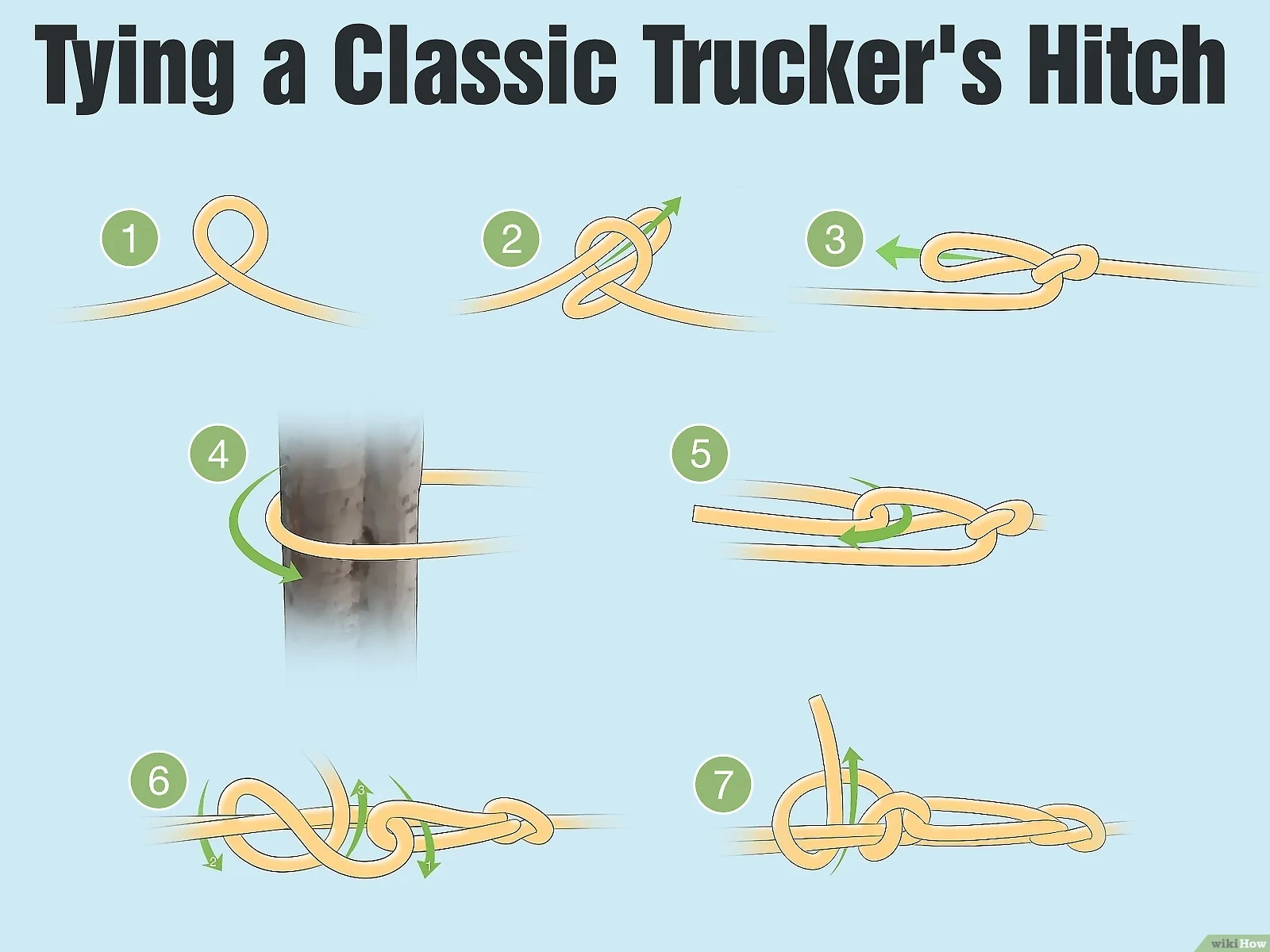
How to Tie a Trucker’s Hitch | Step-by-Step Guide
The trucker’s hitch is a useful rope system for creating adjustable tension. It is commonly used when securing loads, tightening guy lines and tensioning ropes where a firm pull is needed. Unlike a simple hitch, the trucker’s hitch uses a loop in the rope to create mechanical advantage. This allows you to pull the rope…
-
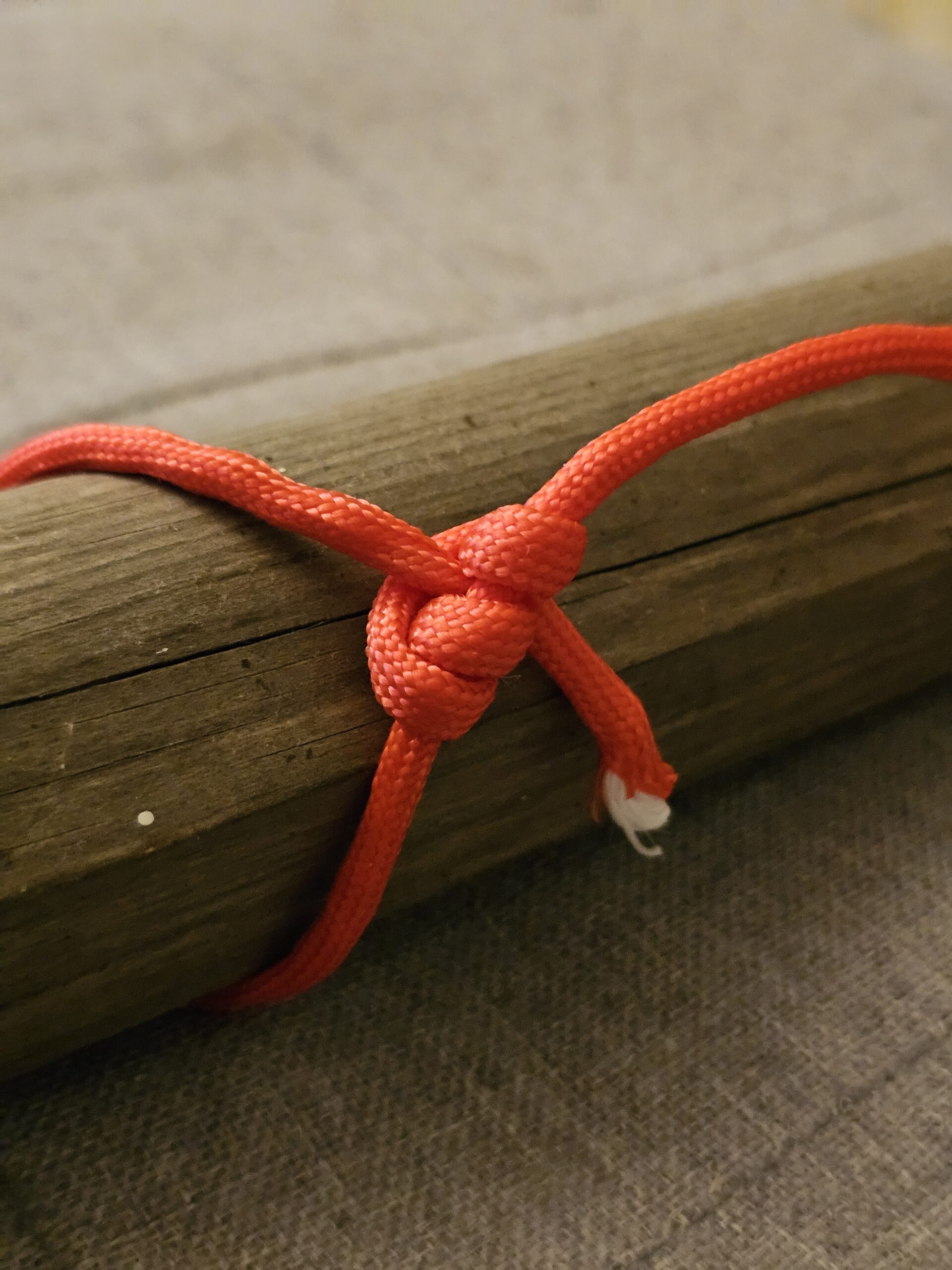
How to Tie a Taut-Line Hitch | Step-by-Step Guide
The taut-line hitch is an adjustable knot that allows you to change the tension in a rope without completely untying it. It is particularly useful for guy lines, such as those used with tents and shelters, because the rope can be moved to increase or decrease tension. The knot grips the standing part of the…
-
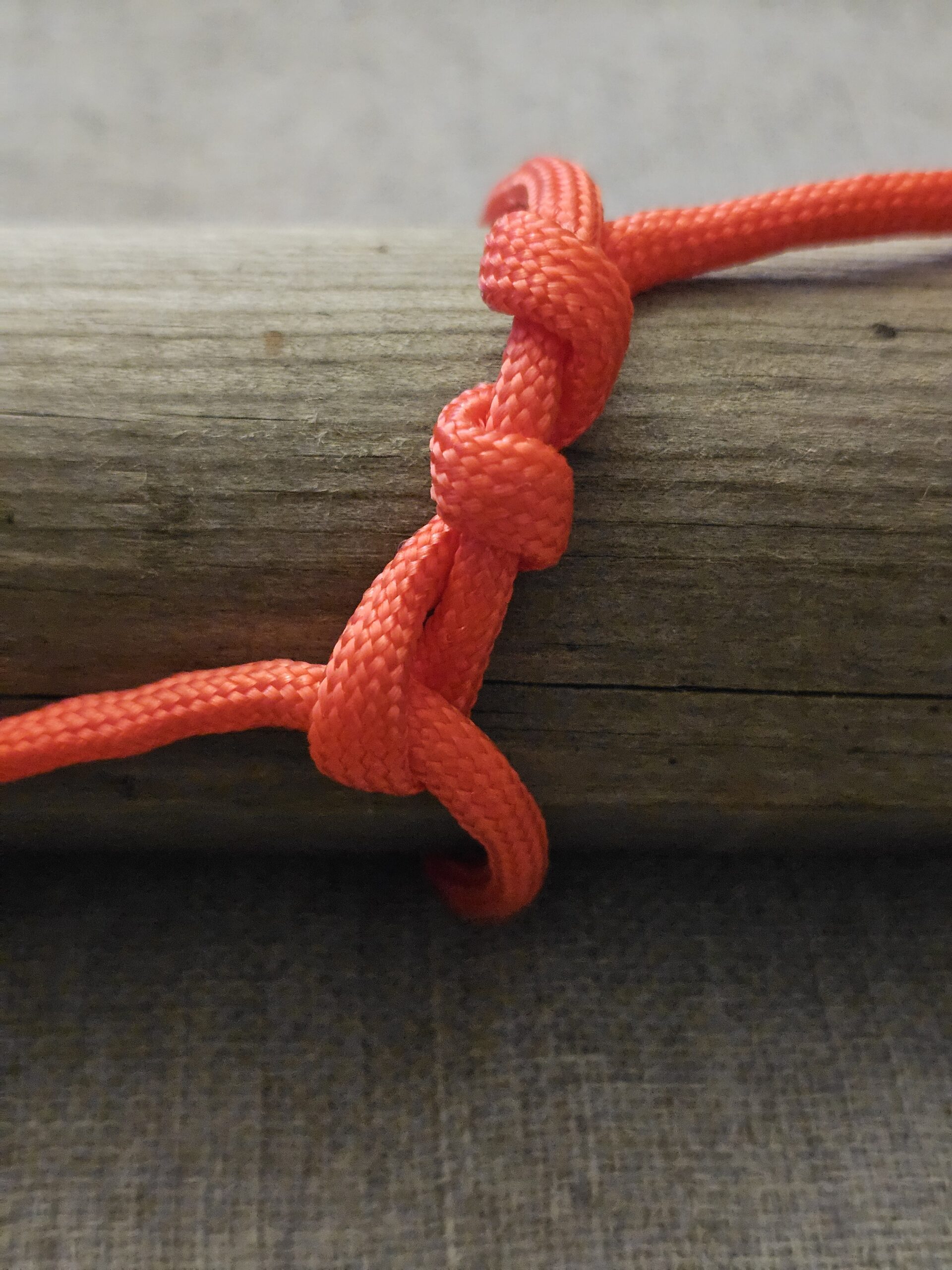
How to Tie a Timber Hitch | Step-by-Step Guide
The timber hitch is a useful knot for attaching a rope to a log, pole or other long object. It grips the object when the rope is under tension and can be released easily when the tension is removed. It is particularly useful for dragging, lifting or positioning suitable objects and is also commonly used…
-
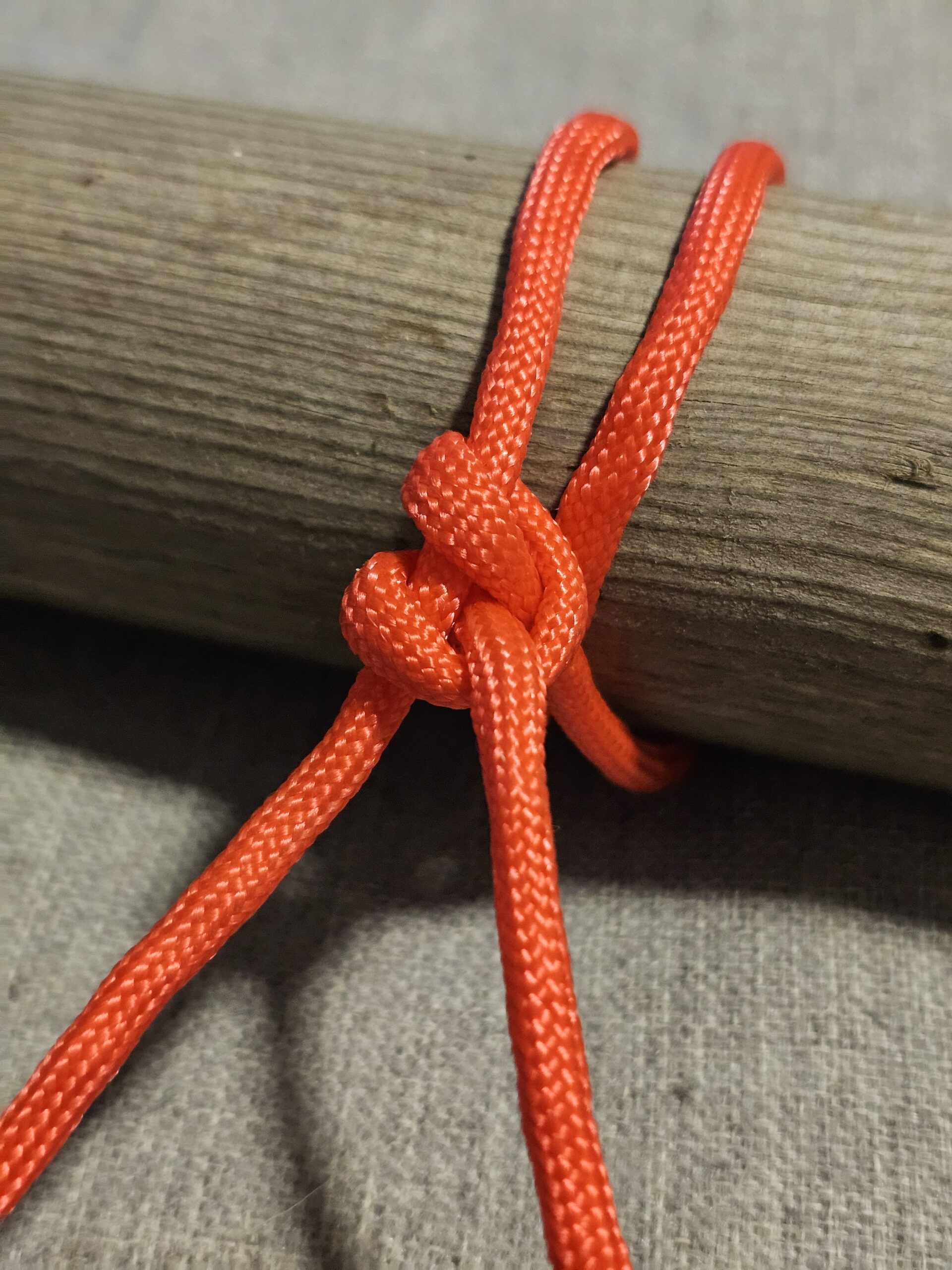
How to Tie a Round Turn and Two Half Hitches
The round turn and two half hitches is a reliable way to attach a rope to a post, tree, ring or other suitable anchor. The round turn takes the main load around the object, while the two half hitches secure the working end of the rope. This makes it useful when you need to attach…
-
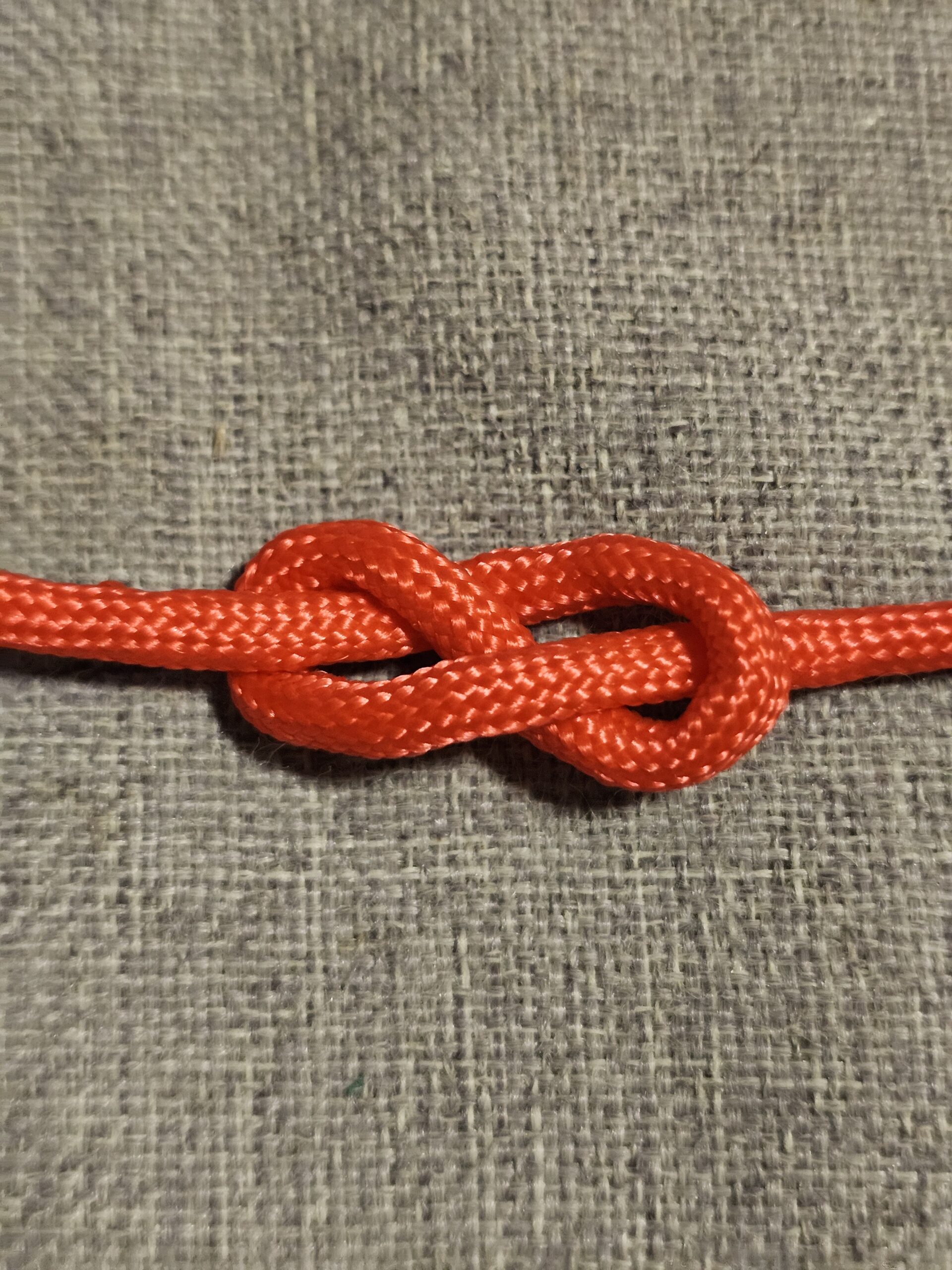
How to Tie a Figure Eight Knot
The figure eight knot is a simple and useful stopper knot. It creates a larger knot at the end of a rope, helping to prevent the rope from accidentally passing through a hole, ring or other opening. It is easy to recognise and provides a useful foundation for learning several other knots, including the figure…
-
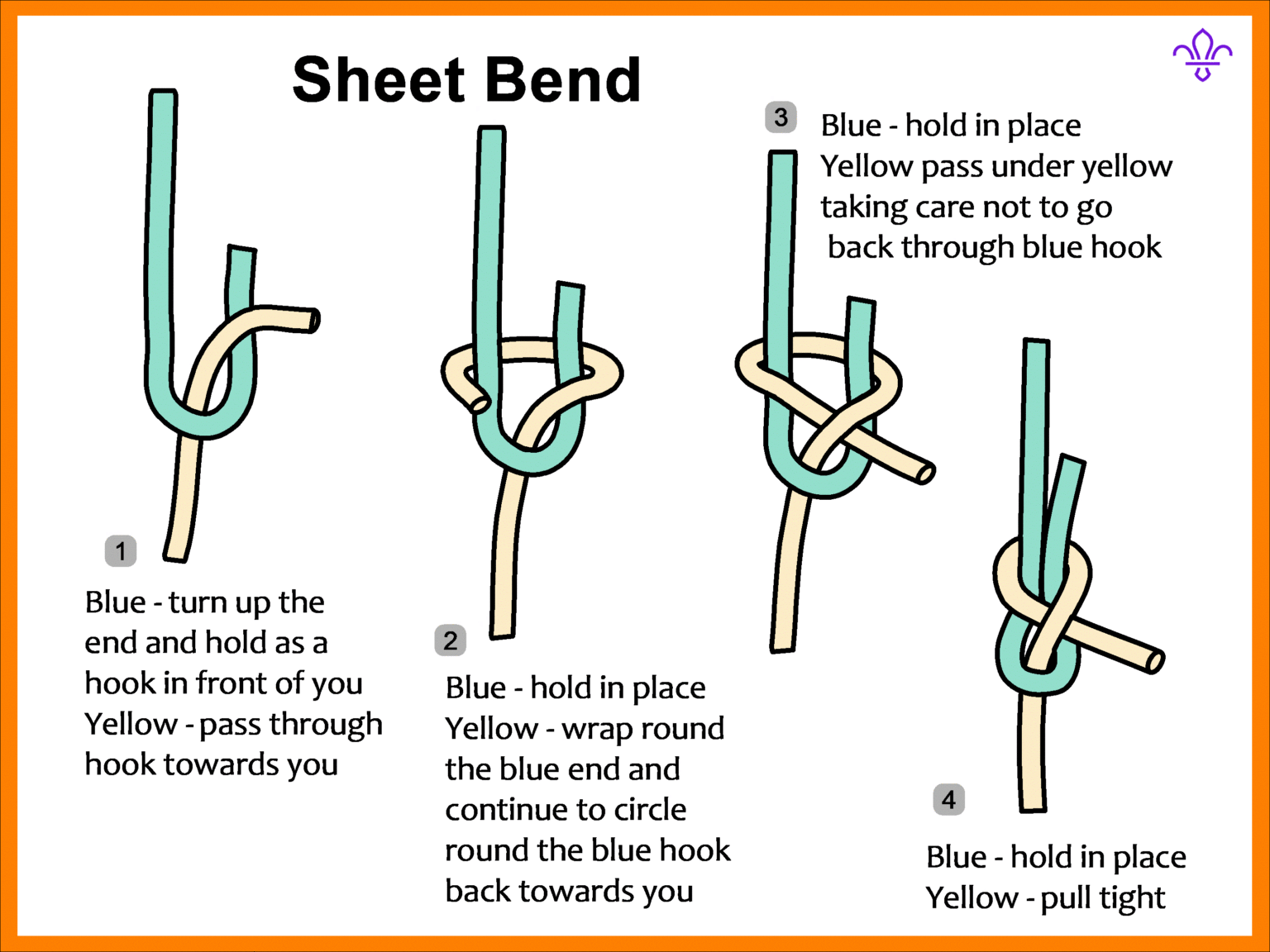
How to Tie a Sheet Bend | Step-by-Step Guide
The sheet bend is a useful knot for joining two ropes together, particularly when the ropes are different sizes. Unlike a reef knot, which is intended for joining similar-sized ropes and can be unreliable when used with significantly different ropes, the sheet bend is designed specifically for joining ropes. It is simple to tie once…
-
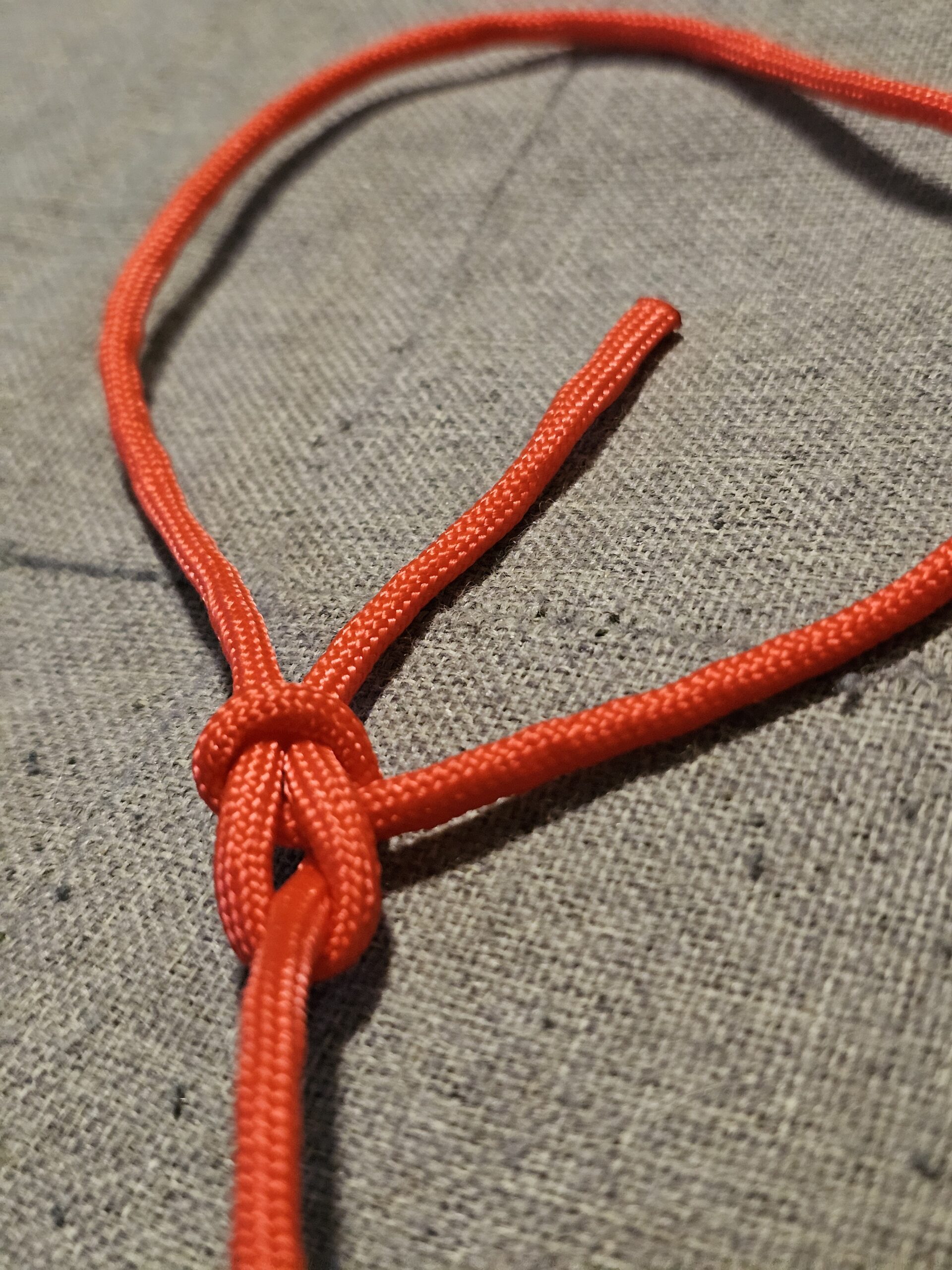
How to Tie a Bowline | Step-by-Step Guide
The bowline is one of the most useful knots for creating a fixed loop at the end of a rope. The loop does not tighten when the rope is loaded, and the knot can usually be untied relatively easily afterwards. It is a valuable knot to learn because it introduces the basic idea of creating…
-

How to Tie a Clove Hitch | Step-by-Step Guide
The clove hitch is a useful knot for attaching a rope to a post, pole, tree or other suitable object. It is quick to tie and easy to adjust, making it particularly useful for temporary attachments. It is important to understand how the rope passes around the object because a clove hitch can look correct…
-
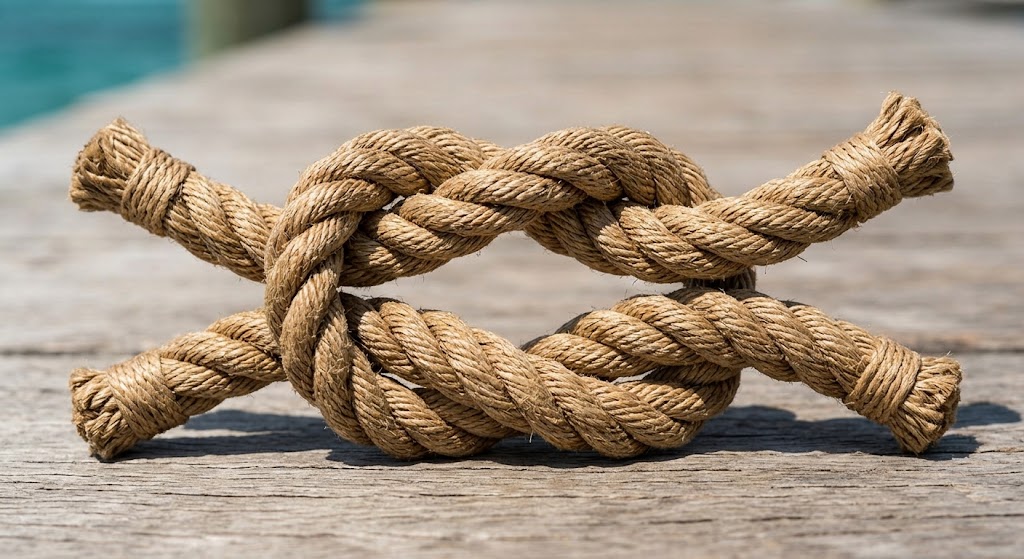
How to Tie a Reef Knot | Simple Step-by-Step Guide
The reef knot is one of the simplest and most useful knots to learn. It is used to join two ends of similar-sized rope or cord when you need a temporary connection that can be untied easily. It is important to learn the correct sequence because a reef knot can look right while actually being…
-
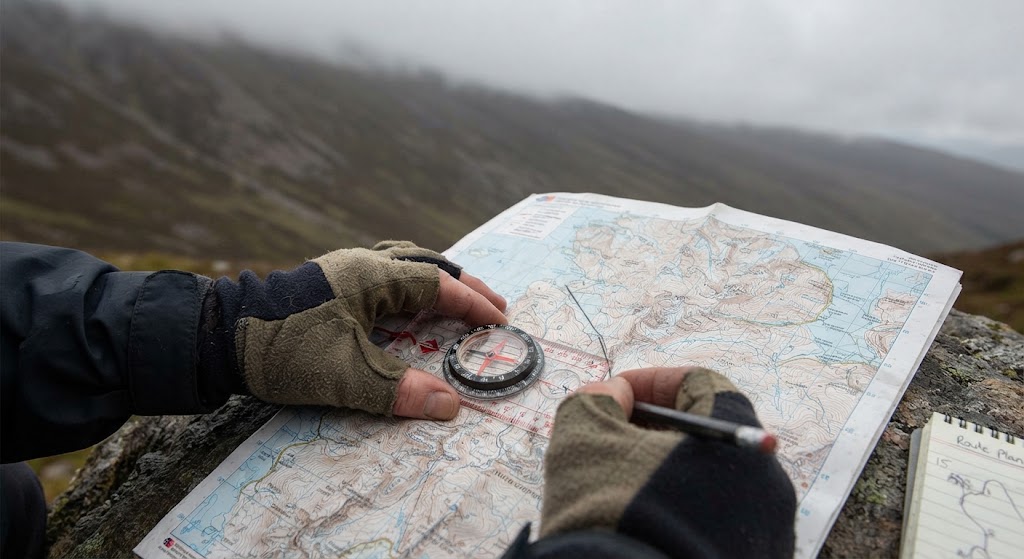
Advanced Navigation in Difficult Terrain
Navigation becomes much more difficult when the landscape stops giving you obvious clues. A clear path, visible hilltop or distinctive landmark can make navigation relatively straightforward. Dense woodland, steep slopes, poor visibility and featureless terrain remove many of those clues. This is where strong navigation skills become particularly important. In difficult terrain, you need to…
Explore Survival Guides UK
Looking for something specific? Explore our activity plans for practical outdoor sessions, take on our survival challenges, or browse our badges to discover new skills and achievements to work towards.
Whether you’re looking for Scout activities, survival skills, camping ideas, navigation resources or practical outdoor learning, explore the rest of Survival Guides UK to find your next challenge.