How to Recognise Signs of Water in the Outdoors
Knowing where water might be found is a useful outdoor skill for Scouts.
You don’t always need to see a stream or pond immediately. The landscape, vegetation, animal activity and shape of the ground can provide clues that water may be nearby.
However, finding water and finding safe drinking water are two different things. A natural water source should never automatically be considered safe to drink.
Start by Reading the Landscape
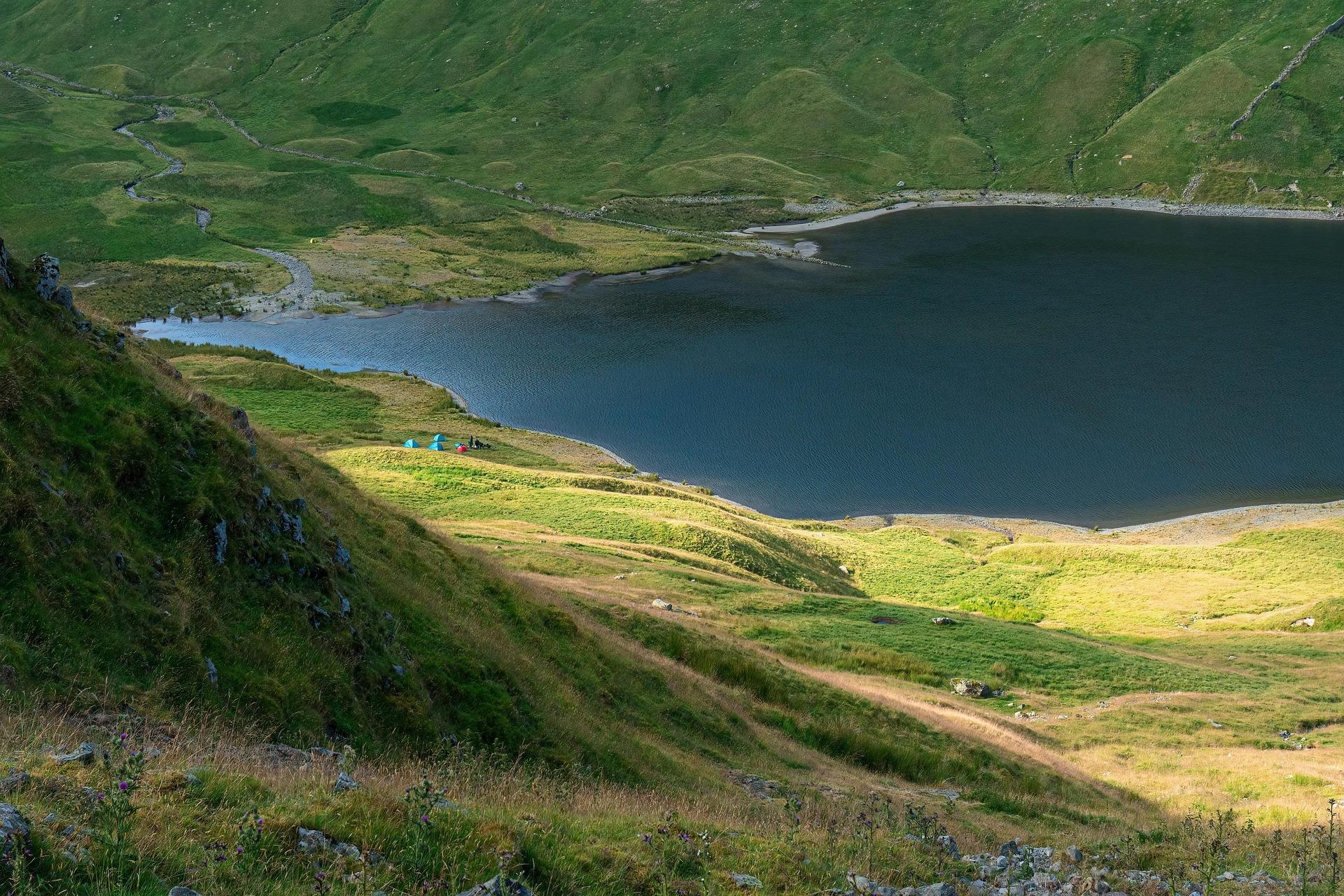
Water follows gravity.
When you’re looking across unfamiliar ground, think about where rainwater would naturally travel.
Lower ground, valleys, gullies and natural drainage channels are places where water may collect or flow.
This doesn’t mean every low point contains water, particularly during dry weather, but the shape of the land can help you decide where to look.
Look for Valleys and Gullies
Small valleys and gullies can provide useful clues.
During wet periods, water may run through them towards larger streams and rivers.
A dry gully can still tell you something about how water moves across the landscape.
Be careful, though. A gully may become difficult or dangerous to enter, particularly after heavy rain.
Look at Vegetation
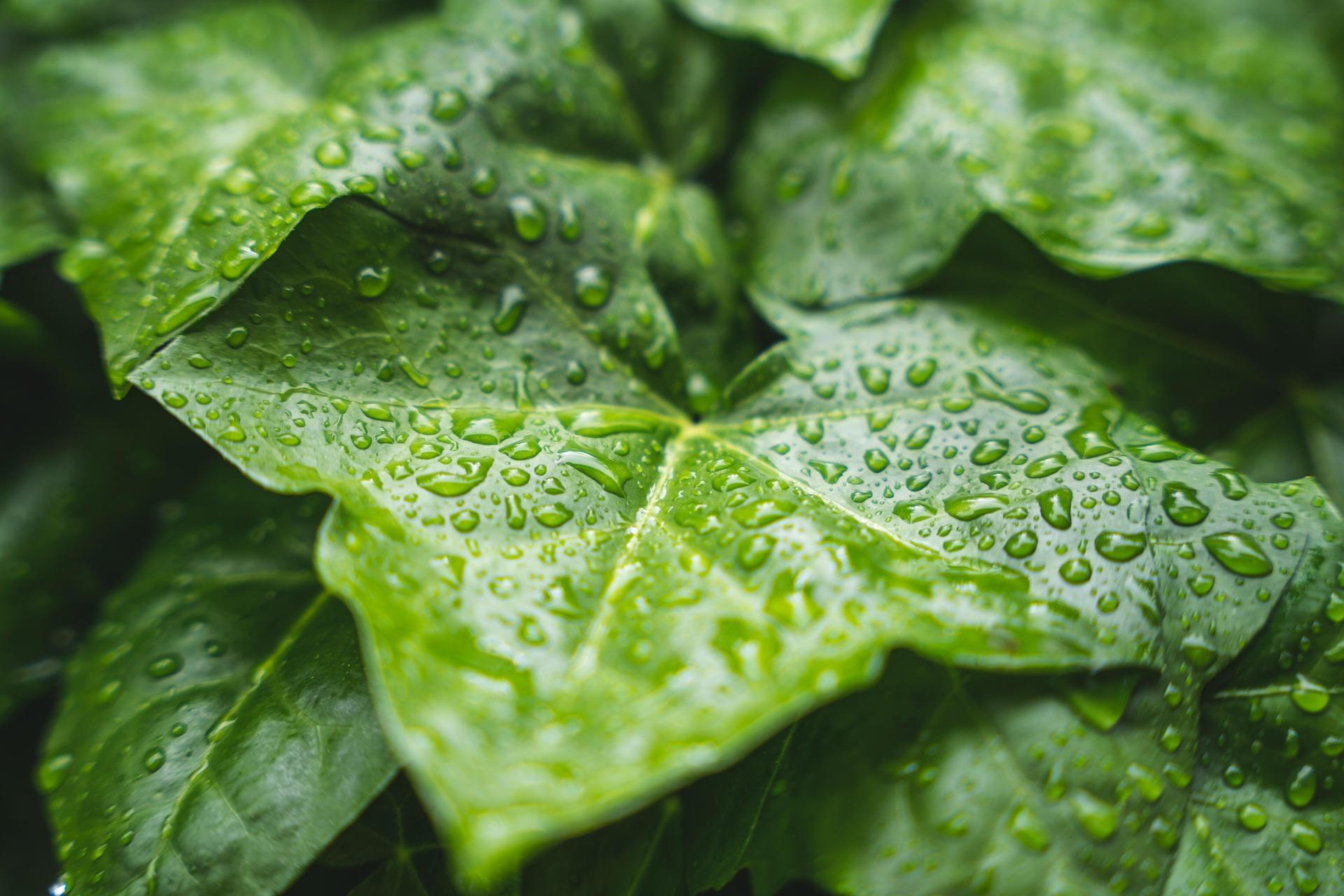
Plants can sometimes provide clues about moisture in the ground.
Lush vegetation in an otherwise dry area may suggest that more moisture is available there.
Trees, grasses and other plants growing in low areas can be worth noticing.
Vegetation alone isn’t proof that water is present, so treat it as one clue among several.
Notice Damp Ground
Darker or softer ground can indicate recent moisture.
Mud, damp soil and areas of lush growth may suggest that water is nearby or that water has recently passed through the area.
Don’t assume that damp ground means there is a usable water source.
It may simply be the result of recent rain.
Look for Flowing Water
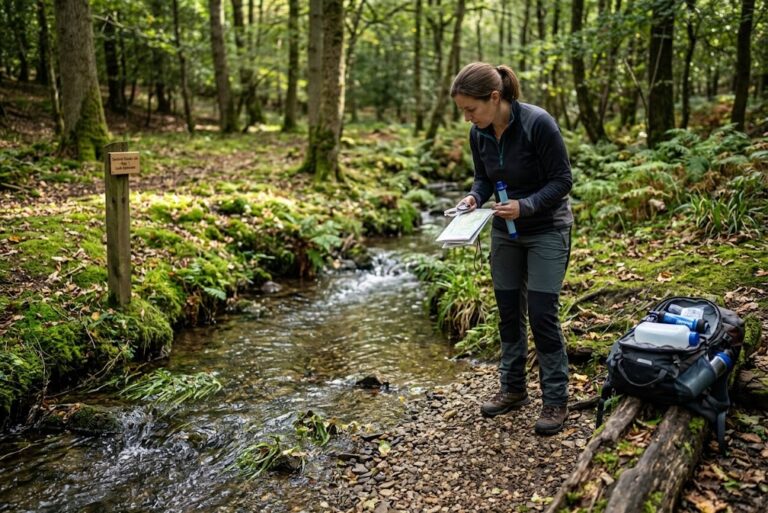
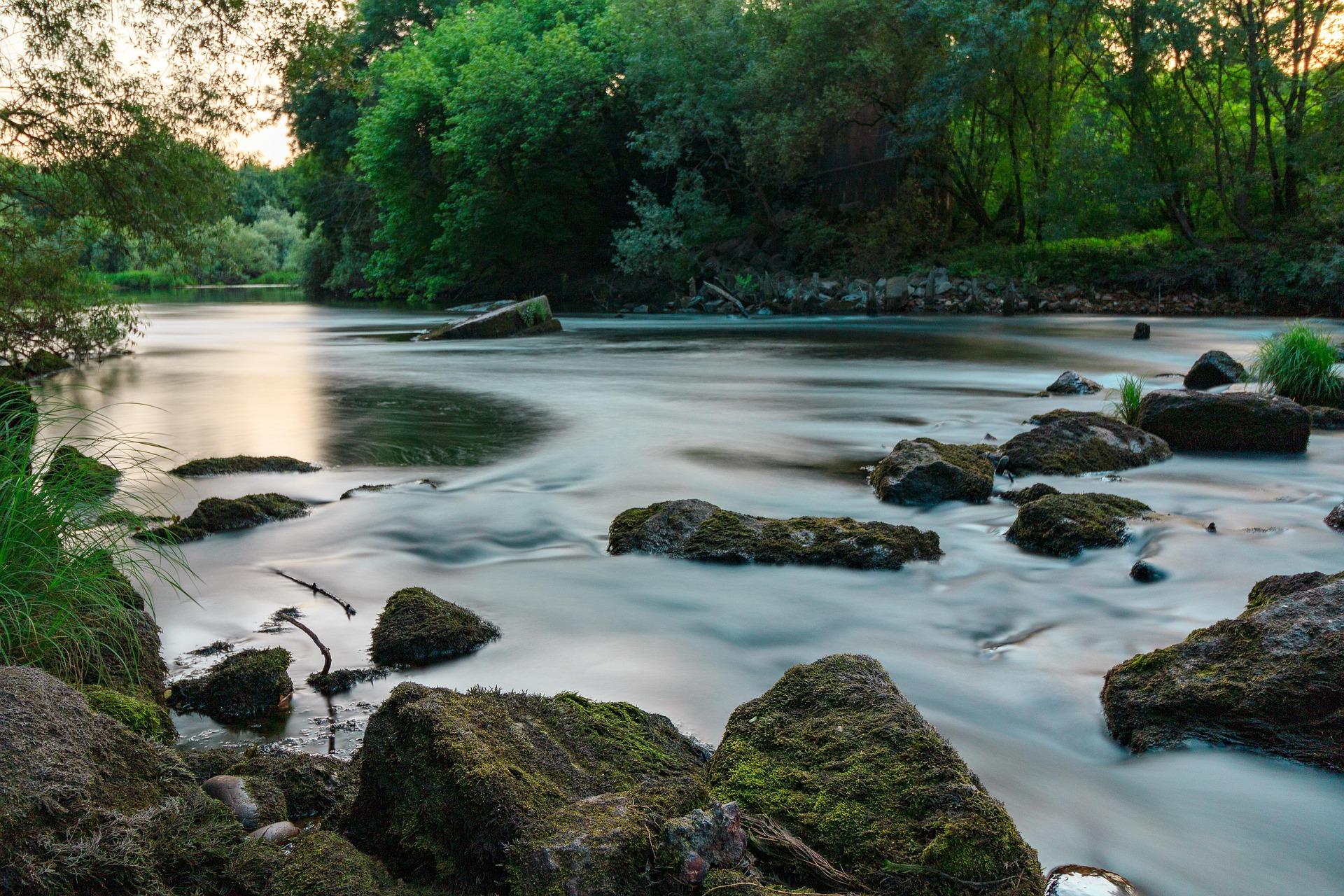
Streams and rivers are obvious potential water sources.
If you’re following the landscape rather than simply walking randomly, look for natural drainage routes that lead towards larger waterways.
Remember that fast-flowing water can be hazardous to approach.
Finding water isn’t a reason to walk close to an unstable bank or enter the water.
Watch for Springs
Springs can occur where groundwater reaches the surface.
They may appear as damp patches, small flows or areas of unusually wet ground.
If you’re in an area known for springs, local knowledge and maps may help identify them.
Even a clear-looking spring should not automatically be treated as safe drinking water.
Use Maps
A map can be one of your most useful tools when looking for water.
Streams, rivers, lakes and ponds are often marked on detailed maps.
Before an activity, Scouts can study the route and identify known water sources.
This is much safer and more reliable than depending entirely on finding water through observation.
Notice Animal Activity
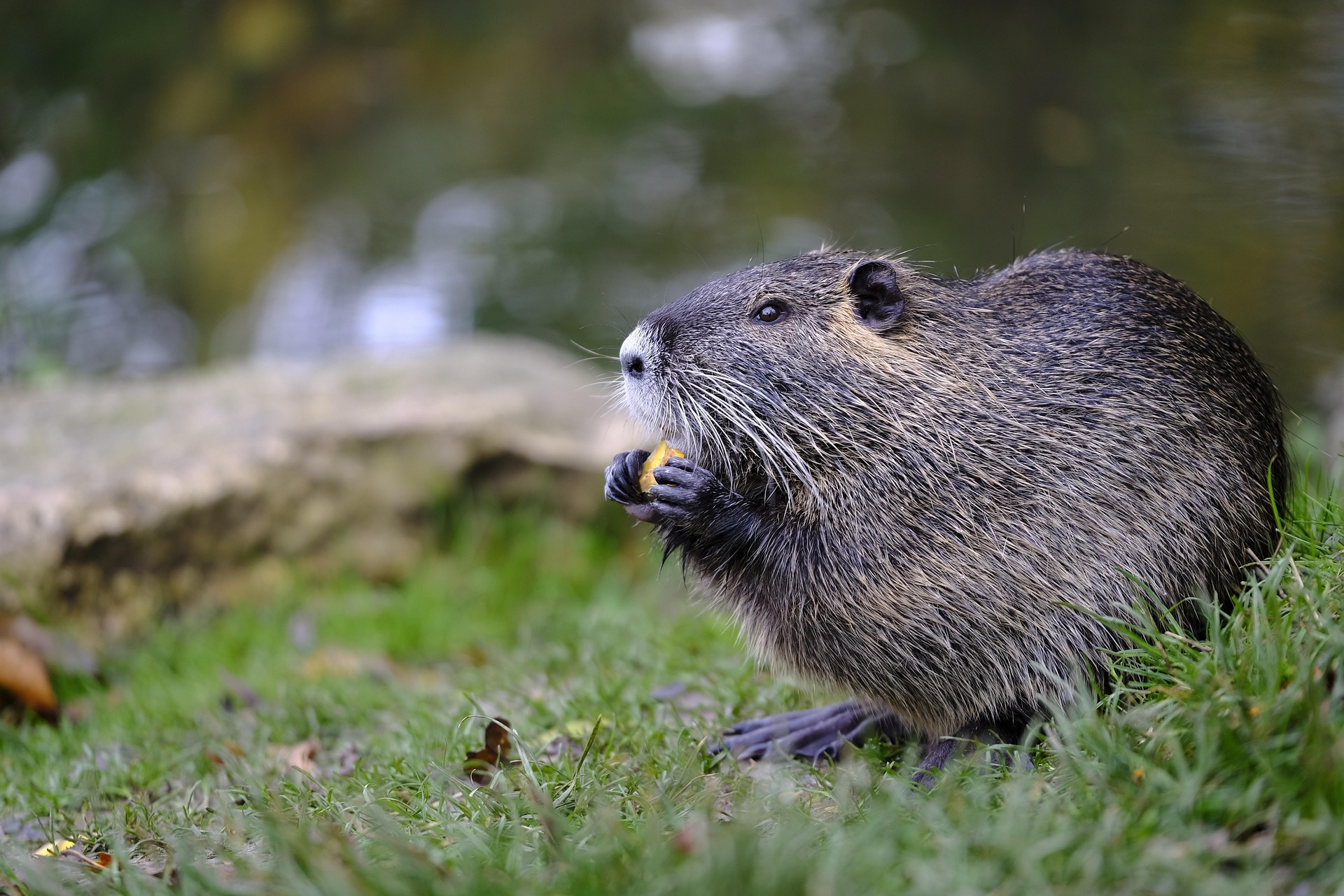
Animals need water too.
Tracks, trails and repeated animal activity can sometimes suggest that water is nearby.
A well-used animal trail leading downhill may be worth noticing as a clue to how wildlife moves through the landscape.
However, animal activity doesn’t guarantee that water is present or safe.
Don’t follow wildlife into unsafe terrain simply because you think it might lead to water.
Think About the Weather
The same landscape can look very different depending on recent weather.
After prolonged rain, temporary streams and pools may appear.
During dry weather, small streams may disappear completely.
Consider what has happened recently rather than relying only on what the landscape normally looks like.
Don’t Follow Every Clue
Finding water should never become a reason to wander away from your planned route.
If you’re taking part in a group activity, remain within the agreed boundaries and follow the leader’s instructions.
Navigation and group safety come before finding a water source.
Be Careful Around Water
Once you locate potential water, slow down.
Wet ground can be slippery.
Riverbanks may be unstable.
Deep water may be difficult to see.
Fast-flowing water can be particularly hazardous.
There’s no need to approach the water closely just to confirm that you’ve found it.
Finding Water Doesn’t Mean Drinking It
This is one of the most important lessons for Scouts.
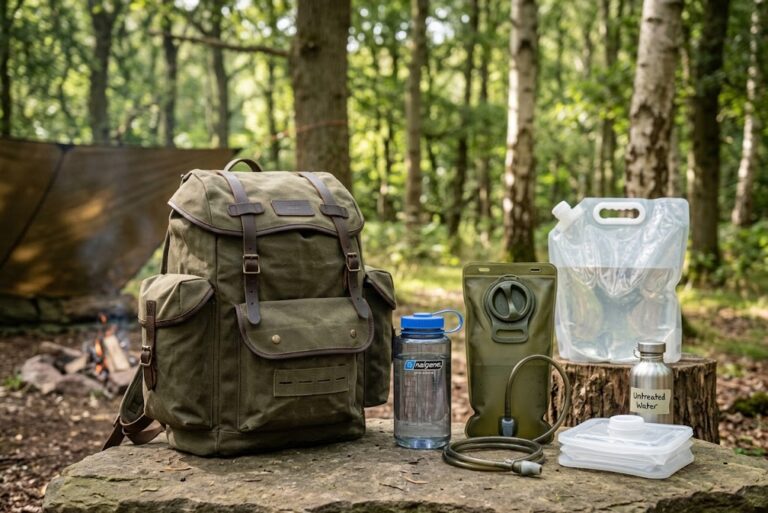
A stream, spring or pond may look perfectly clean while still containing harmful microorganisms or other contaminants.
Clear water isn’t necessarily safe water.
If water is needed for drinking, follow the appropriate treatment and purification procedures for the activity.
Younger Scouts
For younger Scouts, turn this into an observation exercise.
During a supervised walk, ask them to identify places where they think water might collect.
Look at valleys, low ground, vegetation and streams.
Ask them to explain why they think water might be there.
Older Scouts
Older Scouts can combine landscape reading with map work.
Give them a map and ask them to identify likely water sources along a route.
Then compare their predictions with what they actually see outdoors.
This develops observation, navigation and environmental awareness at the same time.
Leader Notes
Avoid presenting these signs as guaranteed methods of finding water.
They’re clues that help Scouts understand the landscape.
The most reliable approach is to combine observation with maps, local knowledge and sensible route planning.
If Scouts are learning survival skills, make it clear that finding a source is only one part of the process. Water still needs to be assessed and treated appropriately before drinking.
Safety
Never assume natural water is safe to drink because it looks clear or comes from a spring.
Don’t approach steep, unstable or undercut riverbanks.
Keep away from fast-flowing or deep water unless taking part in a specifically planned and appropriately supervised water activity.
Don’t enter gullies, ravines or other difficult terrain simply to investigate a possible water source.
Don’t follow animal tracks into unsafe areas.
Stay within agreed activity boundaries and maintain appropriate group contact.
Follow the appropriate procedures for treating and purifying water before drinking it.
Learning Outcomes
Scouts learning to recognise signs of water can develop their ability to:
Final Thought for Scouts
Water doesn’t always announce itself with a large river or obvious stream.
Look at the land, notice the clues and think about where water would naturally go.
The better you understand the landscape, the easier it becomes to predict where water might be found.
🔒Ready to test your survival skills?
Join Survival Guides UK for free, complete challenges, earn badges and increase your Survival Level.
JOIN FREE →
CRAIG BURR
FOUNDER · SURVIVAL GUIDES UK
I'm Craig, the person behind Survival Guides UK. I created SGUK because I wanted somewhere people could learn real outdoor skills in a practical, straightforward way — from lighting a fire and tying knots to navigation, campcraft and everything in between.
You can read more about the story behind SGUK here as well as our approach here.