How to Follow the Land to Find Water
Understanding how water moves across the landscape is a useful survival skill for Scouts.
You don’t always need to spot a stream immediately. By learning to read slopes, valleys, gullies and natural drainage, you can make an educated guess about where water is more likely to be found.
This is a skill based on understanding the landscape rather than wandering around looking for water.
Remember That Water Runs Downhill
The most important principle is simple:
Water follows gravity.
When rain falls, it normally moves downhill until it collects or reaches another watercourse.
This means the shape of the land can give you useful clues about where water may be found.
Look at the Slope
Start by identifying which way the land falls.
You can often work this out by looking at the terrain around you, but a map is much more reliable.
If you’re on higher ground, water may be found further downhill.
However, don’t simply walk straight downhill. The safest route may be quite different from the direction water takes.
Look for Valleys
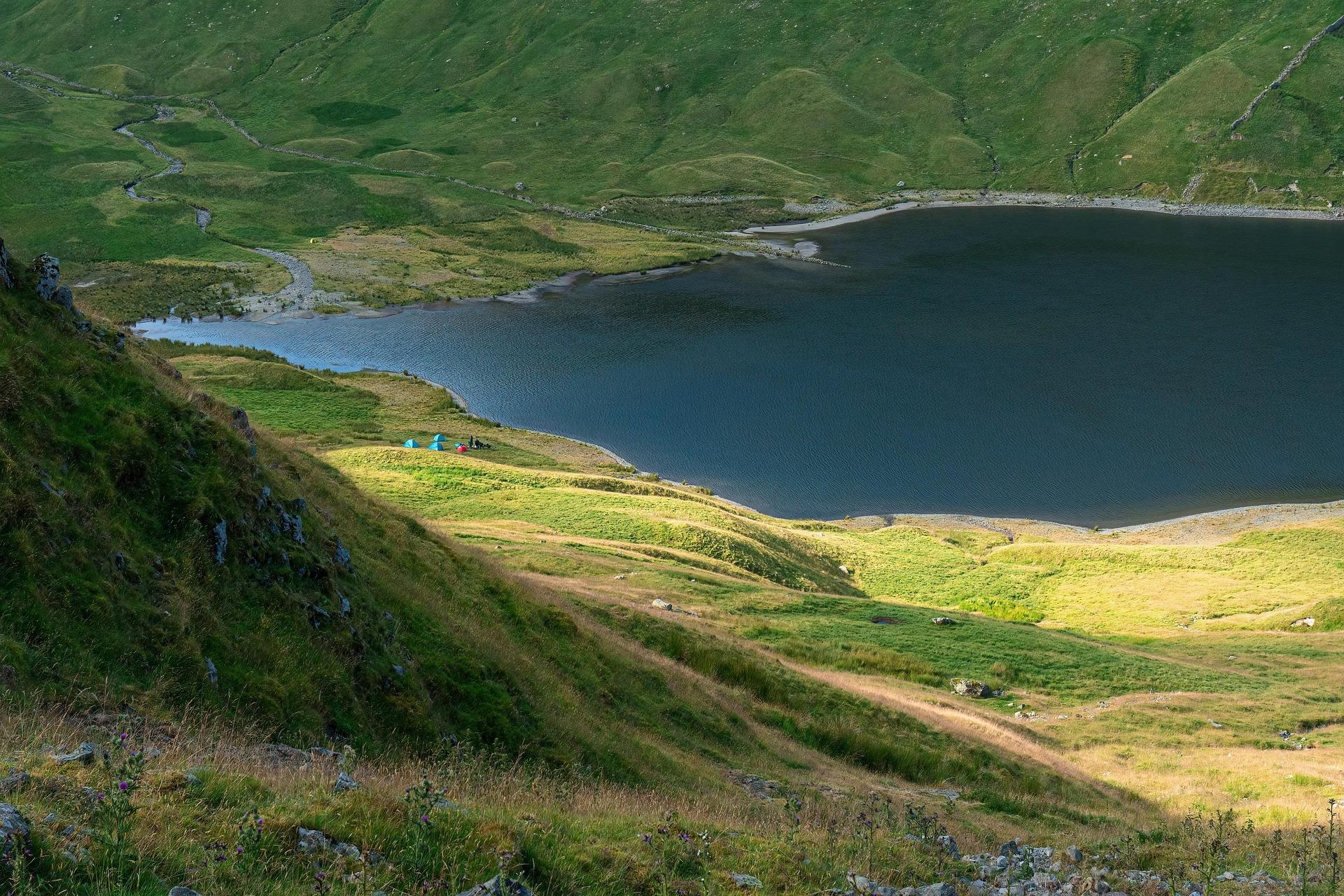
Valleys are natural routes for water.
Larger rivers often occupy the lowest parts of valleys, while smaller streams may run through smaller valleys and channels.
When looking at a landscape, consider how the surrounding slopes direct water towards a lower area.
Follow Gullies Carefully
A gully or shallow channel can indicate where water flows during rainfall.
It may contain flowing water during wet conditions or be completely dry after a period without rain.
Gullies can also become hazardous after heavy rainfall, so don’t enter one simply because it appears to be a convenient route.
Understand Ridges
Ridges are areas of higher ground separating drainage areas.
Rain falling on opposite sides of a ridge may flow in completely different directions.
Recognising ridges can therefore help you understand which valley or drainage system you’re looking towards.
Use a Map
Map reading makes this skill much more useful.
On a topographic map, contour lines can help you understand the shape and height of the land.
Streams, rivers and other water features may also be marked.
Before heading out, study the route and identify known water sources rather than relying entirely on finding one through observation.
Contour Lines Can Help
Contour lines join points of equal height.
Learning to recognise their patterns can help you identify valleys, ridges and slopes.
You don’t need to be an expert navigator to start using them.
The key question is:
“Which way does the land fall?”
Look for Natural Drainage
Small channels can show where water has previously travelled.
Look for changes in vegetation, erosion or shallow depressions that indicate natural drainage.
Remember that these are clues rather than guarantees.
A dry channel may remain dry for weeks or months.
Think About Recent Rain
Rainfall changes the landscape.
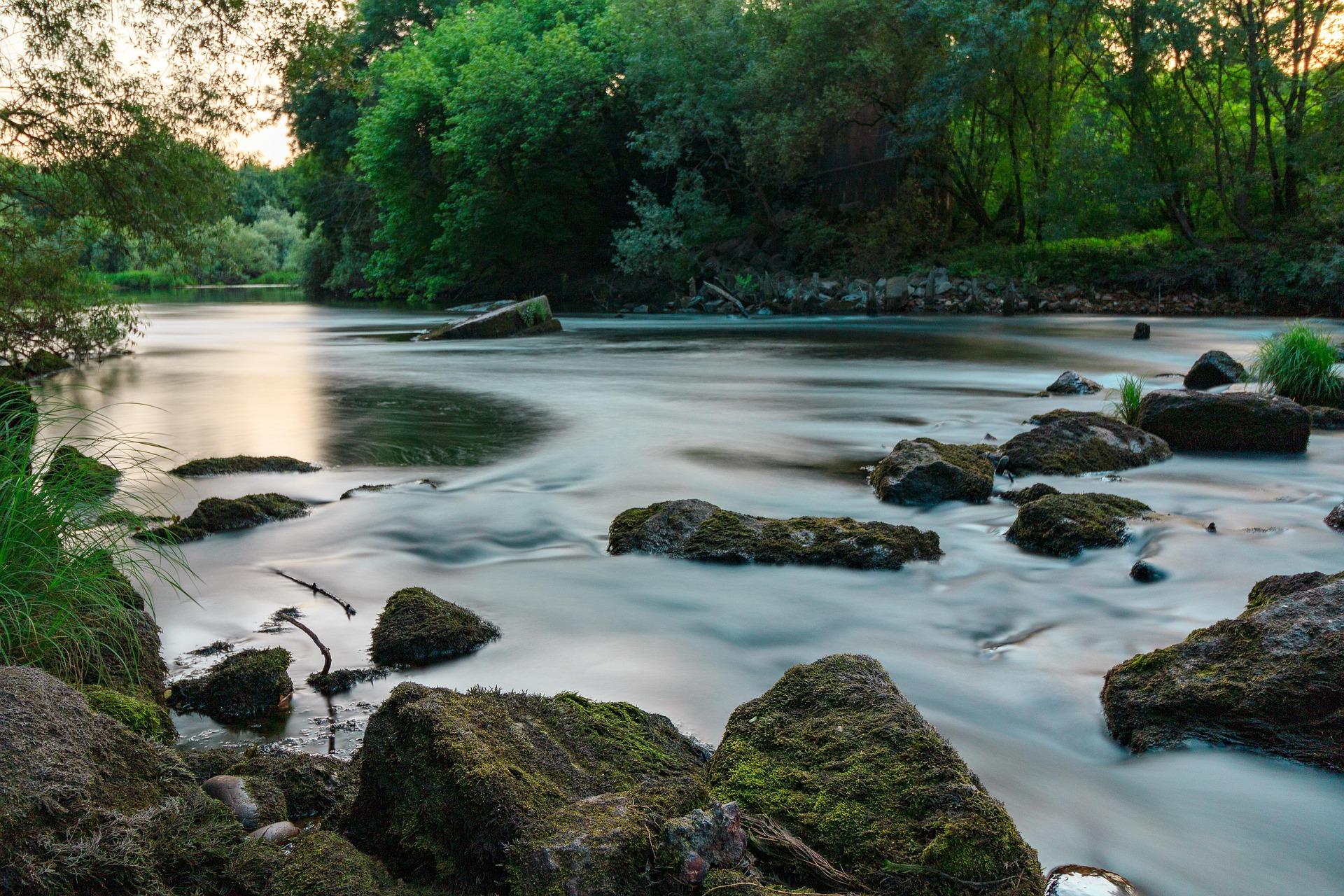
After heavy rain, small streams may appear and existing watercourses may become much larger.
After prolonged dry weather, smaller sources may disappear.
Think about recent weather when deciding where water is likely to be found.
Don’t Follow Water at Any Cost
Finding water isn’t worth putting yourself in danger.
Don’t climb down steep slopes, enter unstable gullies or approach dangerous riverbanks simply because you think water might be below you.
A safer route to a known water source may take longer.
Don’t Lose Your Route
This is particularly important during survival-skill exercises.
It’s easy to become focused on finding water and accidentally travel further than intended.
Keep track of where you are and maintain awareness of your route.
If you’re part of a group, follow the leader’s instructions and stay within the agreed boundaries.
Water May Be Hidden
Not all water is obvious from a distance.
Vegetation, terrain and changes in ground conditions can provide clues.
A small stream may be hidden by plants or lie below the surrounding ground level.
This is why understanding the shape of the land can be more useful than simply looking for something that resembles a river.
Finding Water Is Only the First Step
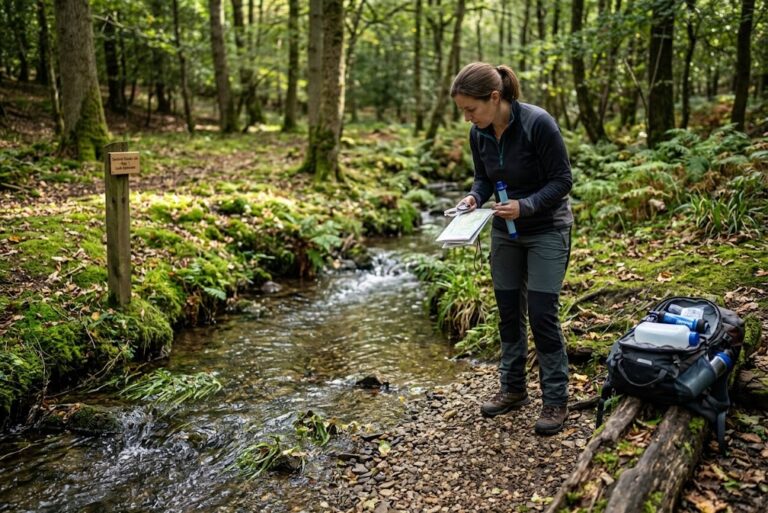
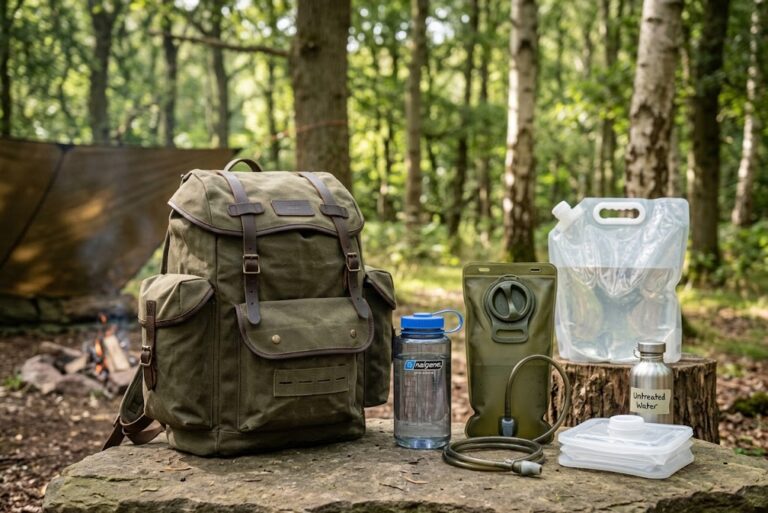
Even if you successfully locate a natural water source, don’t assume that it is safe to drink.
Water can contain microorganisms or contaminants that aren’t visible.
Any water intended for drinking should be assessed and treated using the appropriate method for the situation.
Younger Scouts
Younger Scouts can practise identifying high and low ground.
On a supervised walk, ask:
Where would rainwater go from here?
Then look at the landscape together and see whether the terrain supports their prediction.
Older Scouts
Older Scouts can combine terrain reading with map and compass skills.
Give them a map and ask them to identify valleys, ridges and likely drainage routes.
They can then compare their predictions with the actual landscape.
Leader Notes
This is an excellent skill for combining survival knowledge with navigation.
Avoid turning it into a race to find water.
The learning objective is understanding how terrain influences water movement and making sensible decisions based on that information.
If a practical water-finding exercise is used, establish clear boundaries and ensure Scouts are never encouraged to enter unsafe terrain.
Safety
Never descend steep or unstable terrain simply to reach a possible water source.
Keep away from unstable riverbanks and fast-flowing water.
Treat gullies and drainage channels as potential hazards, particularly after heavy rain.
Stay within agreed boundaries and maintain appropriate group contact.
Use a map and other navigation methods to avoid becoming lost.
Never assume naturally occurring water is safe to drink.
Follow the appropriate procedures for assessing, treating and purifying drinking water.
Learning Outcomes
Scouts learning to follow the land can develop their ability to:
Final Thought for Scouts
The landscape tells a story about where water goes.
Learn to read the hills, valleys and slopes, and you’ll begin to understand that story.
The best water-finding skill isn’t simply knowing where to look.
It’s knowing why water is likely to be there.
🔒Ready to test your survival skills?
Join Survival Guides UK for free, complete challenges, earn badges and increase your Survival Level.
JOIN FREE →
CRAIG BURR
FOUNDER · SURVIVAL GUIDES UK
I'm Craig, the person behind Survival Guides UK. I created SGUK because I wanted somewhere people could learn real outdoor skills in a practical, straightforward way — from lighting a fire and tying knots to navigation, campcraft and everything in between.
You can read more about the story behind SGUK here as well as our approach here.