How to Deal With a Long Uphill Section
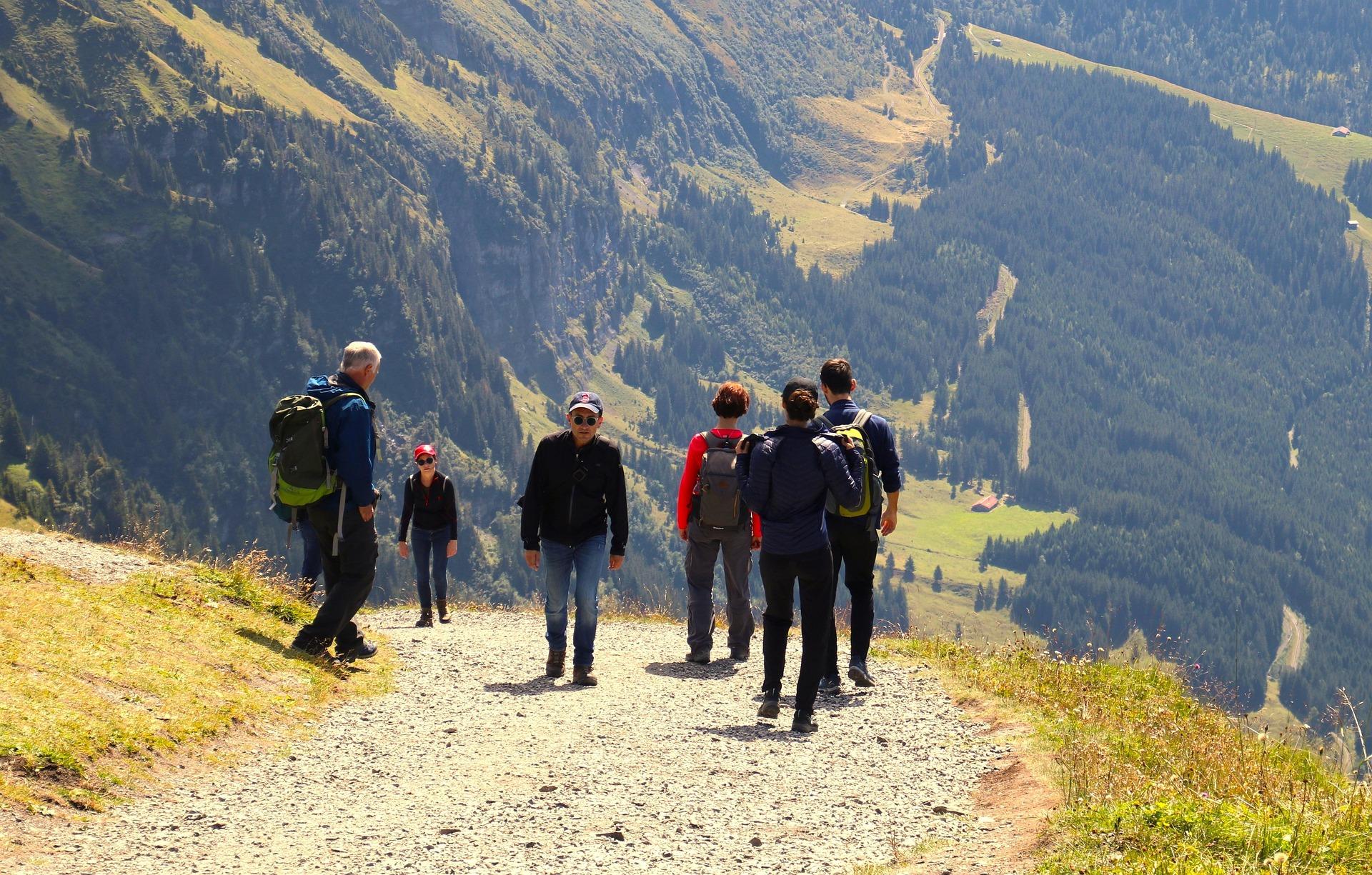
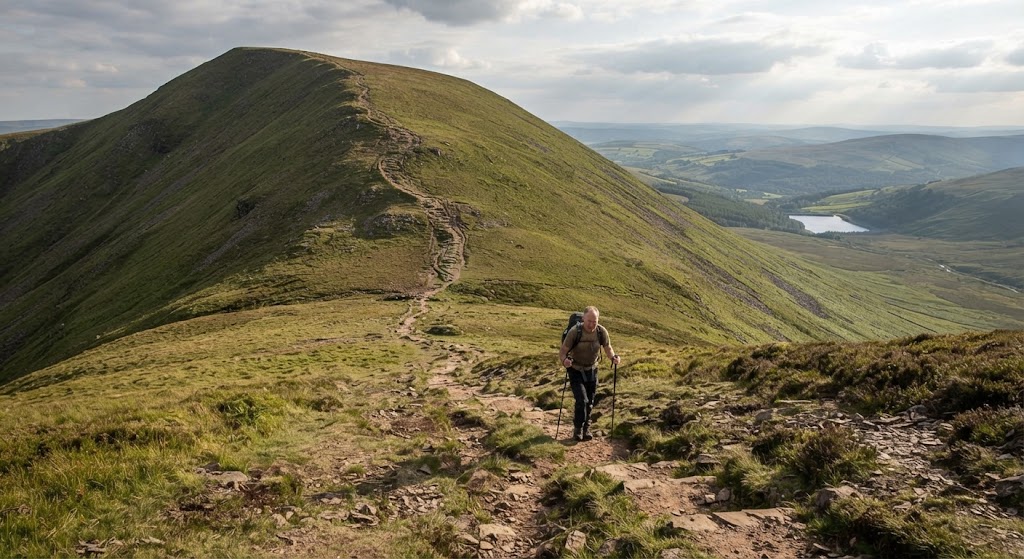
A long uphill section can change the whole feel of a walk. A route that seemed easy on the map can suddenly become hard work when you’re faced with a steady climb that just seems to keep going.
The biggest mistake is often trying to attack the hill too quickly. You start at the same pace you were using on the flat, feel fine for the first few minutes and then wonder why your legs are struggling.
The trick is to settle into a pace you can actually maintain.
Don’t Race the Bottom of the Hill
When you first reach a climb, you might feel fresh and be tempted to get it over with as quickly as possible.
Resist that urge.
A long uphill section is much easier when you treat it as a steady effort rather than a race. Slow your pace down before you start struggling, rather than waiting until you’re already exhausted.
Your walking speed on a steep climb may be considerably slower than it is on level ground. That’s perfectly normal.
What matters is finding a pace that allows you to keep moving without constantly needing to stop.
Take Shorter Steps
One of the simplest ways to make a steep climb more manageable is to shorten your stride.
Trying to maintain long strides uphill uses more effort, particularly when the ground is steep. Shorter steps allow you to keep a more consistent rhythm and can make the climb feel less demanding.
Think about keeping your feet moving rather than trying to cover as much ground as possible with every step.
It might feel slow at first, but over a long climb, that steady rhythm can make a big difference.
Find Your Rhythm
Once you’ve been climbing for a few minutes, try to settle into a rhythm.
Your breathing should be working harder than it was on the flat, but you shouldn’t feel as though you’re completely out of breath from the start.
If you are, slow down.
A useful test is whether you can still speak a few words without having to stop to catch your breath. You don’t need to hold a conversation while climbing, but if you can barely manage a word or two, you’re probably pushing the pace too hard.
Look at the Ground Ahead
It’s easy to become discouraged when you keep looking at the top of a long climb.
If the path continues upwards into the distance, staring at it can make the whole thing seem worse than it is.
Instead, concentrate on the section immediately in front of you.
Pick a tree, bend in the path or other obvious feature a little way ahead and make that your next target. Once you reach it, choose another.
You’re still climbing the same hill, but mentally you’re dealing with smaller sections rather than one enormous climb.
Use the Terrain
Not every part of an uphill route will be equally steep.
There may be flatter sections, gentle bends or short stretches where the gradient eases off. Use these sections to settle your breathing and make the most of the easier ground.
If the path zigzags up a slope, follow the route rather than trying to cut across it. The longer-looking route may actually give you a more manageable gradient.
Don’t assume that taking a shortcut directly uphill will save energy. A steeper route can be much harder work.
Take a Break Before You Need a Long One
There’s nothing wrong with stopping during a long climb.
In fact, a short break at the right time can be much better than pushing yourself until you’re exhausted and then needing a much longer rest.
Find somewhere safe to stop, have a drink and give yourself a few minutes.
If you’re walking with other people, don’t feel that you have to keep going simply because someone else is managing the climb more easily. Everyone has different levels of fitness and experience.
Keep Drinking
Long climbs can make you work harder than you realise, particularly on warm days.
Keep your water accessible and drink regularly rather than waiting until you’re extremely thirsty.
How much you need will depend on the weather, the length and steepness of the climb and how hard you’re working.
If you know you’re heading into a long uphill section, make sure you have enough water with you before you start.
Don’t Forget to Eat
If you’ve been walking for a while, food can also become important.
A long climb takes energy, and if you’re already several hours into a walk, you may notice the difference.
A suitable snack can give you some energy without requiring you to stop for a full meal. What works for you will depend on the length and intensity of the walk, but it’s worth carrying something you know you’ll actually want to eat.
There’s little point carrying food that looks good in your rucksack but becomes completely unappealing when you’re tired.
Use Your Walking Poles Properly
If you use walking poles, they can be particularly useful on long climbs.
Planting the poles securely and using your arms as well as your legs can help spread the effort. They can also provide extra stability on uneven or loose ground.
Don’t rely on them to do the work for you, though. They’re there to assist your movement and balance, not replace good foot placement.
Watch the Weather
A long climb can feel very different depending on the weather.
On a hot, sunny day, you may find yourself tiring much faster. On a cold or wet day, the climb can leave you warm and sweaty while the exposed ground near the top may be considerably colder.
Check the forecast before setting out and think about how the conditions could affect the climb.
If the weather is deteriorating, don’t become so focused on reaching the top that you ignore what is happening around you.
Don’t Be Afraid to Change the Plan
Sometimes the sensible decision is not to finish the climb.
If you’re becoming increasingly tired, the weather has changed or someone in the group is struggling, consider whether continuing is actually the right thing to do.
You might need a longer rest, a slower pace or an alternative route.
Reaching the top is not more important than getting everyone there safely.
Remember That the Top Isn’t the End
One thing that’s easy to forget is that reaching the top of the hill doesn’t necessarily mean the hard work is finished.
You may still have a long way to walk, and going downhill can place different demands on your body. If you’ve used a lot of energy climbing, don’t immediately increase your pace just because the ground has become easier.
Take a moment at the top to have a drink, adjust your clothing and check the route ahead.
Then continue at a comfortable pace.
Make the Climb Work for You
A long uphill section doesn’t have to be something you dread.
Slow down before you need to. Take shorter steps, find a rhythm and concentrate on the ground immediately ahead rather than the entire climb.
Take breaks when you need them, keep yourself hydrated and pay attention to how you’re feeling.
Most importantly, don’t turn the climb into a test of how much suffering you can put up with.
A good uphill pace is one that gets you to the top with enough energy left to enjoy what comes afterwards.
🔒Ready to test your survival skills?
Join Survival Guides UK for free, complete challenges, earn badges and increase your Survival Level.
JOIN FREE →
CRAIG BURR
FOUNDER · SURVIVAL GUIDES UK
I'm Craig, the person behind Survival Guides UK. I created SGUK because I wanted somewhere people could learn real outdoor skills in a practical, straightforward way — from lighting a fire and tying knots to navigation, campcraft and everything in between.
You can read more about the story behind SGUK here as well as our approach here.