How to Collect Fallen Natural Materials Responsibly
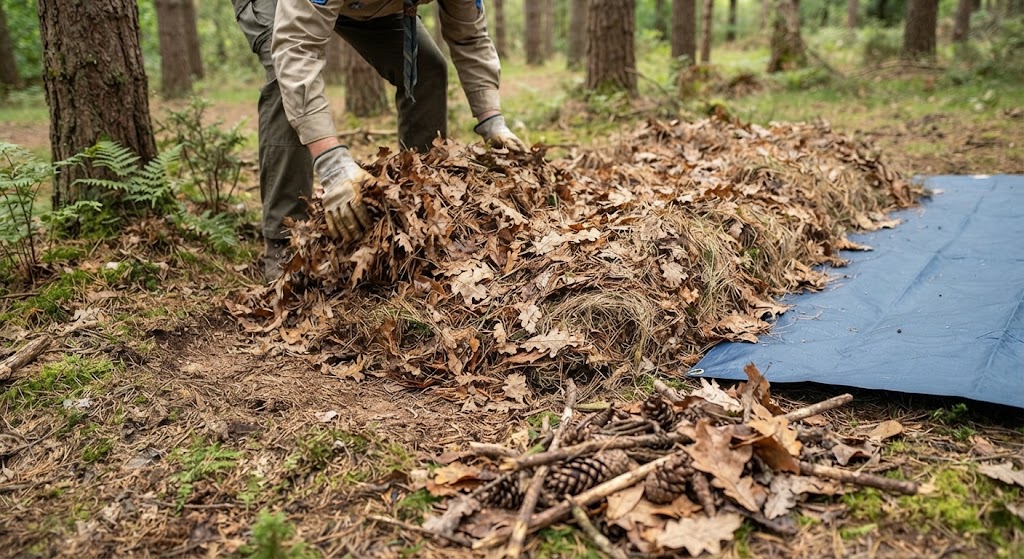
Collecting things you find on the ground can be a useful part of spending time outdoors. Fallen sticks can be used for fire lighting, while leaves, pine cones, seed pods and other natural materials can be useful for identification, nature study and practical activities.
The trick is knowing what is reasonable to collect and what is better left where it is. Responsible collecting isn’t complicated, but it does require you to pay attention to the place you’re in.
What Counts as a Fallen Natural Material?
There are plenty of things you might find naturally lying on the ground while walking around, including:
- Fallen sticks and twigs
- Leaves
- Pine cones
- Acorns and other fallen seeds
- Seed pods
- Small pieces of loose bark
- Stones and pebbles
What you’ll find depends on the habitat and the time of year.
It is important to understand though, that not everything you find should go straight into your pocket. Some material has an important role in the environment, and some things may be protected or subject to local rules.
Only Take Things That Have Already Fallen
A simple rule is to collect only from the ground rather than from any living plants.
If a branch is still attached to a tree, leave it there. Don’t pull off leaves, break branches or remove bark simply because you want a particular piece.
A piece of bark that has naturally fallen is different from stripping bark from a living tree.
The same principle applies to flowers, plants and other living material. If it’s growing, leave it growing, there is no need to take it.
Choose Loose Material That Is Easy to Collect
You shouldn’t have to force anything.
If you’re looking for sticks, choose ones that are already lying loose on the ground. Don’t pull down branches, break apart standing dead trees or climb to reach something.
This is particularly important with dead wood. Although it may look like waste, dead wood provides shelter and food for many small organisms and is an important part of woodland habitats.
Think About What You’re Taking
Before picking something up, consider what you’re actually going to use it for.
If you’re collecting sticks for fire lighting, you probably only need a small amount. If you’re studying trees, a few fallen leaves or seeds may be enough. If you’re doing a craft activity, decide how much material you’ll need before you start.
This keeps collecting practical rather than turning it into a search for how much you can take.
Leave Plenty Behind for Wildlife
Fallen material doesn’t stop being useful just because it has fallen from a tree.
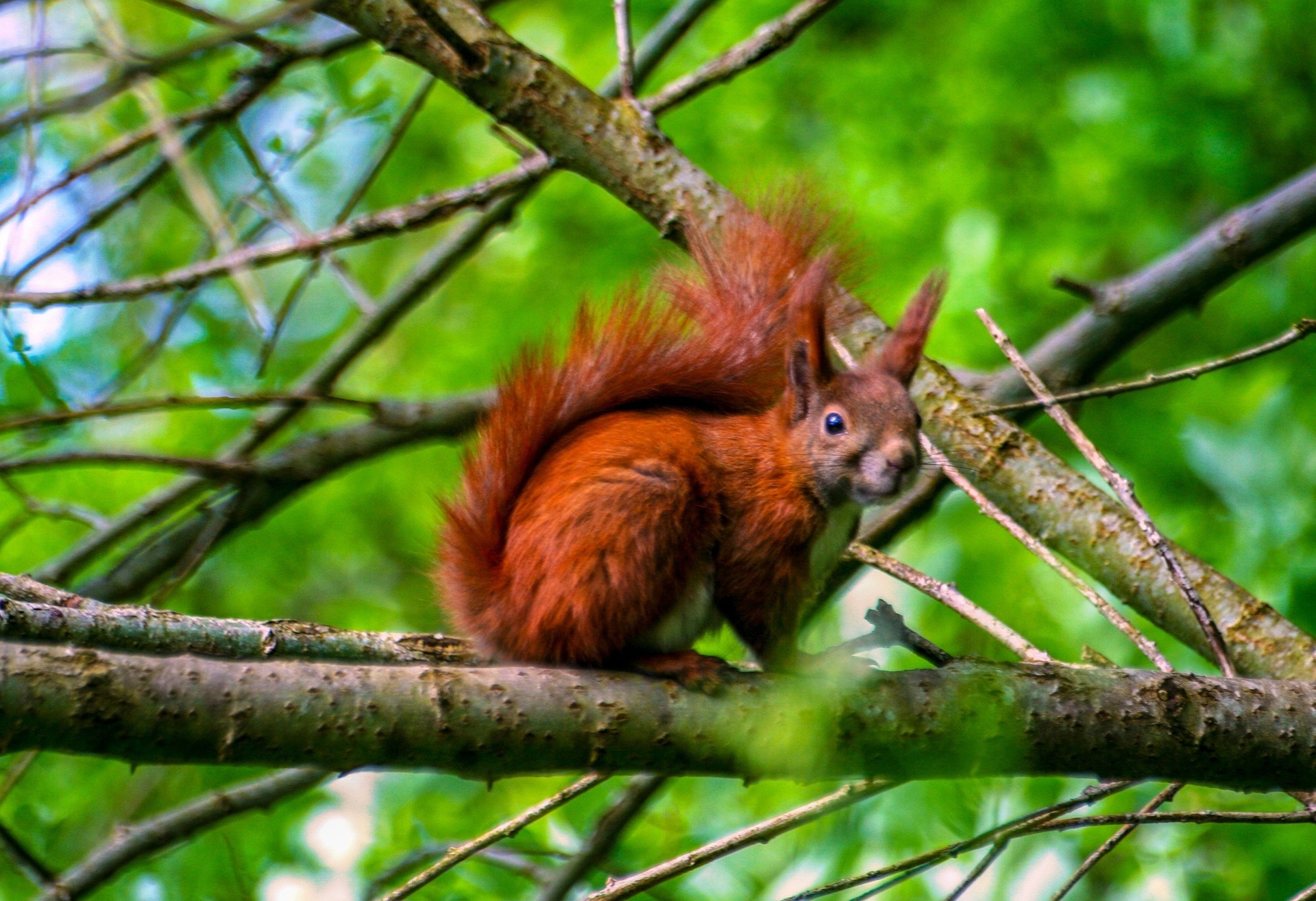
Leaves contribute to the soil, fallen wood provides shelter and insects may live underneath or inside it. Seeds, nuts and other plant material can also provide food.
You don’t need to identify exactly what every piece is doing. Just avoid treating the woodland floor as a supply that needs clearing.
Look Before Moving Things
Some of the most interesting things that you find may be underneath the material you’re thinking about moving.
Before lifting a log, turning over a stone or moving a pile of leaves, take a moment to look around it.
If you see insects, fungi, a nest, burrow or other signs of wildlife, leave it alone. There’s rarely a good reason to disturb something simply to find out what’s underneath it.
Know When Not to Collect Something
Some finds are better photographed than taken away.
This could include an unusual piece of fungi, animal remains, a feather, a large piece of dead wood or something that clearly forms part of a habitat.
A photograph lets you record the find and identify it later without removing it from the environment.
Be Careful With Feathers and Animal Remains
Animal remains can be interesting to find, but don’t assume they are safe to handle.
Dead animals, bones and other remains can carry bacteria or parasites, and some wildlife remains may be subject to legal restrictions.
For most outdoor activities, there is little reason to pick them up. Take a photograph instead and leave them where they are.
Check the Rules Before You Collect
The fact that something has fallen to the ground doesn’t necessarily mean you have permission to take it.
You may be on private land, a nature reserve or another managed site with its own rules about removing natural materials.
If you’re unsure, check with the landowner or site manager. This is particularly important if you want to collect more than a few small items or take something unusual.
Take Care When Picking Things Up
Natural materials can have their own hazards.
Watch for sharp sticks, thorns, broken branches and insects. Don’t put your hands into holes, dense vegetation or underneath logs where you can’t see what is there.
If you’re collecting with children, encourage them to look carefully before picking anything up rather than grabbing things automatically.
Take Photographs Instead of Taking Everything Home
Photography is a useful part of responsible collecting.
You can photograph an unusual leaf, seed pod, piece of bark or other natural object and identify it later. You can also keep photographs as part of an outdoor journal or nature study project.
Sometimes looking closely and taking a photograph teaches you more than simply putting the object in your pocket.
Leave the Area Looking Natural
When you’ve finished, have a quick look around before moving on.
Put back anything you’ve moved unnecessarily and make sure you’ve left no rubbish behind. You don’t need to restore every leaf to its exact position, but avoid leaving obvious signs that you’ve been searching through the area.
The aim is to leave the place looking just as you found it.
Make Responsible Collecting a Habit
Responsible collecting isn’t about memorising a long list of rules.
It’s mainly about developing good judgement. Look for things that have already fallen, take only what you need, avoid disturbing habitats and leave anything you’re unsure about.
Over time, you’ll become better at recognising which materials are useful and which are better appreciated where they are.
Safety When Collecting Natural Materials
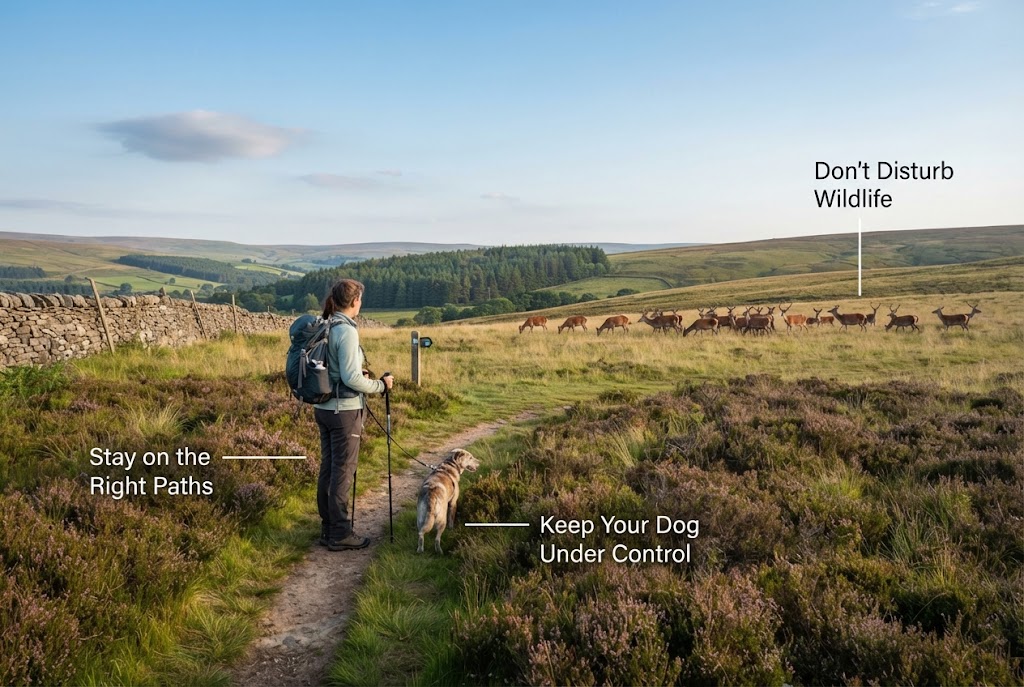
Don’t approach wildlife, nests, dens or burrows while looking for materials. Avoid handling dead animals and be cautious around fungi, sharp objects, insects and anything you cannot identify.
Wash your hands after handling natural materials, particularly before eating.
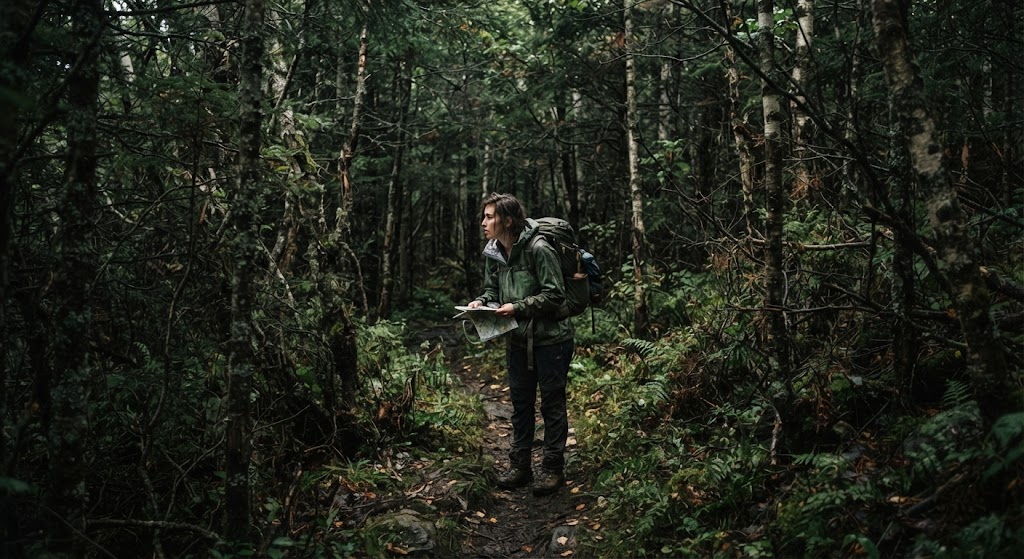
If collecting takes you into woodland, rough ground or other unfamiliar areas, keep your normal outdoor safety practices in place and don’t put yourself at risk simply to reach an interesting object.
Learn to Collect Without Leaving a Mark
Collecting fallen natural materials can be a useful way to become more observant outdoors. Instead of simply walking past the ground beneath your feet, you start noticing what trees and plants are leaving behind and how those materials fit into the wider environment.
The goal isn’t to take as much as possible. It’s to learn what you can use, what you should leave and why the difference matters.
🔒Ready to test your survival skills?
Join Survival Guides UK for free, complete challenges, earn badges and increase your Survival Level.
JOIN FREE →
CRAIG BURR
FOUNDER · SURVIVAL GUIDES UK
I'm Craig, the person behind Survival Guides UK. I created SGUK because I wanted somewhere people could learn real outdoor skills in a practical, straightforward way — from lighting a fire and tying knots to navigation, campcraft and everything in between.
You can read more about the story behind SGUK here as well as our approach here.