Explorer Outdoor Skills
🧭 Explorers: Take Your Outdoor Skills Further
You’ve already learned the basics.
You’ve followed trails, learned navigation, developed camping skills, practised first aid and discovered how to deal with problems outdoors.
Now it’s time to take another step.
Being an Explorer isn’t simply about learning more skills.
It’s about becoming someone who can use those skills effectively when circumstances change.
You might be planning a hike, camping with friends, navigating unfamiliar terrain or helping someone else learn a skill.
The questions become more important:
What are the risks?
What are my options?
What information do I need?
What happens if the plan fails?
How can I help the rest of the group?
That’s where real outdoor competence starts.
💡 EXPLORER TIP
Experience isn’t just about how many adventures you’ve completed.
It’s about what you learned from them.
🧠 Think Before You Act
Experienced outdoor people don’t rush into decisions.
They gather information first.
Before making a decision, consider:
👀 What can I see?
🌦️ What is the weather doing?
🗺️ What does the map tell me?
👥 How is the group coping?
⏱️ How much time do we have?
⚠️ What hazards are present?
🔄 What alternatives do we have?
You won’t always have perfect information.
The skill is making the best reasonable decision with the information available.
🧠 SKILL BUILDER — DECISION- MAKING
A good outdoor decision isn’t necessarily the most adventurous option.
It’s the option that gives you the best balance between your objective, the conditions and the safety of the group.
🗺️ Plan a Real Outdoor Journey
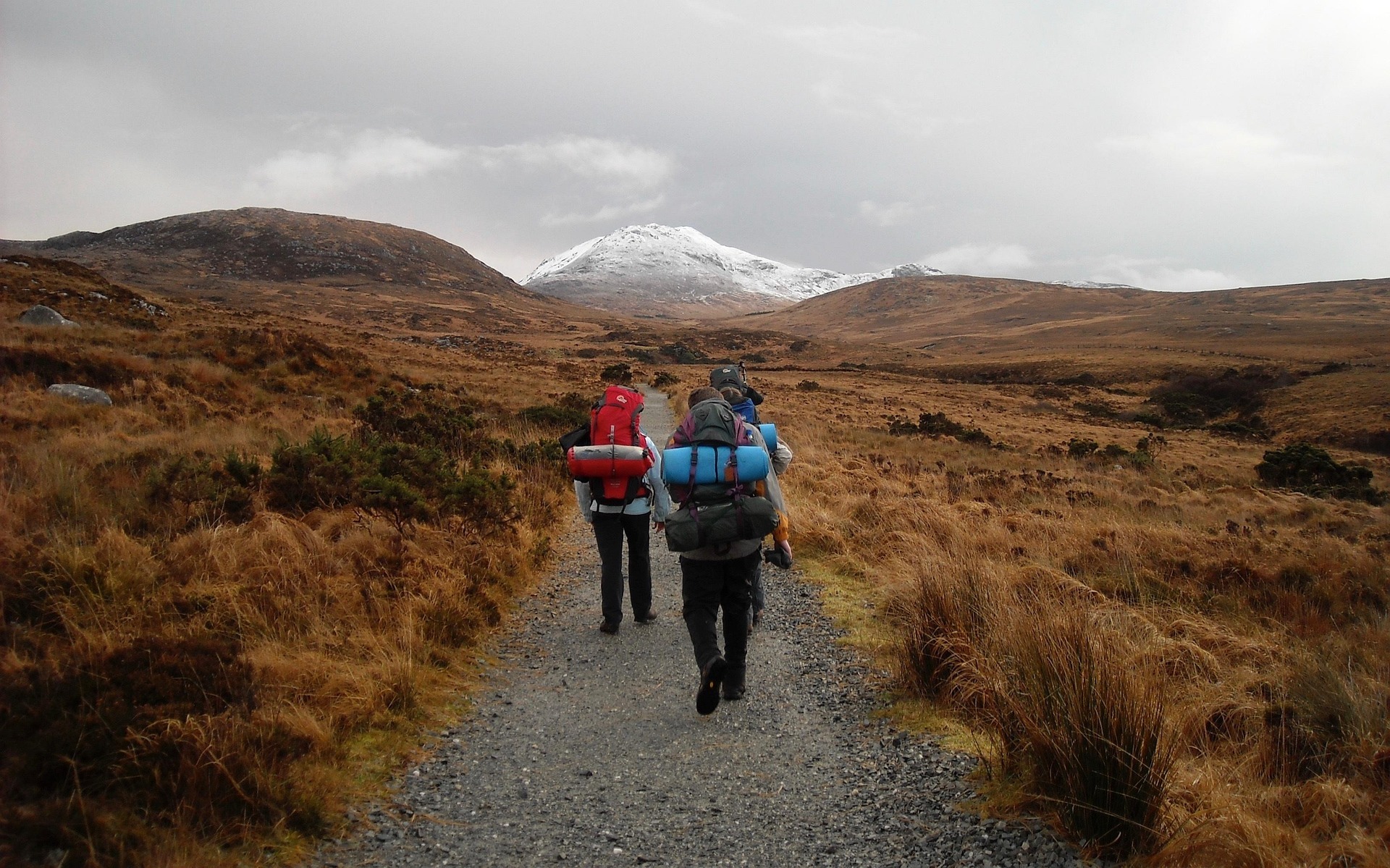
At Explorer level, route planning should become much more detailed.
Before setting out, consider:
📍 Route
Where are you going?
📏 Distance
How far will you travel?
⛰️ Terrain
What ground will you encounter?
⏱️ Timing
How long should each section take?
🌦️ Weather
What conditions are expected?
🧭 Navigation
What techniques will you use?
🎒 Equipment
What do you actually need?
💧 Food & Water
How will you stay fuelled and hydrated?
🩹 First Aid
What emergency equipment is available?
🆘 Emergency Arrangements
How would you get help?
🔄 Contingencies
What happens if something changes?
🗺️ EXPLORER CHALLENGE
Choose a realistic route and create a route plan.
Divide it into sections and identify:
Distance → Time → Navigation point → Possible hazard → Decision point
You’re now thinking like someone planning an actual expedition.
🧭 Navigate With Confidence
Navigation isn’t simply knowing how to read a map.
It’s knowing when your navigation information is reliable.
Use multiple clues:
🗺️ Map features
🧭 Compass direction
⛰️ Terrain
🌲 Natural features
📍 Known locations
👀 What you can see
If several clues agree, your confidence increases.
If they don’t agree:
STOP AND CHECK.
🧭 NAVIGATION TIP
Don’t wait until you’re completely lost.
A small navigation error is much easier to correct than a large one.
Check early. Check often.
🧭 Use Natural Features as Confirmation
Natural features can provide powerful navigation information.
For example:
“The ridge should be running approximately north-east.”
“The stream should cross our route ahead.”
“The valley should be opening out on our right.”
You’re not simply looking at the landscape.
You’re predicting what you should see.
Then you’re checking whether reality matches your prediction.
🧠 EXPLORER SKILL
Before reaching a feature, ask:
“What should I see when I get there?”
Then use the answer to confirm your position.
🌫️ Navigation in Poor Visibility
Poor visibility changes the way you navigate.
Fog, darkness, heavy rain or snow can remove the visual landmarks you’ve been relying on.
You may need to:
- Slow down
- Increase navigation checks
- Use your compass more deliberately
- Stay together
- Reassess the route
- Use known features carefully
- Consider turning back
- Communicate more frequently
🌫️ PROBLEM SOLVER
You’re navigating a route when thick fog arrives.
You can no longer see the next obvious landmark.
Ask yourself:
What information do I still have?
What navigation method can I rely on?
Is continuing the safest option?
Where could I safely stop and reassess?
🧭 Learn to Navigate Without Guessing
One of the biggest navigation mistakes is thinking:
“I think it’s probably that way.”
Instead, look for evidence.
Ask:
What makes me think I’m here?
What feature confirms it?
What direction should I be travelling?
What should I encounter next?
How far should I travel before checking again?
This turns navigation from guesswork into a process.
⏱️ Use Time as a Navigation Tool
Time can provide another clue about where you are.
Suppose your route should take 45 minutes to reach a particular feature.
You’ve been travelling for 90 minutes.
Something needs investigating.
Perhaps:
- You took a wrong turn
- The terrain slowed you down
- Your estimate was incorrect
- You’ve missed a navigation feature
- Conditions have changed
Don’t ignore the discrepancy.
⏱️ EXPLORER TIP
If reality doesn’t match your plan, treat that as information, not an inconvenience.
🌦️ Weather Is Part of Your Route Plan
Don’t treat weather as something you check once before leaving.
Keep watching it.
Look for:
🌧️ Increasing rain
💨 Strengthening wind
🌫️ Falling visibility
⛈️ Storm development
🌡️ Changing temperatures
Weather can affect:
- Route choice
- Ground conditions
- Navigation
- Group speed
- Clothing
- Water requirements
- Emergency planning
🌦️ WEATHER WATCH
Don’t just ask:
“What is the forecast?”
Ask:
“What does the weather mean for my plan?”
🎒 Pack With a Purpose
A good pack isn’t necessarily the heaviest one.
It’s the one containing the equipment appropriate for:
The activity
The environment
The weather
The group
The duration
Think about every item.
Ask:
“What problem does this solve?”
Then consider whether you have an appropriate backup if it fails.
🎒 KIT CHALLENGE
Pick five pieces of equipment.
For each one, identify:
Primary purpose
Possible failure
Alternative
When you might not need it
You’re starting to think in terms of systems rather than individual items.
🏕️ Choose a Campsite Carefully
A campsite isn’t simply somewhere flat.
Think about:
🌧️ Drainage
💨 Wind
🌳 Trees and overhead hazards
💧 Water
🔥 Fire arrangements
🚶 Access
🌿 Environmental impact
🌙 Night-time conditions
A location that looks perfect in daylight might be much less suitable after dark or during heavy rain.
🏕️ CAMPSITE CHALLENGE
Look at three possible campsite locations.
Rank them:
Best → Acceptable → Unsuitable
Then explain your reasoning.
There may be more than one reasonable answer.
🔥 Fire: Skill, Control & Responsibility
At Explorer level, fire knowledge should go beyond simply starting one.
Understand:
Fuel
What burns well and why?
Heat
How does heat transfer?
Air
How does airflow affect combustion?
Control
How can a fire be managed safely?
Cooking
How does heat affect food?
Extinguishing
How do you ensure the fire is completely out?
And most importantly:
When is a fire inappropriate?
Always follow local restrictions, landowner requirements and your activity’s safety arrangements.
🔥 LEVEL UP
The advanced fire skill isn’t:
“I can light a fire.”
It’s:
“I understand when, where and why a fire should be used.”
💧 Water: Find, Assess & Treat
Water becomes increasingly important during longer trips.
You should understand the difference between:
Finding water
and
Finding safe drinking water.
Natural water can contain microorganisms or contaminants even when it looks perfectly clean.
Appropriate treatment methods can include processes such as:
- Filtration
- Boiling
- Appropriate chemical treatment
- Other properly researched methods
Different methods have different limitations.
💧 WATER WARNING
Never assume that clear mountain water, a stream or a spring is automatically safe to drink.
Water needs to be appropriately assessed and treated before consumption.
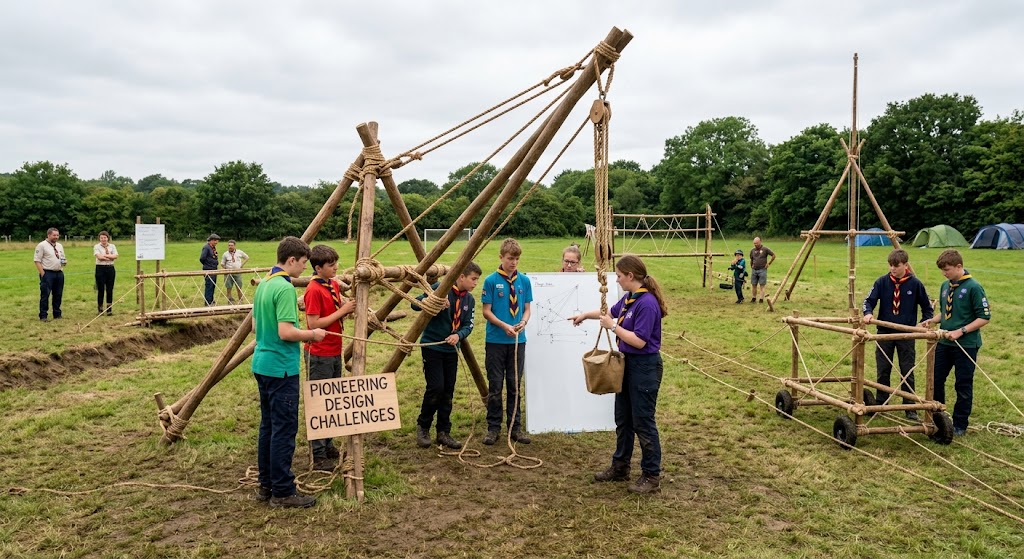
➰ Rope Skills & Pioneering
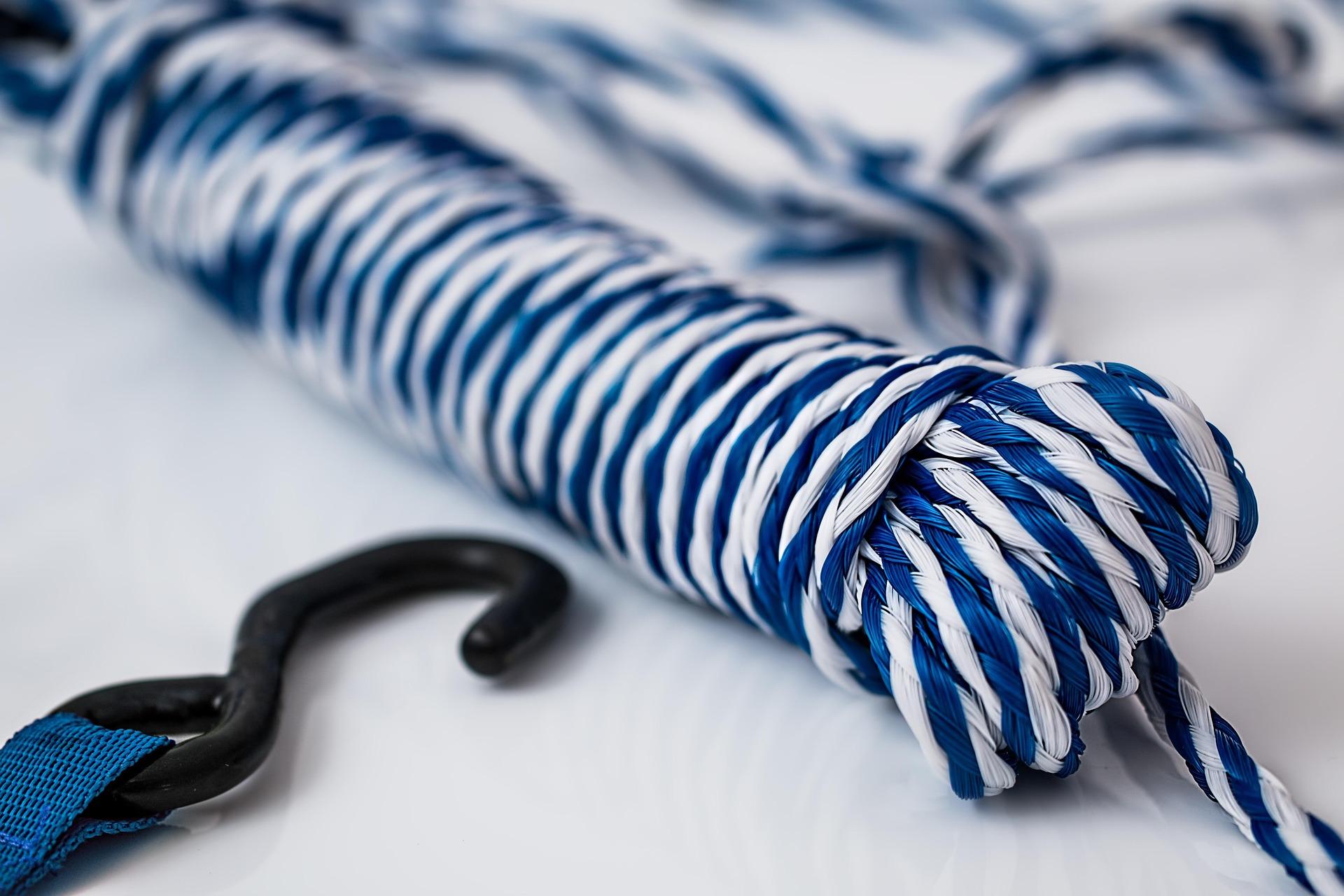
Rope skills can become much more useful as you develop your outdoor abilities.
You might use them for:
- Pioneering
- Camp equipment
- Lashings
- Construction
- Securing equipment
- Practical problem-solving
But always consider:
What is this rope system actually designed to do?
Don’t assume that because something looks strong, it is safe.
Load, rope condition, knots, construction and anchor points all matter.
➰ ROPE CHALLENGE
Choose several knots or lashings you know.
Explain:
What is each one for?
What makes it appropriate?
What could make the setup unsafe?
🩹 First Aid in the Outdoors
Outdoor first aid can be more complicated than first aid close to civilisation.
Think about:
📍 Location
⏱️ Time to assistance
🌦️ Weather
🧭 Navigation
👥 Group size
🩹 Injury severity
🆘 Communications
You may need to keep someone safe while appropriate help is being arranged.
Your priority is always to stay within your training.
🩹 FIRST-AID THINKER
Ask yourself:
“If this person needs professional help, how will we get them to it?”
This is where first aid and expedition planning overlap.
🆘 Emergency Communication
Knowing how to call for help is only part of emergency communication.
You also need to know what information to provide.
Think about:
📍 Exact or useful location
🗺️ Grid reference where appropriate
👥 Number of people
🩹 Injuries or medical problems
⚠️ Hazards
🌦️ Weather
🚪 Access
🔋 Communications available
In an emergency, clear information can help rescuers understand what resources may be required.
Your navigation skills can make a huge difference.
📞 EMERGENCY TIP
Practise explaining your location before you actually need to.
If you can describe where you are calmly during a practice scenario, you’re much more likely to communicate effectively during a real emergency.
🧠 Risk Awareness
Risk assessment doesn’t mean trying to eliminate every possible risk.
Outdoor activities naturally involve some risk.
The goal is to understand the hazards and manage them appropriately.
Think about:
Hazard
What could cause harm?
Who
Who could be affected?
Likelihood
How likely is it?
Consequence
How serious could it be?
Controls
What can reduce the risk?
Review
Has anything changed?
⚠️ SAFETY FIRST
Don’t just ask:
“Is this dangerous?”
Ask:
“What can I do to make this activity safer?”
🔄 Have a Plan B — and a Plan C
Experienced adventurers don’t rely on one perfect plan.
Consider:
PLAN A
What you intend to do.
PLAN B
What you’ll do if something changes.
PLAN C
What you’ll do if conditions become significantly worse.
Your alternatives might involve:
- Shortening the route
- Returning to a known location
- Changing the destination
- Delaying an activity
- Seeking assistance
- Ending the activity
🔄 PLAN B
A contingency plan isn’t a sign that you expect failure.
It’s a sign that you’ve thought ahead.
🧩 Scenario: The Plan Changes
Imagine this:
You’ve planned a six-hour hike.
After two hours, the weather deteriorates.
Visibility is falling.
The group is moving more slowly than expected.
You’re behind schedule.
You still have several hours of planned walking.
What do you do?
Don’t immediately look for the answer.
Work through the decision process.
1. OBSERVE
What’s changed?
2. ASSESS
How does that affect the original plan?
3. OPTIONS
What alternatives are available?
4. DECIDE
Which option gives you the safest reasonable outcome?
5. ACT
Put the decision into practice.
6. REVIEW
Has the new plan worked?
🧠 EXPLORER THINKING
The objective isn’t necessarily:
“Finish the route.”
The objective is:
“Complete the activity safely and responsibly.”
🤝 Leadership Isn’t About Being in Charge
Leadership can mean:
- Making sure everyone understands the plan
- Listening to other people’s concerns
- Noticing when someone is struggling
- Sharing responsibilities
- Staying calm
- Communicating clearly
- Asking for help
- Making difficult decisions
Sometimes the strongest leadership decision is:
“We should stop.”
🤝 LEADERSHIP CHALLENGE
During a suitable activity, take responsibility for one small part of the team.
Afterwards, ask:
What went well?
What was difficult?
What would I do differently next time?
🌿 Become a Better Steward of the Outdoors
As your adventures become bigger, your impact can become bigger too.
Think about:
- Where you walk
- Where you camp
- Where you light fires
- Where you collect water
- What you take
- What you leave behind
Understand the principles of Leave No Trace and follow local access and land-management requirements.
🌍 LEAVE NO TRACE
The best campsite is often the one where nobody can tell you were there.
🧑🏫 Can You Teach the Skill?
One of the best ways to test your knowledge is to teach someone else.
Choose a skill you know.
It could be:
➰ A knot
🧭 A navigation technique
🎒 Packing
🌦️ Weather observation
🔥 Fire safety
🌿 Nature identification
Explain:
What it is
Why it matters
How to do it
What can go wrong
How to practise it safely
If you can teach it clearly, you probably understand it well.
⭐ LEVEL UP
Learn → Practise → Explain → Teach
Teaching someone else is one of the best ways to discover what you really understand.
🏆 Your Explorer Challenge
Put your skills together.
Complete these challenges:
🗺️ 1 — Expedition Planner
Plan a suitable outdoor journey.
🧭 2 — Navigator
Navigate a route using appropriate techniques.
🌦️ 3 — Weather Analyst
Explain how the forecast affects your plan.
🎒 4 — Kit Planner
Justify your equipment choices.
🏕️ 5 — Campsite Assessor
Compare potential campsite locations.
💧 6 — Water Planner
Explain how you would manage your water requirements.
🩹 7 — Emergency Planner
Explain how you would respond to a realistic emergency.
🔄 8 — Contingency Planner
Create a realistic Plan B.
🤝 9 — Team Leader
Take responsibility for a suitable part of an activity.
🧑🏫 10 — Skill Teacher
Teach another person one of your outdoor skills.
⭐ The Ultimate Explorer Challenge
Plan. Lead. Adapt.
With appropriate supervision, plan an outdoor activity.
Your plan should include:
📍 LOCATION
Where are you going?
🗺️ ROUTE
How will you get there?
🧭 NAVIGATION
How will you confirm your position?
⏱️ TIMING
How long should each stage take?
🌦️ WEATHER
How could conditions affect you?
🎒 EQUIPMENT
What do you need and why?
💧 WATER
How will you manage hydration?
🩹 FIRST AID
What emergency equipment and arrangements are appropriate?
⚠️ RISKS
What are the main hazards and how will you manage them?
🔄 PLAN B
What happens if your original plan doesn’t work?
🆘 EMERGENCY
How would you communicate your location?
🌍 ENVIRONMENT
How will you minimise your impact?
Then explain your plan to another person.
Ask them:
“What have I missed?”
That’s an important question.
🏆 THE EXPLORER MINDSET
You don’t need to know everything.
You need to know:
What you know.
What you don’t know.
Where to find the information.
When to ask for help.
That’s real outdoor competence.
🧭 What Have You Learned?
You’re now moving beyond simply collecting skills.
You can:
Most importantly:
You’re learning how to make good decisions when there isn’t a perfect answer.
That’s one of the most valuable outdoor skills you can develop.
🧭 A Note for Parents & Leaders
This section is written directly for Explorers and is designed to encourage responsibility, practical decision-making, leadership and outdoor competence.
Activities involving fire, knives/tools, water, heights, remote locations, overnight activities or other hazards require appropriate supervision, training and risk assessment.
Young people should follow the instructions of their leaders and should not undertake activities beyond their training or supervision arrangements.
SurvivalGuidesUK is an independent educational resource and isn’t an official Scouts website.
🔒Ready to test your survival skills?
Join Survival Guides UK for free, complete challenges, earn badges and increase your Survival Level.
JOIN FREE →
CRAIG BURR
FOUNDER · SURVIVAL GUIDES UK
I'm Craig, the person behind Survival Guides UK. I created SGUK because I wanted somewhere people could learn real outdoor skills in a practical, straightforward way — from lighting a fire and tying knots to navigation, campcraft and everything in between.
You can read more about the story behind SGUK here as well as our approach here.