Advanced Challenge: Plan, Lead & Adapt Expedition Challenge
🏔️ Plan, Lead & Adapt
You’ve learned individual skills.
You’ve combined them into outdoor activities.
Now it’s time to put everything together.
This challenge is about more than reaching a destination.
You’ll need to:
🗺️ Plan
🧭 Navigate
🌦️ Assess conditions
🎒 Manage equipment
⚠️ Consider risk
👥 Work with a team
🔄 Adapt when things change
🆘 Plan for emergencies
🧠 Make decisions
And at the end, you’ll review what happened and work out what you could improve.
🏆 THE ADVANCED CHALLENGE
Your objective isn’t simply to finish.
Your objective is to demonstrate that you can plan and manage an outdoor activity responsibly.
🎯 Your Mission
Plan and complete an appropriate outdoor expedition or journey.
The exact distance and difficulty should be matched to your experience, training, group and conditions.
Your challenge has 10 stages.
🗺️ Stage 1 — Build the Route
Start with a map.
Choose an appropriate destination and develop a route to reach it.
Identify:
📍 Start
🏁 Destination
🧭 Navigation points
⛰️ Significant terrain
🌲 Natural features
💧 Water features
🚪 Access points
🔄 Alternative routes
Don’t simply draw a line between two points.
Think about how the terrain will affect the journey.
🧭 ADVANCED NAVIGATION TIP
A good route isn’t necessarily the shortest route.
Consider:
Terrain + navigation + weather + group ability + time + alternatives.
⏱️ Stage 2 — Build a Time Plan
Estimate how long each section will take.
For example:
Start → Checkpoint 1
30 minutes
Checkpoint 1 → Checkpoint 2
45 minutes
Checkpoint 2 → Destination
60 minutes
Then include appropriate time for:
- Rest
- Navigation
- Food
- Unexpected delays
- Group needs
Your estimated arrival time should be realistic.
⏱️ THINK AHEAD
Ask:
“What happens if we’re 30 minutes behind schedule?”
If you already know the answer, you’ve started planning properly.
🌦️ Stage 3 — Analyse the Weather
Don’t just check the forecast.
Interpret it.
Look at:
🌡️ Temperature
💨 Wind
🌧️ Rain
🌫️ Visibility
⛈️ Storm risk
☀️ Sun exposure
Then ask:
How will this affect my route?
What equipment needs to change?
Will the terrain become more difficult?
Does the weather create additional hazards?
At what point would I change the plan?
🌦️ WEATHER DECISION
Before setting out, define your weather limits.
For example:
“If conditions reach X, we will reassess the route.”
Don’t wait until conditions are already dangerous before deciding what to do.
⚠️ Stage 4 — Assess the Risks
Identify the main hazards on your route.
|
Hazard |
What could happen? |
How will we reduce the risk? |
|---|---|---|
|
Poor weather |
Conditions deteriorate |
Monitor forecast and reassess |
|
Difficult terrain |
Slip/fall |
Appropriate route and footwear |
|
Navigation error |
Group becomes lost |
Regular navigation checks |
|
Fatigue |
Someone struggles |
Pace and rest appropriately |
You don’t need to identify every theoretical possibility.
Focus on the realistic hazards that matter to your activity.
⚠️ RISK THINKER
Risk assessment isn’t about saying:
“This is dangerous.”
It’s about asking:
“What can we reasonably do to manage the risk?”
🎒 Stage 5 — Build Your Equipment Plan
Create your equipment list.
Separate it into:
Essential
Things you genuinely need.
Useful
Things that could make the activity easier.
Emergency
Things you may need if circumstances change.
For each item, ask:
What problem does this solve?
Then ask:
What happens if it fails?
This helps prevent the classic mistake of carrying lots of equipment without understanding why.
🧭 Stage 6 — Navigate the Route
Now put the plan into practice.
Don’t simply follow the person carrying the map.
Take responsibility for navigation at appropriate points.
Before each section, identify:
Where am I?
Where am I going?
What should I see next?
How will I know I’ve reached it?
Then confirm your position as you travel.
🧭 ADVANCED NAVIGATION
Don’t navigate from one obvious feature to the next without thinking ahead.
Know what you’re expecting to see before you reach it.
🌫️ Stage 7 — Deal With a Change
This is where the challenge gets serious.
During the activity, your leader, supervisor or challenge organiser can introduce a safe hypothetical scenario.
For example:
“The weather has deteriorated and your planned route is no longer suitable.”
Or:
“You’re running significantly behind schedule.”
Or:
“A section of your planned route is unavailable.”
Now you need to:
STOP
ASSESS
CONSIDER OPTIONS
MAKE A DECISION
EXPLAIN WHY
You’re not being tested on whether you can find the “correct” answer.
You’re being tested on whether you can reason through the problem.
🧩 ADVANCED PROBLEM SOLVER
Don’t immediately choose the most convenient option.
Identify several options first.
Then compare them.
🔄 Stage 8 — Activate Plan B
Before starting your expedition, create at least one alternative.
Your Plan B could involve:
🗺️ A shorter route
🔄 Turning back
🏕️ Changing the destination
⏱️ Delaying part of the activity
🚪 Using an alternative access point
🆘 Getting additional assistance
The important part is knowing:
When would you activate it?
🔄 PLAN B RULE
A contingency plan is only useful if you know what triggers it.
🆘 Stage 9 — Emergency Scenario
Now imagine that something has gone seriously wrong.
You don’t need to create a dangerous situation.
Instead, work through a realistic scenario with a responsible adult or leader.
For example:
Someone in the group has suffered an injury and cannot continue.
Work through:
Where are you?
What has happened?
How serious might it be?
What hazards are present?
What first aid is appropriate within your training?
How will you get help?
How will you communicate your location?
What happens to the rest of the group?
🆘 EMERGENCY THINKING
Emergency planning isn’t just about the casualty.
You also need to think about the safety of everyone else.
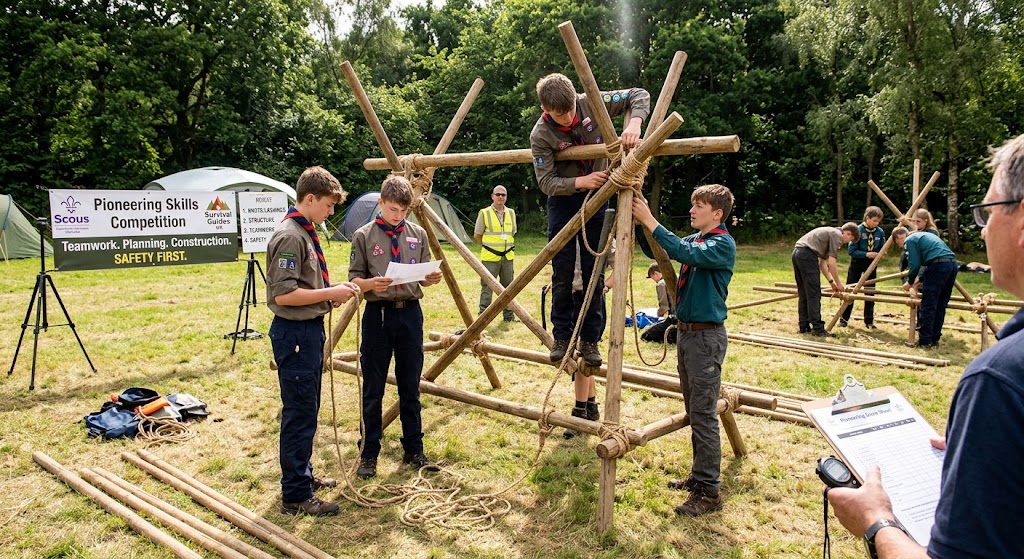
👥 Stage 10 — Lead the Activity
This is the final stage.
Take responsibility for a suitable part of the activity.
You might:
🧭 Lead navigation
🗺️ Explain the route
⏱️ Monitor timing
🌦️ Monitor weather
🎒 Check equipment
👥 Communicate with the team
🔄 Help decide whether the plan needs changing
Leadership doesn’t mean making every decision yourself.
It means helping the group make good decisions together.
🤝 LEADERSHIP TIP
A strong leader doesn’t pretend to know everything.
They know when to:
Listen → Ask → Decide → Act
🧠 The Advanced Decision Cycle
Throughout the expedition, use this process:
👀 OBSERVE
What’s happening?
↓
🧠 ASSESS
What does it mean?
↓
🗺️ CONSIDER
What options do we have?
↓
⚖️ DECIDE
Which option is most appropriate?
↓
🥾 ACT
Put the decision into practice.
↓
🔄 REVIEW
Did it work?
Then repeat.
This is the heart of the Advanced Challenge.
🏕️ The Campsite Test
If your expedition includes camping, add this challenge.
Before setting up camp, assess the location.
Consider:
🌧️ Drainage
💨 Wind
🌳 Trees and overhead hazards
💧 Water
🔥 Fire arrangements
🚶 Access
🌙 Night-time conditions
🌿 Environmental impact
Then explain:
Why is this a suitable campsite?
And just as importantly:
What would make you reject it?
💧 The Water Test
If you’re undertaking an appropriate outdoor activity involving water planning, assess how you would meet your group’s water requirements.
Consider:
How much do we need?
Where will it come from?
Is it suitable?
How will it be treated?
What happens if the source isn’t available?
Remember:
Clear natural water isn’t automatically safe to drink.
Never consume untreated natural water simply because it looks clean.
🔥 The Fire Test
If fire forms part of your supervised activity, demonstrate that you understand more than simply getting one started.
Consider:
🔥 Site
⛽ Fuel
💨 Airflow
🧯 Control
🍲 Purpose
💧 Extinguishing
🌍 Environmental impact
The advanced question is:
“Is a fire actually the best option?”
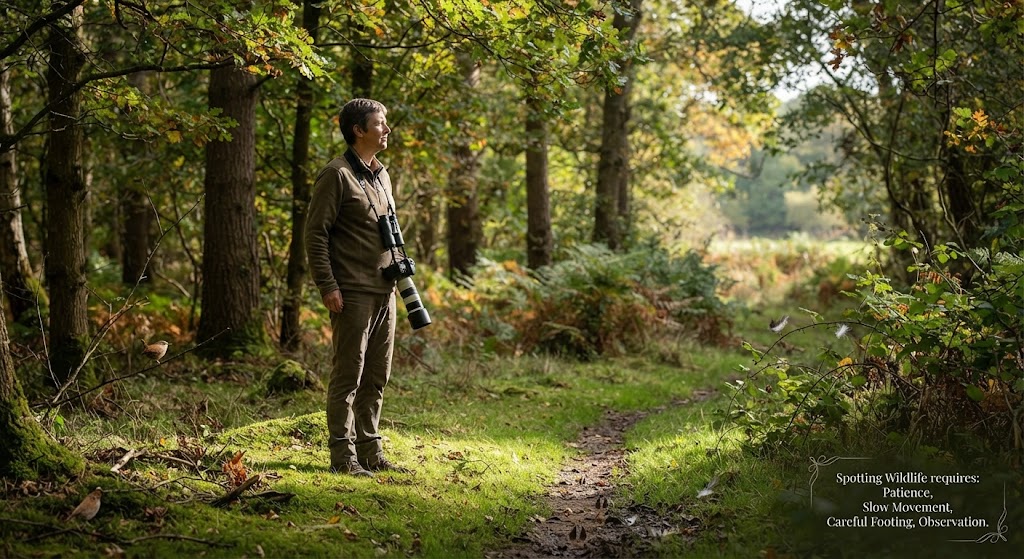
🌍 Environmental Test
Your expedition should leave as little impact as reasonably possible.
Consider:
- Footpath damage
- Wildlife disturbance
- Waste
- Water pollution
- Fire impact
- Noise
- Vegetation
Before leaving an area:
Stop.
Look around.
Check your equipment.
Check the ground.
Take everything with you.
🌍 LEAVE NO TRACE
The goal isn’t just to have a great adventure.
It’s to make sure the next person can enjoy the same place.
📝 The Expedition Debrief
When you’ve finished, don’t simply pack everything away and go home.
Review the expedition.
Write down:
What went well?
What didn’t?
Which decision was the hardest?
Did the weather affect the plan?
Did your estimated timings work?
Did you carry anything unnecessary?
Did you forget anything?
Did Plan B work?
What would you change next time?
What did you learn?
⭐ THE MOST IMPORTANT QUESTION
“What would I do differently next time?”
Your first plan doesn’t need to be perfect.
Your second plan should be better because of what you learned.
🏆 Advanced Challenge Scorecard
Rather than simply counting completed tasks, assess your performance.
|
Skill |
Developing |
Confident |
Advanced |
|---|---|---|---|
|
Route planning |
⬜ |
⬜ |
⬜ |
|
Navigation |
⬜ |
⬜ |
⬜ |
|
Weather assessment |
⬜ |
⬜ |
⬜ |
|
Risk awareness |
⬜ |
⬜ |
⬜ |
|
Equipment planning |
⬜ |
⬜ |
⬜ |
|
Problem-solving |
⬜ |
⬜ |
⬜ |
|
Emergency planning |
⬜ |
⬜ |
⬜ |
|
Leadership |
⬜ |
⬜ |
⬜ |
|
Adaptability |
⬜ |
⬜ |
⬜ |
|
Environmental awareness |
⬜ |
⬜ |
⬜ |
🥇 What Makes This an Advanced Challenge?
You’ve gone beyond:
“Can I tie the knot?”
to:
“Which knot should I use?”
You’ve gone beyond:
“Can I read a map?”
to:
“Can I plan and navigate a route?”
You’ve gone beyond:
“Can I light a fire?”
to:
“Is a fire appropriate here?”
You’ve gone beyond:
“What should I do?”
to:
“What are my options, and which is the best decision?”
That is what makes this an advanced outdoor skills challenge.
🏆 Challenge Complete!
If you’ve completed the challenge, you’ve demonstrated that you can bring multiple outdoor skills together.
But there’s one final challenge.
Can you teach someone else what you’ve learned?
🧑🏫 The Ultimate Level-Up
Choose one skill from this challenge.
Teach it to somebody else.
Don’t simply demonstrate it.
Explain:
What it is
Why it matters
How to do it
What can go wrong
How to practise it safely
Then ask them to teach it back to you.
If they can explain it themselves, you’ve probably taught it well.
And if you can teach it well:
🎓 You’re no longer just learning outdoor skills.
You’re helping someone else learn them too.
⚠️ SurvivalGuidesUK Safety Notice
This is an educational challenge, not a test of how much risk you can take.
Advanced outdoor skills should only be practised at a level appropriate to your age, experience, training, fitness, equipment and the conditions.
If you’re completing this as part of Scouts, Explorers or another youth organisation, follow your leader’s instructions and the organisation’s current safety procedures and risk assessments at all times.
🛑 Stop if conditions become unsuitable
You do not have to complete the challenge.
Stop, change your plans or turn back if:
- Weather conditions deteriorate significantly
- Visibility becomes unsuitable for your experience
- Someone becomes unwell, injured or excessively tired
- Your navigation becomes uncertain
- The route becomes unsuitable or inaccessible
- Equipment fails or is no longer adequate
- A hazard appears that you cannot safely manage
- A member of the group is uncomfortable or feels unsafe
🏆 An advanced outdoor skill is knowing when to stop.
Turning back isn’t failure.
Recognising when a plan is no longer appropriate is good decision-making.
SurvivalGuidesUK is an independent educational resource and is not an official Scouts website. Always follow the instructions of your qualified leader, instructor or responsible adult and the current rules and guidance applicable to your activity.
🔒Ready to test your survival skills?
Join Survival Guides UK for free, complete challenges, earn badges and increase your Survival Level.
JOIN FREE →
CRAIG BURR
FOUNDER · SURVIVAL GUIDES UK
I'm Craig, the person behind Survival Guides UK. I created SGUK because I wanted somewhere people could learn real outdoor skills in a practical, straightforward way — from lighting a fire and tying knots to navigation, campcraft and everything in between.
You can read more about the story behind SGUK here as well as our approach here.