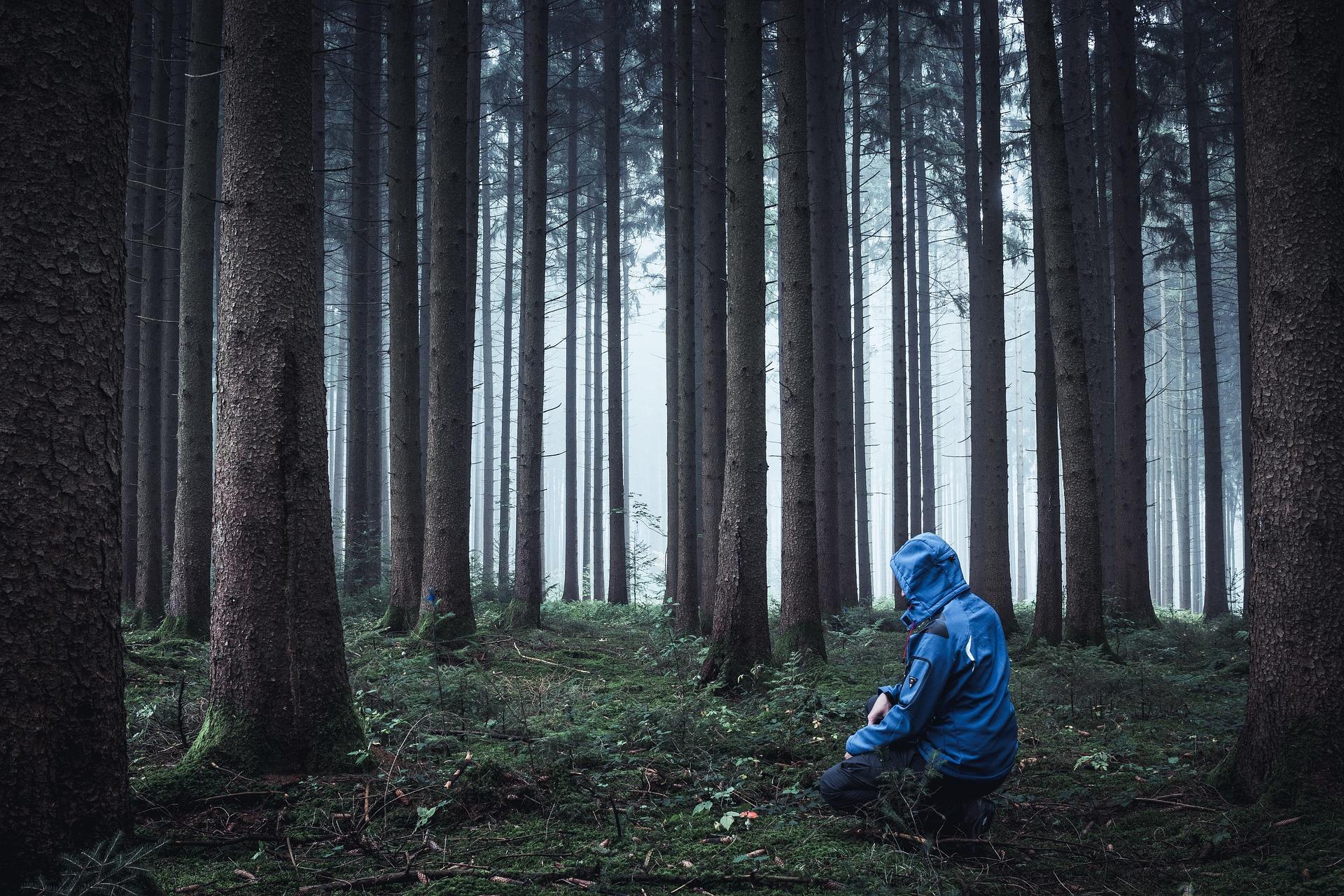
How to Stay Safe in UK Woodlands
⚠️ SAFETY FIRST
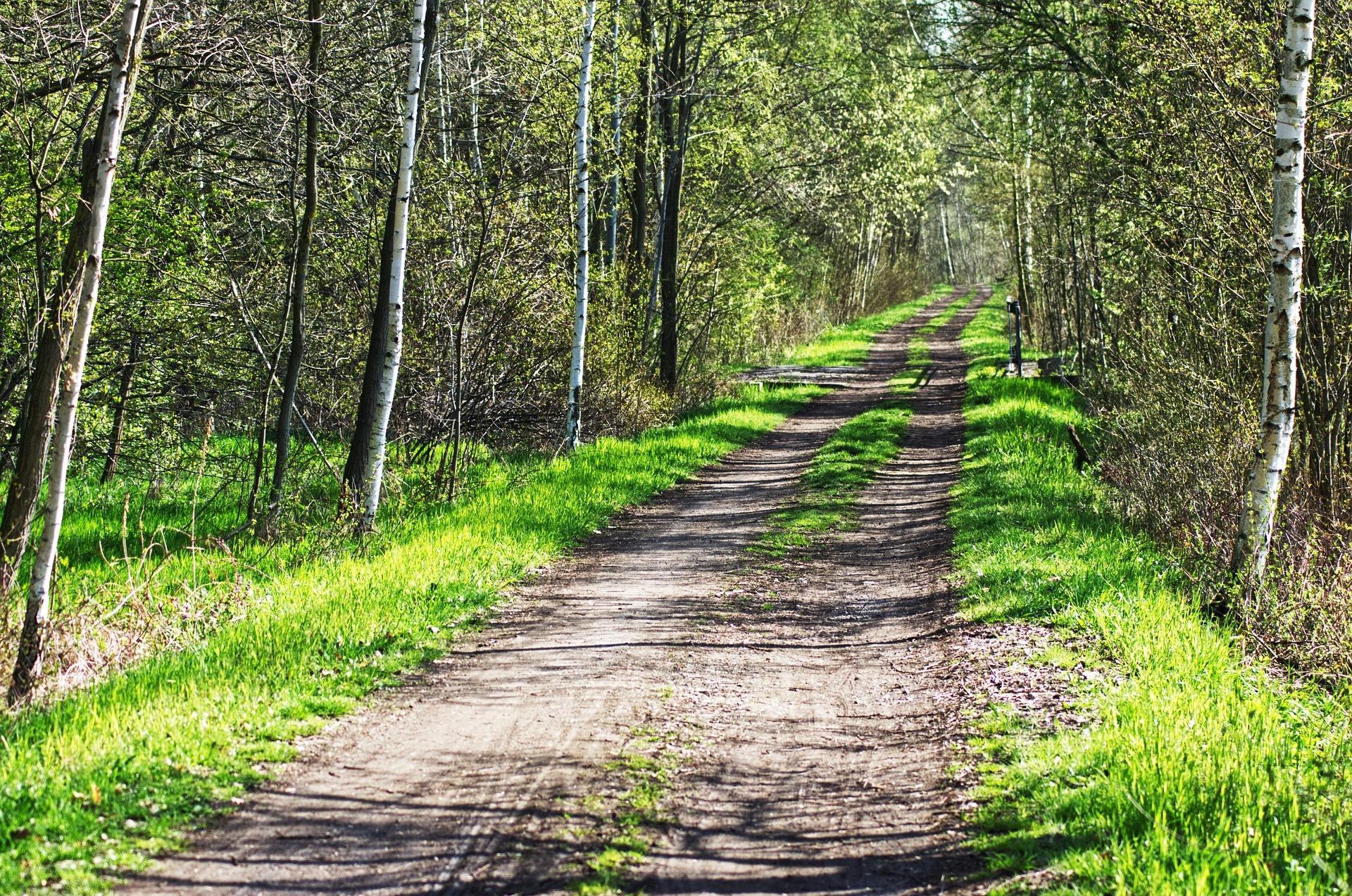
Woodlands can look peaceful and familiar, but they are still natural environments with hazards that can change with the weather and season.
Before heading out, consider the forecast, your route, daylight hours and the equipment you need. If you’re part of a Scout group or organised activity, follow your leader’s instructions and the site’s rules.
UK woodlands are fantastic places to explore.
They provide opportunities for walking, navigation, wildlife watching, camping, bushcraft and all sorts of Scout activities.
But a woodland isn’t a controlled environment.
Trees can fall, paths can become slippery, streams can rise, weather can change and it is surprisingly easy to lose your sense of direction among dense trees.
Staying safe doesn’t mean being nervous about every branch or muddy puddle.
It means understanding the environment you’re in and making sensible decisions.
Know Where You’re Going
One of the easiest ways to get into trouble in woodland is simply to lose your way.
Trees can make navigation surprisingly difficult because many areas look almost identical.
A path may split without you noticing, and a route that looks obvious on the way in can look completely different when you’re heading back.
Before setting off, know roughly where you’re going and how you’re going to navigate.
A map and compass are particularly useful because they don’t depend on mobile phone signal or battery life.
🧭 NAVIGATION TIP
Don’t wait until you think you’re lost before checking your position.
Regularly confirm where you are while you’re still confident about your route.
If you’re walking as part of a group, stay aware of where the rest of the group is.
Tell Someone Where You’re Going
If you’re heading into woodland alone, make sure someone knows where you’re going.
Tell them:
For a Scout activity, the leader should already have appropriate plans for the group.
This simple habit can make a huge difference if something goes wrong.
If you fail to return when expected, someone at least knows where to start looking.
Watch the Weather
Woodland can feel sheltered, but it doesn’t make you immune to bad weather.
Heavy rain can turn paths into slippery mud and cause streams to rise.
Strong winds can make trees and branches hazardous.
Hot weather can lead to dehydration and heat illness.
Cold, wet weather can contribute to hypothermia.
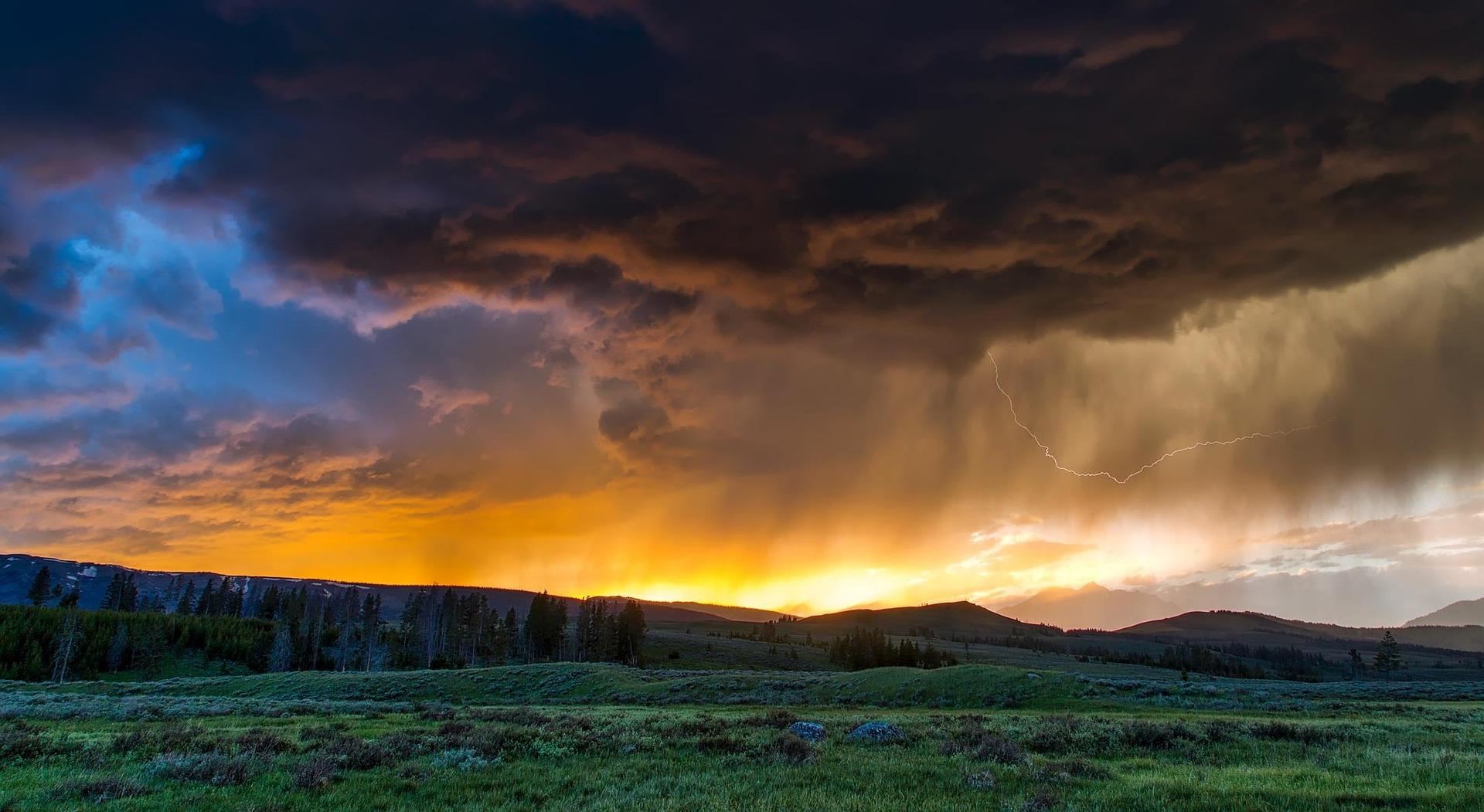
And thunderstorms can introduce lightning, heavy rain and sudden strong winds.
Check the forecast before you go, and keep an eye on changing conditions while you’re out.
🌦️ WEATHER CHECK
Don’t just ask:
“Will it rain?”
Also think about what that rain, wind, heat or cold could do to the woodland and your planned activity.
Be Careful Around Trees
Trees are one of the defining features of woodland, but they can also present hazards.
Strong winds can break branches or bring down entire trees.
Dead branches can fall even when there isn’t a strong wind.
Look up occasionally, particularly if you’re stopping or choosing somewhere to shelter.
Avoid spending unnecessary time beneath trees that appear damaged, unstable or have large dead branches.
After severe weather, woodland conditions can be particularly hazardous.
Follow any signs or closures put in place by the landowner.
🌳 TREE SAFETY
Never climb trees unless the activity is specifically designed for it and properly supervised.
Wet bark, broken branches and unexpected falls can turn a bit of fun into a serious injury.
Watch Where You Put Your Feet
Woodland floors can be full of hidden hazards.
Roots, rocks, holes and fallen branches can all cause trips.
Wet leaves can become surprisingly slippery, particularly on slopes.
Mud can hide uneven ground underneath.
Take your time rather than rushing.
Good footwear makes a significant difference, particularly after rain.
Be Careful Near Water
Many woodlands contain streams, ponds, lakes or rivers.
Don’t assume that shallow-looking water is safe to cross.
Water can be deeper or faster-moving than it appears, particularly after heavy rain.
Slippery rocks and muddy banks can also make falls more likely.
If you’re walking with a group, follow the planned route rather than improvising a crossing.
💧 REMEMBER
Never underestimate moving water.
A stream that was easy to cross yesterday can become dangerous after heavy rainfall.
Don’t Drink Straight From a Stream
A clear-looking stream isn’t necessarily safe to drink from.
Water can contain harmful microorganisms even when it looks clean.
If you need to use natural water, it should be treated using an appropriate purification method.
For normal woodland walks, the easiest solution is simply to carry enough drinking water with you.
Watch for Ticks
Ticks are found in many parts of the UK and are particularly associated with vegetation such as long grass, woodland edges and areas of rough vegetation.
Ticks can attach themselves to people and animals.
Some ticks can transmit infections, including Lyme disease.
You can reduce your risk by:
Pay particular attention to areas such as the legs, waist, armpits and around the hairline.
🕷️ TICK TIP
Check yourself after woodland activities.
A tick can be tiny, so don’t assume you’d notice one immediately.
Don’t Assume Wildlife Is Dangerous
UK woodlands contain plenty of wildlife, but most animals want to avoid you.
You might encounter:
The best approach is to give wildlife space.
Don’t try to catch animals.
Don’t feed them.
Don’t approach young animals.
And never put your hands into holes, burrows or places where you can’t see what’s inside.
Be Particularly Careful Around Deer
Deer generally avoid people, but they are still large wild animals.
During certain times of year, particularly the autumn rut, male deer can become more aggressive.
If you encounter a deer, give it plenty of space.
Don’t attempt to approach it for a photograph.
If it moves away, let it go.
Be Careful With Dogs
If you’re walking with a dog, remember that woodland contains wildlife that may react to it.
Some landowners also have restrictions on dogs, particularly where livestock or sensitive wildlife are present.
Keep your dog under control and follow local signs.
Around livestock, always follow the relevant access guidance and don’t allow a dog to chase animals.
Don’t Pick or Eat Wild Plants Unless You Know Exactly What They Are
Woodlands contain many edible plants, but they also contain poisonous species.
Some dangerous plants can look very similar to edible ones.
This is particularly important for children and inexperienced foragers.
Don’t eat something simply because:
“It looks like something I’ve seen before.”
If you’re learning about wild food, use a reliable identification guide and learn from someone with appropriate knowledge.
For Scout activities, only introduce wild-food activities with suitable preparation, supervision and risk assessment.
Be Careful With Mushrooms
The same principle applies to fungi.
Some mushrooms are edible.
Others can cause serious illness.
Some poisonous species can look very similar to edible varieties.
Unless you are properly trained in fungal identification, don’t eat wild mushrooms.
A woodland isn’t a supermarket.
Fire Safety in Woodlands
Fire is one of the biggest hazards to consider during woodland activities.
A small campfire can become a serious wildfire if conditions are dry or windy.
Before lighting any fire, make sure:
Never leave a fire unattended.
And don’t light fires directly on the forest floor simply because you’re in the woods.
Follow the rules of the site and the instructions of your activity leader.
🔥 FIRE SAFETY
Dry woodland vegetation can burn extremely quickly.
If conditions are very dry, don’t light a fire unless you are certain it is safe and permitted.
Don’t Damage the Woodland
Staying safe also means respecting the environment you’re visiting.
Don’t:
If you’re practising bushcraft skills, use designated areas and follow the landowner’s rules.
Be Careful Around Forestry Operations
Some UK woodlands are working forests.
You may encounter:
Never enter a clearly marked closed area.
Large machinery may have limited visibility, so don’t assume an operator has seen you.
If you see signs telling you to use an alternative route, follow them.
🚧 IMPORTANT
A woodland isn’t necessarily a park.
Some forests are working environments. Respect signs, barriers and temporary closures.
Watch Out for Fences and Gates
Woodlands often contain boundaries that aren’t obvious on a map.
You may come across:
Don’t climb fences unless there’s no safe alternative and you’re permitted to cross.
Look for gates or designated crossing points.
Be particularly careful with barbed wire, which can cause serious cuts and become a major problem if clothing becomes caught.
Carry the Right Equipment
You don’t need to carry a giant survival pack for an afternoon woodland walk.
But your equipment should match the activity and conditions.
For a normal walk, useful essentials might include suitable clothing, water, a charged phone and navigation equipment.
For a longer Scout activity, you may also need additional equipment such as:
The important thing is not carrying everything.
It’s carrying what you might reasonably need if the activity takes longer or conditions become worse than expected.
Take a Torch
Don’t assume you’ll be back before dark.
A delay, wrong turn or minor injury can turn a daytime activity into an evening one surprisingly quickly.
A small torch weighs very little and can make a huge difference.
Your phone’s torch can be useful as a backup, but a dedicated torch preserves your phone battery for communication and navigation.
What If You Get Lost?
If you realise you’ve lost your way, don’t panic.
Stop.
Think about the last place you definitely knew where you were.
Check your map and compass if you have them.
If you’re with a group, stay together.
If you’re alone and can’t safely work out your position, staying put can be safer than wandering deeper into unfamiliar woodland.
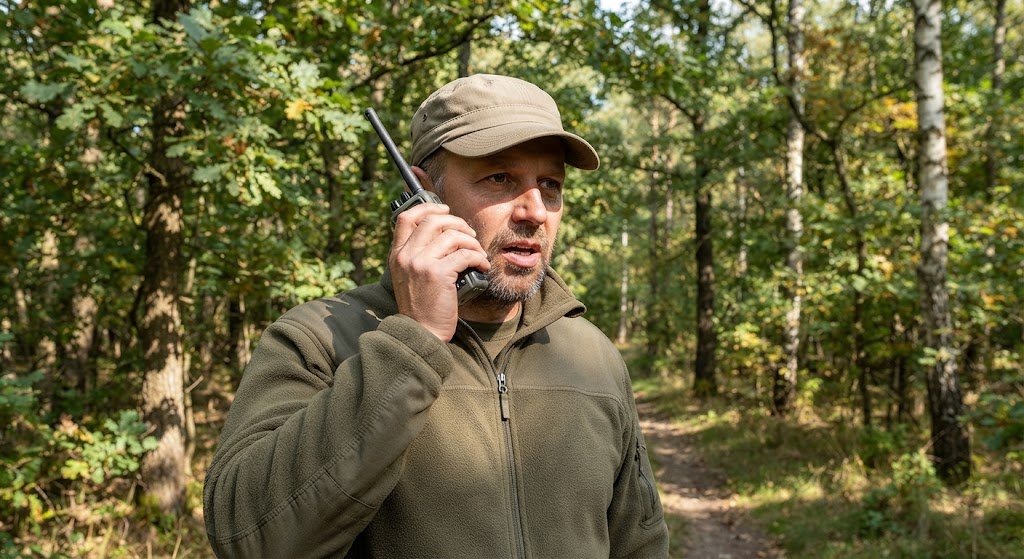
Use your phone to contact someone if appropriate, but conserve its battery.
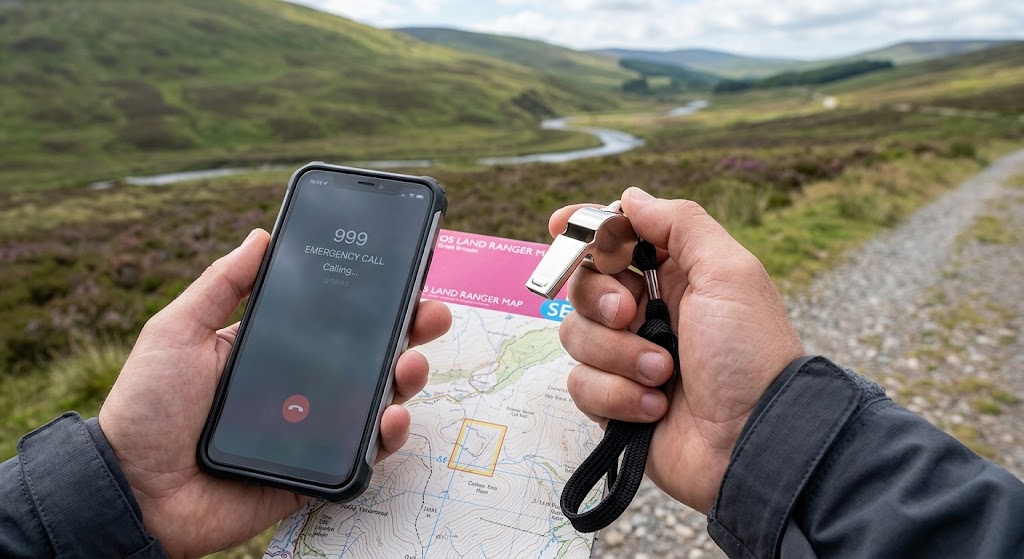
If you’re in danger or unable to get yourself to safety, call 999 or 112.
We’ve covered this in more detail in our guide:
What to Do If You Get Lost in a Forest
What If Someone Gets Injured?
The first priority is to make sure the scene is safe.
Don’t rush into a dangerous area simply because someone has fallen.
Once it’s safe, provide appropriate first aid and assess whether further help is required.
For a serious injury, call 999 or 112 and provide your location as accurately as possible.
This is another reason why knowing your route and carrying navigation equipment is so important.
Stay Aware of Your Surroundings
One of the best safety skills costs absolutely nothing.
Pay attention.
Look where you’re walking.
Listen for vehicles and machinery.
Notice changes in the weather.
Watch where your group is.
Look at signs.
Notice junctions.
Keep an eye on daylight.
Don’t spend your entire walk staring at your phone.
The more aware you are of your surroundings, the easier it is to notice when something isn’t right.
🌲 WOODLAND SKILL
Stop occasionally and ask yourself:
Where am I?
Where is my group?
What is the weather doing?
What is the ground like?
What happens if I need to turn around?
These simple checks can prevent small problems from becoming serious ones.
A Useful Scout Activity
Woodland safety can be turned into a simple observation game.
Take Scouts on a short walk and ask them to identify hazards without telling them what you’re looking for.
They might notice:
A slippery slope.
A fallen branch.
A stream.
A damaged fence.
A forestry warning sign.
A potential tick habitat.
An area where a fire would be inappropriate.
A confusing path junction.
Afterwards, discuss what they noticed and what they would do about each hazard.
This teaches Scouts to spot hazards for themselves, rather than simply memorising a list of rules.
Before You Enter the Woodland
A few minutes of preparation can make a big difference.
Check the weather.
Know your route.
Tell someone where you’re going.
Take appropriate clothing.
Carry water.
Take navigation equipment.
Know what to do if you become separated.
And think about what you’ll do if the activity takes longer than expected.
Good outdoor safety isn’t about expecting something to go wrong.
It’s about being prepared if it does.
Final Thoughts
UK woodlands are brilliant places to learn outdoor skills, explore nature and enjoy adventures.
You don’t need to be afraid of them.
You simply need to respect the environment you’re entering.
Stay aware of the weather.
Watch where you walk.
Give trees and wildlife space.
Be careful around water.
Take fire safety seriously.
Know how to navigate.
And always have a plan for what you’ll do if something goes wrong.
🌲 THE BIG IDEA
Respect the woodland and it becomes a much safer place to explore.
Plan your route.
Check the weather.
Carry the right equipment.
Stay aware.
Know your limits.
And if conditions become unsafe, don’t be afraid to turn back.
🔒Ready to test your survival skills?
Join Survival Guides UK for free, complete challenges, earn badges and increase your Survival Level.
JOIN FREE →
CRAIG BURR
FOUNDER · SURVIVAL GUIDES UK
I'm Craig, the person behind Survival Guides UK. I created SGUK because I wanted somewhere people could learn real outdoor skills in a practical, straightforward way — from lighting a fire and tying knots to navigation, campcraft and everything in between.
You can read more about the story behind SGUK here as well as our approach here.