
Survival Skills

Learn essential survival skills including shelter building, fire lighting, navigation, first aid, outdoor safety and practical skills to survive in the wilderness.

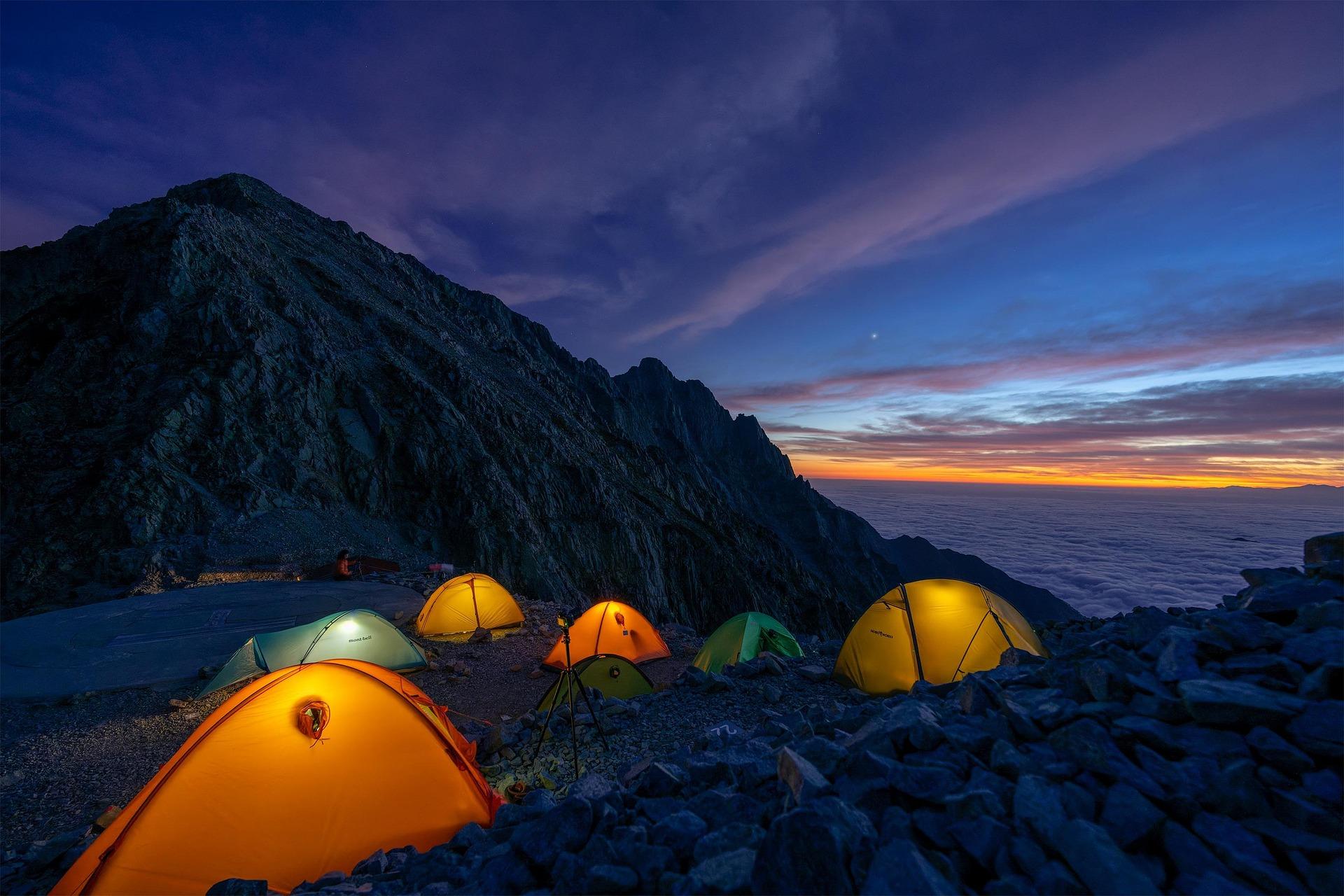
  • Night Navigation for Explorers

    ⚠️ SAFETY FIRST Navigation becomes a very different skill when the sun goes down. Familiar landmarks disappear. Distances become harder to judge. Paths can be more difficult to identify. Even a route that feels easy during the day can require much more concentration at night. That’s what makes night navigation such a useful challenge for…

  • Advanced Survival Skills for Explorers

    ⚠️ SAFETY FIRST Advanced survival activities should only be attempted with appropriate adult supervision, planning and risk assessment. Activities involving fire, water, tools, remote terrain or exposure to weather require particular care. Survival training should develop good decisions and safe habits, not encourage young people to deliberately put themselves into dangerous situations. Explorer Scouts are…

  • How to Teach Navigation to Children

    ⚠️ SAFETY FIRST Navigation activities should take place in an area appropriate for the age and experience of the group. Set clear boundaries and make sure leaders know where participants are at all times. Start with simple, controlled exercises before allowing children to navigate independently. For activities away from your meeting location, use appropriate supervision,…

  • How to Teach Knots to Children

    ⚠️ SAFETY FIRST Knots should be taught initially as a practical skill rather than for safety-critical applications. Children should not use knots to support people, climb, secure themselves at height or undertake other activities where a knot failure could cause serious injury unless they have been properly trained and supervised for that activity. Always use…

  • How to Store Food While Camping

    ⚠️ SAFETY FIRST Food can become unsafe surprisingly quickly when you’re camping, particularly during warm weather. Keep perishable food cold, prevent raw and cooked foods from contaminating each other, wash your hands before handling food and follow the storage instructions on packaged products. If food has been left at an unsafe temperature for too long…

  • Camping Mistakes Beginners Make

    ⚠️ SAFETY FIRST Camping involves sleeping outdoors, cooking, handling equipment and dealing with changing weather. Always follow campsite rules, fire-safety guidance and the instructions of your activity leader. Check the weather before setting out and make sure your equipment is suitable for the conditions you’re likely to encounter. Your first camping trip can be exciting….