
For Leaders

Practical resources for Scout leaders, including badge guidance, activity ideas, teaching tips, safety advice and resources to help Scouts develop essential skills.

  • How to Teach Navigation to Children

    ⚠️ SAFETY FIRST Navigation activities should take place in an area appropriate for the age and experience of the group. Set clear boundaries and make sure leaders know where participants are at all times. Start with simple, controlled exercises before allowing children to navigate independently. For activities away from your meeting location, use appropriate supervision,…
  • How to Teach Fire Lighting Safely

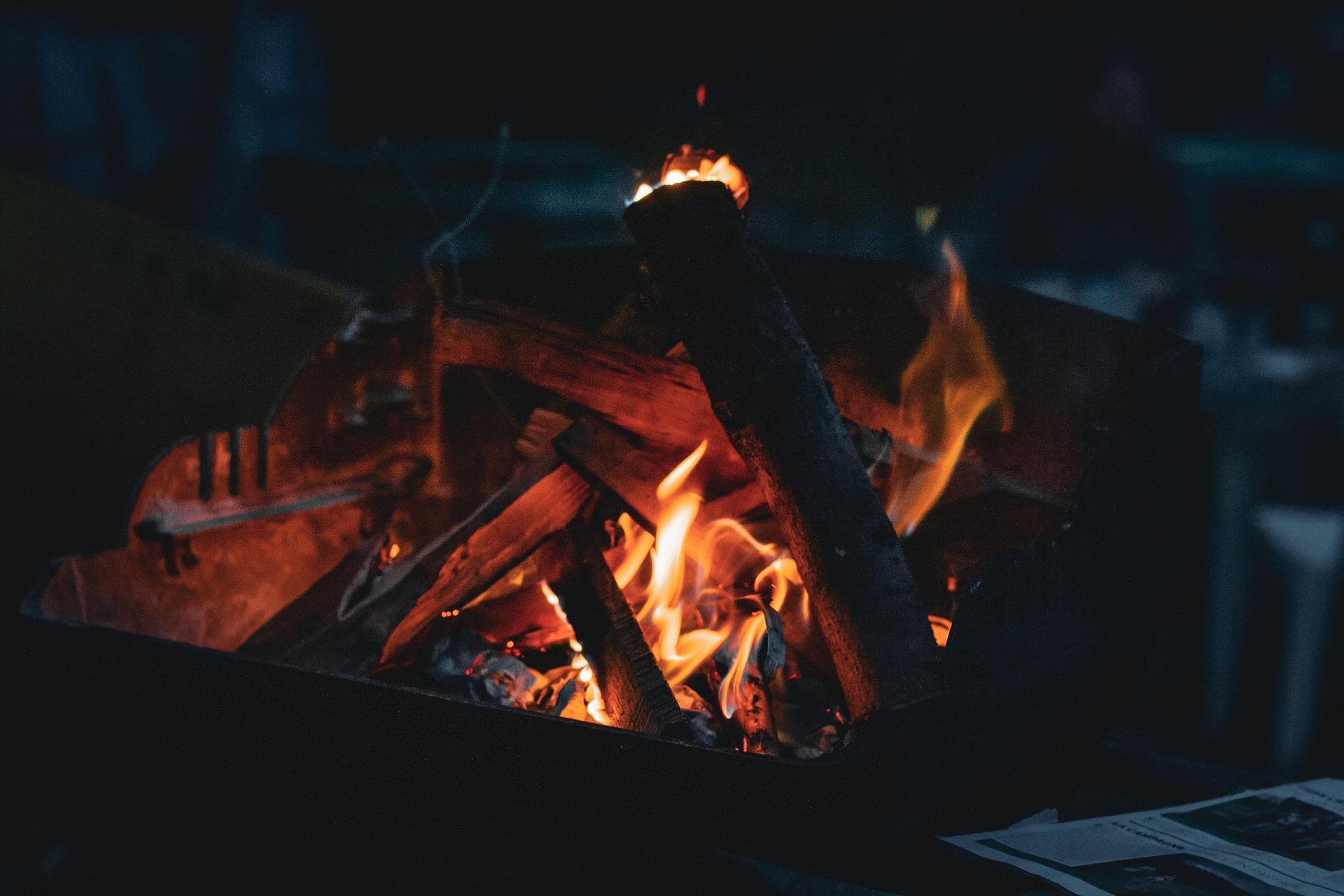
    ⚠️ SAFETY FIRST Fire lighting should only be taught with appropriate adult supervision, suitable equipment, a properly prepared fire area and permission to have a fire at the location. Always follow current Scout guidance, local restrictions and the landowner’s rules. Keep water or another suitable means of extinguishing the fire immediately available, and never leave…

  • How to Teach Shelter Building

    ⚠️ SAFETY FIRST Shelter-building activities should always be carried out in a suitable area with appropriate supervision. Check the site for unstable trees, branches, steep ground, water hazards, poisonous plants and other risks before beginning. Don’t allow children to climb trees or construct shelters that could collapse onto someone. Use only suitable materials and follow…

  • How to Make Outdoor Skills Fun

    ⚠️ SAFETY FIRST Outdoor skills should always be taught in a way that matches the age, ability and experience of the group. Activities involving fire, tools, water, heights or other hazards need appropriate supervision and safety controls. Making an activity fun should never mean making it unnecessarily risky. Outdoor skills are some of the most…

  • How to Teach Knots to Children

    ⚠️ SAFETY FIRST Knots should be taught initially as a practical skill rather than for safety-critical applications. Children should not use knots to support people, climb, secure themselves at height or undertake other activities where a knot failure could cause serious injury unless they have been properly trained and supervised for that activity. Always use…

  • Outdoor Games With No Equipment

    ⚠️ SAFETY FIRST Choose games that suit the age and ability of your group and the space available. Check the area for hazards before starting and establish clear boundaries. Stop the game if conditions become unsafe, particularly around roads, water, steep ground or other hazards. Sometimes the best outdoor activities are the simplest ones. You…

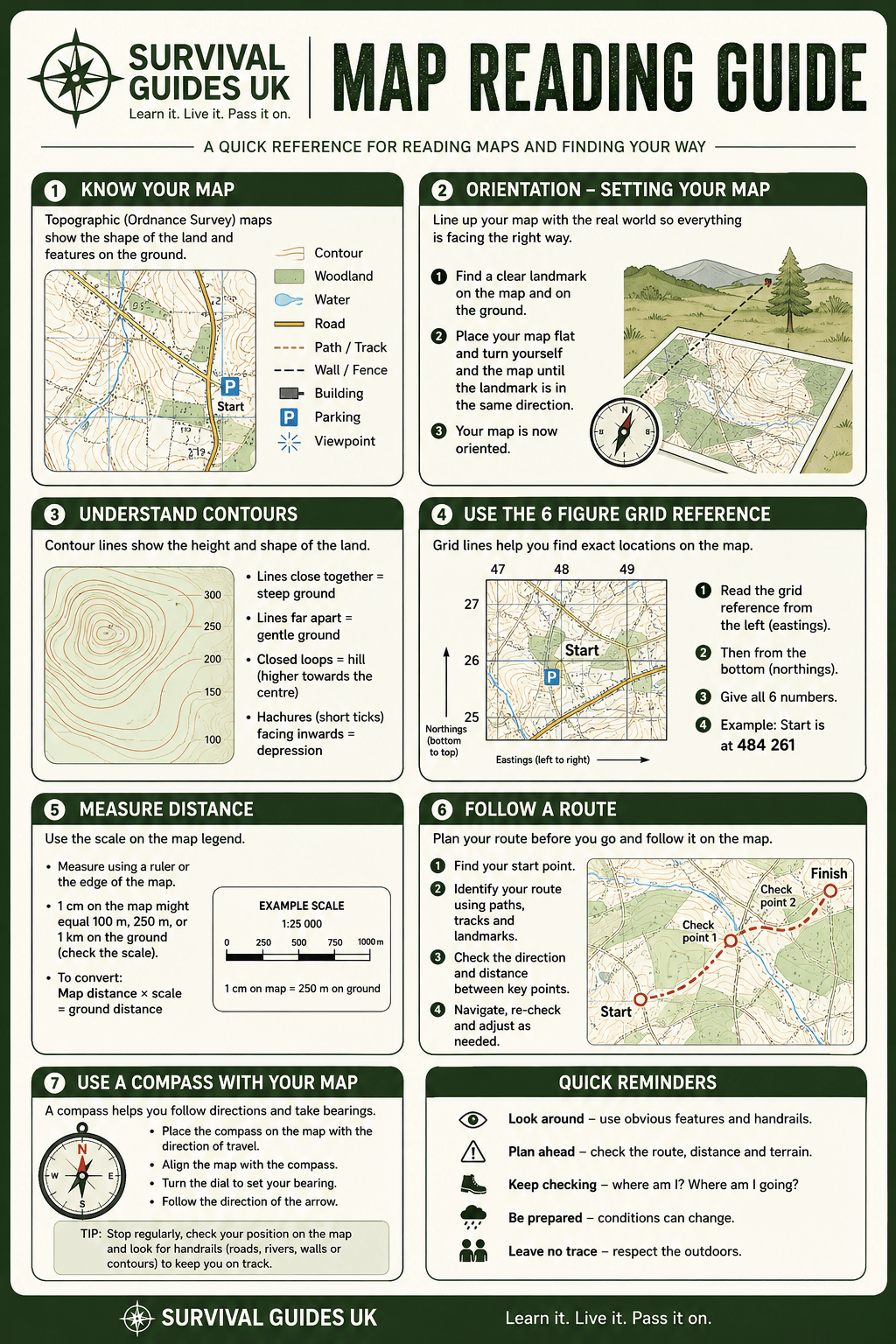
  • Map Reading Guide Printable

    Being able to read a map is one of the most useful outdoor skills you can learn. Whether you’re heading out hiking, taking part in Scouting activities, working towards an outdoor award or simply exploring the countryside, understanding a map can help you plan your route, recognise the terrain around you and navigate with confidence….

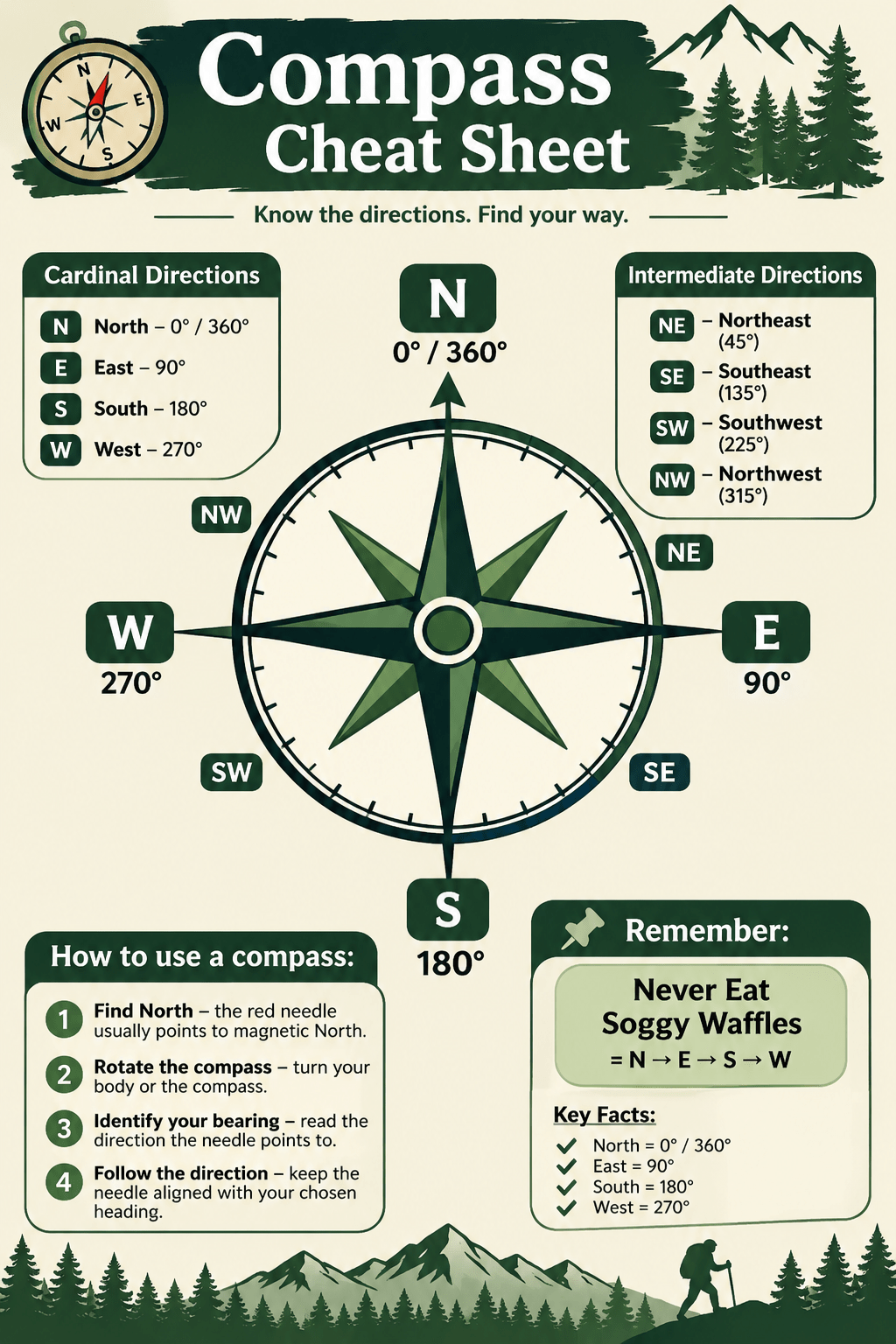
  • Compass Cheat Sheet Printable

    Compass Cheat Sheet Printable for Scouts Learning to use a compass is an essential navigation skill for Scouts and a useful skill for anyone who enjoys hiking, camping and exploring the outdoors. We’ve created this free printable compass cheat sheet as a quick reference for Scouts, parents and Scout leaders. It brings the key compass…

  • Camping Mistakes Beginners Make

    ⚠️ SAFETY FIRST Camping involves sleeping outdoors, cooking, handling equipment and dealing with changing weather. Always follow campsite rules, fire-safety guidance and the instructions of your activity leader. Check the weather before setting out and make sure your equipment is suitable for the conditions you’re likely to encounter. Your first camping trip can be exciting….

  • What to Do If Your Tent Leaks

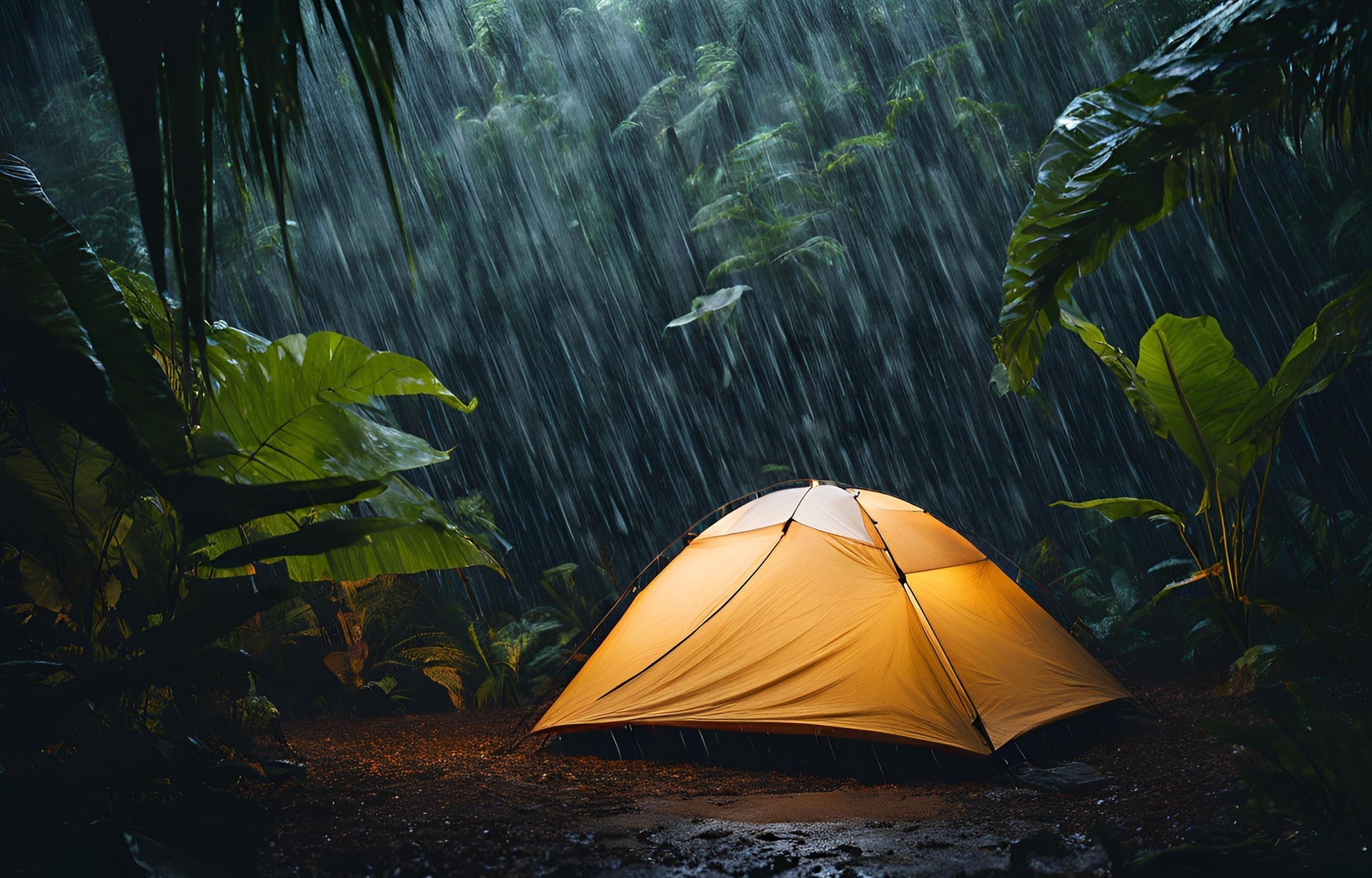
    ⚠️ SAFETY FIRST A leaking tent is inconvenient, but severe weather can become a genuine safety issue. If conditions include strong winds, flooding, lightning or other dangerous weather, don’t stay in an unsafe location simply because you want to keep the tent dry. Follow your group’s emergency procedures and move to a safer shelter if…