How to Build Your Outdoor Skills One Step at a Time
Outdoor skills can seem like a huge subject when you first start learning. There are maps and compasses, fires, shelters, knots, navigation, cooking, first aid, weather, water and plenty more besides. You don’t need to learn everything at once. In fact, trying to do so can make it harder to remember what you’ve learned. A much better approach is to build your skills gradually, adding one useful ability to the next.
Start With Skills You Will Actually Use
You don’t need to begin with the most complicated skill you can find. Start with something that fits the kind of outdoor activities you already enjoy.
If you go for walks, learning to read a map is useful. If you camp, understanding how to choose a good pitch or manage your shelter makes sense. If you enjoy woodland activities, learning about fire safety, knots or natural materials might be a good place to start.
The more often you have a reason to use a skill, the easier it is to remember.
Don’t Try to Learn Everything at Once
There is always another skill you could learn. That is part of what makes outdoor skills so interesting, but it can also become overwhelming.
Pick one thing and give yourself time to understand it properly. Once you are comfortable with it, move on to something that builds on what you already know.
You don’t need to know fifty skills badly. Knowing ten skills well is far more useful.
Learn the Basics Before the Advanced Stuff
I’ve been guilty of this in the past and it can be tempting to jump straight into advanced techniques because they look more interesting.
The basics matter, though. Before trying complicated navigation exercises, make sure you can confidently understand a map and use a compass. Before experimenting with more advanced fire-lighting techniques, make sure you understand how to build and manage a safe fire.
A strong foundation makes everything that comes afterwards easier.
Practise the Skill, Don’t Just Read About It
Reading about an outdoor skill is useful, but there comes a point where you need to actually do it.
You can read about map and compass navigation for hours, but that won’t give you the same understanding as standing outside with a map and working out where you are. The same applies to knots, shelters, fires and countless other skills.
You must give yourself opportunities to practise in realistic conditions. That’s when the information starts becoming something you can actually use and it all starts making sense.
Expect to Get Things Wrong
Learning a practical skill rarely goes perfectly the first time.
Your knot might come undone. Your fire might go out. You might take the wrong direction on a route. Your first attempt at something may look nothing like the example you were aiming for.
That’s normal. It’s nothing to get frustrated about.
Instead of seeing mistakes as proof that you aren’t good at something, use them to work out what needs changing. Sometimes a failed attempt teaches you more than a successful one.
Build Skills That Work Together
Outdoor skills become much more useful when you start combining them.
Navigation helps you plan a route. Understanding weather helps you decide whether that route is sensible. Knowing how to manage your clothing helps you stay comfortable while you’re out. Knowing how to make an emergency shelter gives you another option if your plans change.
You don’t have to learn these connections separately. As you gain experience, you’ll naturally start seeing how different skills support each other.
Practise in Easy Conditions First
You don’t need to wait for terrible weather or a difficult expedition to test yourself.
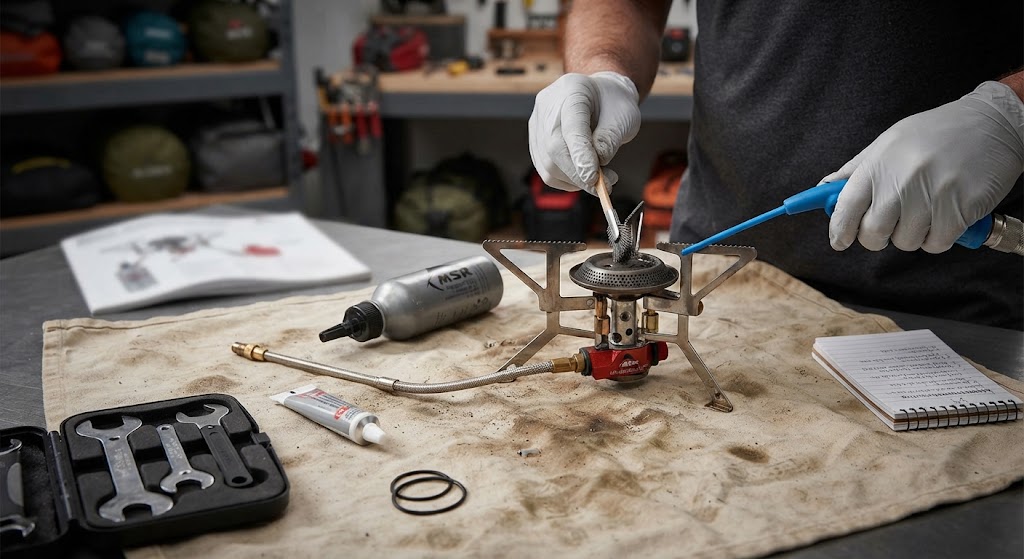
Practise navigation on a familiar route before relying on it somewhere unfamiliar. Try putting up your shelter in daylight before discovering how it works in heavy rain. Learn how to use your stove or other equipment before you need it.
Once you’re comfortable with a skill, gradually introduce more challenging conditions.
Revisit Skills You Haven’t Used
Outdoor skills, like any other skillset can become rusty.
You might learn how to take a bearing and then not use a compass for six months. You may know several useful knots but forget which one is best for a particular job. Something that once felt easy can suddenly require a bit of thought again.
That doesn’t mean you’ve lost the skill. A little regular practice can bring it back surprisingly quickly.
Keep Making Things Slightly Harder
Once you are comfortable with something, give yourself a small new challenge.
If you can follow a marked route, try planning your own. If you can navigate with a map in good weather, practise when visibility is poorer. If you can put up your tent quickly at home, try doing it on a real trip when conditions aren’t quite as convenient.
The aim isn’t to make things unnecessarily difficult. It’s to gradually move beyond what feels completely familiar.
Learn to Solve Problems, Not Just Follow Instructions
Knowing how to follow a set of instructions is useful, but outdoor situations don’t always follow the instructions.
The weather might change. Equipment might fail. A path might be blocked. You might realise that the route you planned isn’t suitable for the conditions.
As your skills develop, start asking yourself questions such as, “What would I do if this didn’t work?” and “What other options do I have?”
That way, you’re learning how to think outdoors as well as learning individual skills.
Use Every Trip as Practice
You don’t need to organise a special training day every time you want to improve.
A normal walk can become an opportunity to practise navigation. A camping trip can help you improve your campcraft. Even a short local outing can give you a chance to pay more attention to weather, terrain, route planning or your surroundings.
Small amounts of practice add up.
Follow a Simple Skill-Building Plan
If you’re not sure what to learn first, give yourself a simple progression rather than trying to tackle everything at once.
Weeks 1–2: Get comfortable outdoors
Start with the basics that make outdoor trips easier. Practise packing your rucksack, choosing suitable clothing, checking the weather and looking after your equipment. The aim is to become more comfortable with being outside and understanding what you actually need.
Weeks 3–4: Improve your navigation
Learn the basic features of a map and practise relating the map to the landscape around you. If you have a compass, start learning how to use it properly. Begin somewhere familiar so you can concentrate on the skill rather than worrying about getting completely lost.
Weeks 5–6: Work on campcraft
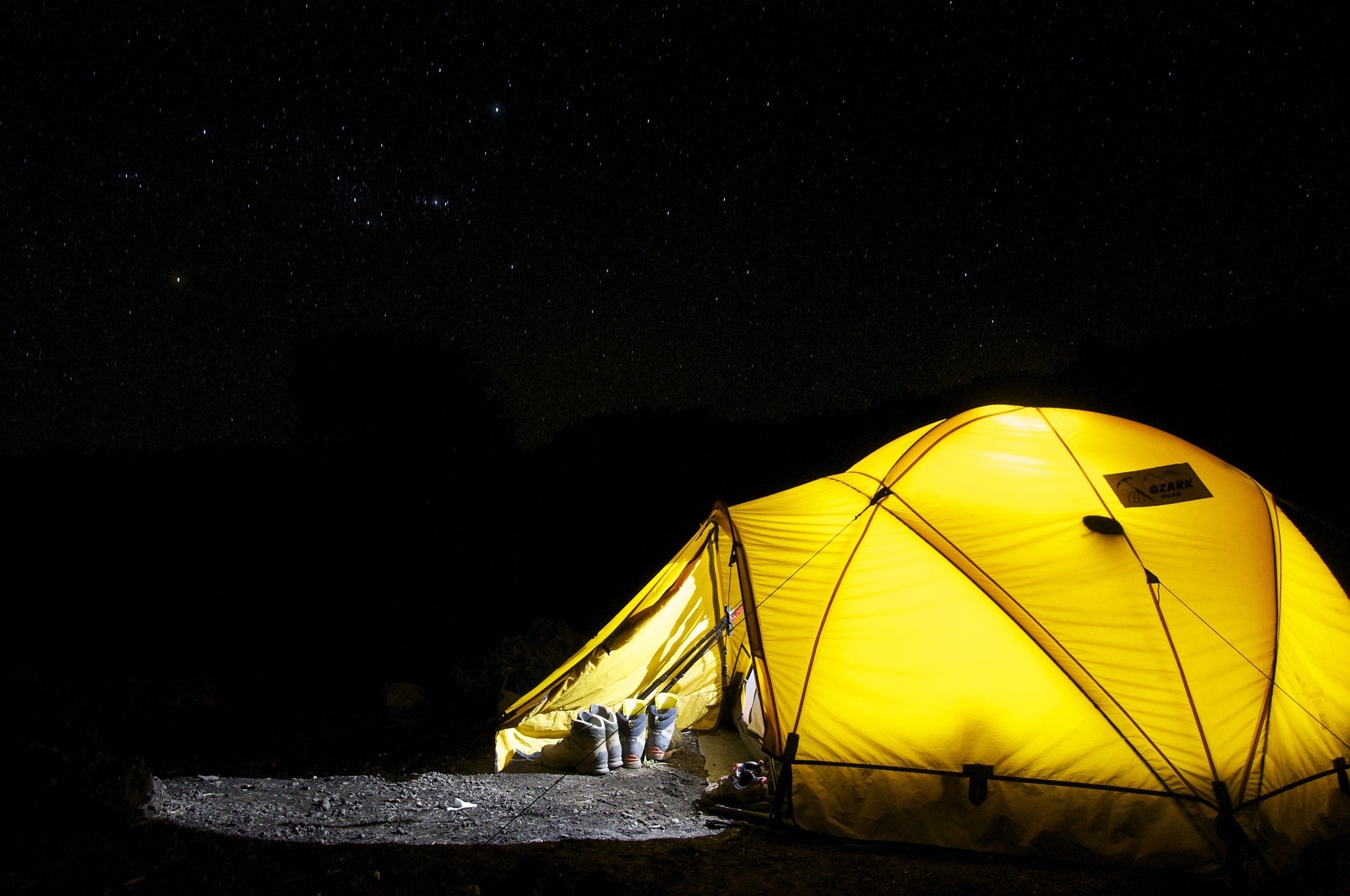
Practise putting up your tent, organising your kit, choosing a suitable pitch and managing your campsite. If you’re learning knots or other practical skills, spend a little time practising them rather than simply reading about them.
Weeks 7–8: Add practical problem-solving
Start thinking about what you would do if something didn’t go according to plan. Practise dealing with small equipment problems, changing your route and making sensible decisions when the weather or conditions aren’t what you expected.
After that: Combine your skills
Take what you’ve learnt and use several skills on the same trip. Plan a route, check the weather, pack your equipment, navigate without constantly relying on your phone and review how the trip went afterwards.
You don’t have to follow these timescales exactly. Spend longer on a skill if you need to, or move on sooner if you’re already comfortable with it. The important part is having a clear next step rather than trying to learn everything at once.
Keep Track of What You’ve Learned
It can be useful to keep a simple record of the skills you’ve worked on.
You might write down what you’ve learnt, what you can now do confidently and what you still need to practise. You could also make a note of something that didn’t work particularly well so you remember to try a different approach next time.
Seeing that list grow can be encouraging, especially when you’re starting out and it feels like there is an enormous amount to learn.
Don’t Compare Your Progress With Someone Else’s
Outdoor skills develop at different speeds.
Someone else may have been camping since they were a child, while you might be learning everything from scratch. Comparing your progress with theirs doesn’t tell you much about your own ability.
A better question is whether you know more and can do more than you could a few months ago.
That is real progress and it is certainly the only progress you need to be worrying about.
Turn Knowledge Into Confidence
Confidence doesn’t usually appear because you’ve read enough information. It comes from knowing what to do and having enough practice to trust yourself.
That doesn’t mean believing you can handle every situation. Good outdoor confidence includes knowing your limits, recognising when something is beyond your experience and being willing to change your plans.
The more skills you develop, the more familiar different situations become.
Keep Going One Skill at a Time
There will always be another outdoor skill to learn, which is part of the fun.
You might start by learning to read a map, then move on to using a compass, planning a route and eventually navigating somewhere unfamiliar without relying on your phone. One skill leads naturally to another.
You don’t need to rush through that process. Pick something useful, learn the basics, practise it, make mistakes, try again and then build on it.
That’s how a collection of individual skills gradually becomes real outdoor ability.
🔒Ready to test your survival skills?
Join Survival Guides UK for free, complete challenges, earn badges and increase your Survival Level.
JOIN FREE →
CRAIG BURR
FOUNDER · SURVIVAL GUIDES UK
I'm Craig, the person behind Survival Guides UK. I created SGUK because I wanted somewhere people could learn real outdoor skills in a practical, straightforward way — from lighting a fire and tying knots to navigation, campcraft and everything in between.
You can read more about the story behind SGUK here as well as our approach here.