How to Prepare Your Child for Their First Scout Camp
Going away on their first Scout camp can be a big moment for a child.
For some children, the idea of sleeping in a tent, spending time outdoors and being away from home is incredibly exciting. For others, it can feel a little daunting.
As a parent, there are plenty of things you can do to make the experience easier.
The key is preparation. Your child doesn’t need to know everything about camping before they arrive, but knowing what to expect, understanding their equipment and feeling confident about being away from home can make a huge difference.
Talk About What Will Happen
One of the easiest ways to reduce nerves is to talk through the camp beforehand.
Your child may already have a good idea of what Scout camp involves, particularly if they’ve been to meetings or day activities, but sleeping away from home can feel very different.
Talk about things such as:
Try to keep the conversation positive without pretending that everything will be perfect.
It’s perfectly normal for a child to feel nervous about doing something new.
Let Them Help Pack
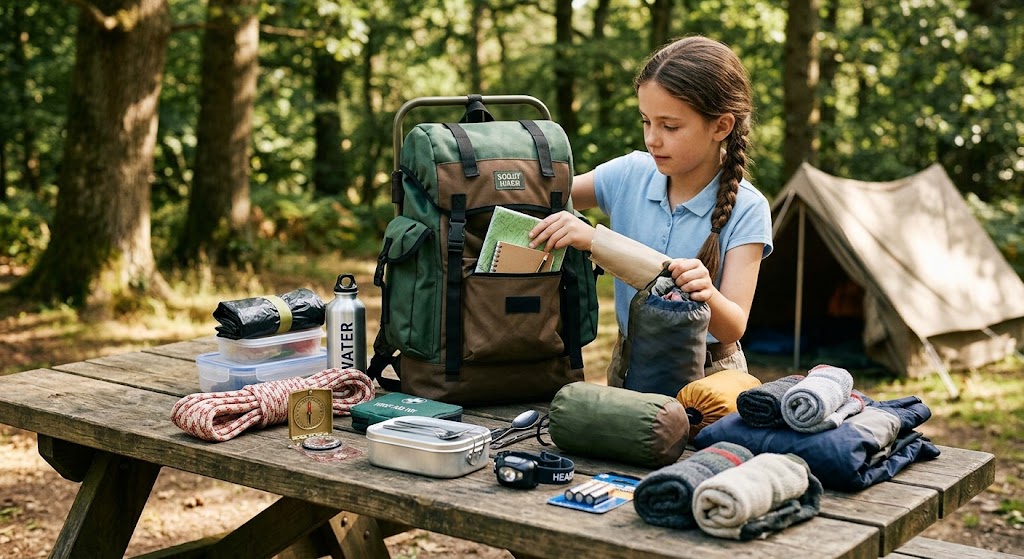
Packing shouldn’t be something that happens entirely behind closed doors.
Get your child involved and let them see exactly what they’re taking.
This is particularly important because they may need to find things themselves once they’re at camp.
Go through their equipment together and show them where everything is.
For example, make sure they know where to find:
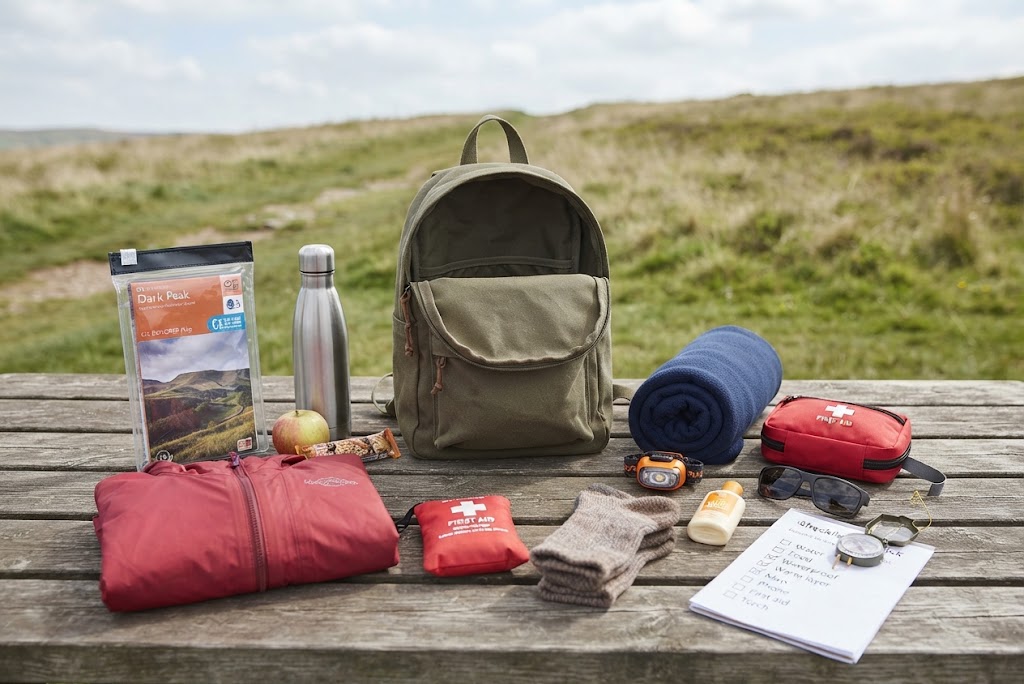
Our Scout camp packing list can also be used as a starting point when preparing their equipment.
The more familiar they are with their kit, the more confident they are likely to feel.
Practise Using Their Equipment
Buying camping equipment is one thing. Knowing how to use it is another.
If your child has a new sleeping bag, let them practise getting in and out of it at home.
If they’ve got a new headtorch, let them try it before the camp.
If they’re taking a new rucksack, let them wear it while carrying some of their equipment.
You can even have a practice night in the garden if you have suitable space.
This doesn’t need to become a major expedition. The aim is simply to make unfamiliar equipment feel familiar.
Have a Practice Night
A garden camping night can be a great way to introduce your child to sleeping outdoors.
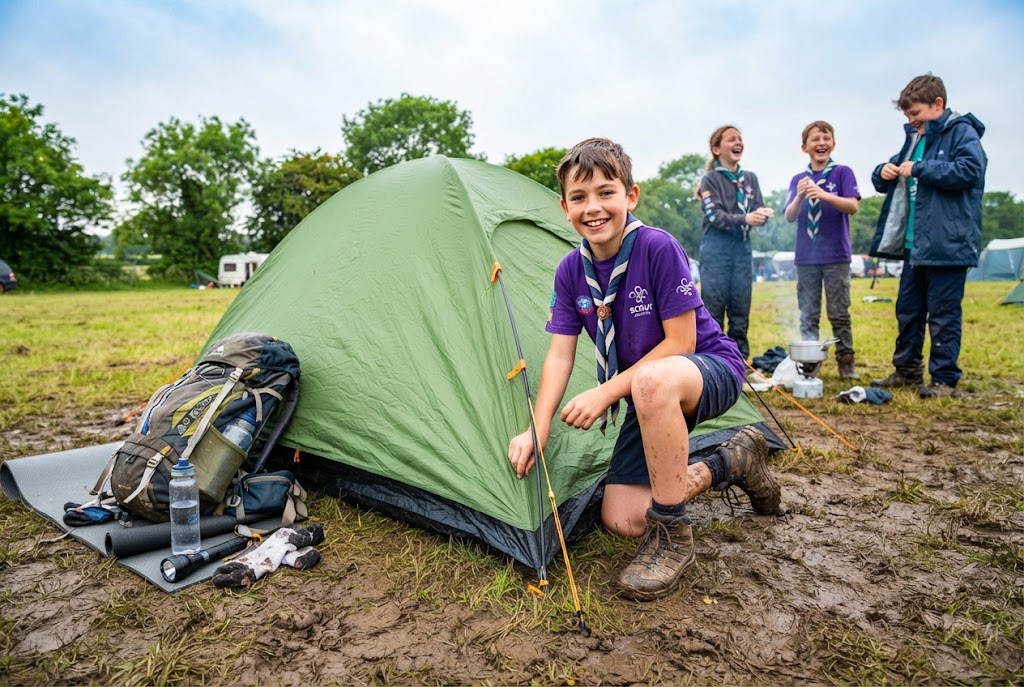
Set up the tent and let your child experience some of the things they’ll encounter at Scout camp.
They can practise:
A practice night isn’t essential, and it won’t suit every child, but it can be particularly useful if your child has never slept outdoors before.
Make Sure They Have Suitable Clothing
British weather can be unpredictable, so clothing is an important part of preparing for Scout camp.
Rather than relying on one thick coat, it’s generally more useful to have several layers that can be added or removed as conditions change.
Make sure your child has suitable:
Most importantly, make sure they know when to put their waterproofs on.
A waterproof jacket sitting at the bottom of a rucksack isn’t much use when the rain starts.
Teach Them What to Do If They Get Wet
Children don’t always appreciate how quickly wet clothing can become uncomfortable.
Before camp, explain why it’s important to change out of wet clothing when possible and keep spare clothes somewhere dry.
Pack spare socks in a waterproof bag so they have a dry pair available if their feet get wet.
It’s also useful to teach them not to put wet clothing back with their clean clothing.
A couple of strong bags for separating wet or dirty items can make this much easier.
Talk About Homesickness
Homesickness is one of the things many parents worry about before their child’s first camp.
It’s important to let your child know that missing home is normal.
Rather than telling them, “You won’t get homesick”, it can be more reassuring to say that they might miss home and that this is completely OK.
Explain that if they feel unhappy or worried, they should talk to one of the adult leaders.
They don’t have to deal with difficult feelings on their own.
Don’t Promise to Pick Them Up
It can be tempting to tell a nervous child:
“If you don’t like it, I’ll come and get you.”
Although this may seem reassuring, it can sometimes make it harder for a child to settle.
Instead, reassure them that there will be adults available to help them and that they can talk to a leader if they’re worried.
Of course, if there is a genuine problem or the Scout leaders contact you, you should follow their advice.
The aim is to give your child confidence that they can cope rather than making leaving early the plan before camp has even started.
Make Sure They Know Who to Ask for Help
Your child should know that they can always speak to an adult leader if something is wrong.
Before camp, remind them that it’s OK to ask for help if:
Asking for help isn’t failing. It’s an important outdoor skill.
Keep Valuables at Home
A Scout camp isn’t the ideal place for expensive or sentimental possessions.
Unless the Scout group specifically permits or requires something, leave valuable items at home.
This includes expensive watches, jewellery, unnecessary electronics and anything your child would be extremely upset to lose.
Camping can be muddy, wet and chaotic. Equipment gets moved around, and belongings can easily be misplaced.
Keeping things simple reduces the risk of problems.
Talk About Basic Outdoor Safety
Your child doesn’t need to become a survival expert before their first camp.
However, they should understand a few basic safety principles.
Make sure they know:
The purpose isn’t to frighten your child about outdoor risks.
It’s about giving them simple rules that help them make sensible decisions.
Let Them Make Some Decisions
Preparing for camp is also a good opportunity to encourage independence.
Let your child make some decisions about their equipment where appropriate.
They might choose:
Small decisions help children develop confidence in looking after themselves.
Don’t Buy Everything at Once
If this is your child’s first Scout camp, you may be tempted to buy a complete set of expensive camping equipment.
You probably don’t need to.
Start with the essentials and use the Scout group’s equipment list as your guide.
Some items may already be available from the group, while other equipment can potentially be borrowed or bought second-hand.
As your child attends more camps, you’ll quickly discover which pieces of equipment are genuinely useful.
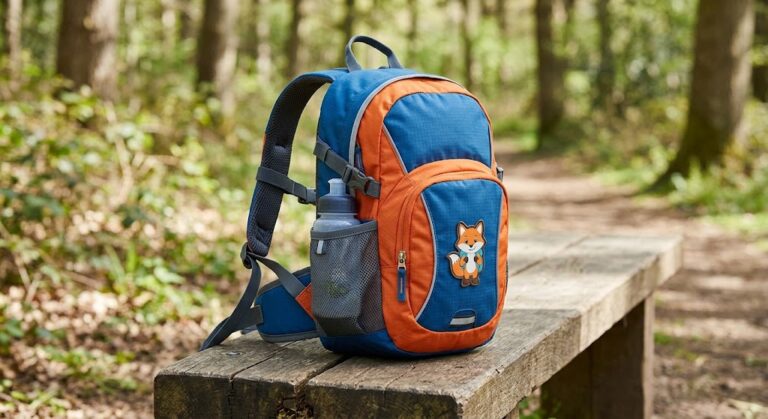
Help Them Understand Their Rucksack
A child’s rucksack should be manageable for them to carry.
Avoid filling it with unnecessary items simply because there is space.
Before leaving home, have your child put the rucksack on and walk around with it.
Check that:
A well-organised rucksack can make the whole camping experience easier.
Stay Positive on the Day
Your attitude on the day of camp can make a difference.
If you’re visibly worried or repeatedly asking whether your child is sure they want to go, they may start to wonder whether there is something to be worried about.
Instead, keep things positive and matter-of-fact.
Remind them that they’ve prepared, they’ve got their equipment and their leaders are there to help.
A simple “Have a great time — I’ll see you when you get back” can be more reassuring than a long emotional goodbye.
After the Camp, Ask About Their Experience
When your child gets home, give them time to tell you about the experience.
Don’t worry if their first response is simply:
“I’m tired.”
Camping can be exhausting.
Later, ask them what they enjoyed, what they found difficult and whether there’s anything they would change next time.
Their answers can help you prepare for future camps and gradually improve their equipment.
You may also discover that something you thought was important wasn’t needed at all, while something you overlooked turns out to be extremely useful.
Preparing for a First Scout Camp Doesn’t Have to Be Complicated
The most important thing is to make sure your child knows what to expect, understands their equipment and knows who to ask for help.
They don’t need to be an experienced camper before their first Scout camp.
That’s what the experience is for.
With a little preparation, a sensible kit list and plenty of encouragement, their first camp can be an opportunity to develop confidence, independence and practical outdoor skills.
And if they come home muddy, tired and full of stories, that’s probably a sign they’ve had a pretty good time.
🔒Ready to test your survival skills?
Join Survival Guides UK for free, complete challenges, earn badges and increase your Survival Level.
JOIN FREE →
CRAIG BURR
FOUNDER · SURVIVAL GUIDES UK
I'm Craig, the person behind Survival Guides UK. I created SGUK because I wanted somewhere people could learn real outdoor skills in a practical, straightforward way — from lighting a fire and tying knots to navigation, campcraft and everything in between.
You can read more about the story behind SGUK here as well as our approach here.