How to Look After Your Outdoor Equipment
Outdoor equipment doesn’t have to be expensive to be useful, but it does need looking after. A muddy pair of boots, a wet jacket or a camping stove left dirty after a trip can quickly become a problem the next time you need it.
Learning to look after your own equipment is one of those simple skills that becomes more important as you spend more time outdoors. It also means you can start taking responsibility for your own kit rather than relying on someone else to find everything for you.
What You’ll Learn
You’ll learn some simple habits that will help you keep your outdoor equipment clean, dry, organised and ready for your next adventure.
Know What You’ve Got
Before you can look after your equipment, you need to know what you actually have.
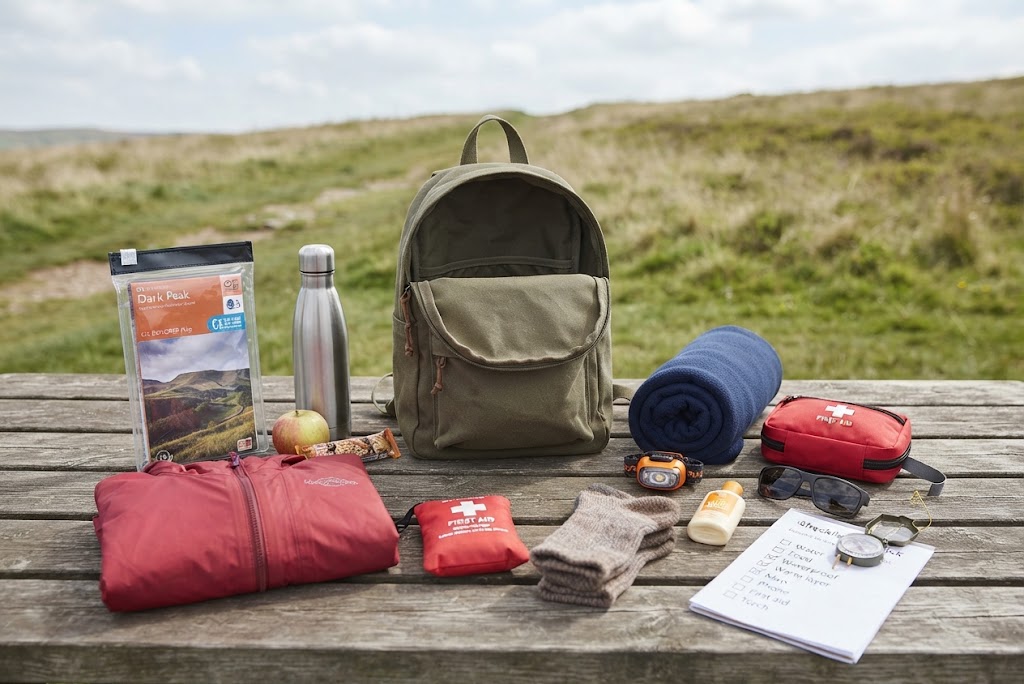
Get into the habit of checking your bag and equipment before and after an activity. You might find that something needs cleaning, drying, repairing or replacing.
This is particularly useful before a camping trip. Finding a damaged waterproof jacket at home is much better than discovering it halfway through a wet walk.
Keep Things Clean
Outdoor equipment gets dirty. That’s part of being outdoors.
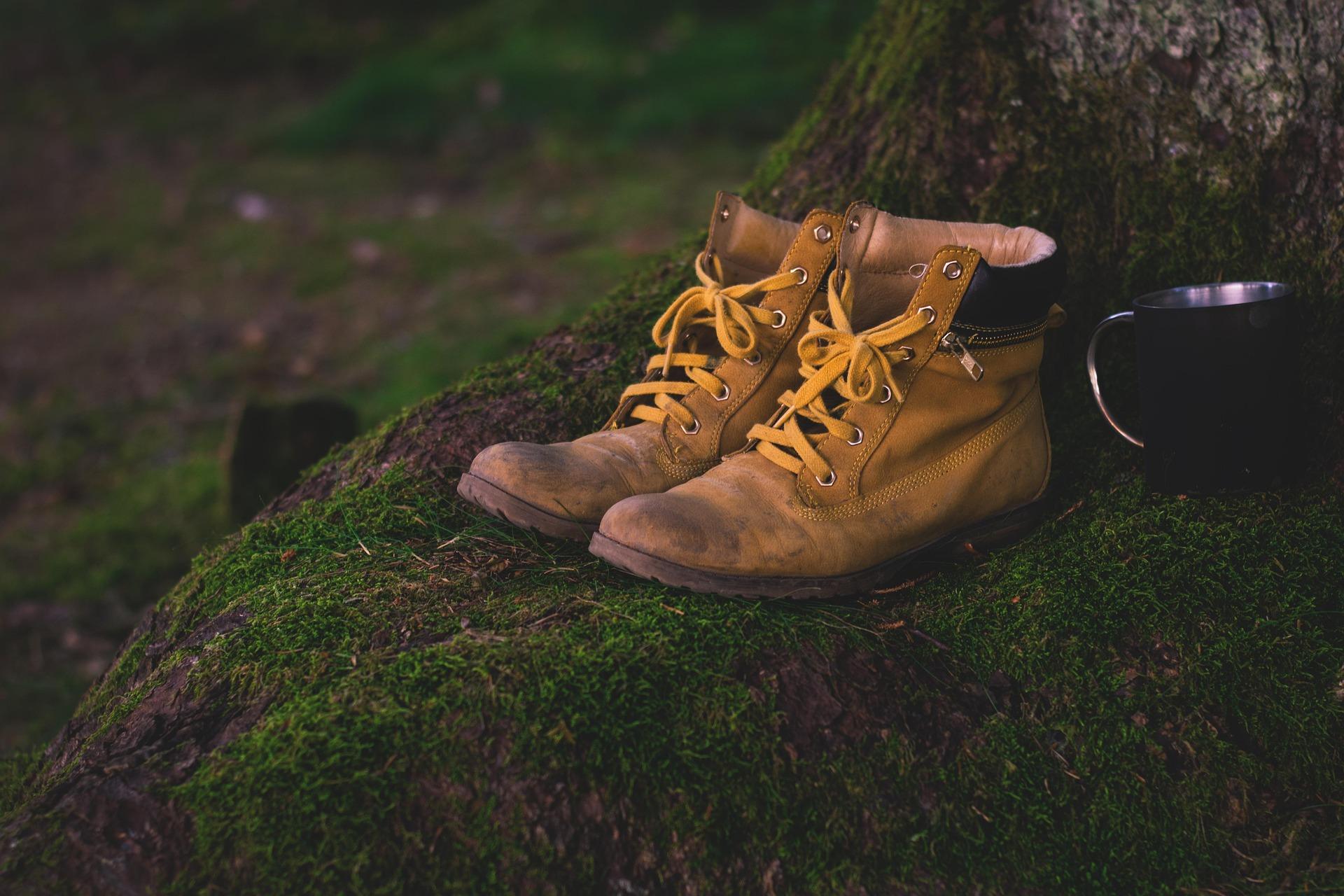
Mud on boots, dirt on bags and food around cooking equipment aren’t necessarily a problem, but leaving them there can damage equipment over time.
Clean things in the way the manufacturer recommends and don’t use harsh cleaning products unless they’re suitable for that particular item.
Dry Wet Equipment
Putting wet equipment away in a cupboard or bag is a good way to end up with unpleasant smells and damaged kit.
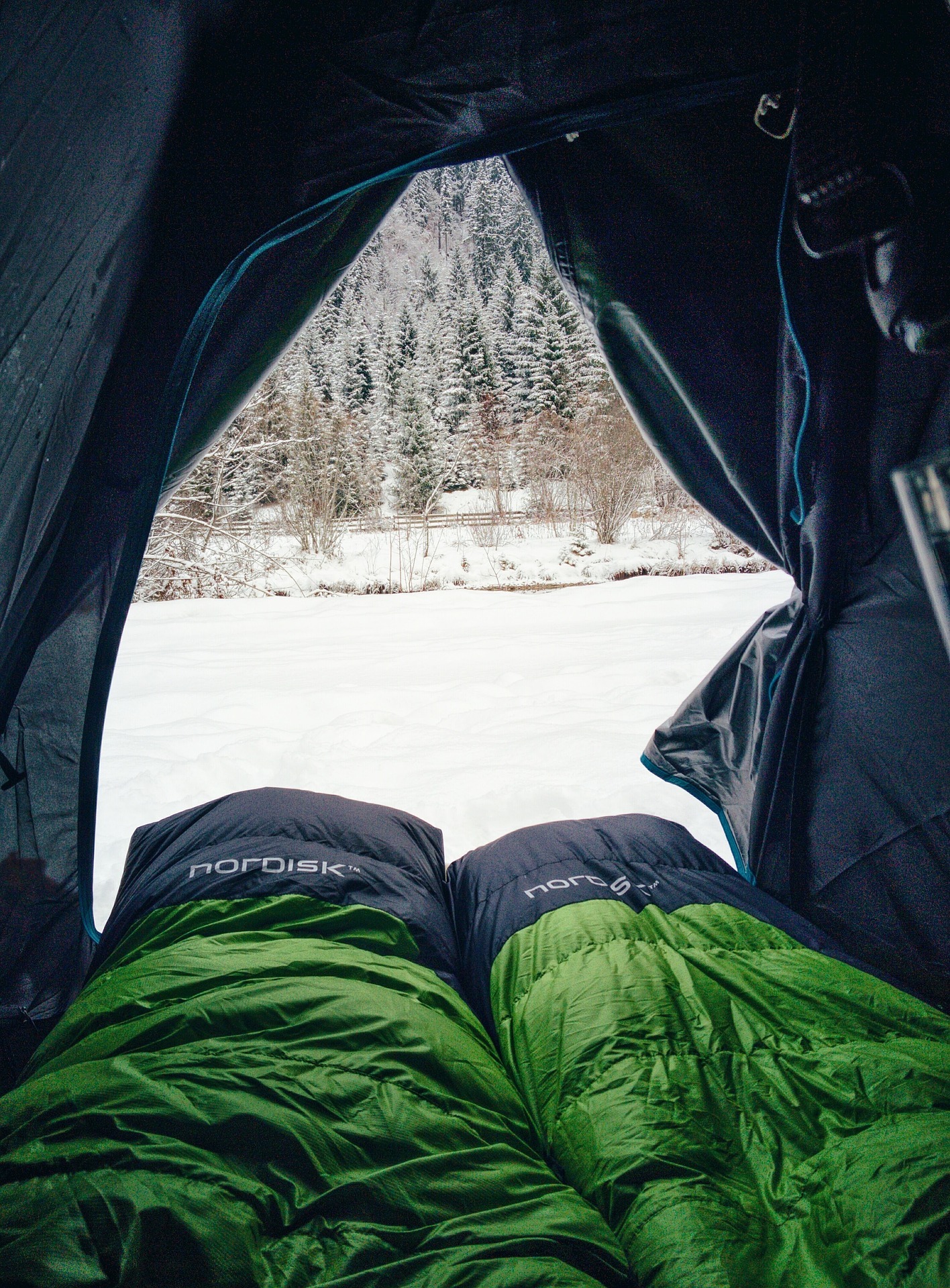
When you get home, give wet clothing, tents and other suitable equipment time to dry properly before storing them.
Don’t simply leave a wet tent packed away until your next camping trip. Open it out somewhere suitable and allow it to dry completely.
Put Things Back Where They Belong
One of the easiest ways to lose outdoor equipment is to never have a proper place for it.
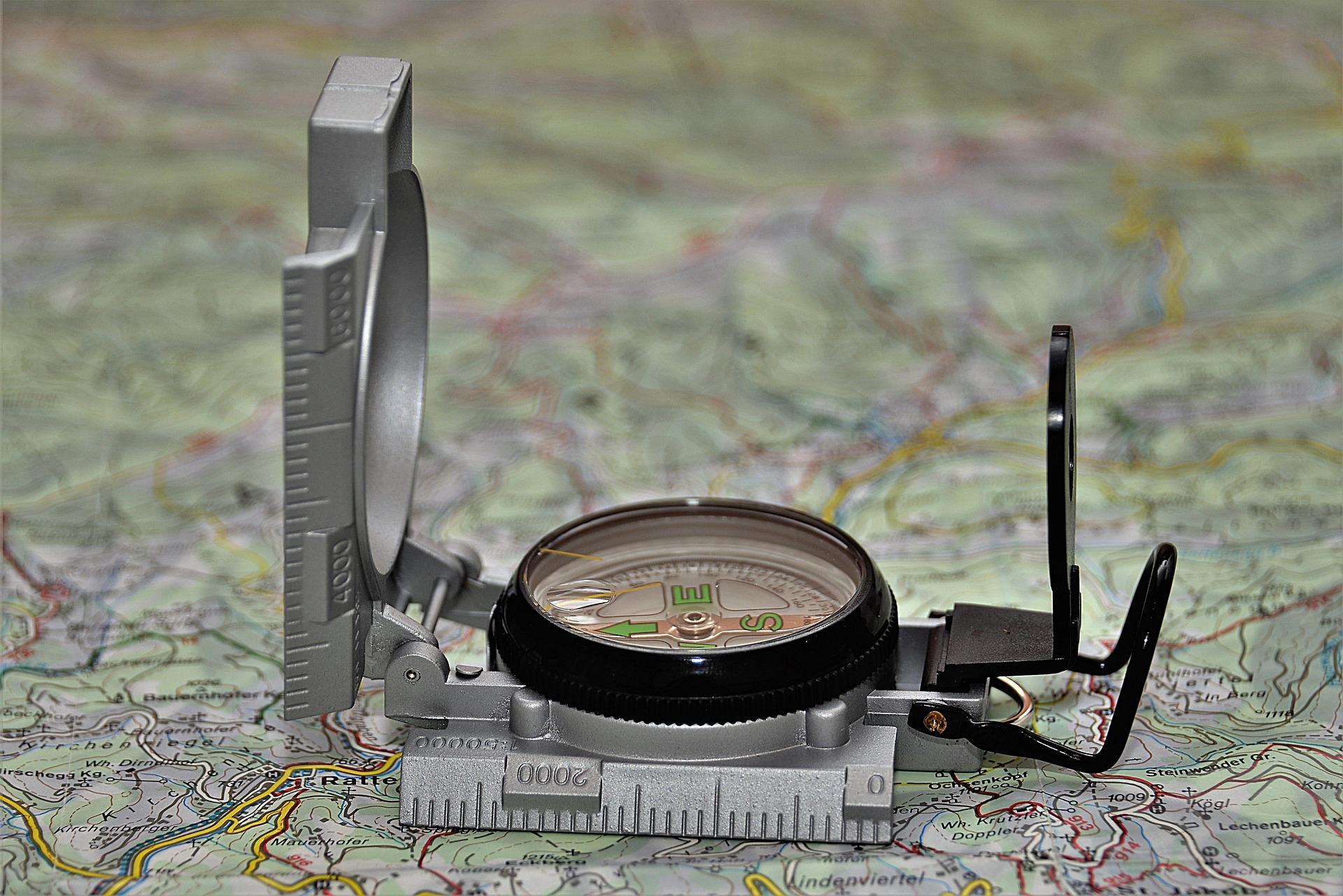
Try to keep similar things together. Keep camping equipment with camping equipment, navigation items together and personal outdoor clothing somewhere you can easily find it.
That way, when someone says, “Where’s the compass?”, you have a much better chance of knowing the answer.
Check Before Your Next Adventure
Don’t wait until you’re standing outside to discover that something is missing.
Before an activity, check the equipment you’ll need and make sure it is ready to use. If something is damaged or you aren’t sure how to use it, tell a responsible adult.
Looking after equipment also means knowing when something should not be used.
Final Tip
Taking care of your equipment might not feel like the most exciting outdoor skill, but it is one you’ll use again and again.
Good explorers look after their kit because they know that reliable equipment makes outdoor adventures easier, safer and more enjoyable.
🔒Ready to test your survival skills?
Join Survival Guides UK for free, complete challenges, earn badges and increase your Survival Level.
JOIN FREE →
CRAIG BURR
FOUNDER · SURVIVAL GUIDES UK
I'm Craig, the person behind Survival Guides UK. I created SGUK because I wanted somewhere people could learn real outdoor skills in a practical, straightforward way — from lighting a fire and tying knots to navigation, campcraft and everything in between.
You can read more about the story behind SGUK here as well as our approach here.