How to Leave a Fire Site Safe
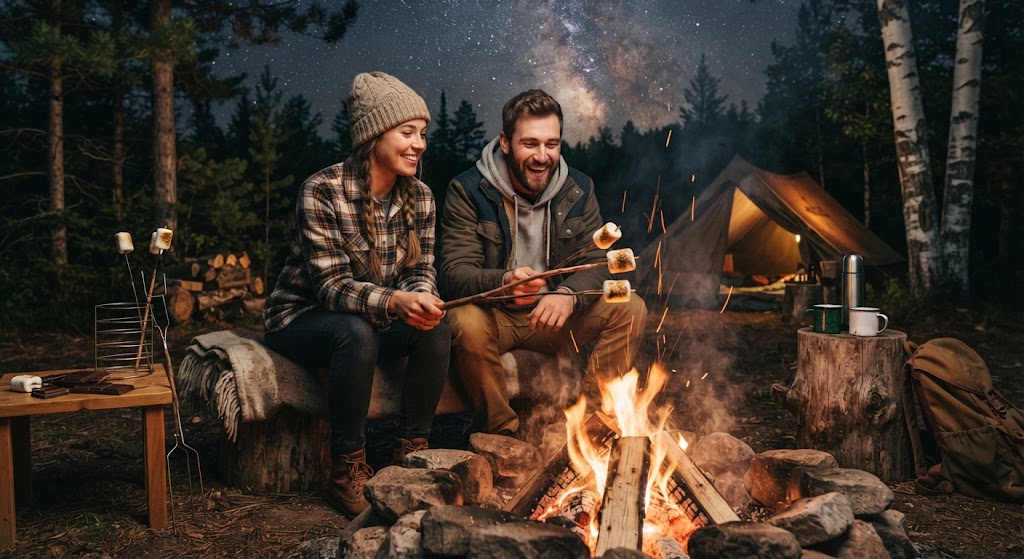
Having a fire outdoors can be one of the most enjoyable parts of camping, but the job isn’t finished when you stop cooking or decide you’re ready to leave. A fire that looks like it has gone out can still contain hot embers capable of starting another fire.
Learning how to leave a fire site safe is an important part of responsible fire use. It means making sure the fire is completely out, checking the area carefully and leaving the site in a safe condition for the next person.
What You’ll Learn
By the end of this guide, you should understand:
- Why a fire needs to be completely extinguished
- How to help safely put out a campfire
- Why hot embers can be dangerous
- How to check the fire site before leaving
- Why the area should be left clean and safe
Stop Adding Fuel
When you’re finished with the fire, stop adding wood and allow it to burn down under supervision.
Don’t leave a large fire burning simply because you’re ready to go. If you know you will be finishing soon, avoid putting more fuel on it and allow the flames and remaining wood to reduce.
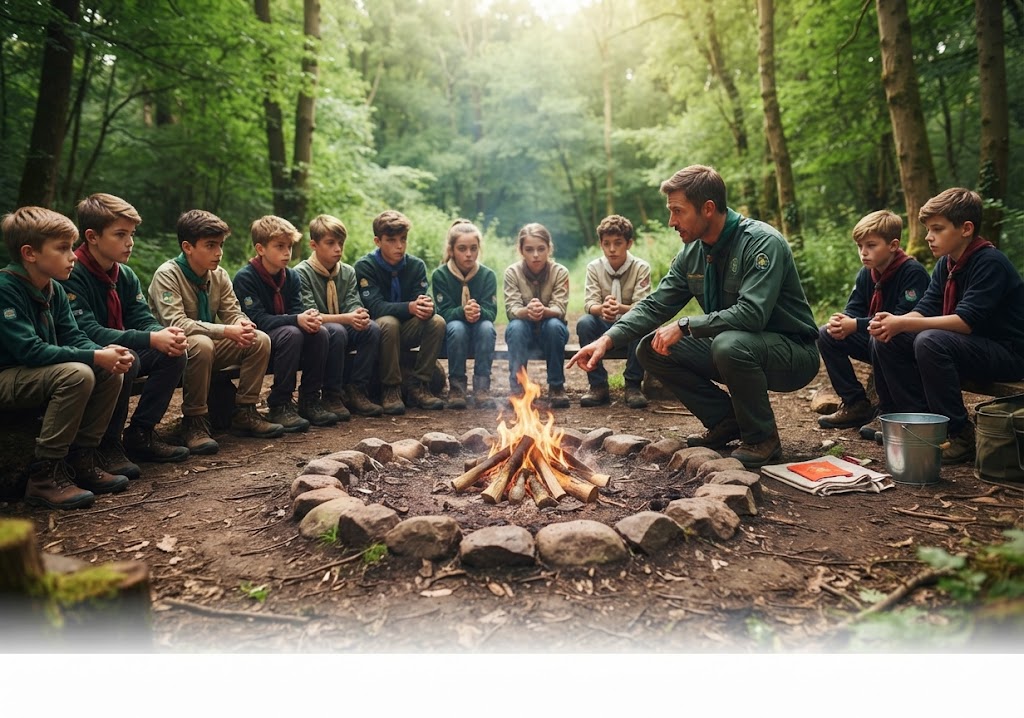
A responsible adult should supervise the fire throughout this process.
Extinguish the Fire Properly
Follow the fire safety instructions for the campsite or fire area you’re using.
Water is commonly used to extinguish campfires, but the correct method depends on the type of fire, the location and the equipment being used. Never experiment with extinguishing methods yourself. A responsible adult should take charge and make sure the fire is completely out.
Don’t assume that because you can no longer see flames, the fire is safe.
Check for Heat
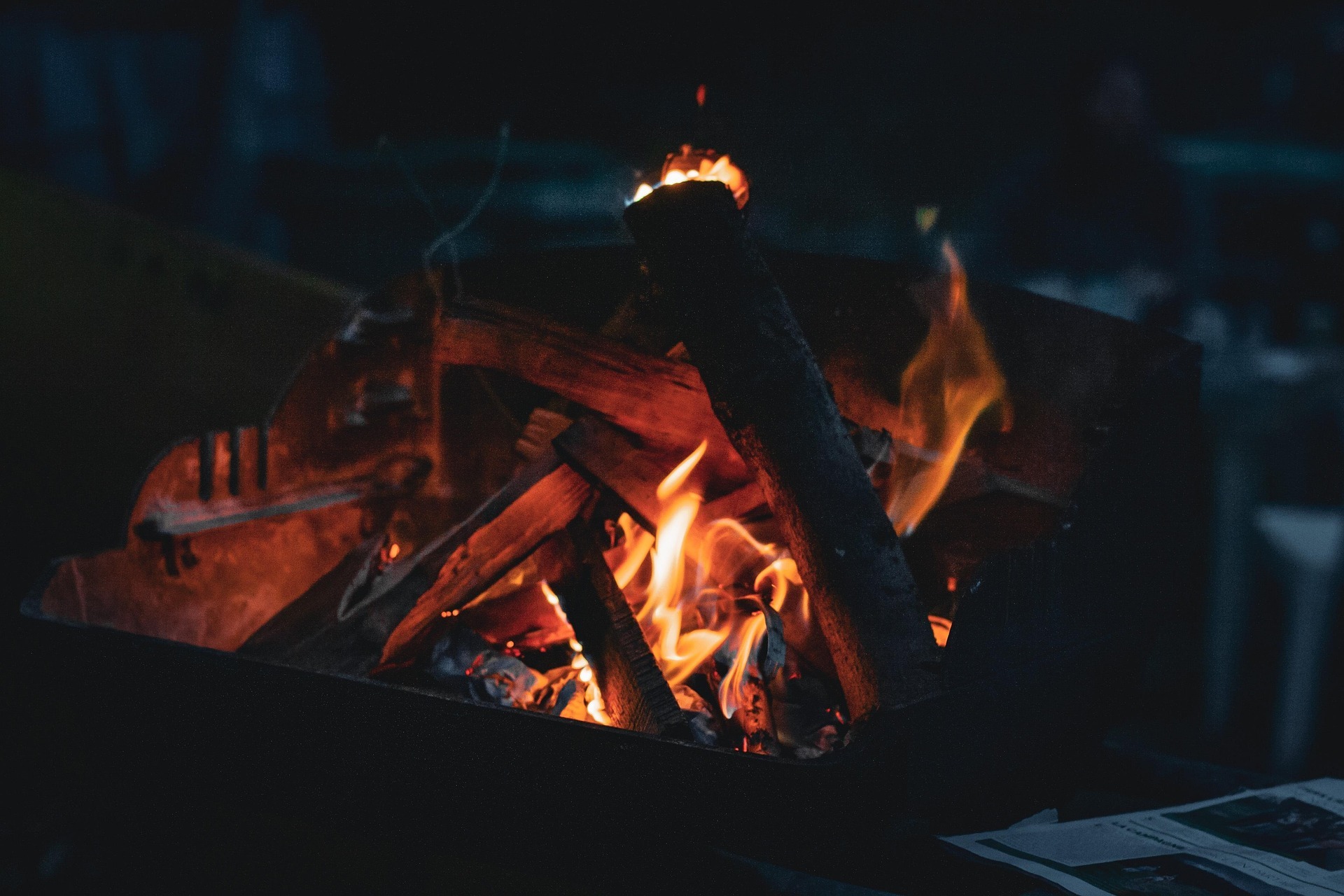
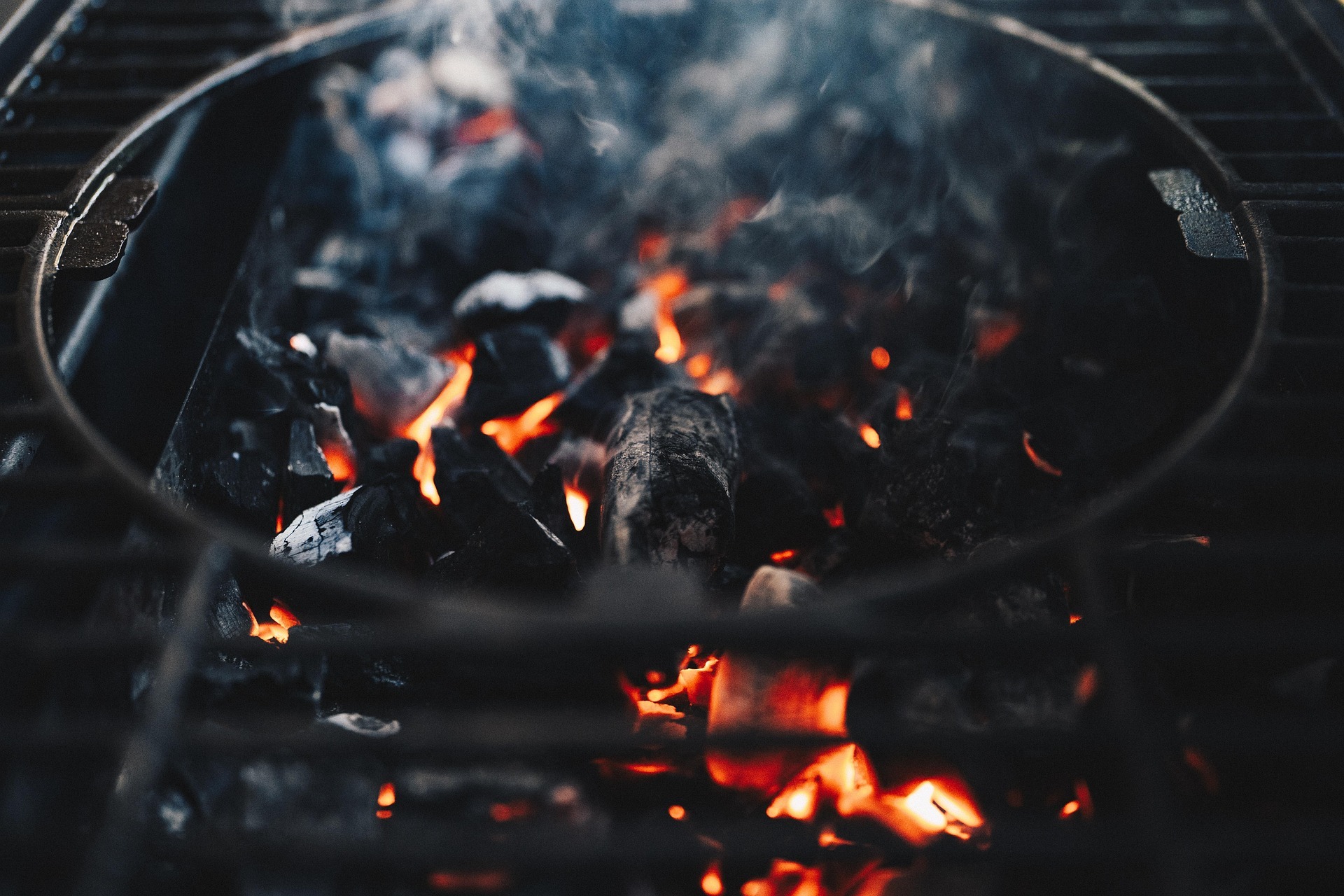
Embers can stay hot long after the flames have disappeared.
Once the fire has been extinguished, the person responsible for the fire should check the remaining material carefully and make sure there is no heat or continuing combustion. If anything is still hot, the fire is not ready to be left.
Children should stay well clear while this is being done.
Check Around the Fire
Don’t only look at the centre of the fire.
Check the area around it for stray embers, pieces of burning wood or anything that may have caught alight. Sparks can sometimes travel further than you expect, particularly when there has been wind.
The surrounding ground and vegetation should be left safe, with no sign that the fire is still capable of spreading.
Clear Up Carefully
Once the fire is completely cold and the responsible adult has confirmed that it is safe, help tidy the area.
Remove rubbish and any equipment that belongs to you. Don’t leave cans, food packaging, matches or other waste behind.
If you’re using a designated fire area, follow the site’s instructions about what should happen to the remaining ash and fire material. Don’t scatter or move it unless you’ve been told that this is appropriate.
Leave the Site Safe
Before leaving, take one final look around.
Ask yourself whether there is anything left behind that shouldn’t be there and whether the fire area is genuinely safe. The aim is to leave the site clean, tidy and free from anything that could cause harm or start another fire.
Remember that someone else might use the area after you have gone.
Never Leave a Fire Unattended
A fire should never be left unattended, even if it appears to be nearly out.
If you need to leave the campsite or move away from the fire, make sure a responsible adult knows and takes responsibility for it. Don’t assume someone else is watching it.
Fire safety is everyone’s responsibility, but children should always follow the instructions of the responsible adult supervising the fire.
Final Tip
A fire isn’t finished when the flames disappear. It’s finished when it is completely out, cold and safe to leave.
Taking the time to put a fire out properly and check the area afterwards is one of the most important campcraft habits you can learn. A good outdoor skill is not just knowing how to start something — it’s knowing how to finish safely.
🔒Ready to test your survival skills?
Join Survival Guides UK for free, complete challenges, earn badges and increase your Survival Level.
JOIN FREE →
CRAIG BURR
FOUNDER · SURVIVAL GUIDES UK
I'm Craig, the person behind Survival Guides UK. I created SGUK because I wanted somewhere people could learn real outdoor skills in a practical, straightforward way — from lighting a fire and tying knots to navigation, campcraft and everything in between.
You can read more about the story behind SGUK here as well as our approach here.