Beavers Nature Activities: Fun Ways to Explore the Outdoors
Nature is one of the easiest things to introduce into a Beaver programme.
You don’t need specialist equipment or a complicated plan. A woodland, park, campsite or even the area around your meeting place can provide plenty of opportunities for exploration.
Beavers are naturally curious. Give them a chance to look closely at a tree, listen for wildlife or search for interesting shapes and colours, and you’ve already got the beginnings of a great activity.
The aim isn’t to teach them everything about nature.
It’s to encourage them to look, listen, explore and ask questions.
⚠️ SAFETY FIRST
Nature activities should always take place in a suitable, supervised area that has been checked beforehand and risk assessed for the activity. Take particular care around roads, water, steep or uneven ground, poisonous plants, fungi, insects and ticks.
Teach Beavers to look rather than touch unless an adult has confirmed something is safe. Never encourage children to eat wild plants, berries or fungi. Avoid disturbing nests, wildlife or habitats.
If you move natural objects such as logs or stones, replace them carefully afterwards. Wash hands after outdoor activities and follow your Scout organisation’s current safety guidance.
1. Nature Treasure Hunt
Give Beavers a list of things to find.
They could look for:
A large leaf.
A pine cone.
Something smooth.
Something rough.
A feather.
Something yellow.
They don’t need to collect anything. Finding and pointing out the objects is often enough.
2. Nature Bingo
Create bingo cards containing things Beavers might see outdoors.
A bird.
A tree.
A flower.
A spider web.
A cloud.
A fallen branch.
Something red.
They can work in pairs or teams to complete their cards.
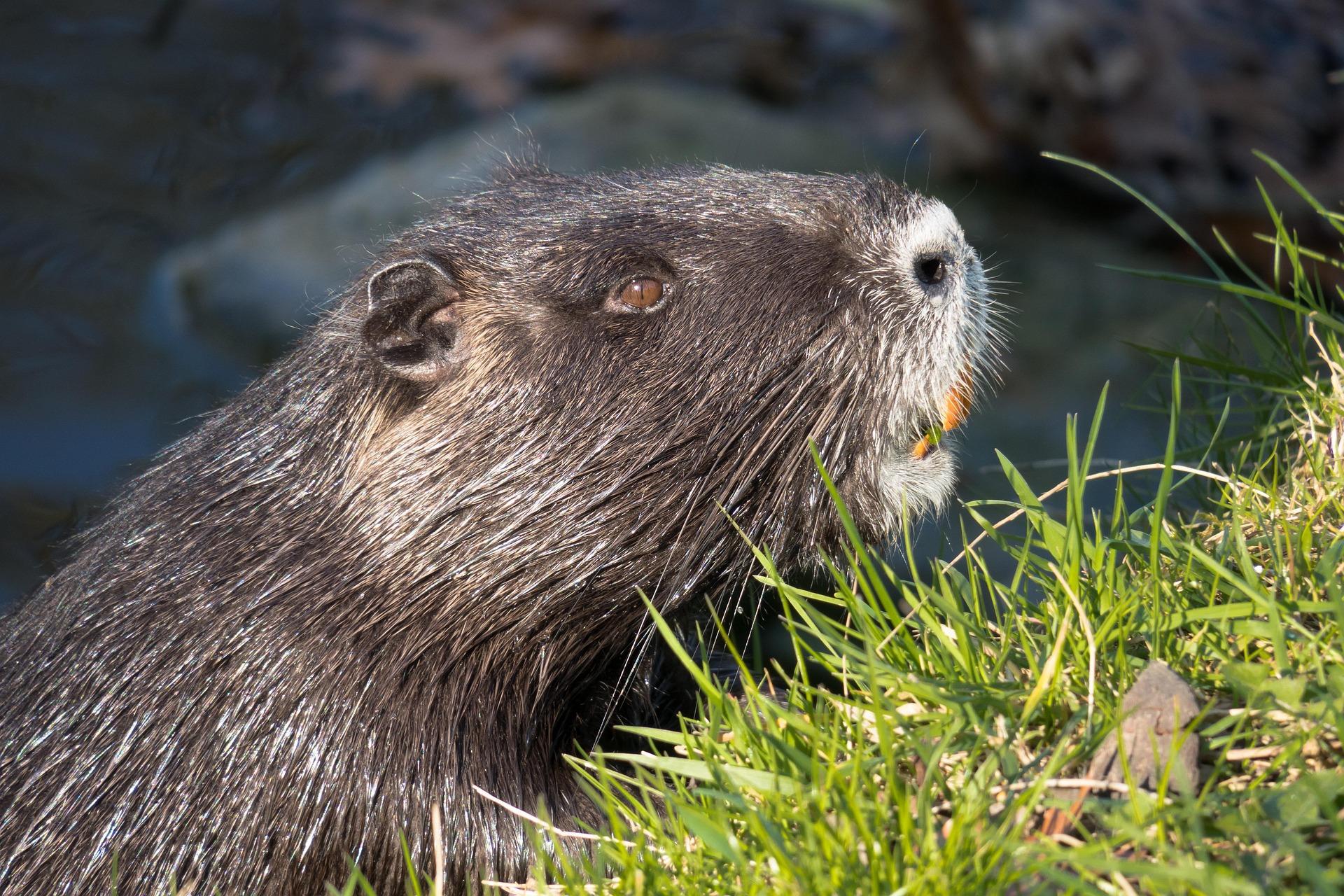
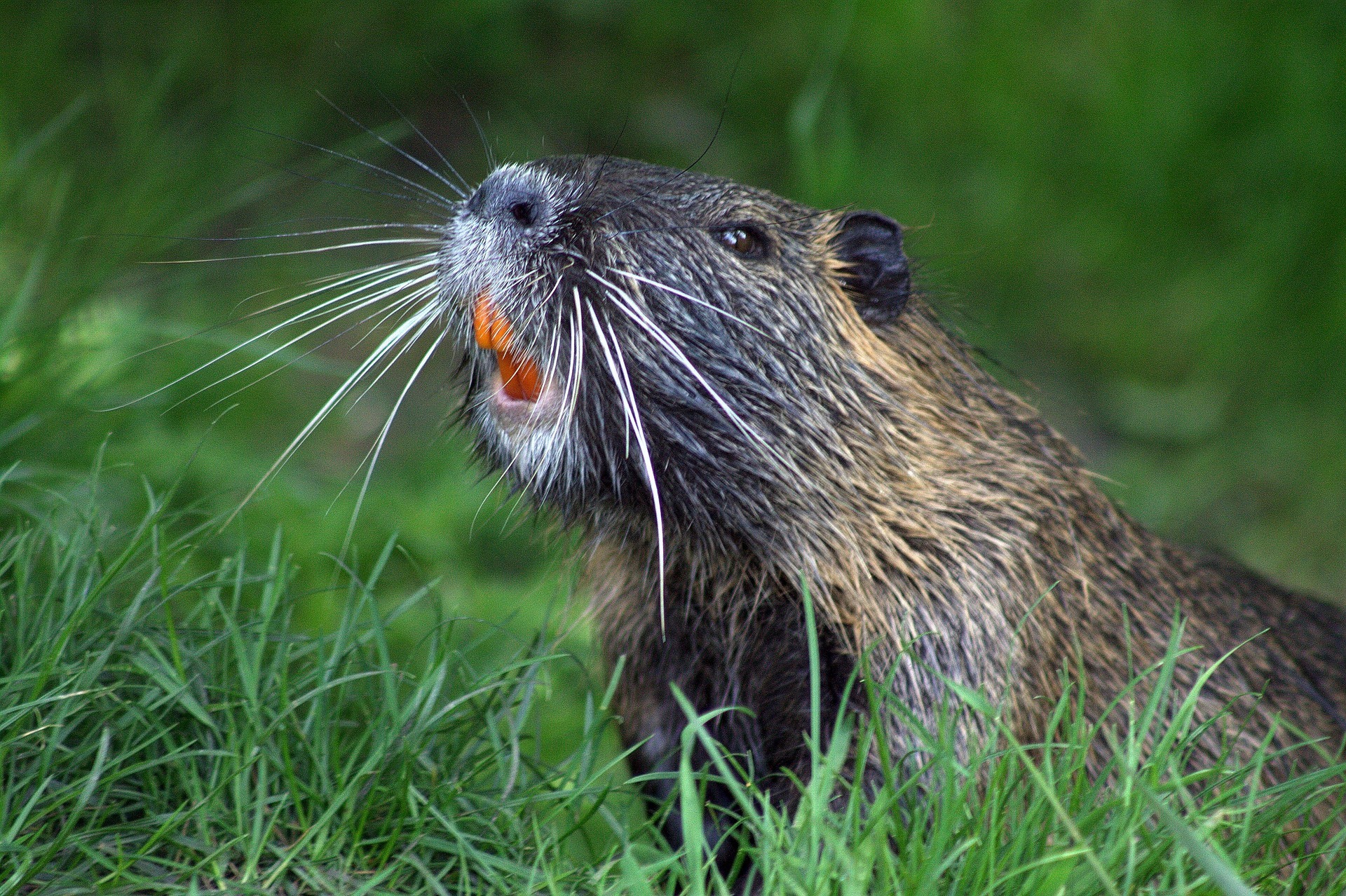
3. Wildlife Spotting
Take Beavers on a short walk and see how many different animals they can spot.
Birds are an obvious starting point, but they might also find insects, squirrels or signs that animals have been nearby.
Encourage quiet observation rather than chasing wildlife.
4. Tree Detectives
Choose several trees and ask Beavers to compare them.
Is the bark smooth or rough?
Are the leaves big or small?
Is the tree tall or short?
Does it have a wide trunk?
You can then introduce different types of trees as the group becomes more confident.
5. Leaf Matching
Collect a selection of fallen leaves and mix them up.
Can Beavers match leaves that came from the same type of tree?
For an outdoor version, give them a leaf and ask them to find the tree it came from.
Use fallen leaves rather than picking them from living trees.
6. Mini Beast Hunt
Let Beavers search for small creatures in a suitable area.
They might discover woodlice, worms, beetles or spiders.
The goal is to observe rather than capture.
If you carefully lift a log or stone to look underneath, replace it afterwards so the habitat isn’t unnecessarily disturbed.
7. Five-Minute Sit Spot
Find a safe place and ask everyone to sit quietly for five minutes.
No talking.
No running around.
Just listen and look.
Afterwards ask:
“What did you notice?”
Beavers will often be surprised by how many things they spotted once they stopped moving.
8. Nature Colour Hunt
Give each Beaver a colour.
Their challenge is to find something in nature that matches it.
Green is easy.
Purple, orange or blue might take more searching.
It’s a simple activity that encourages careful observation.
9. Nature Texture Hunt
Ask Beavers to find things that appear:
Smooth.
Rough.
Soft.
Hard.
Spiky.
They don’t have to touch anything unfamiliar. They can simply point to it and describe what they can see.
10. Listen to Nature
Find a quiet spot and ask Beavers to close their eyes for a short time.
What can they hear?
Birds.
Wind.
Leaves.
Insects.
Water.
Distant traffic.
It can be interesting to repeat the activity somewhere else and compare the sounds.
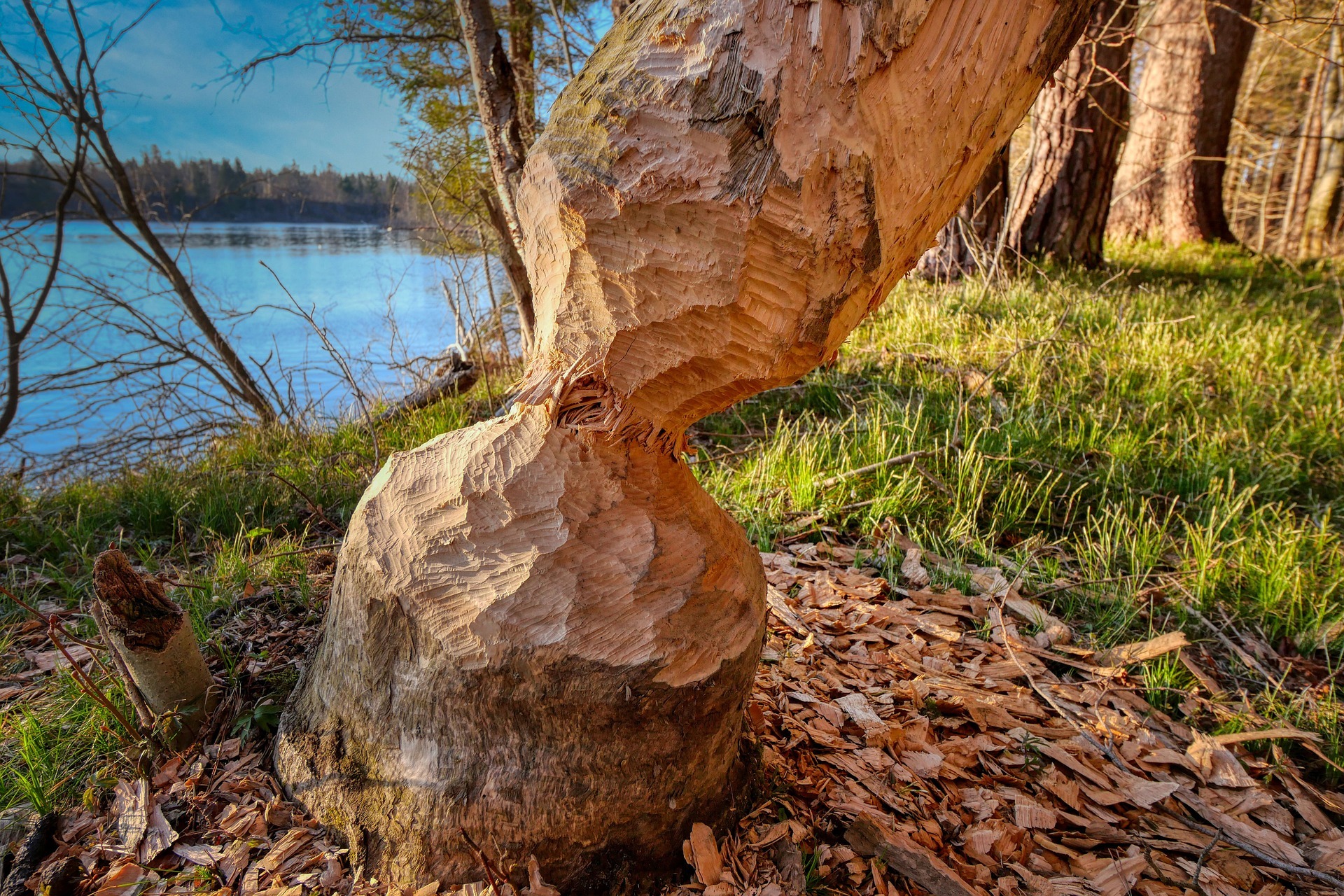
11. Animal Tracks and Signs
You don’t have to see an animal to know it has been there.
Look for signs such as:
Footprints.
Feathers.
Chewed nuts.
Holes.
Spider webs.
Other animal tracks or markings.
Ask:
“What animal do you think made this?”
12. Nature Shapes
Challenge Beavers to find natural objects that resemble familiar shapes.
A heart-shaped leaf.
A branch shaped like a letter.
A cloud that looks like an animal.
It combines observation with imagination.
13. Weather Watchers
Ask Beavers to observe the weather.
Is it sunny?
Cloudy?
Windy?
Rainy?
Cold?
What can they see happening in the sky?
You can then ask:
“What do you think the weather will do next?”
14. Nature Picture
Ask Beavers to create a picture using suitable fallen natural materials where this is allowed.
They might make an animal, face or pattern.
Once finished, dismantle it and leave the area as you found it.
15. Nature Scavenger Hunt
Give teams a list of things to find rather than collect.
For example:
Something that has been eaten by an animal.
A feather.
A different-shaped leaf.
A sign of water.
A spider web.
A natural pattern.
This makes the activity more challenging while reducing disturbance.
16. Bug Hotel Challenge
Talk about where insects might like to live.
What would make a good hiding place?
Which materials could provide shelter?
If appropriate for your location, Beavers can then help create a simple bug hotel using suitable natural or recycled materials.
17. Nature Photography
If suitable devices are available, give Beavers a photography challenge.
Can they photograph:
Something tiny?
Something colourful?
Something with an interesting pattern?
A tree?
An animal?
A texture?
The challenge encourages them to notice details they might normally overlook.
18. Nature Sound Bingo
Create a list of sounds Beavers might hear.
Birdsong.
Wind.
Leaves moving.
An insect.
Water.
Footsteps.
See how many they can identify during a walk.
19. Nature Story Walk
Take Beavers on a short walk and turn the environment into part of a story.
A fallen tree becomes a giant’s bridge.
A stream becomes a magical river.
A clearing becomes the home of an imaginary creature.
It combines storytelling, imagination and outdoor exploration.
20. The Big Nature Adventure
Bring several activities together into one short adventure.
Beavers could follow a trail, spot wildlife, identify trees, find natural objects and complete an observation challenge.
At the end, bring everyone together and ask what they discovered.
The activity doesn’t need to be difficult.
The adventure is the important part.
Let Beavers Ask Questions
You don’t need to know the answer to every question.
If a Beaver asks:
“What’s that insect?”
you can say:
“I’m not sure. Let’s see if we can work it out.”
That turns curiosity into part of the activity.
You can even make a note of interesting questions and look them up together later.
Teach Respect for Nature
Nature activities are also an opportunity to establish good habits.
Look rather than chase.
Observe rather than disturb.
Leave plants where they are.
Don’t feed wild animals.
Don’t damage habitats.
Take rubbish home.
These are simple messages that Beavers can understand and carry with them as they get older.
Don’t Over-Plan
You don’t need to organise a different activity for every minute outdoors.
Give Beavers some time to explore.
They might become fascinated by an insect or spend ten minutes looking at an interesting tree.
That’s not wasted time.
It’s exactly the kind of curiosity that outdoor activities are designed to encourage.
Final Thoughts
Nature activities for Beavers should be about discovery rather than memorising facts.
Give them opportunities to look closely, listen carefully and investigate the world around them.
A short walk can become a wildlife expedition.
A fallen leaf can become a science lesson.
Five minutes of quiet observation can reveal an entire world of sounds.
🌿 THE BIG IDEA
Let Beavers discover nature for themselves.
Keep activities simple, encourage questions and give young people time to explore.
You don’t need to know everything about the natural world. Sometimes the best activity is simply asking, “I wonder what that is?” and finding out together.
🔒Ready to test your survival skills?
Join Survival Guides UK for free, complete challenges, earn badges and increase your Survival Level.
JOIN FREE →
CRAIG BURR
FOUNDER · SURVIVAL GUIDES UK
I'm Craig, the person behind Survival Guides UK. I created SGUK because I wanted somewhere people could learn real outdoor skills in a practical, straightforward way — from lighting a fire and tying knots to navigation, campcraft and everything in between.
You can read more about the story behind SGUK here as well as our approach here.