SGUK Outdoor Skills Challenge 48: Learn How to Watch Wildlife Without Disturbing It in Woodland
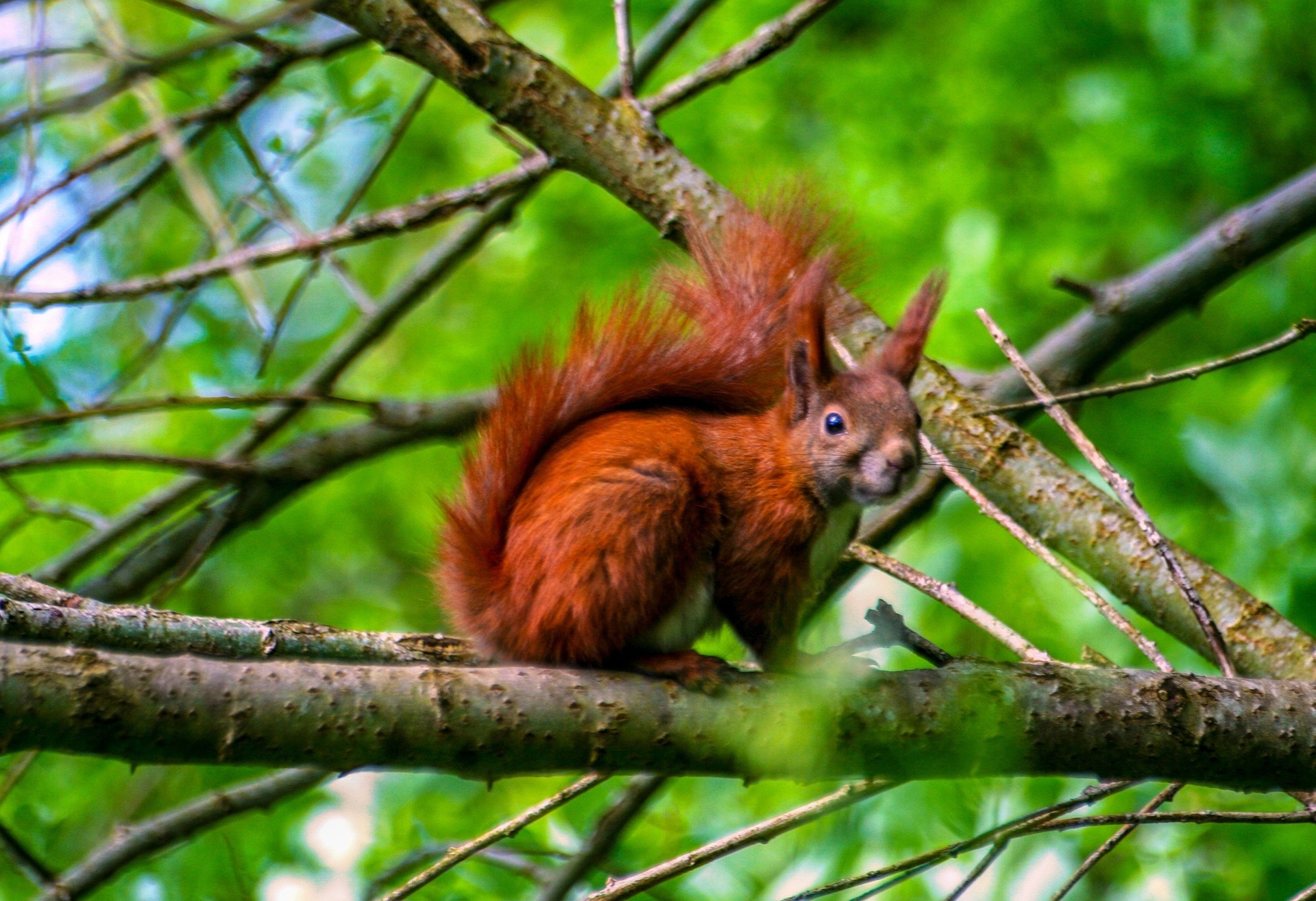
Watching wildlife in woodland takes more patience than many people really expect. You might spend twenty minutes standing quietly and see nothing more than a robin, then notice a squirrel moving through the branches as soon as you stop looking for it. The secret is to slow down, pay attention to any small details and let the wildlife carry on naturally rather than trying to get closer.
Animals use woodlands for feeding, shelter, nesting and raising their young. Even when you cannot see them, your presence can affect their behaviour if you approach too closely or make too much noise. This challenge will help you practise observing wildlife responsibly, recognising signs of animal activity and knowing when to leave an animal undisturbed.
Your Challenge
Your challenge is to spend time observing a woodland habitat without deliberately disturbing the wildlife that lives there.
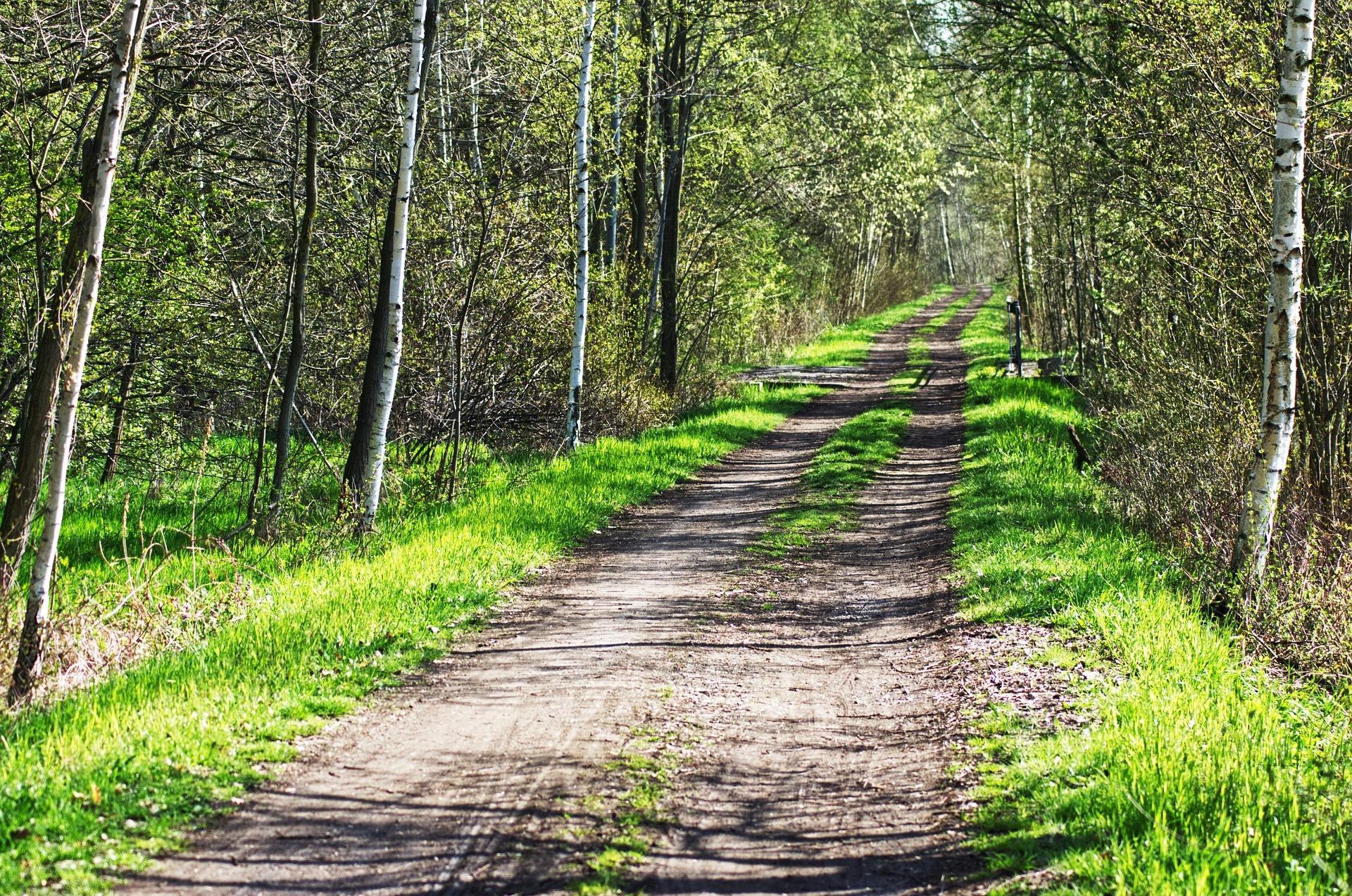
Choose a suitable public woodland where access is permitted. Find a quiet place beside an established path, settle in and watch what happens around you. Look for birds, insects, squirrels and other animals, but also pay attention to indirect signs such as tracks, feeding marks, feathers and calls.
Record what you observe and explain the steps you took to avoid disturbing wildlife. You don’t need to see a large or unusual animal to complete the challenge; learning to notice small details is just as valuable.
What You’ll Need
- Suitable outdoor clothing for the weather.
- A notebook or phone for recording observations.
- A camera or binoculars, if available.
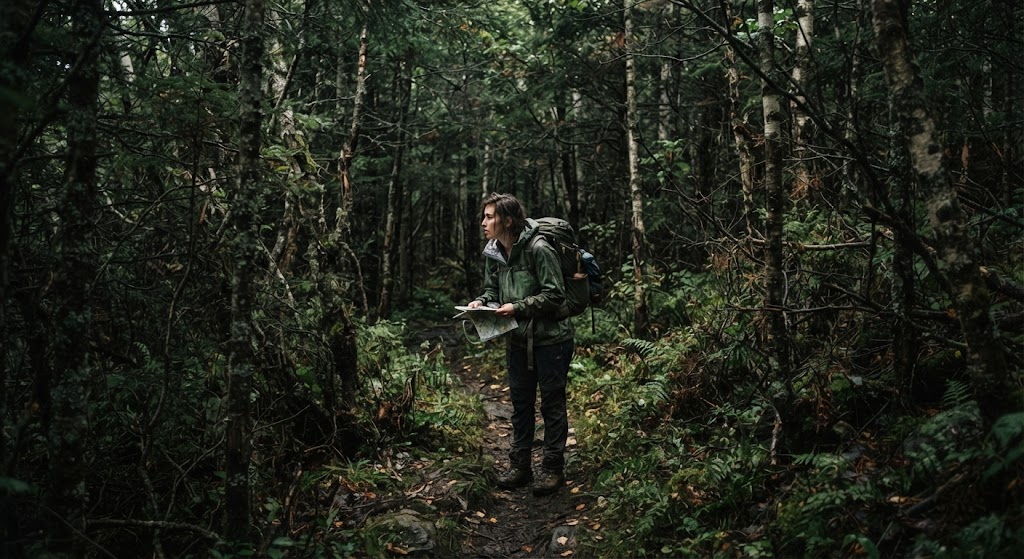
- A map or route plan if visiting unfamiliar woodland.
- Drinking water and any other essentials for your walk.
You don’t need specialist equipment. Binoculars can help you see animals at a distance, but patience and careful observation are more important than having expensive gear.
Take the Challenge
1. Choose a suitable observation spot
Find a place where you can stand or sit comfortably without blocking the path or entering sensitive habitat. A woodland edge, a quiet bend in a trail or a spot near a clearing may offer good views, provided you remain within areas where visitors are permitted.
Avoid approaching nests, dens, burrows or places where animals appear to be resting or feeding. Keep away from areas marked as restricted, and follow any seasonal access guidance.
Once you have chosen your spot, settle down and give the woodland time to return to its normal activity. Animals may be aware of you long before you notice them. Moving slowly, keeping your distance and avoiding sudden movements can make your presence less disruptive.
2. Learn to watch quietly
Start by listening. Before trying to spot an animal, notice the sounds around you. You may hear birds calling from the canopy, leaves rustling as a small mammal moves through undergrowth, or insects buzzing in a sunny patch.
Keep conversations quiet and silence unnecessary phone alerts. Avoid playing animal calls or using recorded sounds to attract wildlife, as these can disrupt natural behaviour.
Move only when you need to, and do so slowly. If an animal looks towards you, freezes, repeatedly calls an alarm or moves away, take that as a reason to give it more space. Don’t follow it to get a better view.
Remember that quietness alone doesn’t guarantee you won’t disturb an animal. Your position, scent, movement and proximity can all affect how it responds.
3. Look for signs before looking for animals
Woodland animals are often easier to detect through the evidence they leave behind than by seeing them directly. Instead of walking around searching for a close encounter, examine the habitat from where you are.
Look for:
- Feathers on the ground or caught in vegetation.
- Gnawed nuts and seed shells beneath trees.
- Tracks or footprints in soft mud.
- Holes, burrows or cavities that may provide shelter.
- Droppings, fur or other signs of animal activity.
- Disturbed leaf litter or vegetation along the woodland floor.
Observe these signs without picking them up or disturbing the surrounding area. Not every hole is an animal’s home, and not every track can be identified confidently. Record what you see and note any uncertainty rather than guessing.
For example, a nibbled hazelnut might suggest that an animal has been feeding nearby, but it doesn’t prove which animal was responsible. Look for several clues before drawing a conclusion.
4. Watch how animals use their surroundings
Choose one part of the woodland and watch it for several minutes. Rather than focusing on a single animal, notice how the habitat is used.
You might see a bird moving between branches, a squirrel crossing a tree trunk or insects visiting flowers near a clearing. You may notice that certain areas receive more activity than others, or that animals become more visible when you remain still.
Record the time, weather, habitat and behaviour you observe. Describe what the animal was doing rather than assigning human motives to it. For example, write that a bird repeatedly carried material towards a tree cavity, rather than claiming you know exactly what it was thinking.
If you don’t see an animal, record that too. You can still learn about the habitat by listening for calls and looking for signs of feeding or movement.
5. Recognise when you are causing disturbance
One of the most useful wildlife skills is recognising when your presence is affecting an animal.
Warning signs can include an animal repeatedly watching you, stopping its normal activity, giving alarm calls, moving away or appearing reluctant to return to a feeding area. Different species react differently, so there is no single behaviour that always indicates disturbance.
If you notice these signs, stop moving towards the animal and increase your distance. If it continues to show signs of stress, leave the area calmly.
Never corner an animal, block its escape route or approach young wildlife. A young animal sitting alone is not necessarily abandoned; its parents may be nearby. Keep your distance and don’t touch or move it unless a qualified wildlife professional or appropriate authority advises you to do so.
Be particularly careful around nesting birds, maternity roosts and other sensitive sites. Avoid sharing precise locations of vulnerable wildlife publicly, as this can attract unwanted attention.
6. Leave the habitat as you found it
While observing wildlife, resist the temptation to move branches, turn over logs or clear vegetation to improve your view. These features may provide shelter, food or breeding sites for animals you haven’t seen.
Keep to permitted paths, take all your rubbish away and avoid feeding wildlife. Human food can be unsuitable for animals and may encourage them to approach people, roads or other hazards.
Dogs should be kept under control and on a lead where required, especially around wildlife and livestock. Follow local signs and access rules, and avoid letting a dog chase or investigate animals.
Before leaving, look around your observation spot. Check that you haven’t left anything behind or disturbed the habitat while trying to get a better view.
Check Your Results
Review your notes and consider these questions:
- What did you notice when you stopped moving and listened?
- Which signs suggested that animals had been using the area?
- How did you distinguish a direct sighting from an assumption based on evidence?
- What behaviours might indicate that an animal is disturbed?
- What should you do if an animal moves away or gives alarm calls?
- Why should you avoid approaching nests, dens and young wildlife?
You should be able to explain how patience, distance and careful observation help reduce disturbance, even when you don’t manage to see an animal directly.
Complete the Challenge
To complete this challenge, carry out a period of quiet woodland observation and record at least three things you noticed. These can be wildlife sightings, calls, tracks, feeding signs or other evidence of animal activity.
Include a short explanation of how you kept your distance, avoided disturbing the habitat and responded to any signs that an animal might be uncomfortable with your presence.
If you cannot visit woodland, you can use wildlife footage or photographs to practise recording animal behaviour and identifying possible signs of disturbance. Make it clear that you completed the research-based version.
How to Submit Your Challenge
Submit your evidence
- Go to your SGUK member profile.
- Open Social Activity.
- Upload a photograph of your evidence to the activity wall.
- Add the hashtag #SGUKChallenge48.
- Share it for verification.
Your evidence could include a photograph taken from an appropriate distance, your observation notes or a picture of the habitat where you carried out the challenge. Avoid posting precise locations of vulnerable wildlife.
Challenge 48 Checklist
Want to Push Yourself?
Return to the same woodland at a different time of day or in another season. Record how the sounds, weather, vegetation and wildlife activity change. You may notice that some animals are easier to detect at certain times, while others leave signs even when you never see them.
You could also keep a simple wildlife diary over several visits. Compare your observations and look for patterns, but remember that seeing fewer animals doesn’t necessarily mean fewer are present. Weather, disturbance and natural seasonal changes can all affect what you notice.
What’s Next?
Learning to watch wildlife responsibly is a valuable outdoor skill. The more carefully you observe, the more you can discover without interfering with the animals or habitats you’re there to enjoy.
If you’d like to revisit the previous challenge, try SGUK Outdoor Skills Challenge 47: Practise Leaving No Trace in Woodland. You can complete SGUK challenges in any order, so choose the next skill that interests you.
Once you’ve shared your evidence and it has been verified, the SGUK Outdoor Skills Challenge 48 is complete and the completed challenges figure will be updated on your profile.
Learn. Practise. Master.
That’s what the SGUK Outdoor Skills Challenge is all about.
🔒Ready to test your survival skills?
Join Survival Guides UK for free, complete challenges, earn badges and increase your Survival Level.
JOIN FREE →
CRAIG BURR
FOUNDER · SURVIVAL GUIDES UK
I'm Craig, the person behind Survival Guides UK. I created SGUK because I wanted somewhere people could learn real outdoor skills in a practical, straightforward way — from lighting a fire and tying knots to navigation, campcraft and everything in between.
You can read more about the story behind SGUK here as well as our approach here.